
Corfu — History & Facts
Could beauty survive in a century of chaos? The question lingers like the fading light in a world teetering on the brink of change. Look to the left at the crumbling stone wall, its surfaces worn and softened by time. The sun casts a warm glow upon the aged textures, illuminating the relentless beauty found within decay. Notice how the vibrant greens of the overgrown foliage contrast with the muted earth tones, a testament to nature's resilience.
The composition draws you in, seamlessly guiding your gaze from the rugged past to the lush present, a delicate balance between what was and what is. Within this dialogue of decay and life, there exists a poignant tension. The juxtaposition of the antiquity of the wall against the flourishing vegetation suggests a quiet triumph over time's relentless march. Each crack in the stone seems to whisper stories of history, while the exuberance of the plants hints at rebirth and regeneration.
This painting invites contemplation: what does it mean to endure and adapt in a world that is constantly shifting? Ciągliński painted Corfu in 1910 while living in the shadow of a rapidly modernizing Europe. At that time, he was deeply engaged with the Impressionist movement, yet he sought to capture the essence of his surroundings through a lens that embraced both realism and impression. The world was on the cusp of the First World War, a period filled with uncertainty, and the artist’s work reflects this complexity as he grappled with the profound beauty amid the impending chaos.
More Artworks by Jan Ciągliński
Browse all →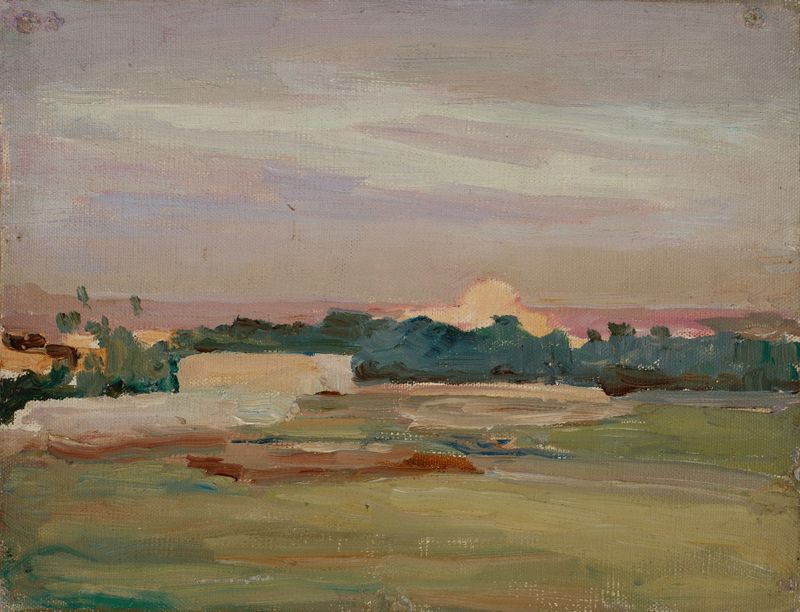
The Sirocco
Jan Ciągliński
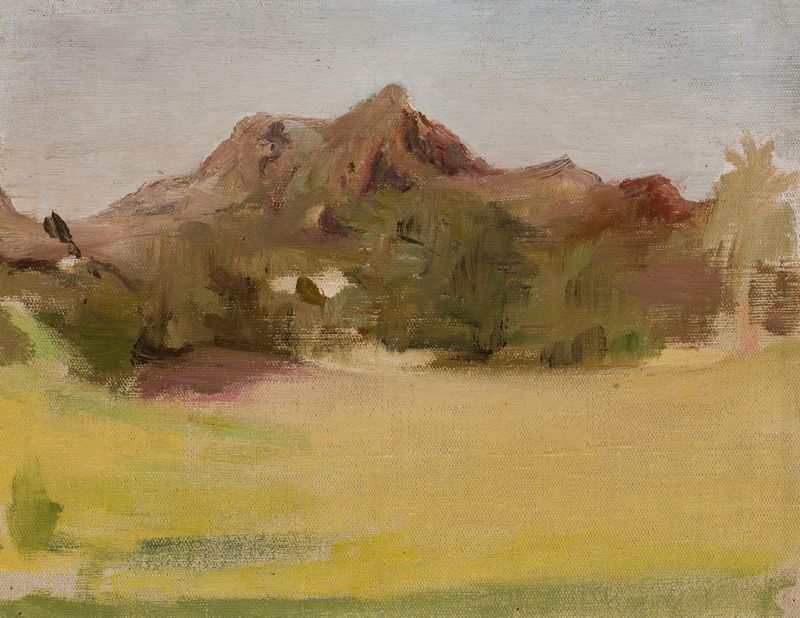
Mountain landscape. From the journey to India
Jan Ciągliński
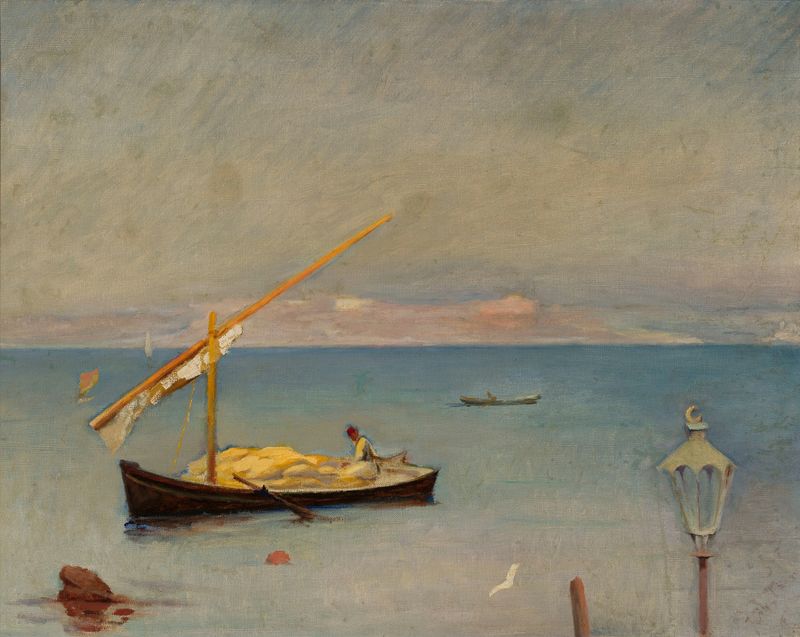
At Bosporus
Jan Ciągliński
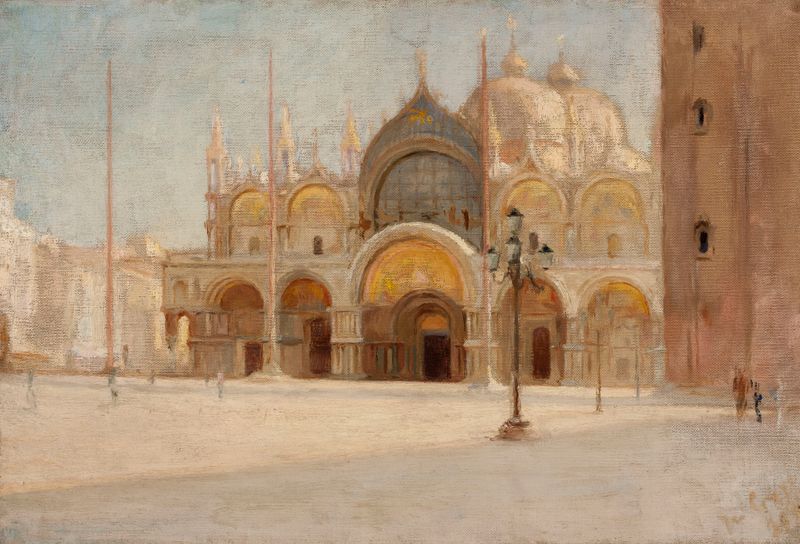
St Mark’s Square in Venice
Jan Ciągliński
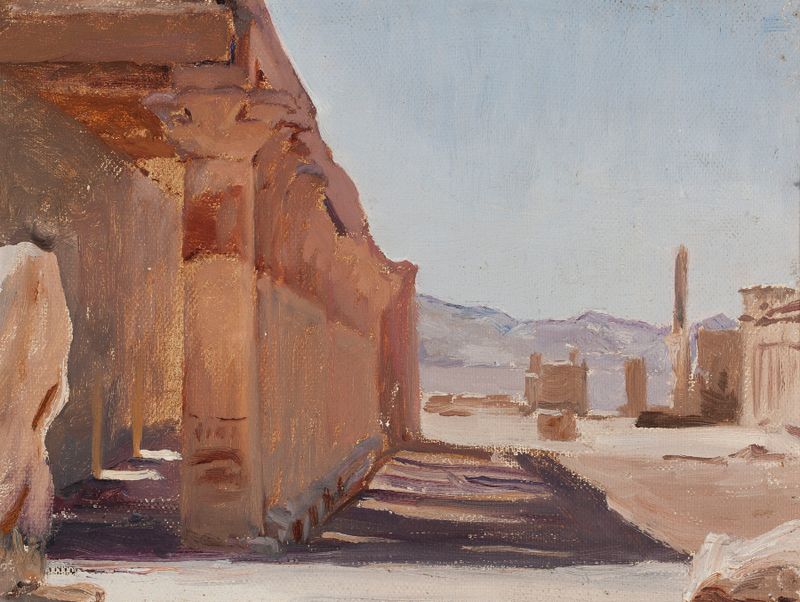
Temple. From the journey to Egypt
Jan Ciągliński
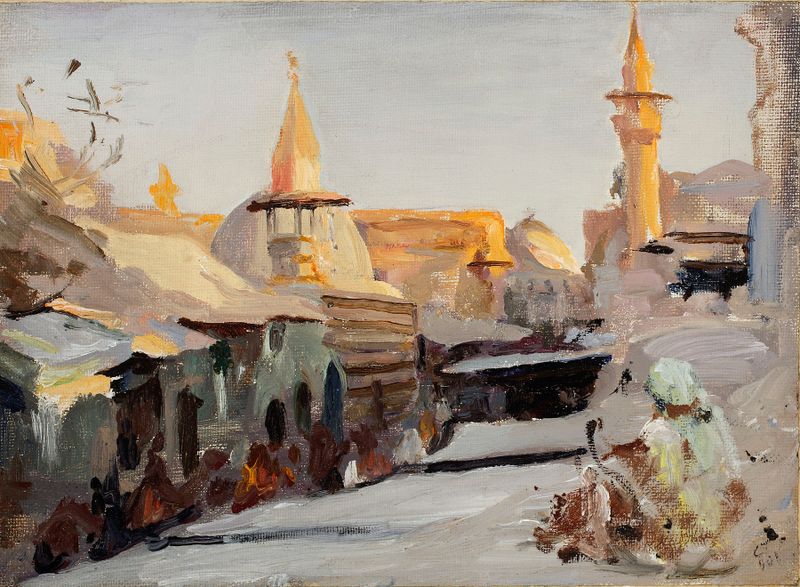
Street in Damascus. From the journey to Palestine
Jan Ciągliński
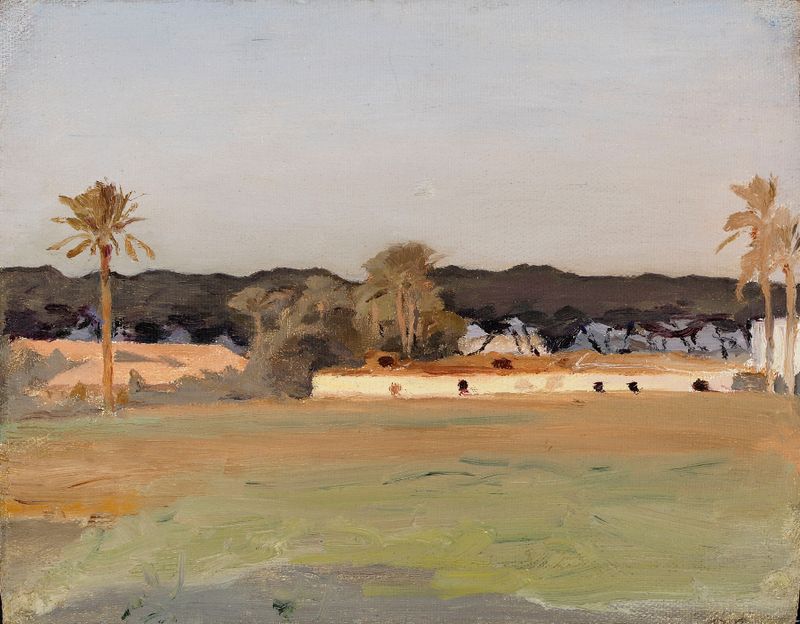
Evening. From the journey to Egypt
Jan Ciągliński
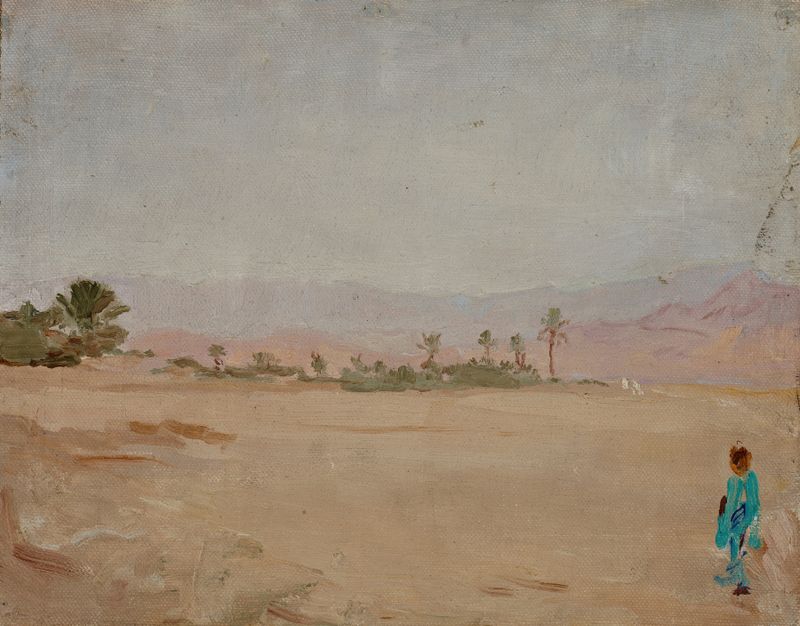
Sahara (Desert)
Jan Ciągliński
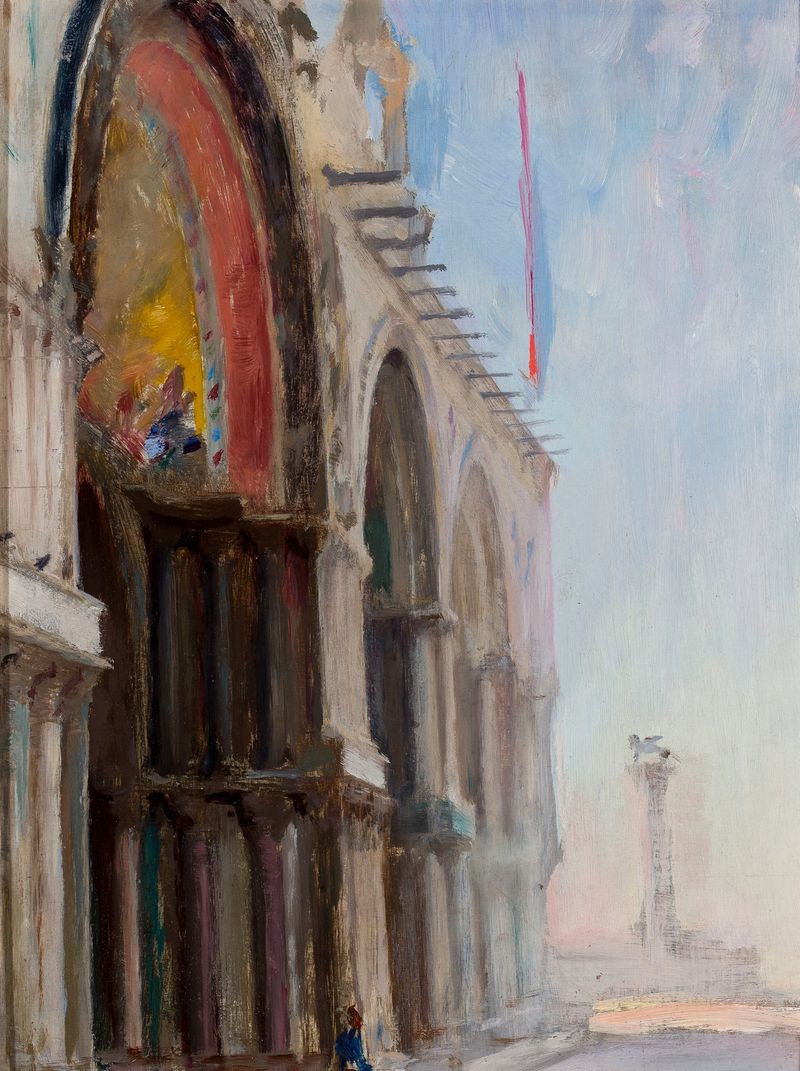
Venice – San Marco. From the journey to Italy
Jan Ciągliński
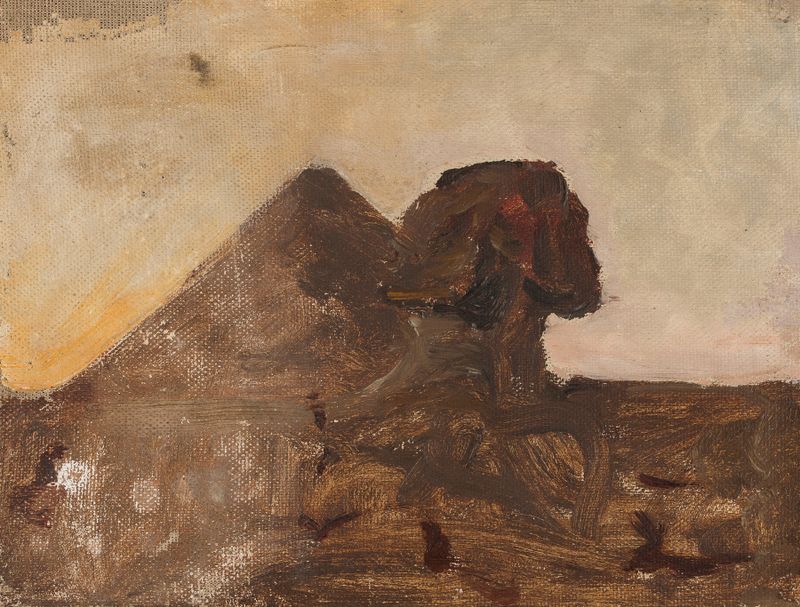
Evening in the desert – Sphinx and pyramid. From the journey to Egypt
Jan Ciągliński





