
Corfu. From the journey to Greece — History & Facts
In a world where beauty often conceals tumult, the serenity of Corfu juxtaposes the undercurrents of violence that can stir beneath the surface of paradise. The lush landscapes and vibrant hues may invite peace, yet there lies an unresolved tension, whispering of histories both glorious and tragic. Look to the horizon, where the azure sea kisses the sky, drawing your gaze towards the distant cliffs bathed in sunlight. The artist’s brushstrokes create a delicate interplay of light and shadow, revealing a richness in greens and blues that evoke both calm and unease.
Notice the gentle waves lapping at the shore, their rhythmic motion hinting at the powerful forces within the depths. Each layer of paint builds a world that is both tranquil and charged, inviting viewers to explore the contrast that dances between the idyllic and the tumultuous. Upon closer inspection, small details emerge that deepen the emotional landscape. The solitary figure in the foreground, seemingly at peace, stands as a poignant reminder of solitude amidst beauty; every moment of stillness carries the weight of unspoken stories.
The vibrant flora may symbolize life and vitality, yet they also obscure the violent history of the land, a paradox that lingers in the air. This duality reflects the complex nature of existence itself, where joy and sorrow coexist, often in quiet conflict. In 1905, Jan Ciągliński crafted Corfu while navigating a period of artistic exploration and personal upheaval. Living in Paris, the artist was influenced by the Impressionist movement, pushing boundaries in the interpretation of light and color.
This era in art history, marked by a shift toward capturing ephemeral moments, resonated with Ciągliński’s vision, allowing him to convey the silent yet potent violence lurking beneath the beauty of the Greek landscape.
More Artworks by Jan Ciągliński
Browse all →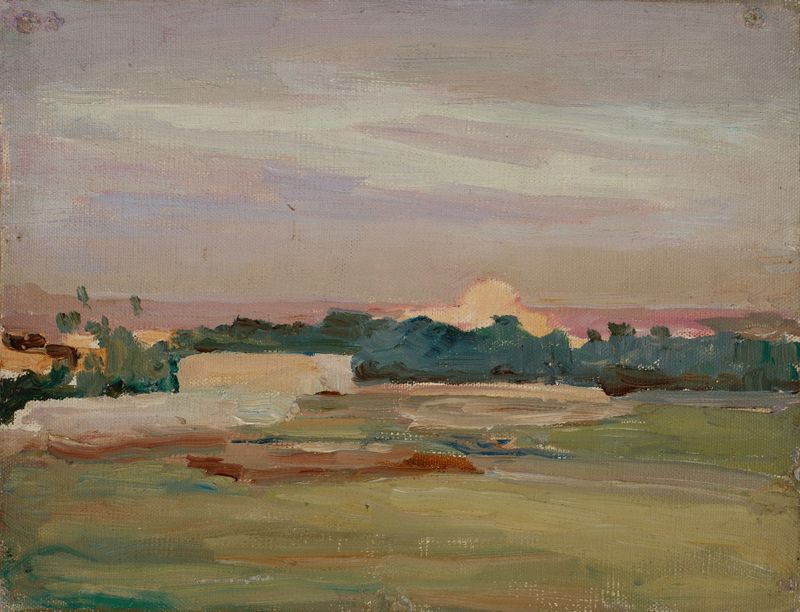
The Sirocco
Jan Ciągliński
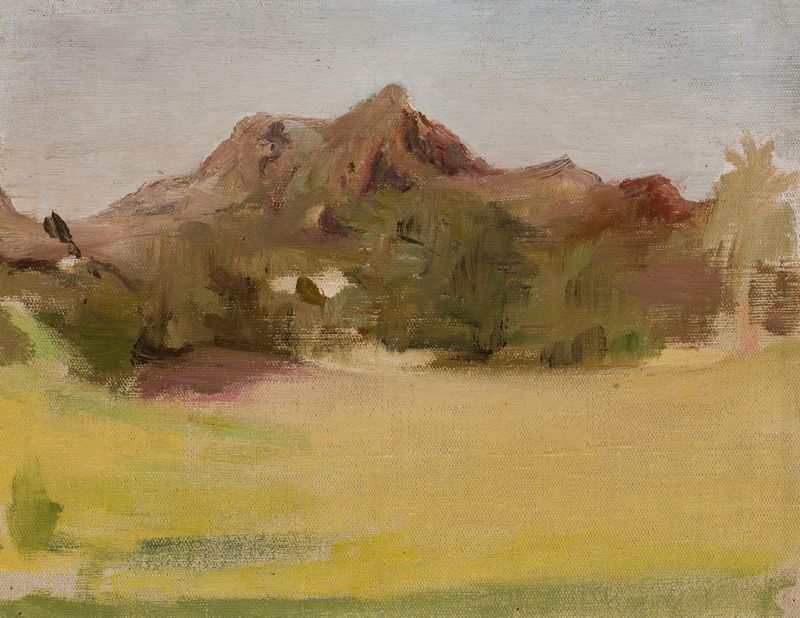
Mountain landscape. From the journey to India
Jan Ciągliński
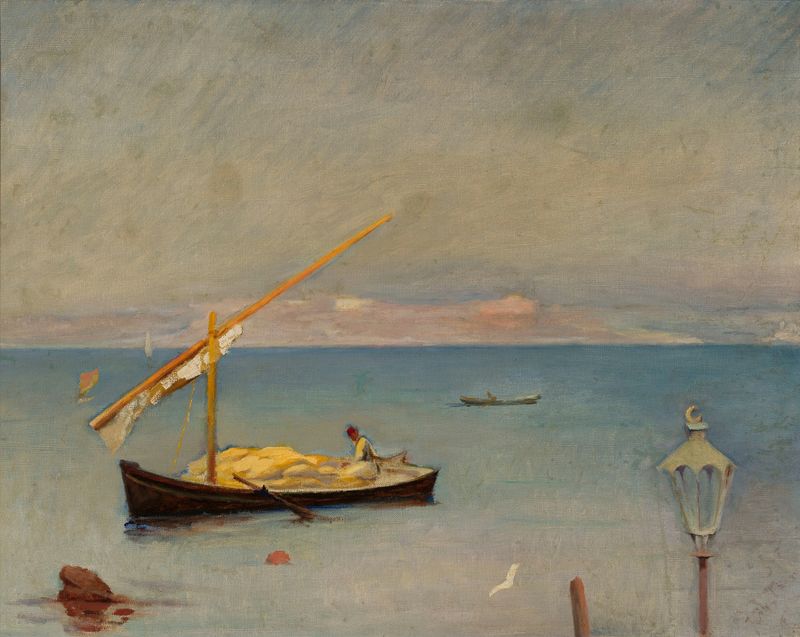
At Bosporus
Jan Ciągliński
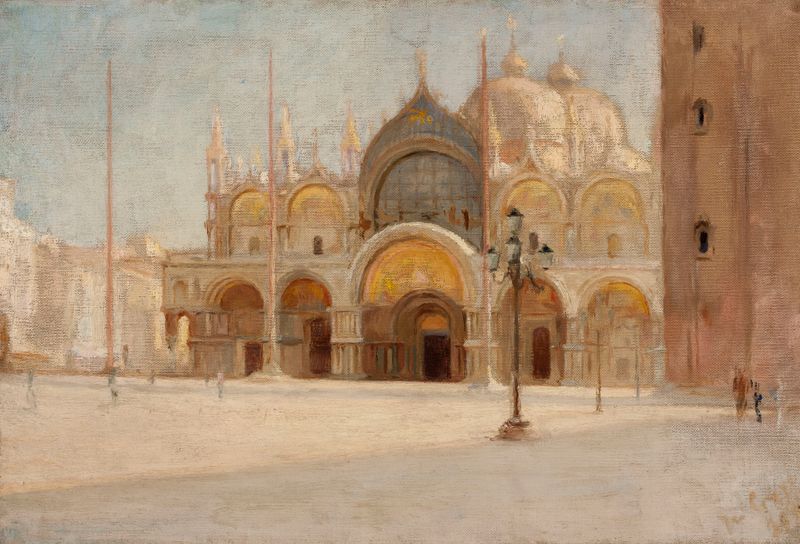
St Mark’s Square in Venice
Jan Ciągliński
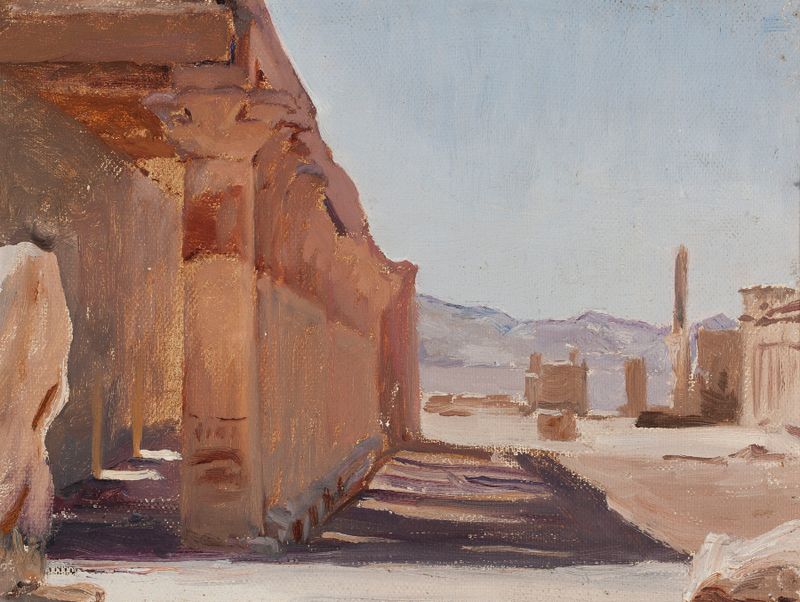
Temple. From the journey to Egypt
Jan Ciągliński
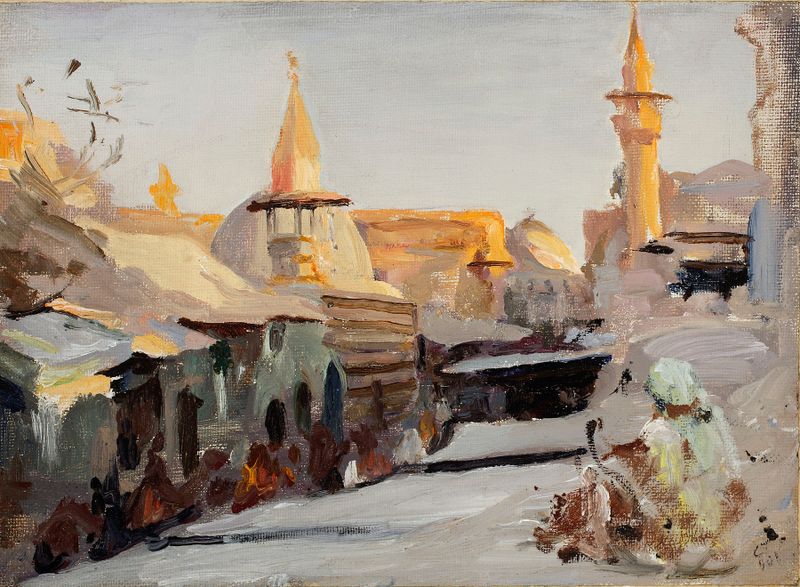
Street in Damascus. From the journey to Palestine
Jan Ciągliński
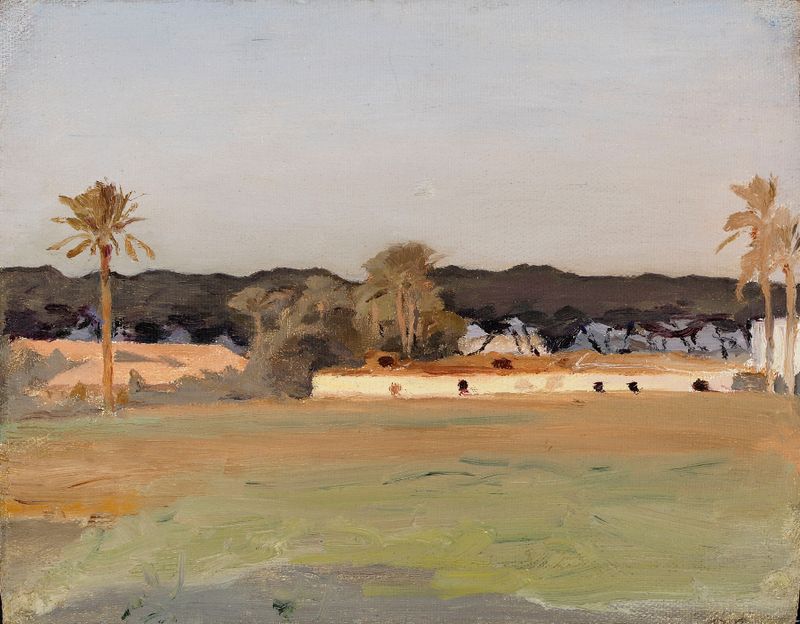
Evening. From the journey to Egypt
Jan Ciągliński
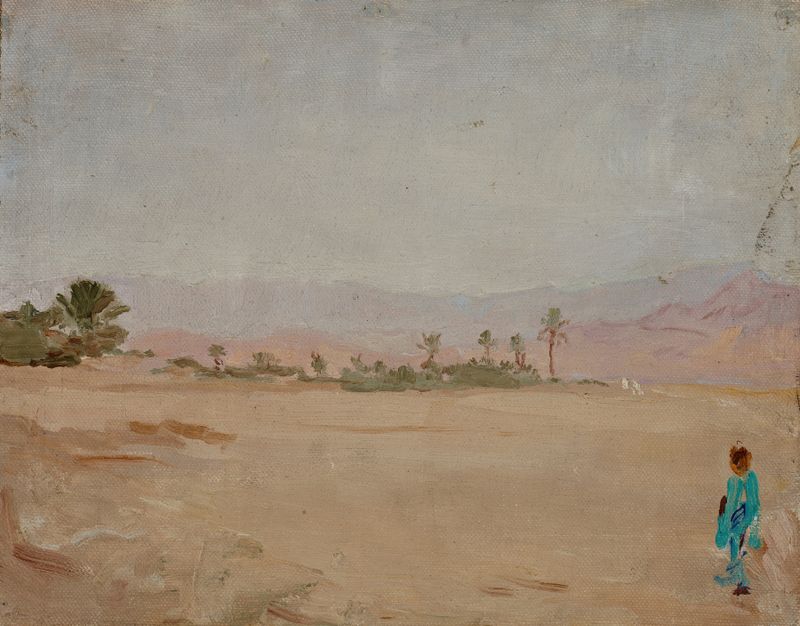
Sahara (Desert)
Jan Ciągliński
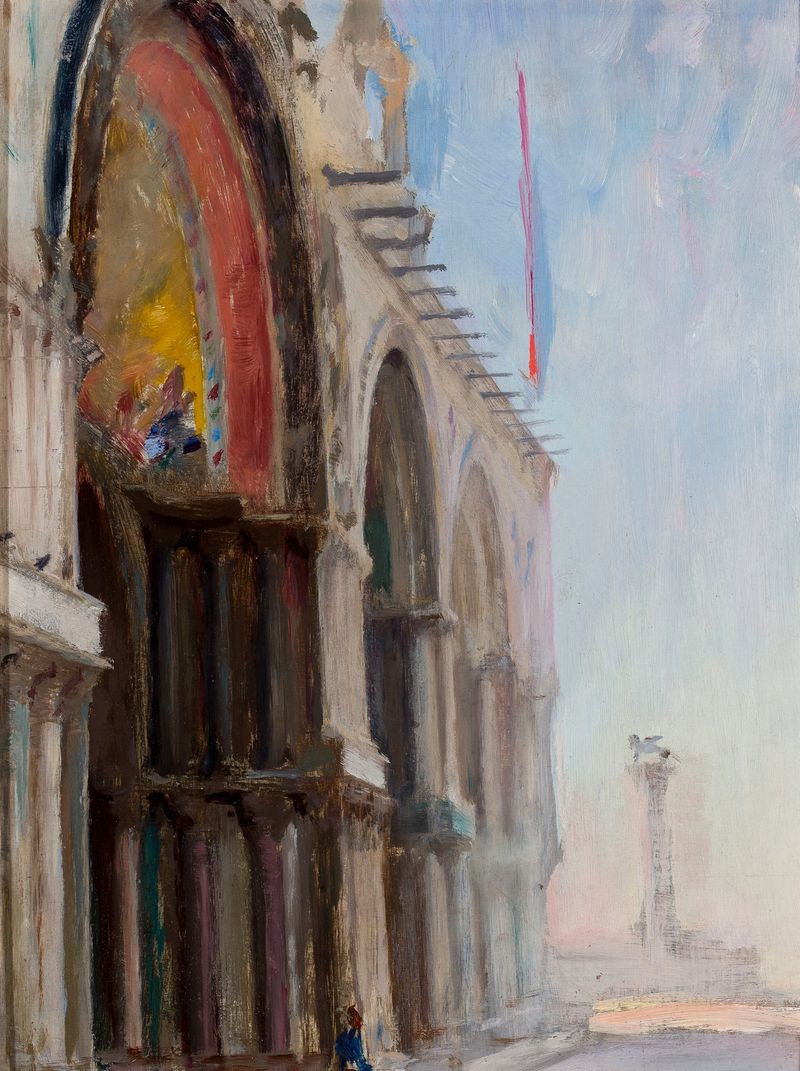
Venice – San Marco. From the journey to Italy
Jan Ciągliński
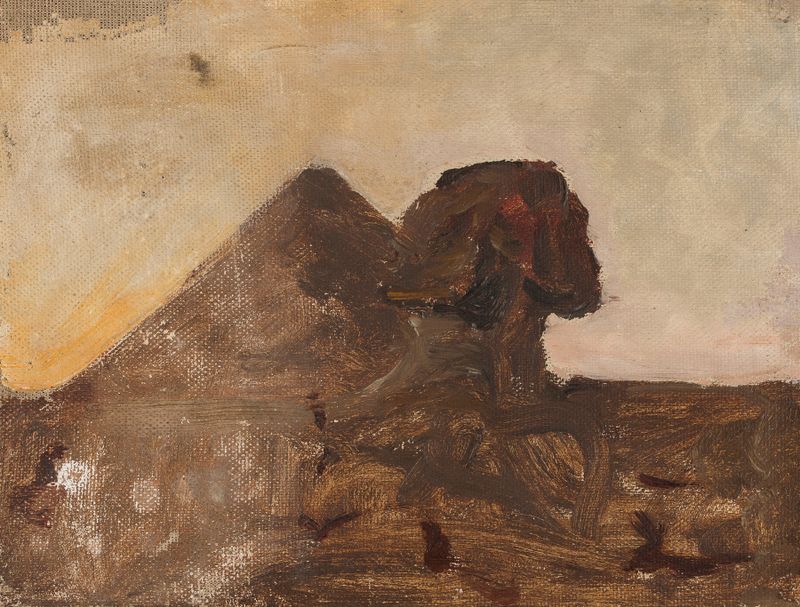
Evening in the desert – Sphinx and pyramid. From the journey to Egypt
Jan Ciągliński





