
Corner of Stone and Wood Building, with Inscription on Wall — History & Facts
In the quiet corners of a city, where the relentless march of progress meets the remnants of the past, the weight of history lingers. A mere building, yet it breathes stories of revolution—echoes of dissent and hope entwine in its weathered stones. Each inscription on the wall whispers secrets of those who stood against the tide, their voices suspended in time. Focus your attention on the inscription itself, carved with deliberate intent into the stone.
The texture of the letters contrasts starkly against the rough surface, inviting you to trace your fingers along its edges. Look closely at how the light kisses the contours of the building, revealing a dance of shadows that play upon the wood and masonry. The muted palette, dominated by earthy tones, grounds the viewer, while hints of green moss remind us of nature's perseverance amidst human endeavor. The tension between the building's solidity and the fragility of its message conveys a poignant commentary on the nature of resistance.
The juxtaposition of stone and wood symbolizes the blend of the old world with the new, embodying a clash of ideas and ideologies. Each detail, from the cracks in the facade to the overgrown vines, echoes the passage of time, reminding us that the fight for change is often both enduring and precarious. In 1785, Willey Reveley found himself amidst a landscape of political upheaval and artistic innovation. Living in England, he witnessed the stirrings of revolution not only abroad but within his own culture, as art began to reflect deeper societal changes.
As he captured this unassuming yet profound scene, it was a period marked by the search for identity and meaning amidst the shifting tides of history.
More Artworks by Willey Reveley
Browse all →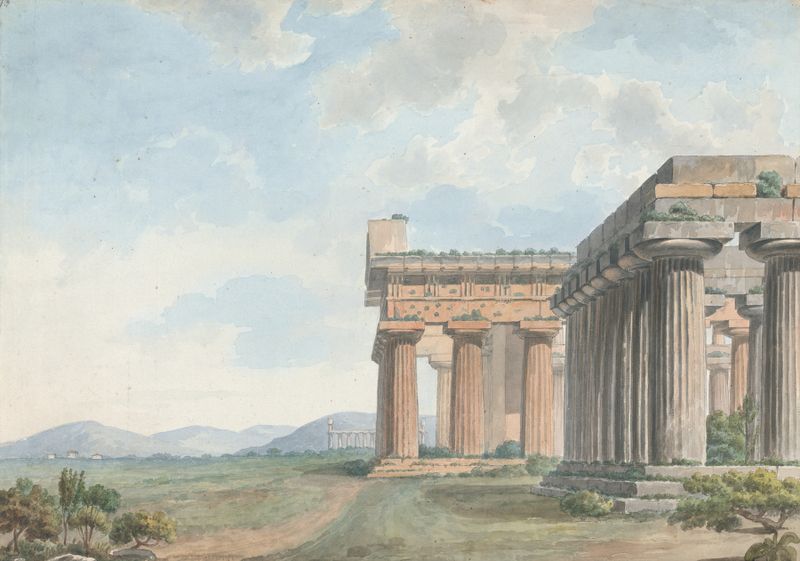
Temple Ruins at Paestum
Willey Reveley
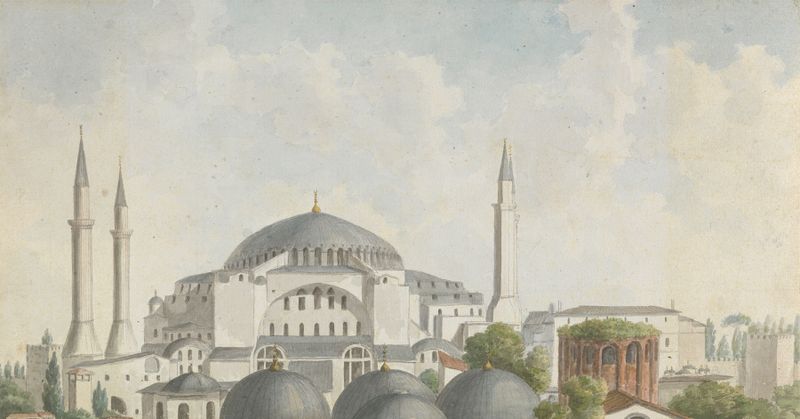
View of the domes and spires of Hagia Sophia, Istanbul
Willey Reveley
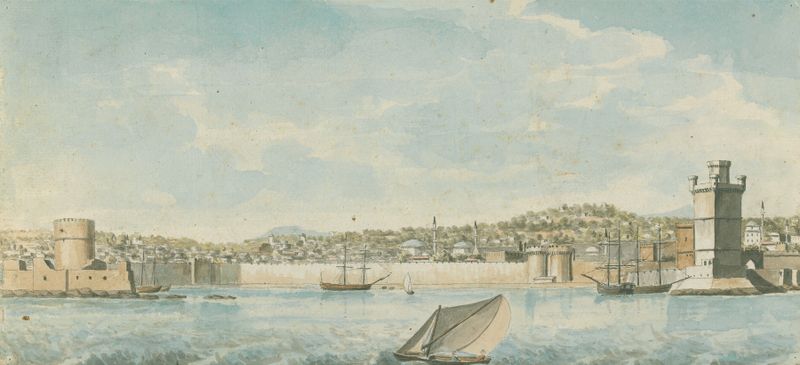
View of a Walled Town and Harbour with Towers Seen From the Sea
Willey Reveley
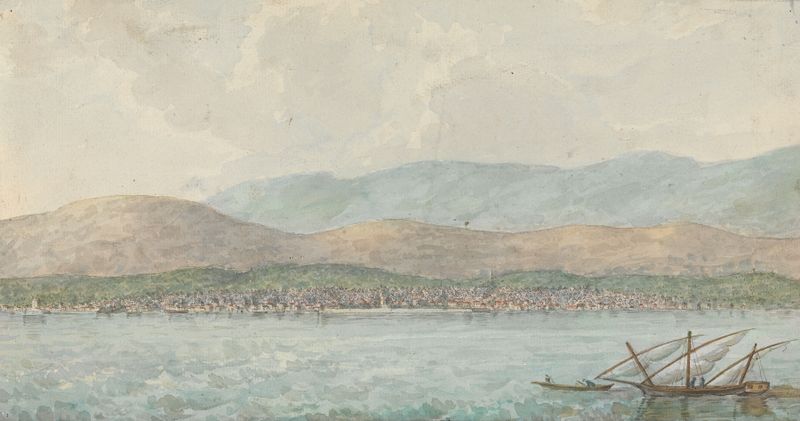
View of a Harbour and Town From the Sea, Turkey
Willey Reveley
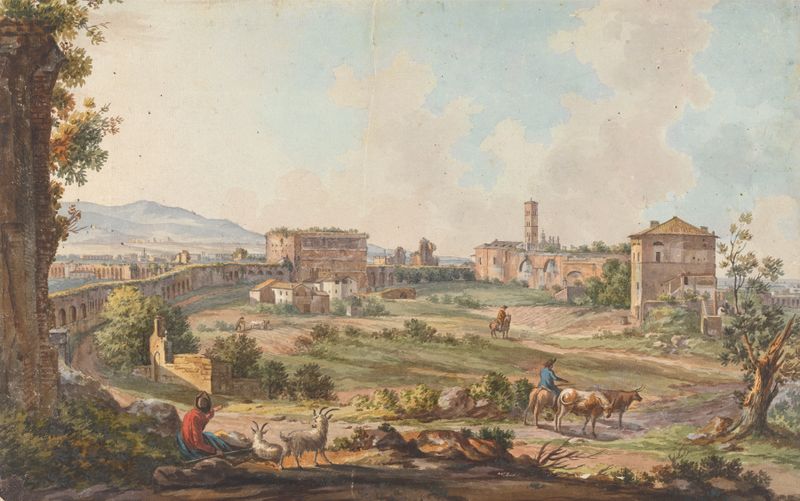
Ruins in Rome with Goats, Cows and Herdsmen
Willey Reveley
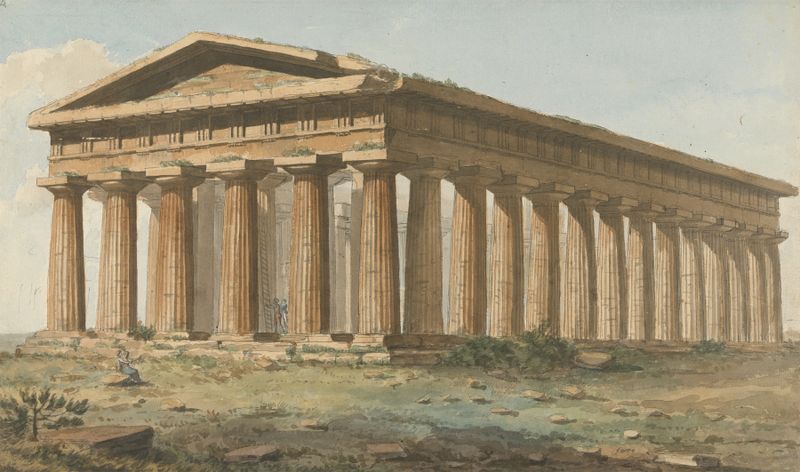
Paestum
Willey Reveley
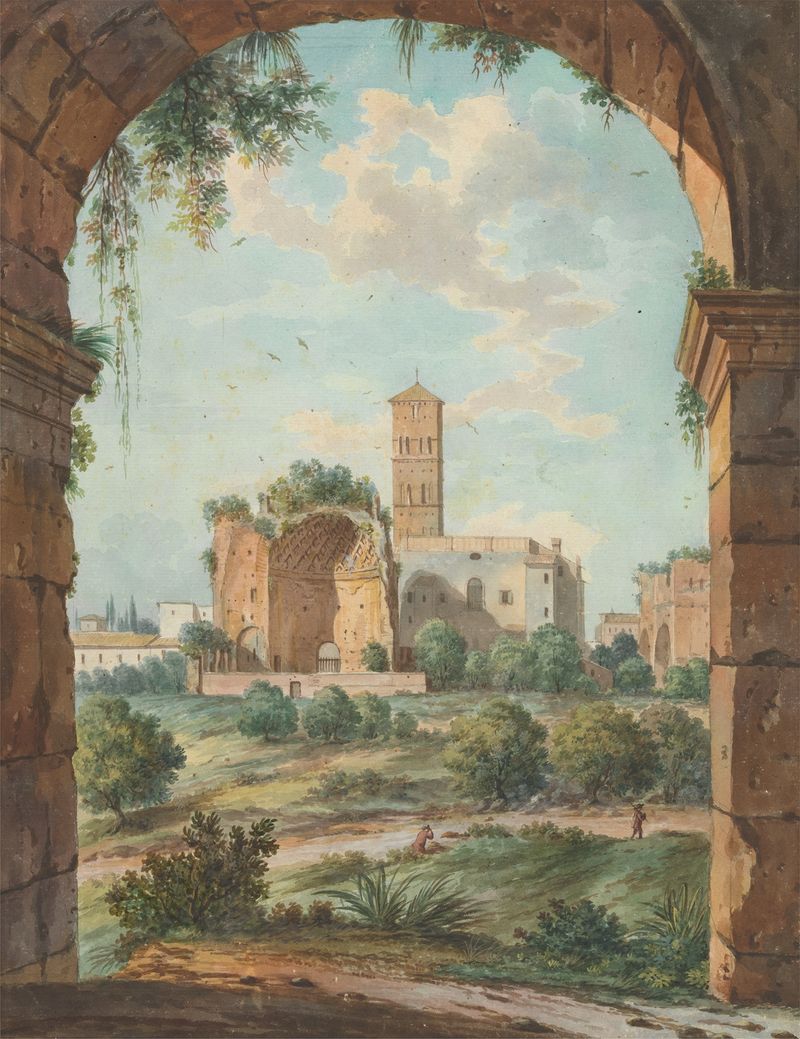
Rome with Ruins seen Through an Archway
Willey Reveley
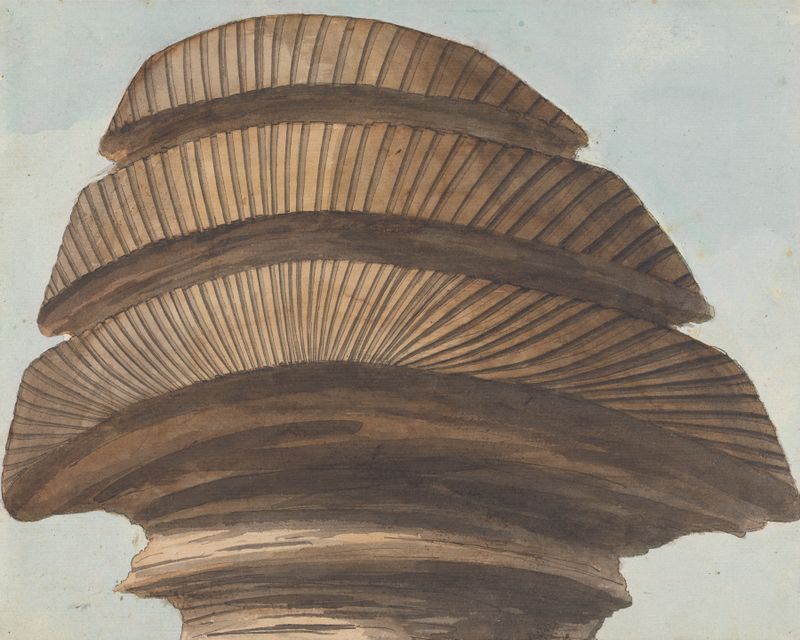
Back View of the Head of the Sphinx
Willey Reveley
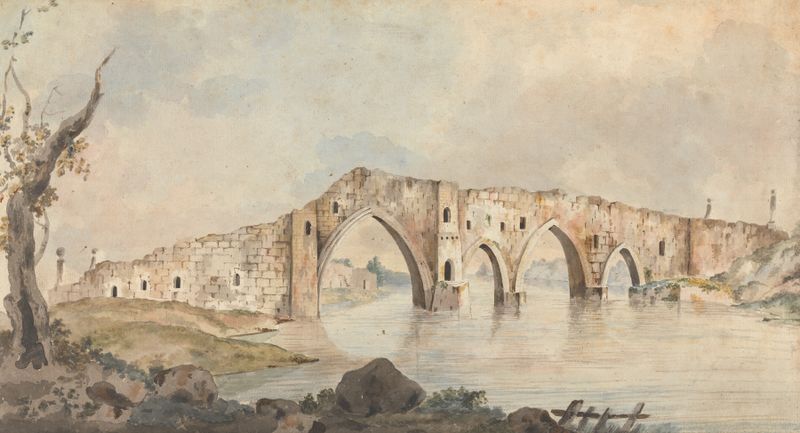
Ruined Bridge with Four Pointed Arches Near Rome
Willey Reveley
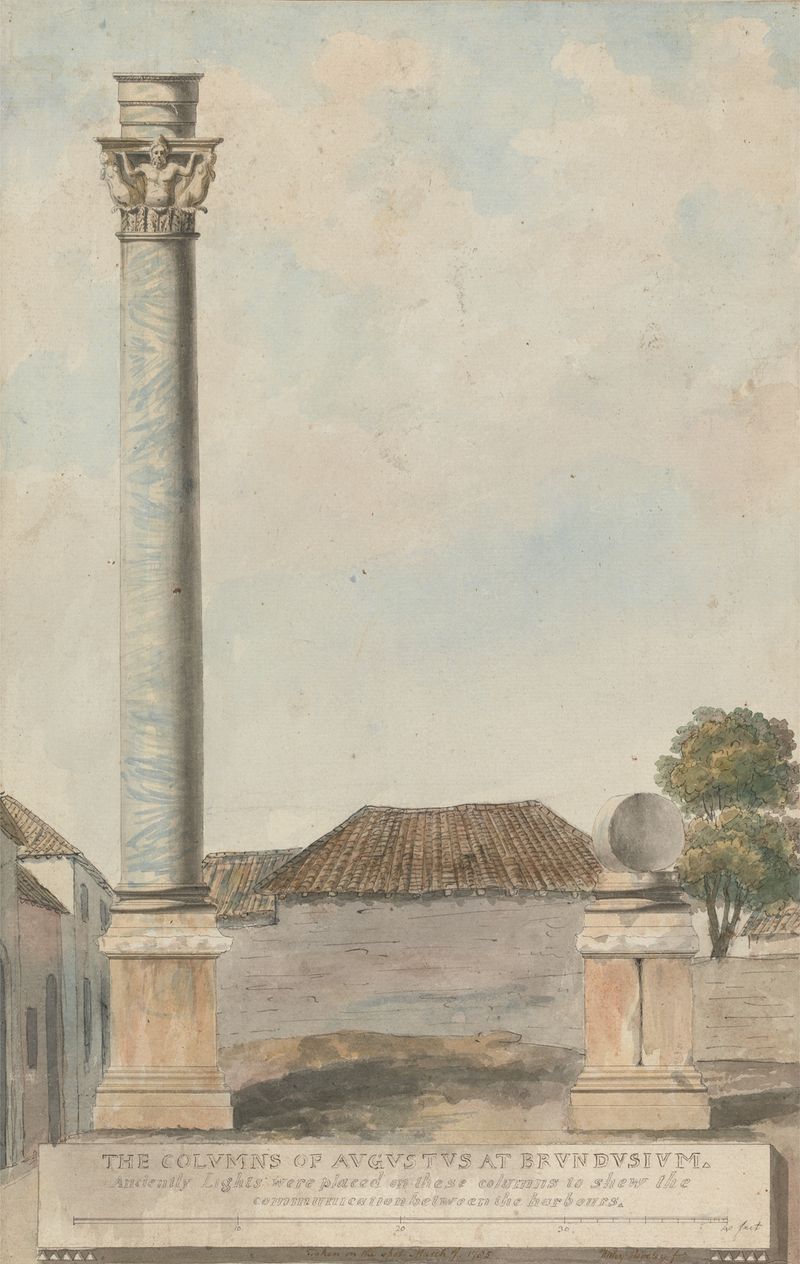
The Columns of Augustus at Brundisium
Willey Reveley
More Architecture Art
Browse all →
The statue of Liberty
Frédéric Auguste Bartholdi

View of Houses in Delft, Known as ‘The Little Street’
Johannes Vermeer

View of Houses in Delft, Known as ‘The Little Street’
Johannes Vermeer

The Cathedral in Rouen. The portal, Grey Weather
Claude Monet

The yellow house
Vincent van Gogh

The Church in Auvers-sur-Oise, View from the Chevet
Vincent van Gogh