
Cornfield Ivinghoe — History & Facts
Can beauty exist without sorrow? In Cornfield Ivinghoe, the canvas whispers tales of what was lost, mingling the vibrant hues of nature with an undercurrent of unspoken regret. Look to the bottom left at the rich, golden stalks swaying gently in the breeze, illuminated by a warm sun setting just beyond view. Notice how each blade catches the light, creating a tapestry of gold and green that draws the eye upward to the deepening sky. The clouds hang heavy and tumultuous, their shadows creating a contrast that speaks of fleeting moments where joy and melancholy coexist.
The composition invites the viewer to roam through the field, feeling the tension between the exuberance of life and the weight of past betrayals. Delve deeper into the scene and observe the play of light and shadow—every illuminated patch of earth hints at hidden stories, while the ominous clouds suggest an impending storm. There’s an emotional resonance in the juxtaposition, echoing the ache of love and loss, as if the beauty of the landscape is forever entwined with a past that still lingers. Each element, from the trembling grasses to the dramatic skies, evokes a sense of longing for what could have been, inviting contemplation on nature's capacity to harbor both bliss and heartbreak. In 1888, Sir Frank Short was immersed in the British arts scene, exploring the rich textures of etching and painting.
As he painted in Ivinghoe, he sought to capture the essence of the English countryside, a period marked by personal and artistic exploration. It was a time when many artists were turning towards the natural world, reflecting their own struggles through landscapes that bore witness to both beauty and the complexities of human emotion.
More Artworks by Sir Frank Short
Browse all →
Morning Haze in Chichester Harbor
Sir Frank Short
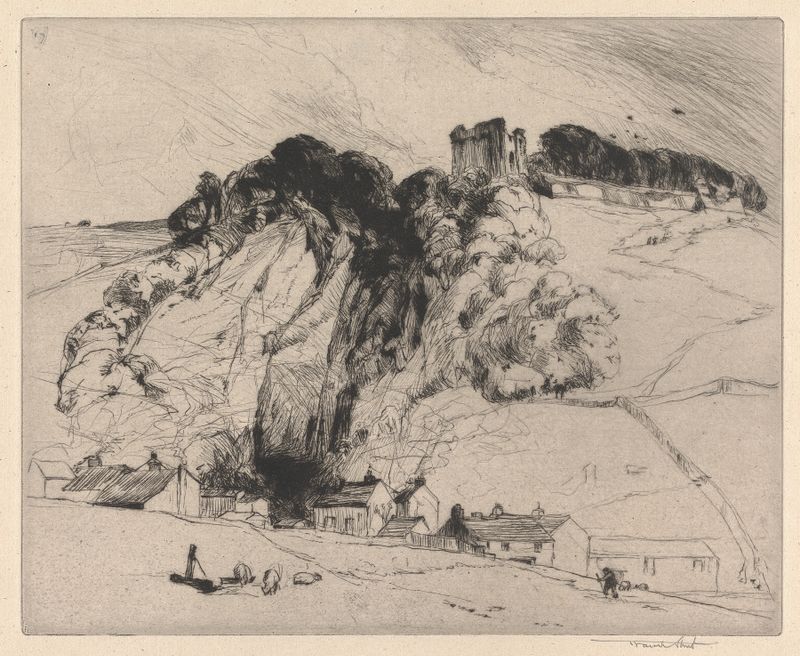
Peveril’s Castle, Derbyshire
Sir Frank Short
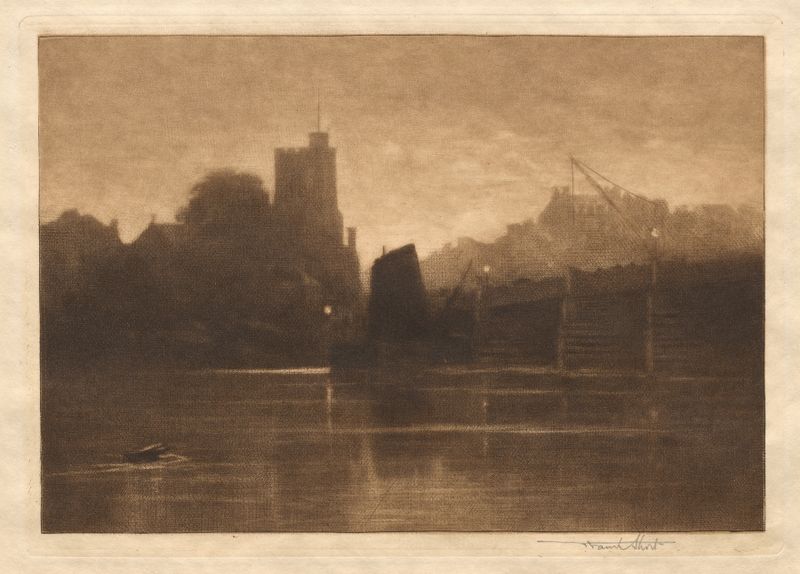
Ebb Tide, Putney Bridge
Sir Frank Short
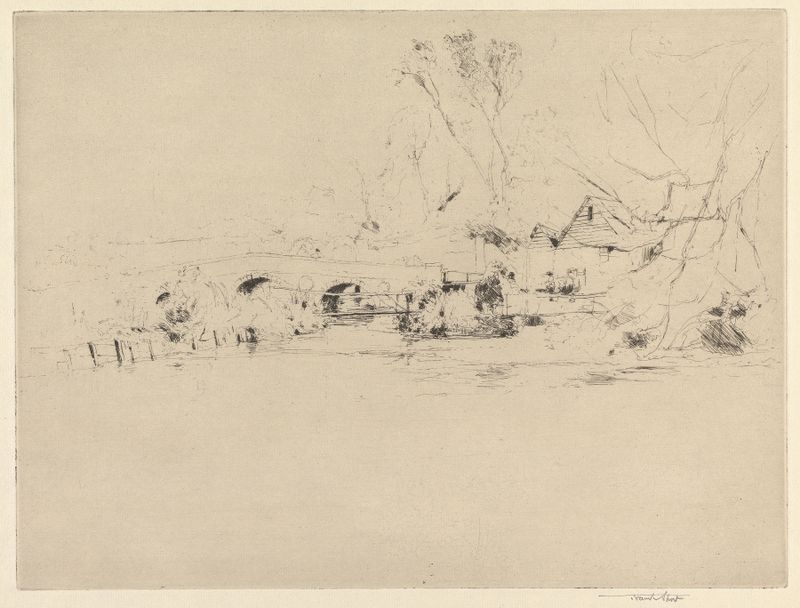
Old Mill on the Wandle, at Mitcham
Sir Frank Short

Moonlight on the Medway at Chatham
Sir Frank Short

Parkgate
Sir Frank Short
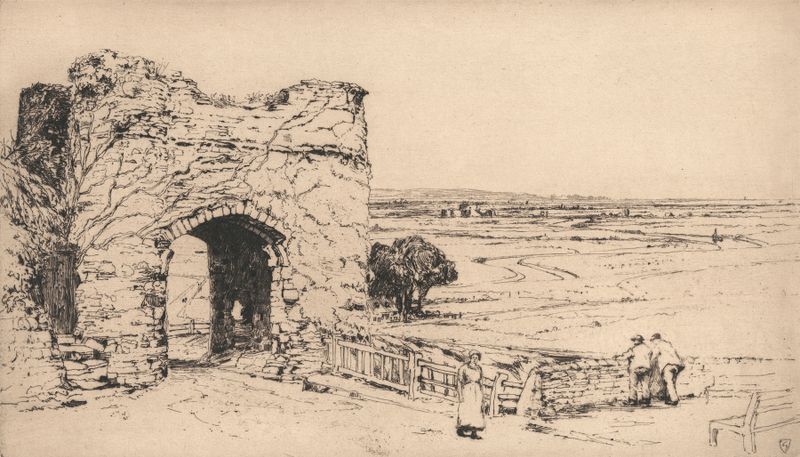
The Strand Gate, Winchelsea
Sir Frank Short

Bridgenorth
Sir Frank Short
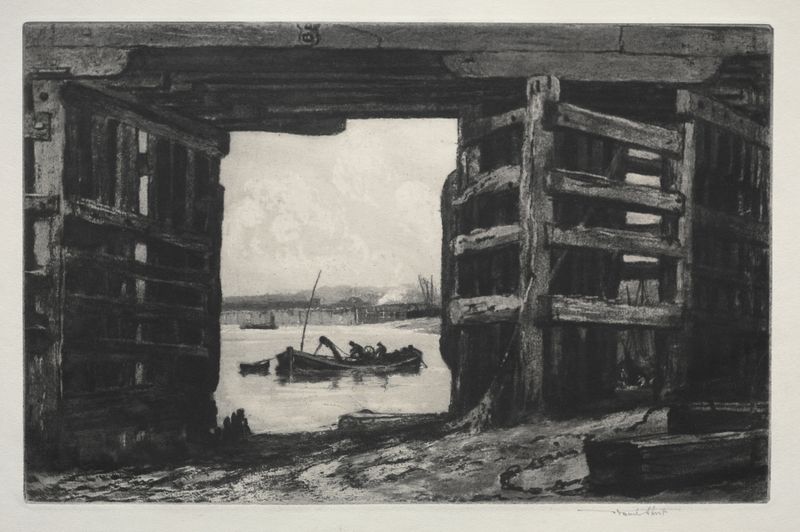
A Span of Old Battersea Bridge
Sir Frank Short

The Rope Walk, Spittal Bridge Whitby
Sir Frank Short





