Cottage Near Pond — History & Facts
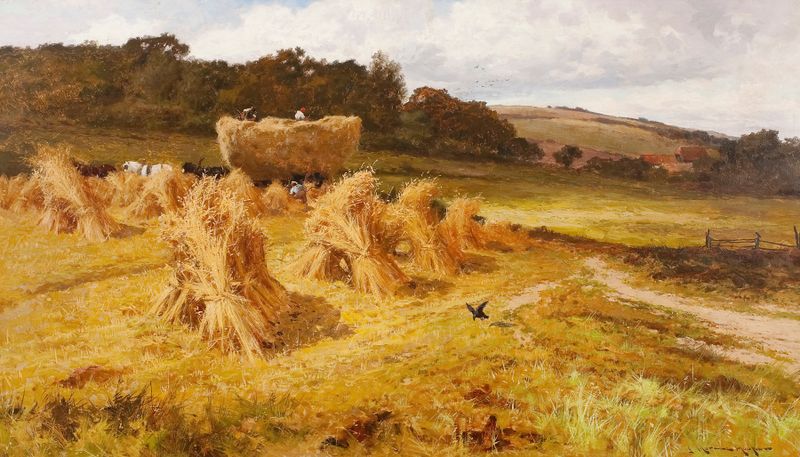
When did color learn to lie? A single glance at this enchanting landscape reveals the paradox of beauty, where vibrant hues dance in defiance of reality. First, look to the foreground, where a tranquil pond, its surface shimmering with reflections of green and gold, draws us in like a whisper. Notice how the artist employs bold strokes to create the illusion of movement in the water, while the cottage nestled amid the trees beckons with soft, inviting tones. The delicate balance of light and shadow plays a crucial role, bathing the scene in warmth while hinting at the mysteries hidden within the foliage. As you explore further, the stark contrast between the serene pond and the looming shadows of the trees conveys a deeper tension.
The cottage, a symbol of human presence, stands in harmony with nature yet feels vulnerable against the encroaching dark. This juxtaposition invites contemplation on the relationship between civilization and the wilderness, suggesting a fragile coexistence that may one day tip into chaos. Created in the early 20th century, this work reflects the artist's engagement with the burgeoning movements of Impressionism and Post-Impressionism. During this time, the art world was undergoing a profound transformation, as artists began to challenge traditional representation and explore color theory.
Hooper's choice of palette and technique captures the revolutionary spirit of the era, celebrating nature while simultaneously questioning the boundaries of perception.