
Coucher de soleil — History & Facts
In Coucher de soleil, a revelation unfolds, capturing the transient beauty of the world just before night descends. Look to the horizon where the sun dips low, painting the sky with vibrant shades of orange, pink, and deep violet. The tranquil water mirrors this spectacle, creating a seamless connection between sky and sea. Notice how the gentle brushstrokes in the clouds evoke movement, as if they are whispering secrets to the onlookers below.
The cool, dark silhouettes of distant land masses frame the scene, drawing your gaze to the vivid interplay of colors at the center of the canvas, where day meets dusk. Beneath the serene exterior lies an emotional tension: the fleeting nature of beauty and the inevitability of change. The juxtaposition of the warmth of the sunset against the encroaching darkness serves as a poignant reminder of life’s ephemeral moments. The reflected light on the water invites contemplation, while the darkening horizon alludes to the mysterious depths of the unknown.
In this delicate balance, Ziem captures the essence of existence — a moment suspended between light and shadow. Félix Ziem painted Coucher de soleil during a period marked by his exploration of landscape and seascape in France, between 1850 and 1860. At this time, he was gaining recognition for his ability to evoke atmospheric effects through color and light. The art world was experiencing shifts towards Impressionism, yet Ziem maintained a unique style, blending realism with a touch of romanticism, reflecting both his personal experiences and the broader artistic currents of his time.
More Artworks by Félix Ziem
Browse all →
Venise
Félix Ziem
Coucher De Soleil À Venise
Félix Ziem
Constantinople
Félix Ziem
La place Saint-Marc, inondation de 1863
Félix Ziem
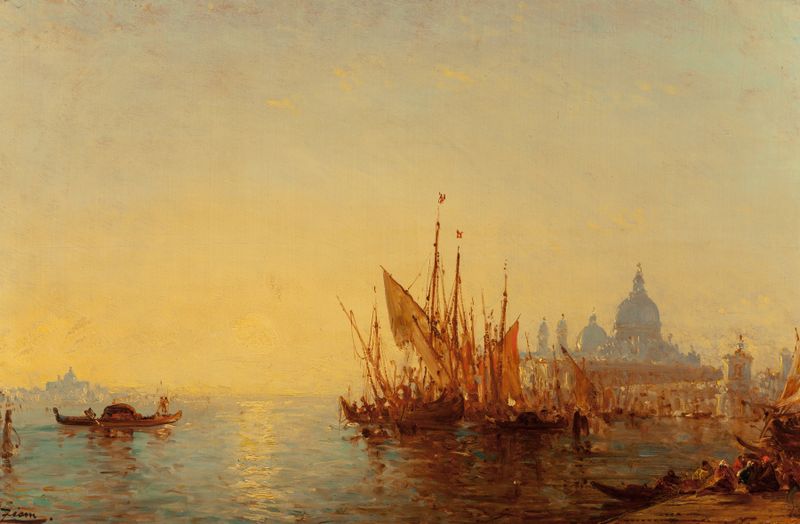
Bacino di San Marco
Félix Ziem
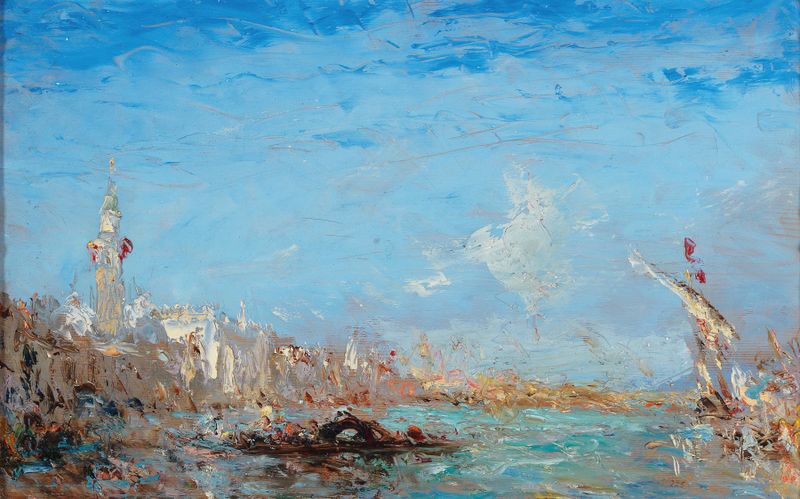
Canal Grande
Félix Ziem
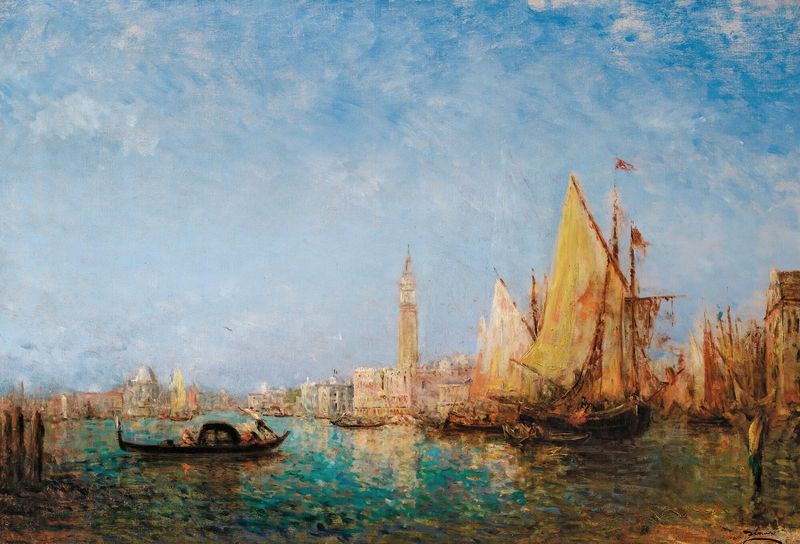
Le Palais Du Doge, Venise
Félix Ziem
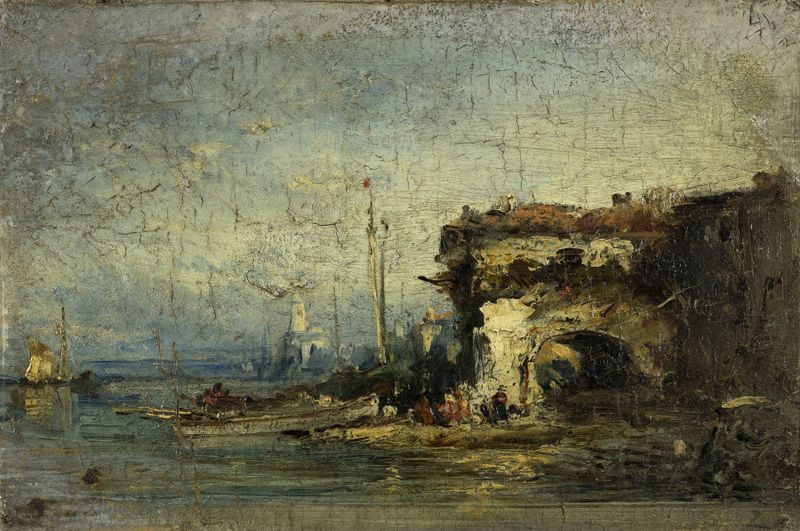
Vue d’Italie; la vieille porte
Félix Ziem
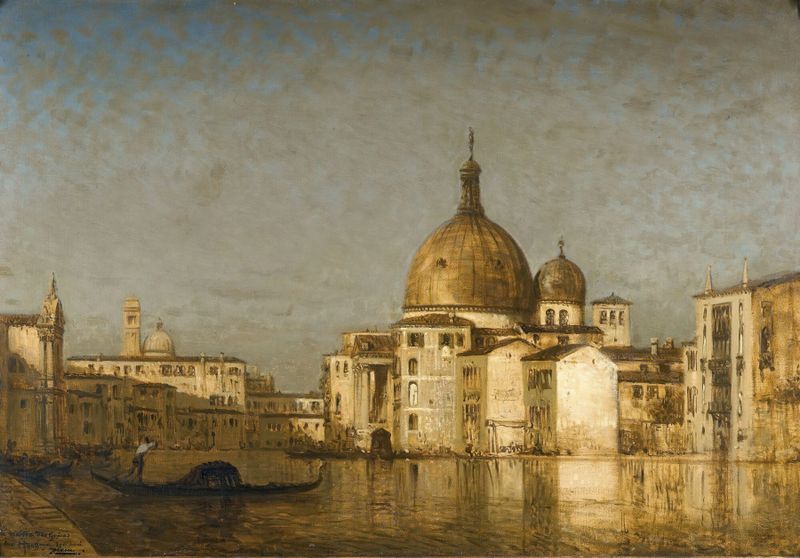
San Simeone Piccolo Au-Delà Du Grand Canal, Venis
Félix Ziem
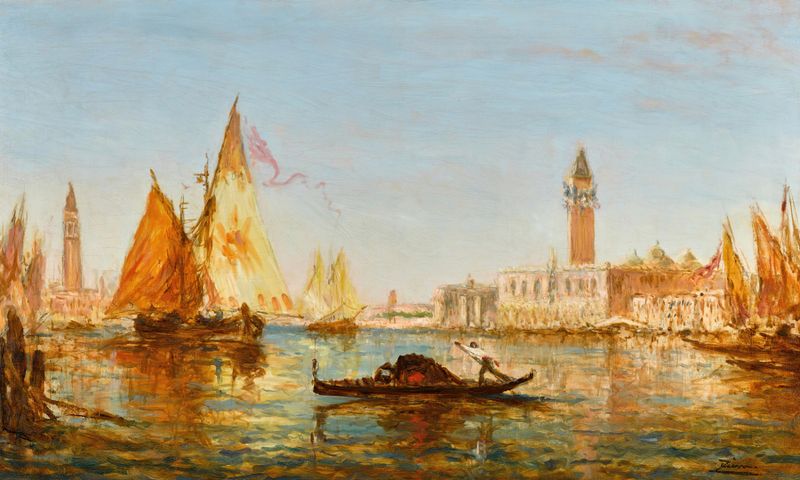
Venise, gondole et voiliers devant le Palais des doges et San Giorgio Maggiore
Félix Ziem





