Coucher de soleil — History & Facts
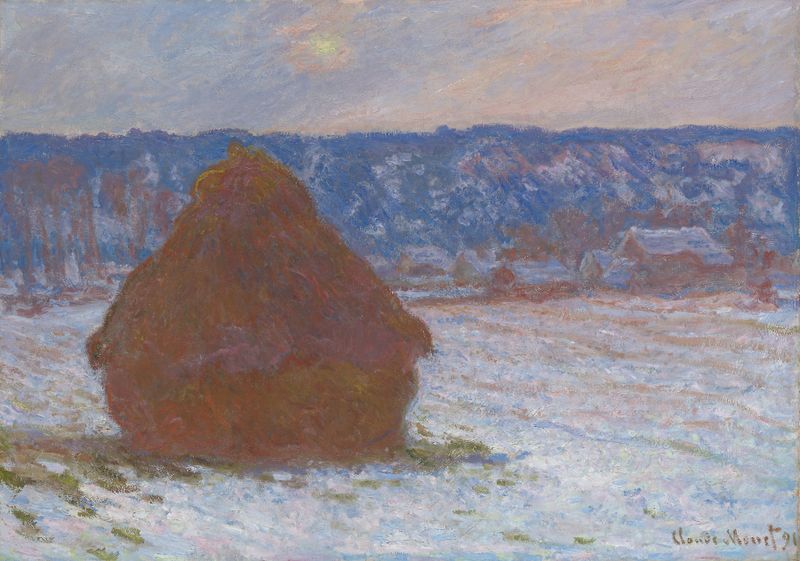
Could beauty survive in a century of chaos? In Coucher de soleil, the answer lies in a symphony of color and light, painting a world where tranquility reigns amidst the tumult of life. Look to the horizon, where soft oranges and tender pinks melt into deep blues, capturing the fleeting moment of twilight. The sun, a fiery orb, casts a shimmering reflection across the water, while gentle brushstrokes convey the delicate ripples that dance in response. Note how the muted greens of the landscape cradle this luminous spectacle, drawing the viewer's gaze toward the serene interplay of color, whispering a promise of peace. Yet, beneath this serene beauty lies an emotional tension.
The stillness of the scene belies the turbulent emotions of the era as societal upheaval stirred just beyond the canvas. This juxtaposition of calm and chaos invites contemplation of fleeting beauty, as if each brushstroke is a reminder that such moments can be both ephemeral and profound. The artist captures not just the sunset, but the essence of longing and reflection, inviting us to ponder our own search for solace amidst uncertainty. In 1868, during the heights of the Impressionist movement, Monet found himself experimenting in the coastal town of Étretat, France.
The art world was in the midst of transformation, as traditional techniques fell away in favor of capturing the immediacy of light and atmosphere. It was here, amidst the sweeping skies and changing tides, that he painted this work, embodying both the new vision of art and a personal quest for serenity.