
Coucher de Soleil derrière les Arbres — History & Facts
What secret hides in the quiet of the canvas? In Coucher de Soleil derrière les Arbres, the gentle embrace of twilight beckons the viewer into its melancholic depths, revealing a world caught between day and night. Look to the left at the soft silhouettes of trees, their branches reaching out like fingers grasping for the last remnants of sunlight. Notice how the warm hues of golden orange and deepening violet blend harmoniously, creating a tender yet somber atmosphere. The brushwork is delicate, almost ethereal, allowing the light to dance across the landscape and breathe life into the scene, while hints of blue peek through, suggesting an impending darkness. Amidst the tranquil beauty lies a poignant contrast; the vibrancy of the sunset is tempered by the encroaching shadows.
This juxtaposition evokes a sense of loss, as the day surrenders to night, encouraging reflection on time's passage and the fleeting nature of beauty. The composition invites a contemplative pause, the viewer left to ponder what is left unsaid in the silence of dusk. In 1909, Lepère painted this piece during a pivotal time in his career, as he explored the nuances of landscape and atmosphere. Living in a France grappling with rapid industrialization, he sought solace in the natural world, capturing brief moments of serenity against a backdrop of change.
This artwork reflects both his dedication to impressionism and his increasingly personal exploration of emotion through nature.
More Artworks by Auguste Louis Lepère
Browse all →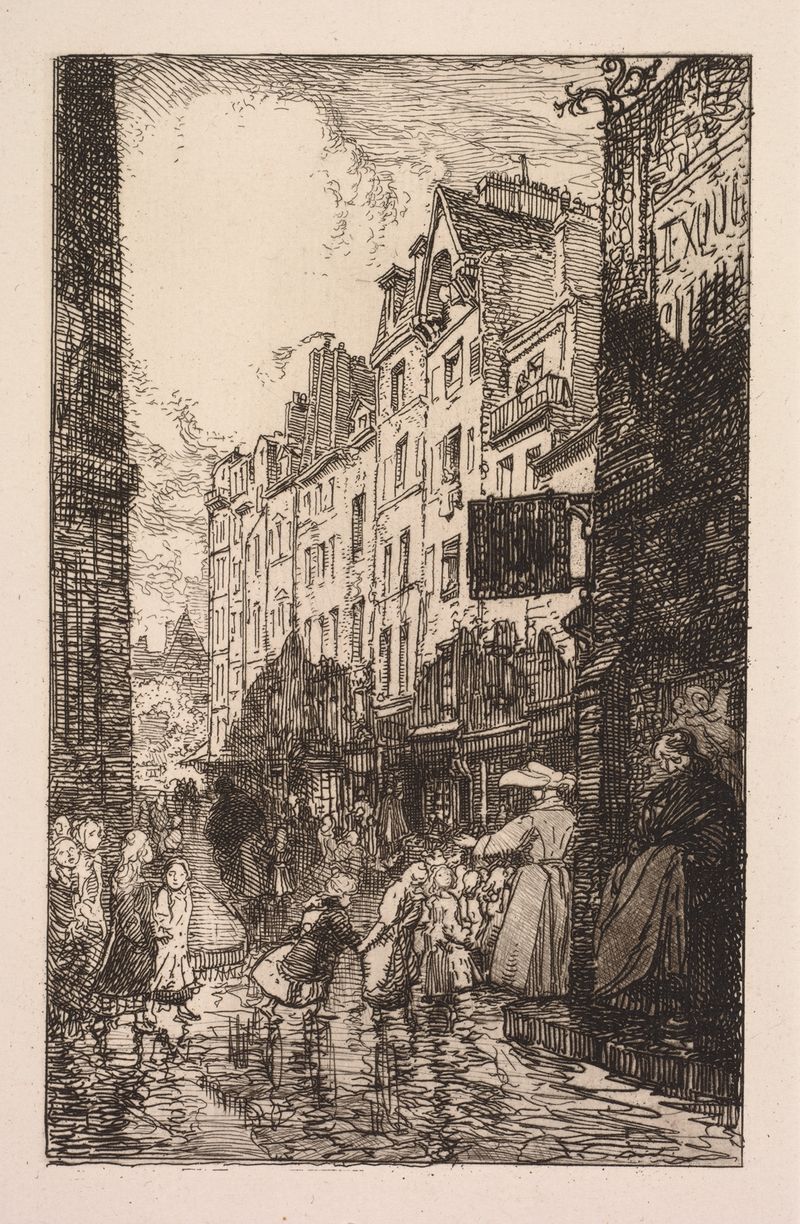
La Rue des Prêtres Saint-Séverin
Auguste Louis Lepère
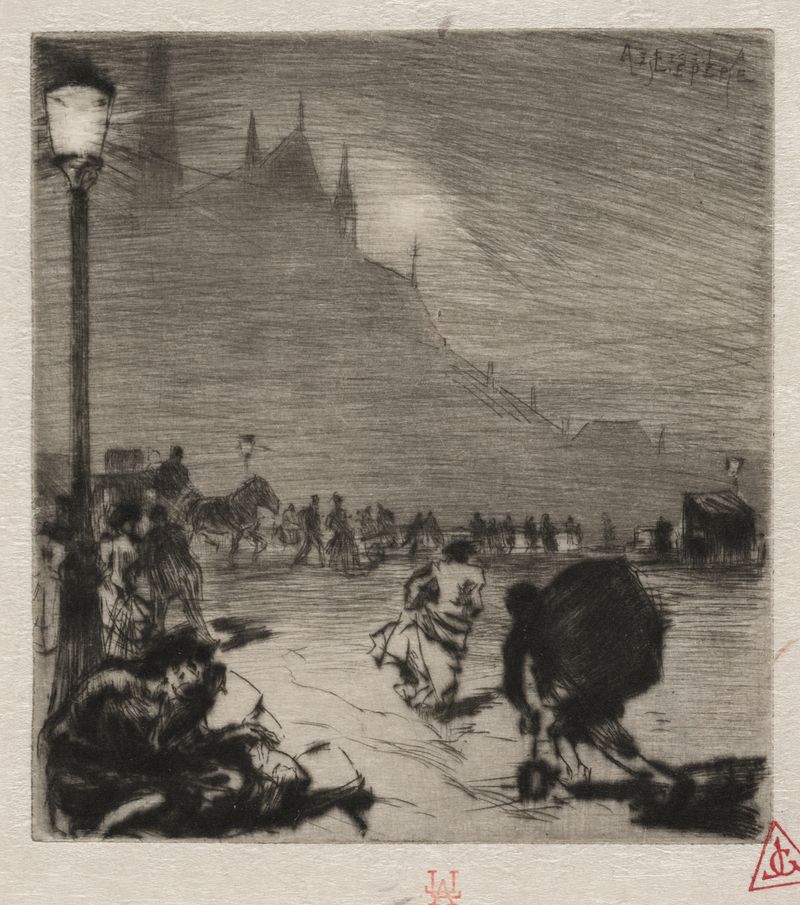
Au Coin du Pont-aux-Doubles
Auguste Louis Lepère
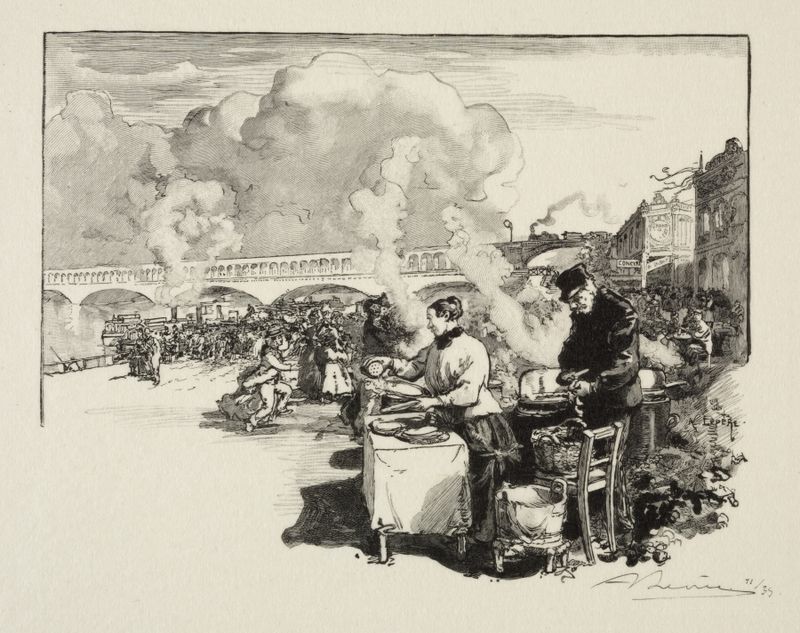
Debarcadère des bateaux-omnibus
Auguste Louis Lepère

La Seine, au quai de la Rapée
Auguste Louis Lepère
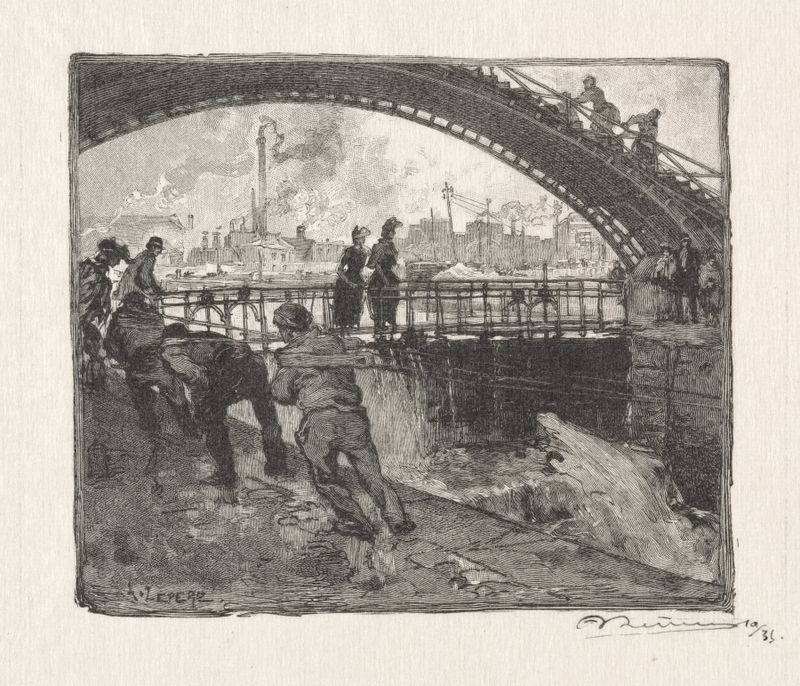
L’Ecluse du Canal St. Martin
Auguste Louis Lepère

Le Boulevard Montmartre, le Soir
Auguste Louis Lepère

Une Chasse au Mont Gérard
Auguste Louis Lepère
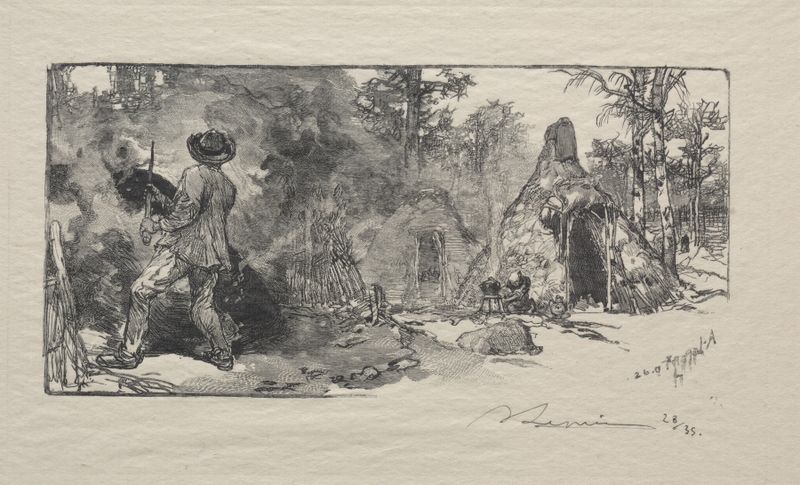
Les Charbonniere
Auguste Louis Lepère
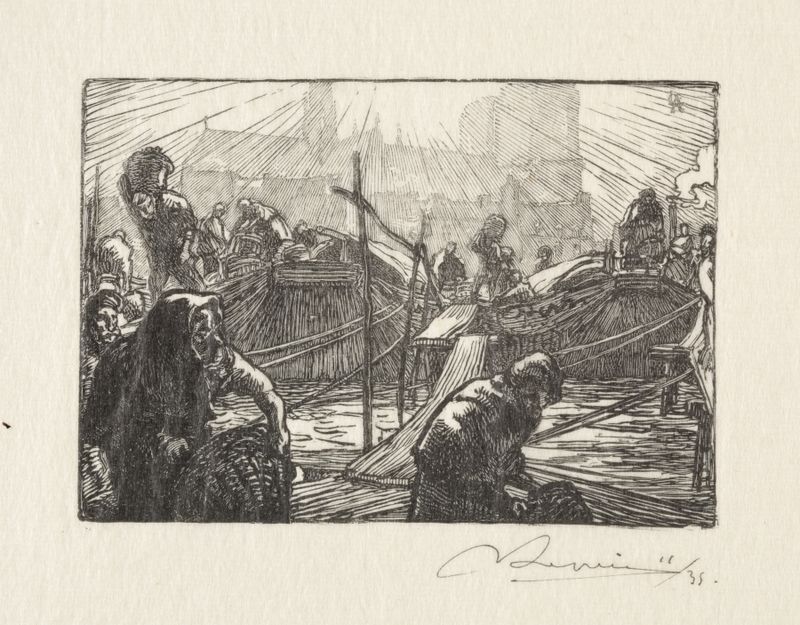
Notre Dame vue du Marché aux pommes
Auguste Louis Lepère

Le Palais des Arts Liberaux, Intèrieur
Auguste Louis Lepère





