
Couillet, La Nuit — History & Facts
Could beauty survive in a century of chaos? In Couillet, La Nuit, a tranquil nightscape emerges, offering a moment of stillness amidst the tumult of its time. The painting invites us to ponder the delicate light of a world teetering on the brink of modernity, where every flicker of illumination serves as a testament to resilience and hope. Look to the left at the soft, glowing lights that dot the horizon, contrasting with the deep blues and blacks of the night sky. Maximilien Luce employs a palette of rich, vibrant hues to encapsulate the magic of the evening, with brushstrokes that dance across the canvas, evoking the gentle movement of light reflecting off the water.
Notice how the warm tones in the buildings contrast with the cooler shades, creating a harmonious balance that draws the eye deeper into the scene, revealing the quiet life unfolding beyond the darkness. Within this serene composition lies a profound tension between light and shadow, a metaphor for the struggle between chaos and tranquility. The glowing lamps symbolize the human spirit, illuminating the darkness surrounding it, while the stillness of the night hints at the inevitable unrest brewing in the world outside this peaceful enclave. The juxtaposition of the vibrant lights against the enveloping darkness invites reflection on the fleeting nature of beauty amidst uncertainty. In 1896, Luce created this work during a significant period of personal and artistic growth, finding his voice in the vibrant world of Impressionism.
Living in Paris, he was influenced by the shifting social landscape and the emergence of new artistic movements that sought to capture modern life. This painting reflects his commitment to expressing beauty in a rapidly changing world, revealing the artist's desire to celebrate life's ephemeral moments even as the shadows of the century loomed large.
More Artworks by Maximilien Luce
Browse all →
Le Quai Montebello Et La Colline Sainte-Geneviève
Maximilien Luce

Le Pont-Neuf, La Seine, Petit Bras
Maximilien Luce
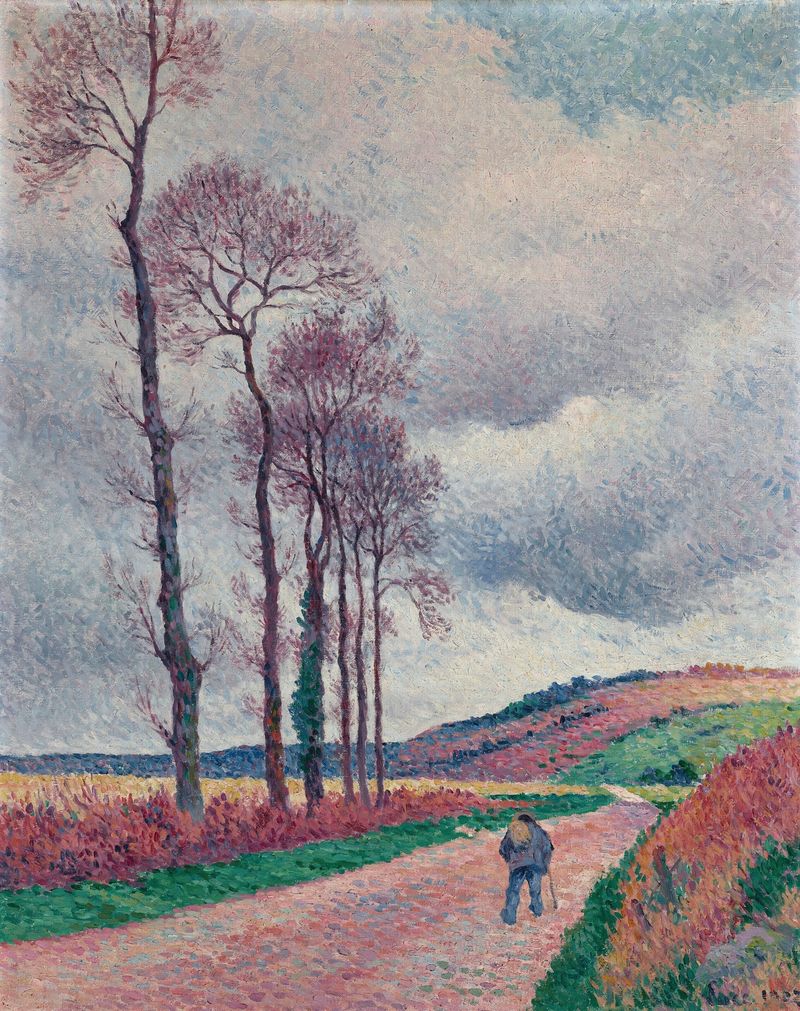
La route aux environs de Méréville
Maximilien Luce
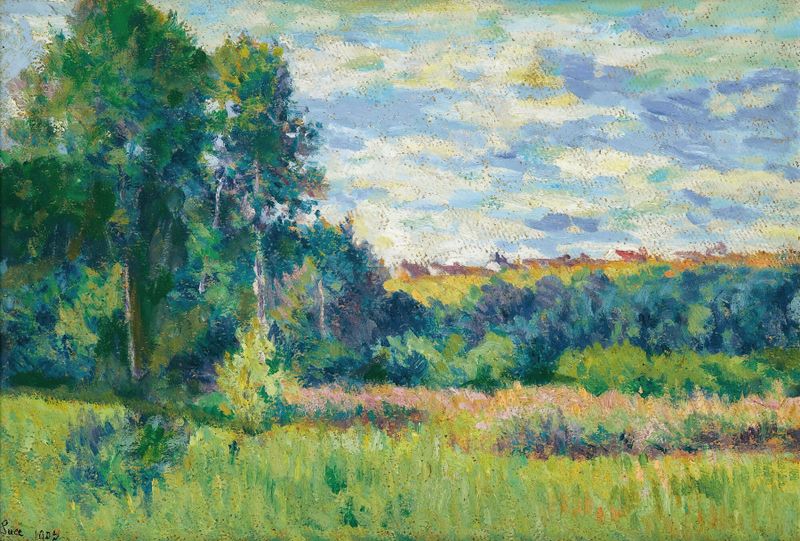
Paysage
Maximilien Luce
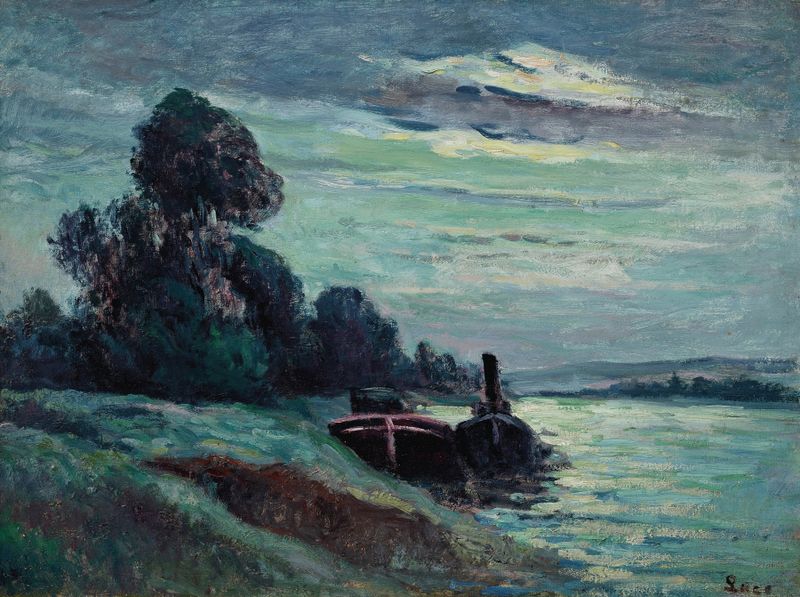
Péniches sur la Seine
Maximilien Luce

Notre Dame de Paris
Maximilien Luce
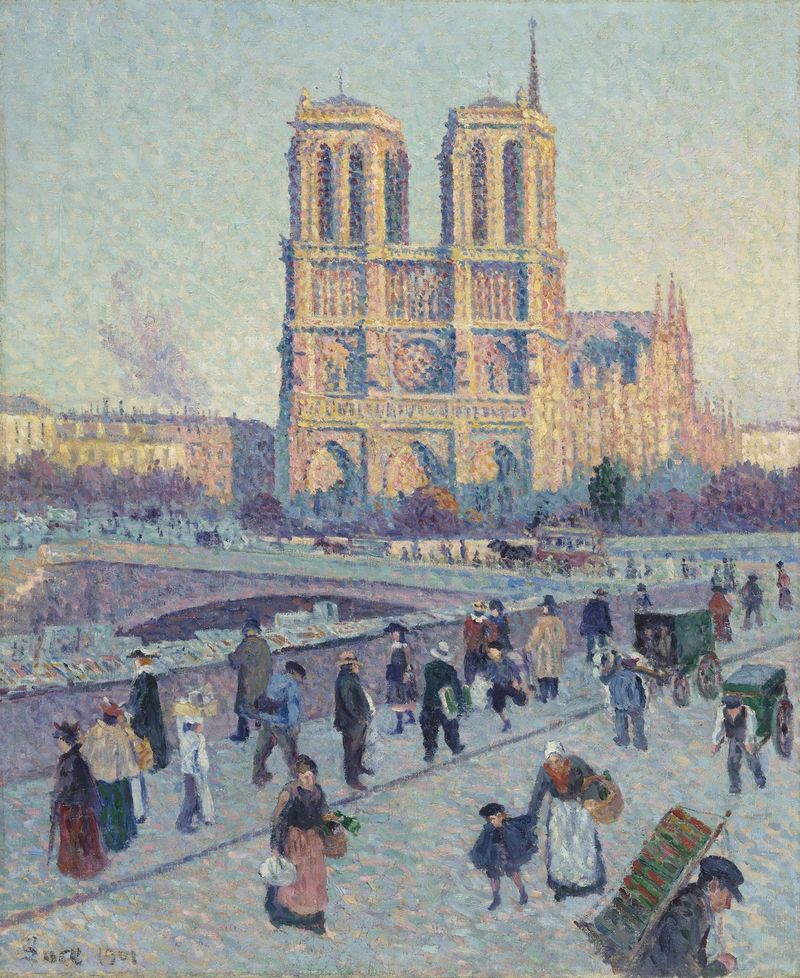
The Quai Saint-Michel and Notre-Dame
Maximilien Luce

La Seine au Pont Mirabeau
Maximilien Luce
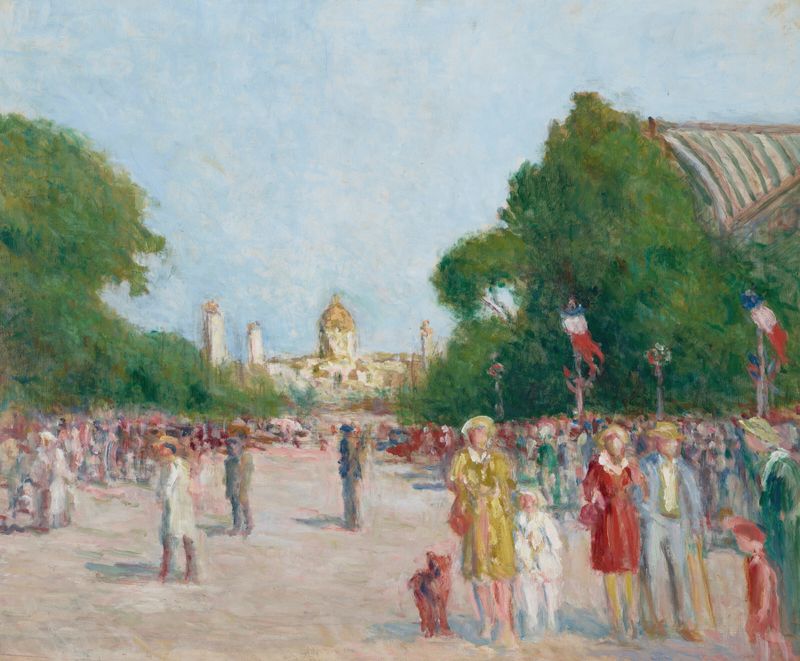
L’avenue Winston-Churchill, Paris
Maximilien Luce

Paris, Le Quartier De Vaugirard
Maximilien Luce





