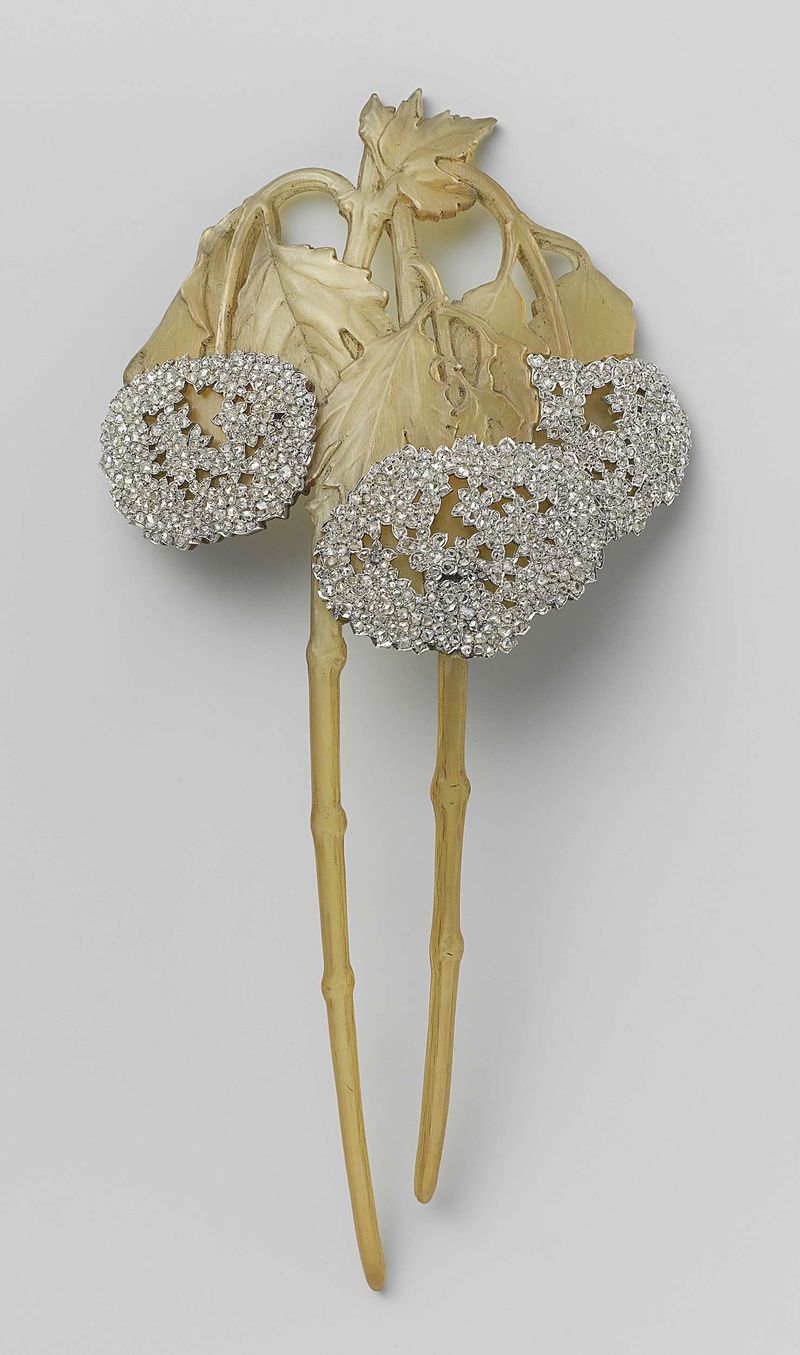
Coupon witte katoen met crêpe en gladde weefbanen — History & Facts
Who listens when art speaks of silence? In a world often filled with noise, the quiet eloquence of a woven canvas invites us to pause and reflect on the delicate threads of hope intertwined within. Focus on the texture that dances across the surface; notice how the intricate crêpe and smooth weft patterns interact in a symphony of tactile contrasts. The gentle play of light upon these weaves creates a visual rhythm, drawing the eye into the heart of the work. Each thread, a testament to the artist’s skill, weaves a narrative that transcends the boundaries of mere fabric, inviting a deeper contemplation of its layered meanings. As you delve into the details, observe the subtle variations in color and the interplay of shadow and light that suggest a hidden dialogue.
The contrast between the crêpe's delicate folds and the flatness of the smooth weave represents an emotional tension—between chaos and calm, hope and despair. This duality symbolizes the human experience, capturing both the fragility and resilience inherent in life’s fabric. During the years around 1910 to 1940, Gustav Schnitzler explored textiles as a medium that spoke profoundly about the complexities of existence. Living through a tumultuous time in Europe, he embraced the potential of fabric, transforming it into a medium that conveyed not just aesthetics, but also the nuanced emotions of a society yearning for stability amidst uncertainty.
More Artworks by Gustav Schnitzler
Browse all →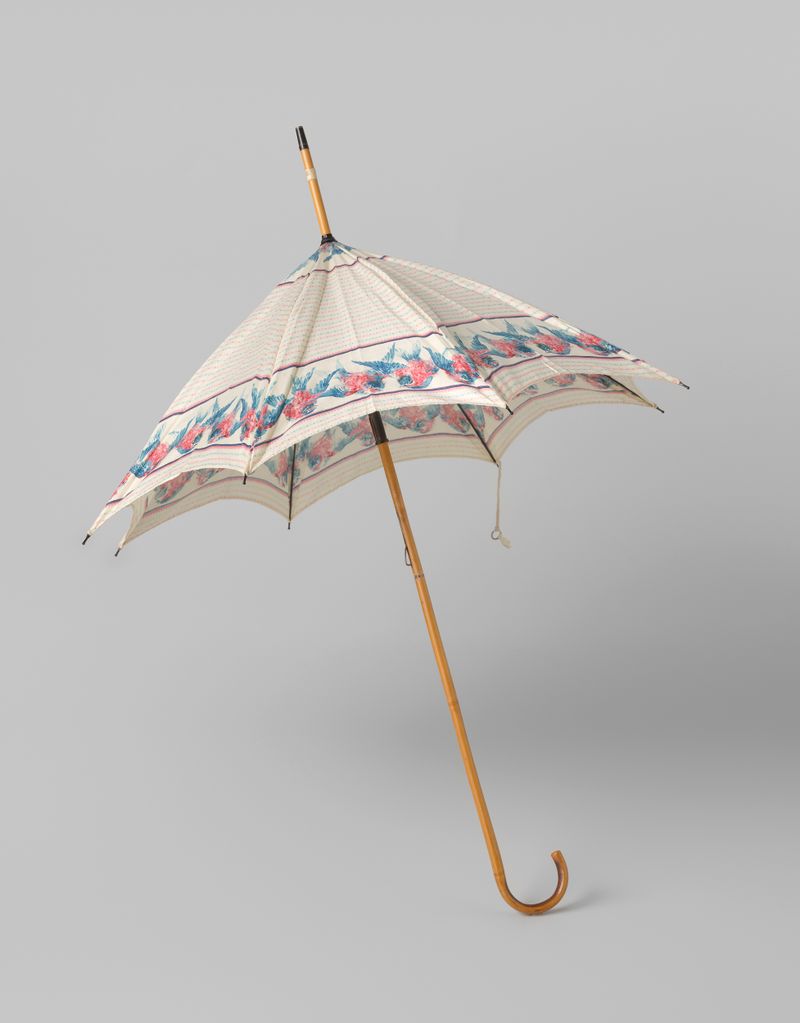
Parasol met dek witte katoen bedrukt met roze en blauwe vogeltjes, op een bamboe stok met gebogen handvat
Gustav Schnitzler
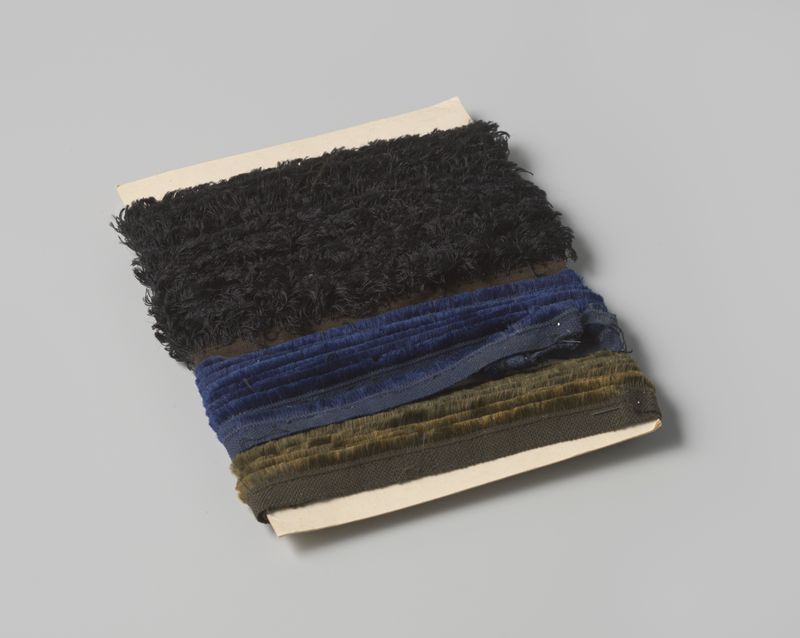
Strook zwarte franje aan bezemband, op karton
Gustav Schnitzler
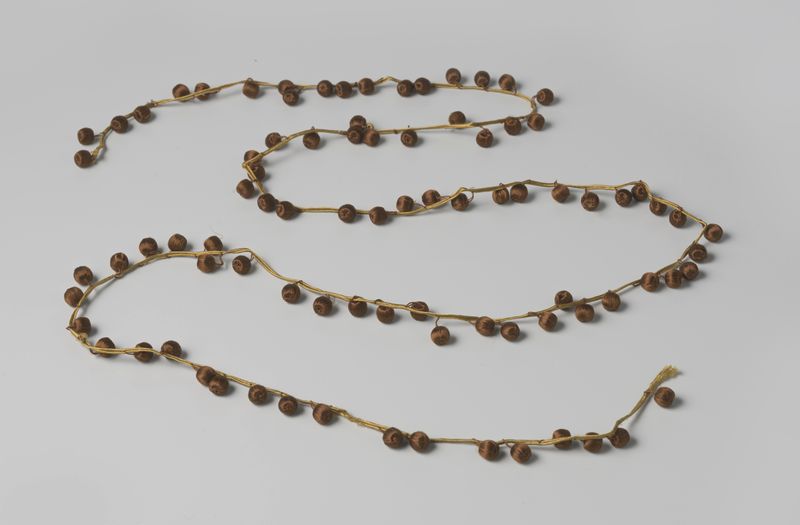
Galon, goudkleurig, waaraan pompons van bruin (zijde)draad hangen
Gustav Schnitzler
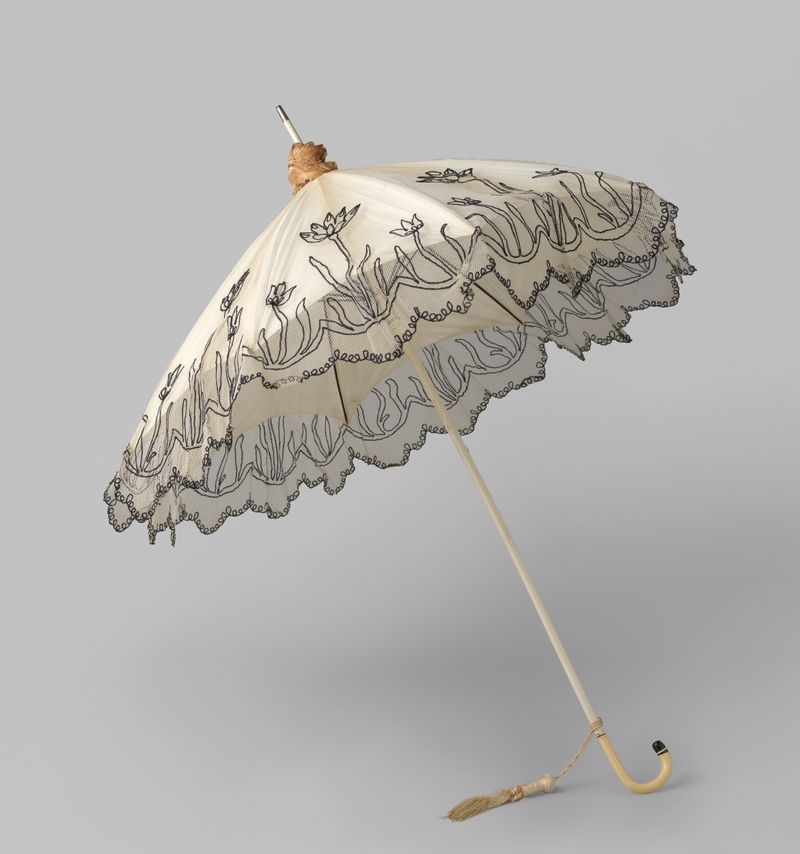
Parasol met dek van witte tule waarop zwart borduurwerk van telkens drie bloemen, op een witgeverfde houten stok, waaraan een gebogen ivoorkleurig handvat
Gustav Schnitzler

Parasol met dek van witte katoen, waartussen een strook van witte kant, op een lichte, houten stok met een ronde haak
Gustav Schnitzler

Strook franje, getand, wit en écru, gewikkeld rond een met gouden randen afgezet plankje
Gustav Schnitzler
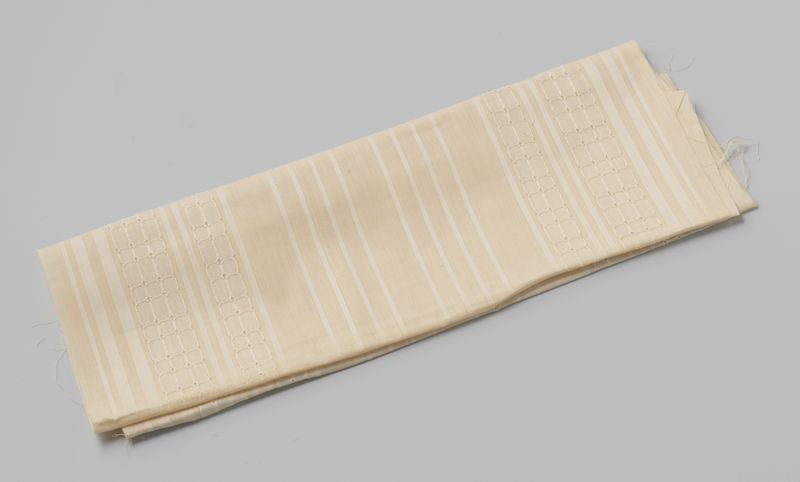
Coupon wit parasolkatoen met beige strepen aan weerszijden
Gustav Schnitzler
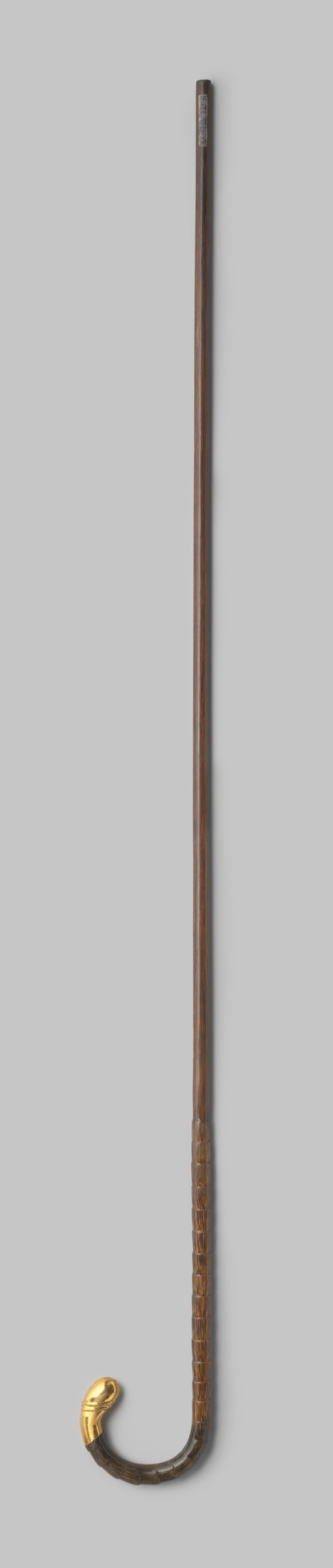
Onderstok van een parapluie of parasol van kokospalm met ronde haak en goudkleurig (verguld?) metalen uiteinde
Gustav Schnitzler

Parasol met dek van effen witte katoen met een smal meerkleurig draad langs de rand geregen, op lichte houten stok, met gebogen, ivoorkleurig handvat
Gustav Schnitzler
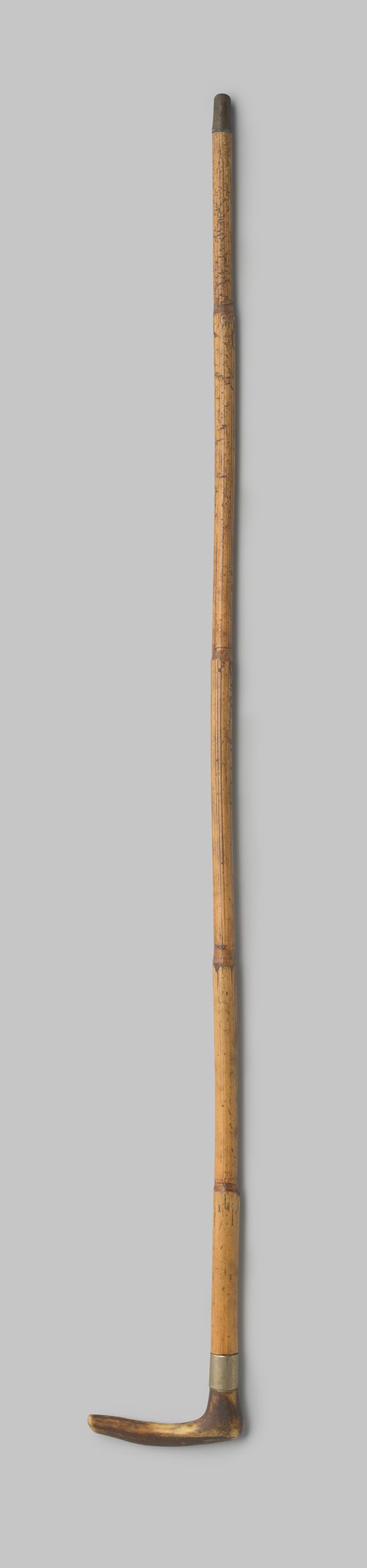
Onderstok van parasol of parapluie van bamboe met rechte haak van hertshoorn, met ring en punt van koper
Gustav Schnitzler