
Court of the Bargello, Florence — History & Facts
When did color learn to lie? The vibrant hues of nostalgia can blur the truth, wrapping us in the warmth of memories we never lived. Focus your gaze on the soft interplay of light and shadow in Court of the Bargello, Florence. Notice how the sun filters through the archways, casting intricate patterns on the cobblestones below. The cool tones of the stone contrast sharply with the sun-drenched warmth of the architecture, highlighting the serenity of a space filled with whispers of history.
Cromek’s meticulous brushwork invites you to explore every crevice and detail, from the delicate carvings that adorn the columns to the languid figures that seem to drift through time. Beneath the peaceful surface lies a tension of contrast: the stillness of the setting juxtaposed against the bustling life of Florence outside. Each shadow holds a memory, a forgotten tale of laughter or longing. The spectral quality of the colors stirs a sense of yearning, prompting the viewer to question what is real and what is merely a recollection colored by romanticism.
Here, the court becomes a sanctuary of the past, where the emotions of nostalgia entwine with the very essence of the city itself. In 1839, Cromek captured this scene during a time of great artistic exploration in Europe. Living in Florence, he was immersed in the rich heritage of the Renaissance, yet his own style reflected the evolving Romantic movement. This period marked a transition as artists began to emphasize personal emotion and the sublime, moving away from the strictures of Neoclassicism.
As Italy teetered on the edge of unification, Cromek’s work echoed a collective longing for a harmonious past.
More Artworks by Thomas Hartley Cromek
Browse all →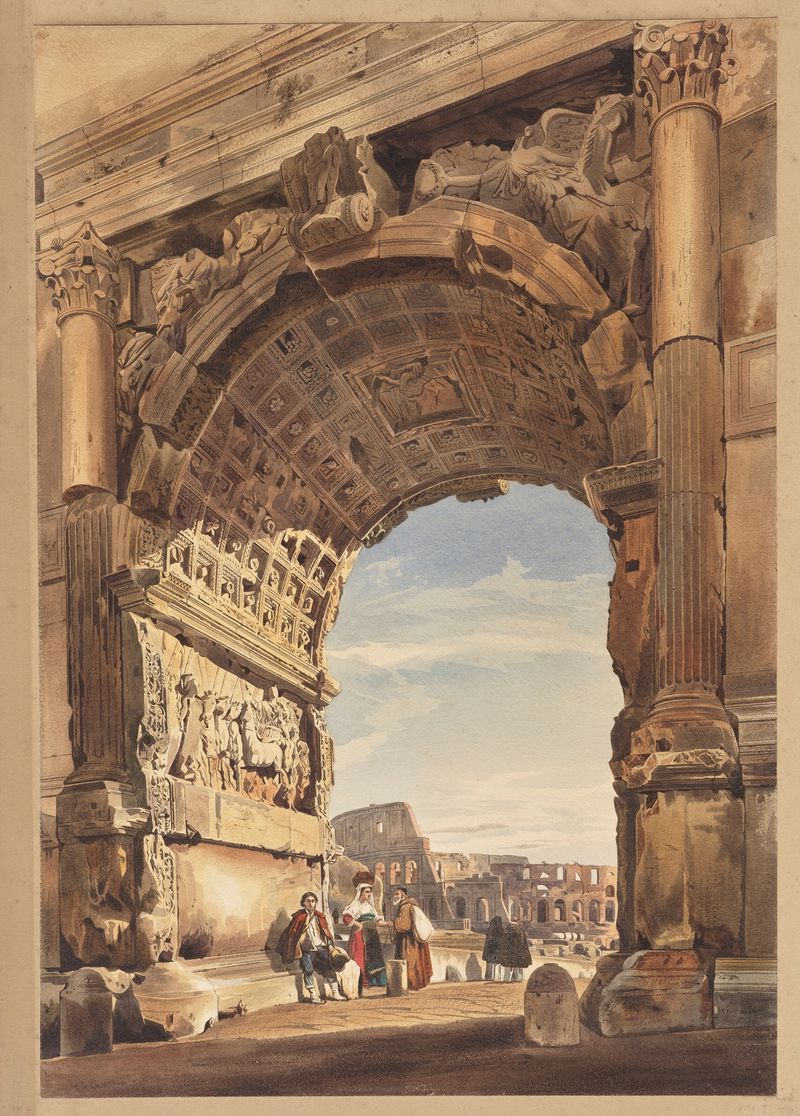
The Arch of Titus looking through to the Colosseum, Rome
Thomas Hartley Cromek
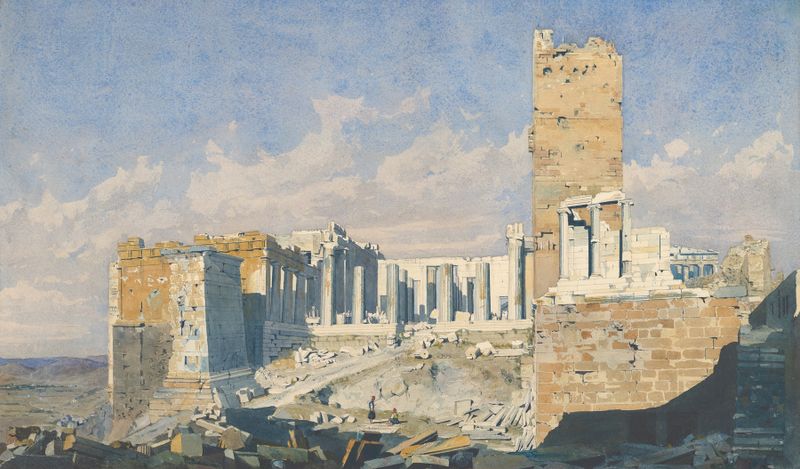
The Acropolis from the West, with the Propylaea and the Temple of Athena Nike, Athens
Thomas Hartley Cromek

The Cathedral and Palace of the Popes, Avignon
Thomas Hartley Cromek

A Glen in Sorrento
Thomas Hartley Cromek
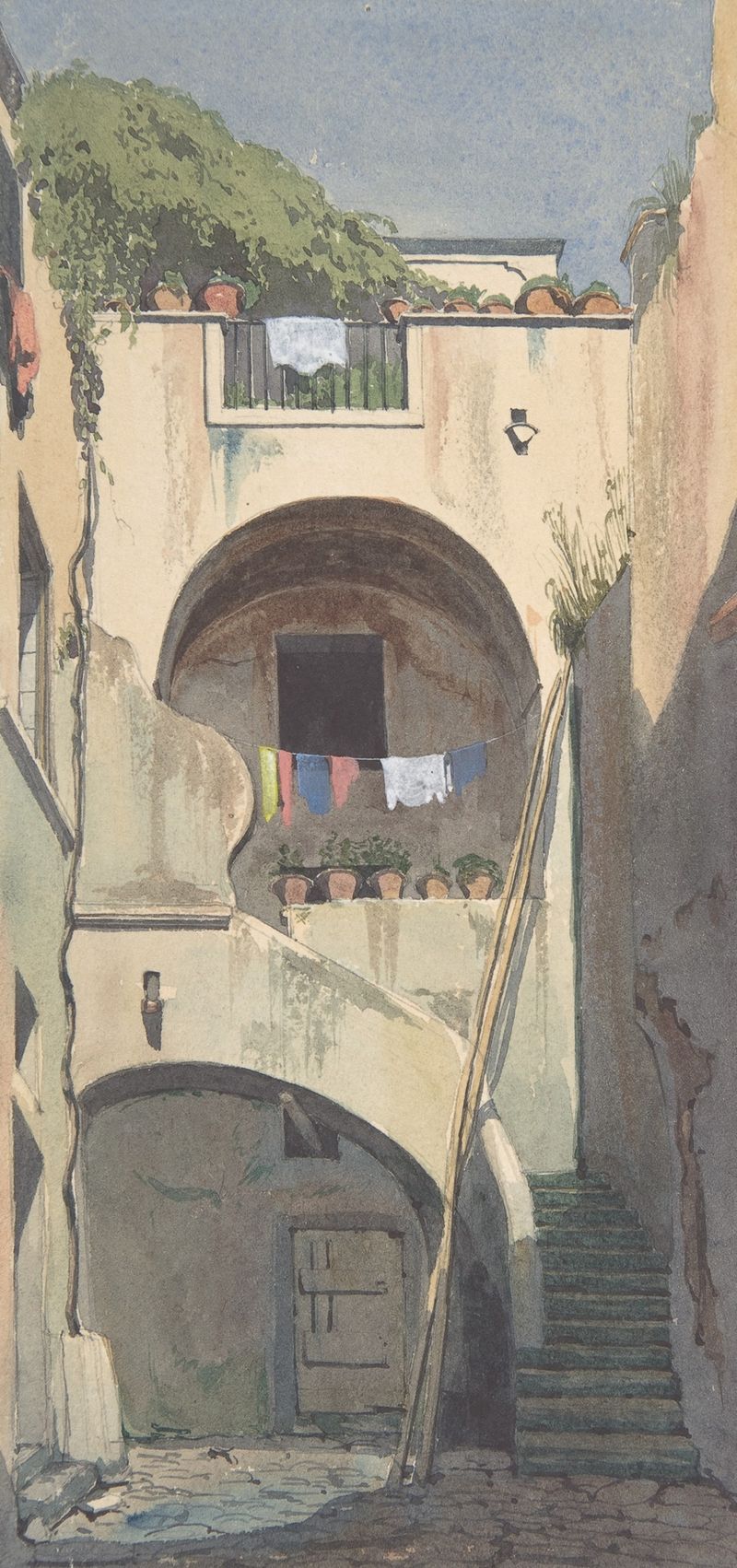
A House at Sorrento
Thomas Hartley Cromek

The Interior of the Lower Basilica of St. Francis of Assisi
Thomas Hartley Cromek
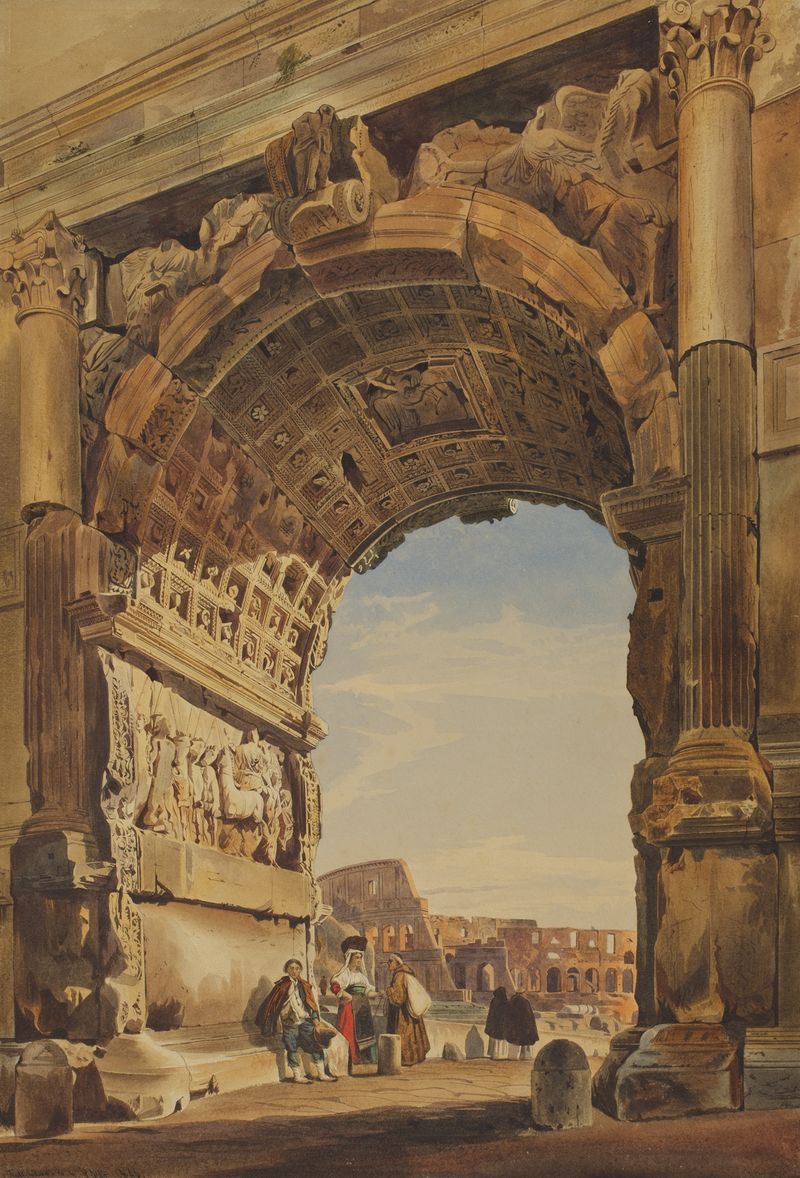
The Arch of Titus and the Coliseum, Rome
Thomas Hartley Cromek

A view of the Umbrian campagna with Spoleto in the distance and a goatherd and his flock in the foreground
Thomas Hartley Cromek
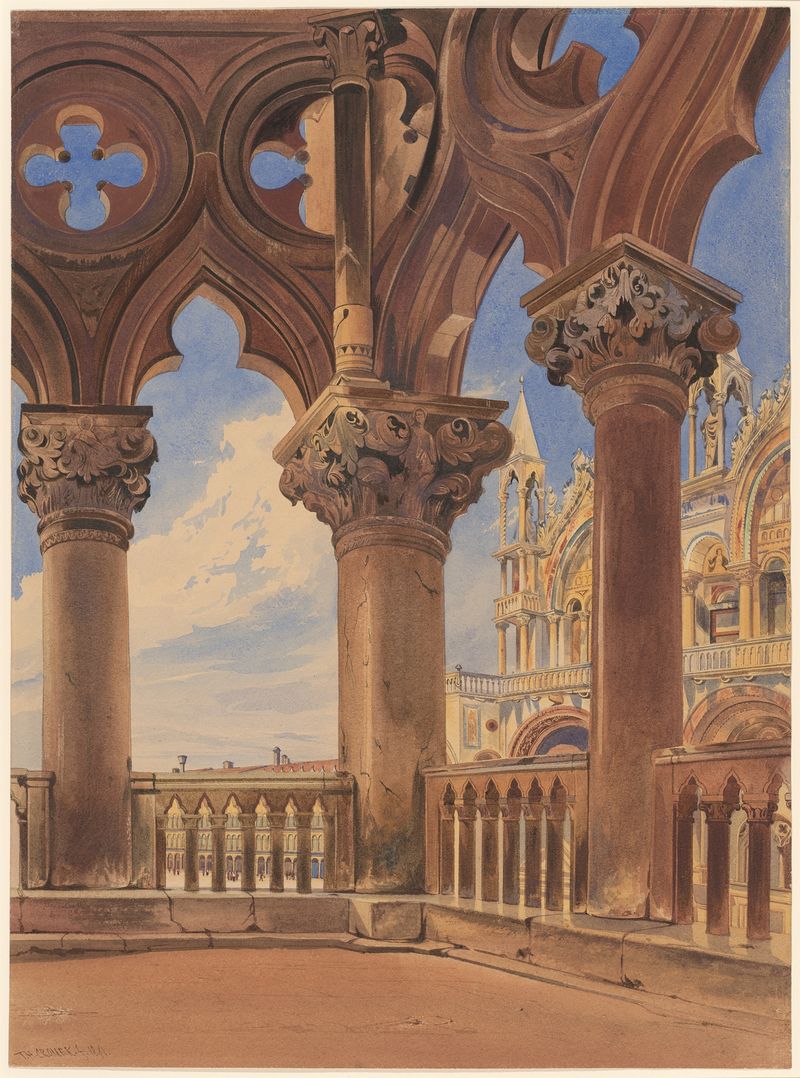
St. Marks Square from the Doges Palace
Thomas Hartley Cromek
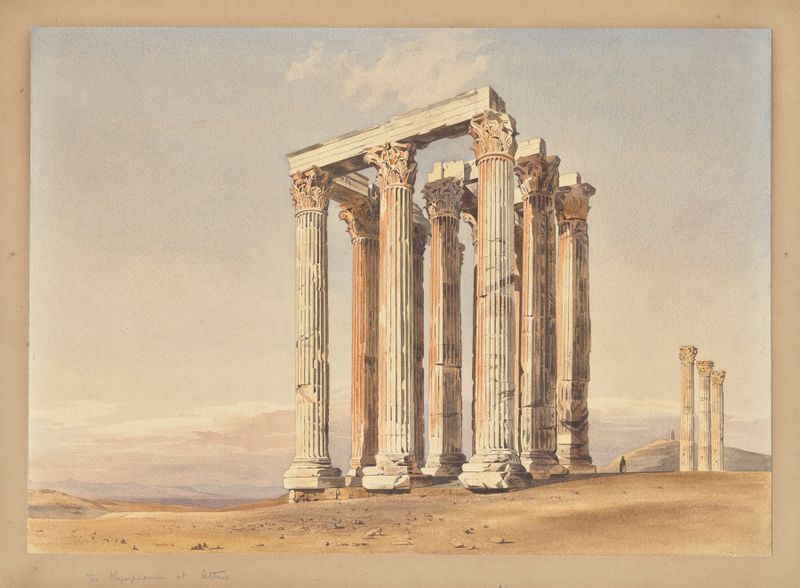
The Temple of Olympian Zeus, Athens
Thomas Hartley Cromek
More Architecture Art
Browse all →
The statue of Liberty
Frédéric Auguste Bartholdi

View of Houses in Delft, Known as ‘The Little Street’
Johannes Vermeer

View of Houses in Delft, Known as ‘The Little Street’
Johannes Vermeer

The Cathedral in Rouen. The portal, Grey Weather
Claude Monet

The yellow house
Vincent van Gogh

The Church in Auvers-sur-Oise, View from the Chevet
Vincent van Gogh