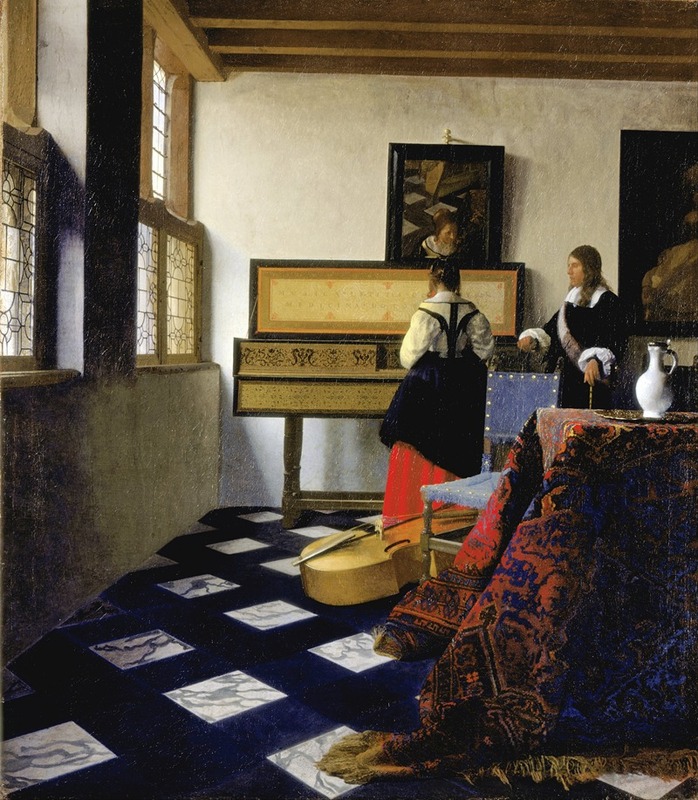
Courtyard — History & Facts
Can beauty exist without sorrow? In the delicate interplay of light and shadow, Courtyard evokes a sense of wonder that thrums quietly beneath its surface. Focus your gaze on the vibrant greenery that spills across the canvas, particularly the lush leaves to the left, each stroke of paint mimicking nature’s lively dance. Notice how the muted, warm palette envelops the stone architecture, grounding the scene in a moment caught between stillness and reverie. The way the light filters through the foliage creates a dappled effect that invites you deeper into the tranquil heart of this courtyard, blending the elements in a harmony that feels almost sacred. Yet, amid the beauty, there lingers a subtle tension.
The shadows cast by the walls suggest a sense of confinement, hinting at stories of solitude or forgotten memories. The vibrant colors of the plants, while enchanting, could also symbolize the fleeting nature of joy, underscoring that beauty often coexists with loss. Each brushstroke seems to whisper secrets of a past, leaving the viewer to ponder the balance between pleasure and the inevitable ebb of time. In the late 19th to early 20th century, Denman Waldo Ross was navigating the complexities of American art, drawing from Impressionism while forging his own path.
While living in Boston, he engaged deeply with the natural world, influenced by both Japanese aesthetics and the burgeoning Arts and Crafts movement. It was during this vibrant period that he created Courtyard, encapsulating the beauty and contemplation that defined his artistic journey.
More Artworks by Denman Waldo Ross
Browse all →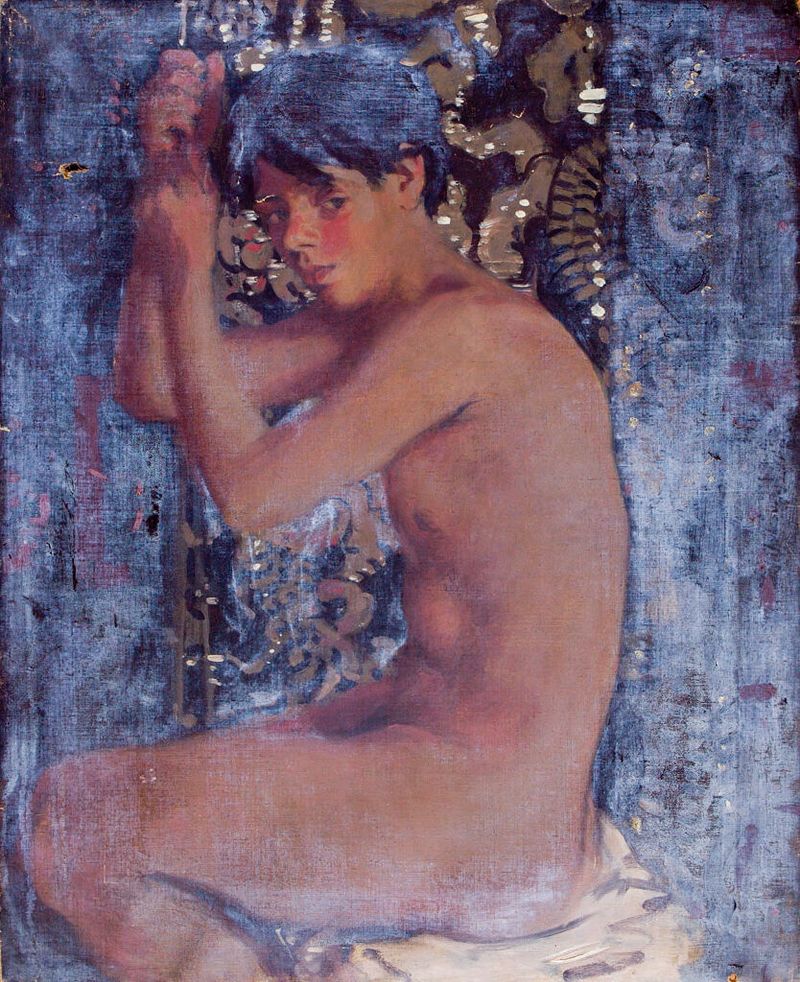
Portrait of a Seated Young Man
Denman Waldo Ross
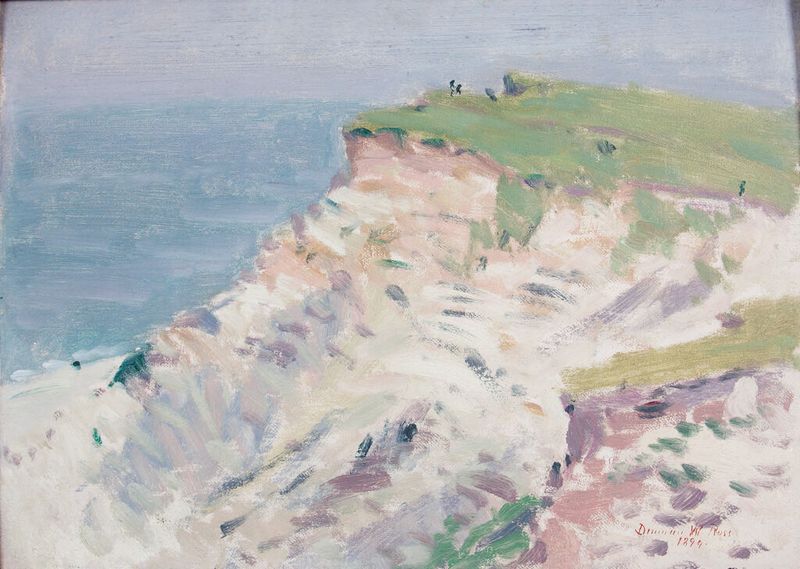
Highland Light, North Truro, Massachusetts
Denman Waldo Ross
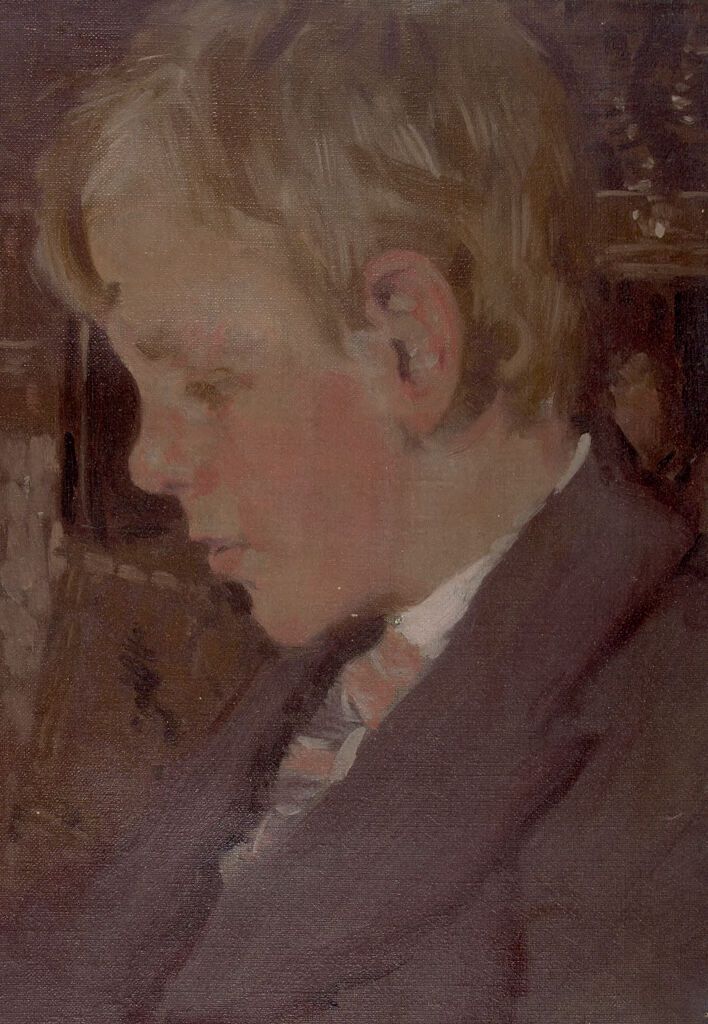
Profile Portrait of a Boy in Suit and Tie
Denman Waldo Ross
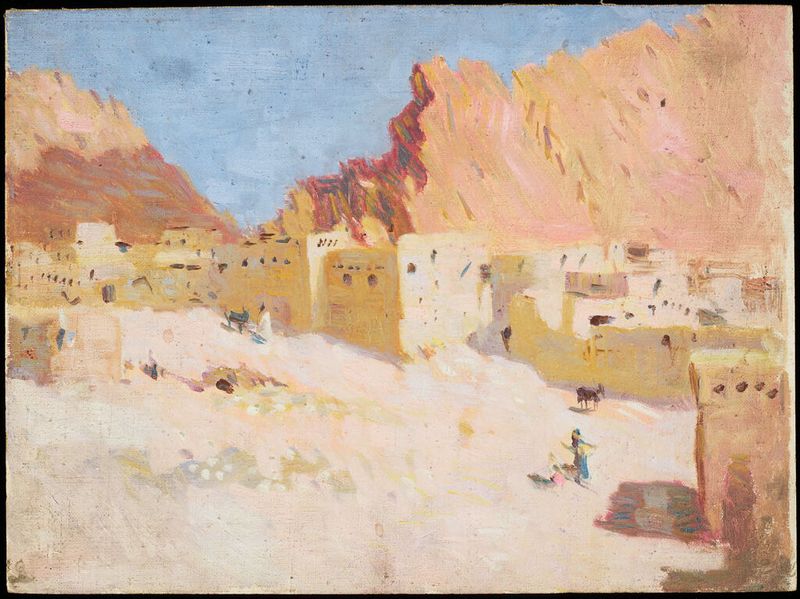
El Kantara, Near Biskra, Algeria
Denman Waldo Ross
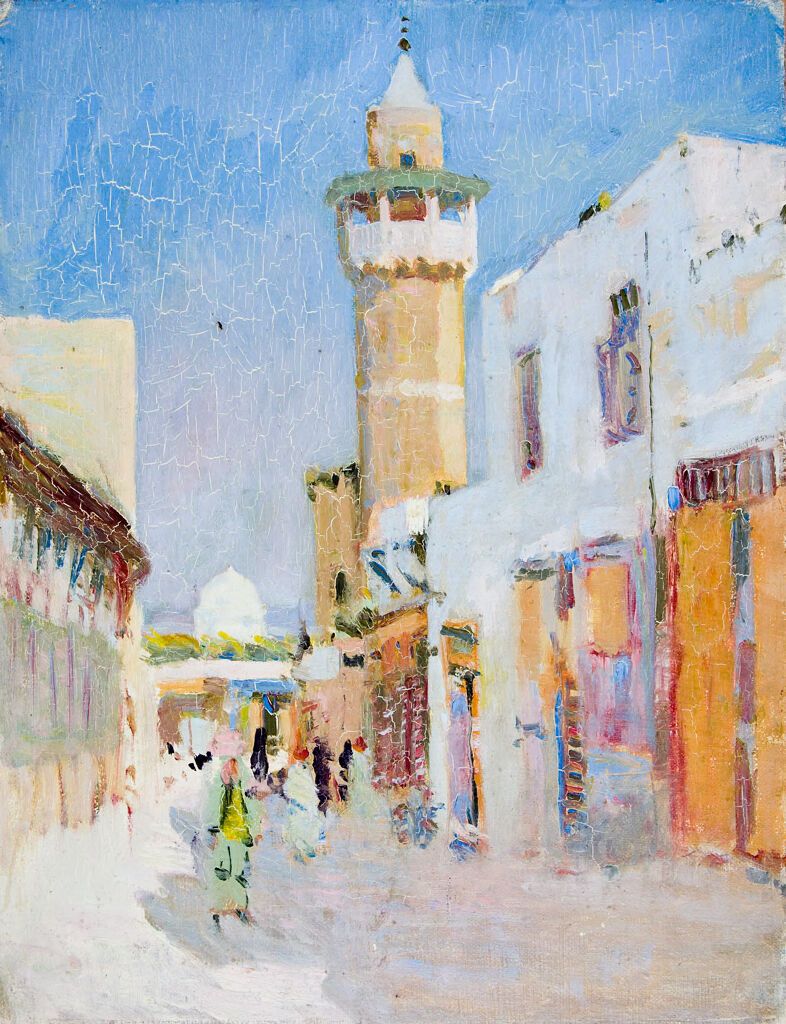
Tunis Street Scene
Denman Waldo Ross
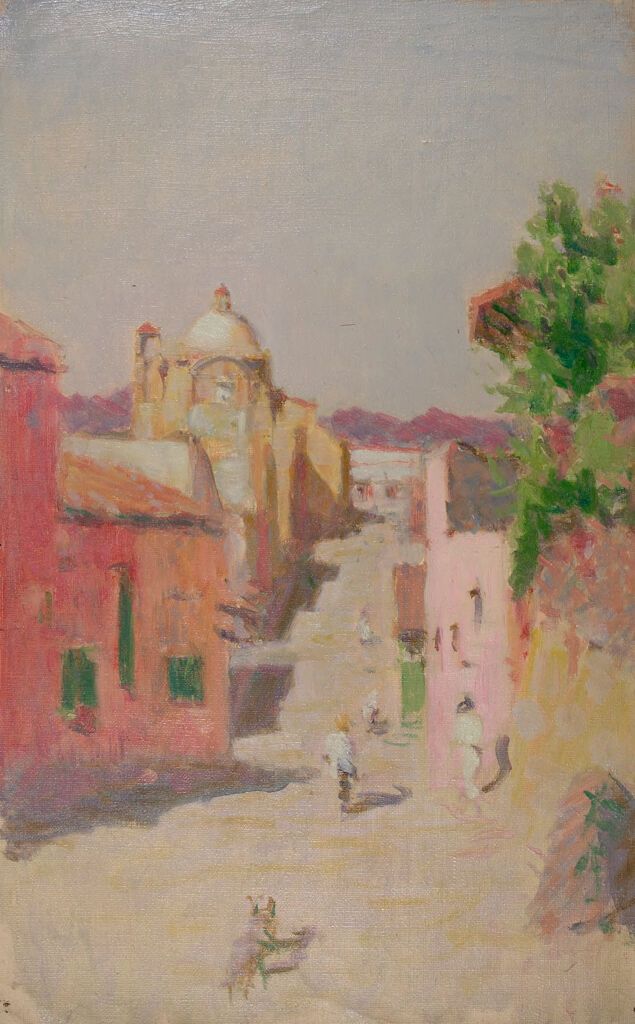
Street Scene with Animal and Figures
Denman Waldo Ross
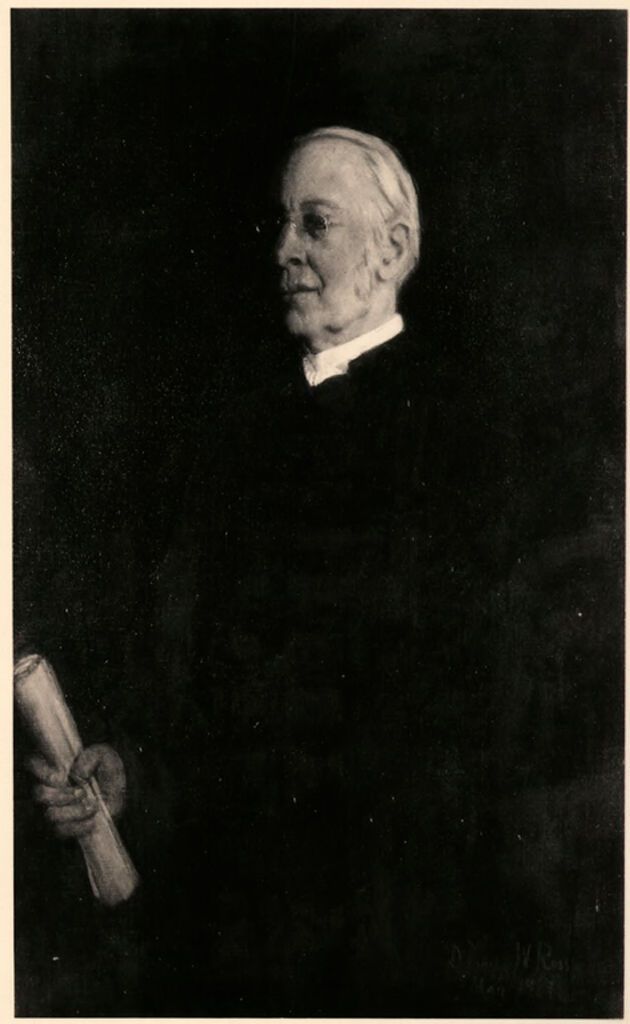
Charles William Eliot (1834-1926)
Denman Waldo Ross
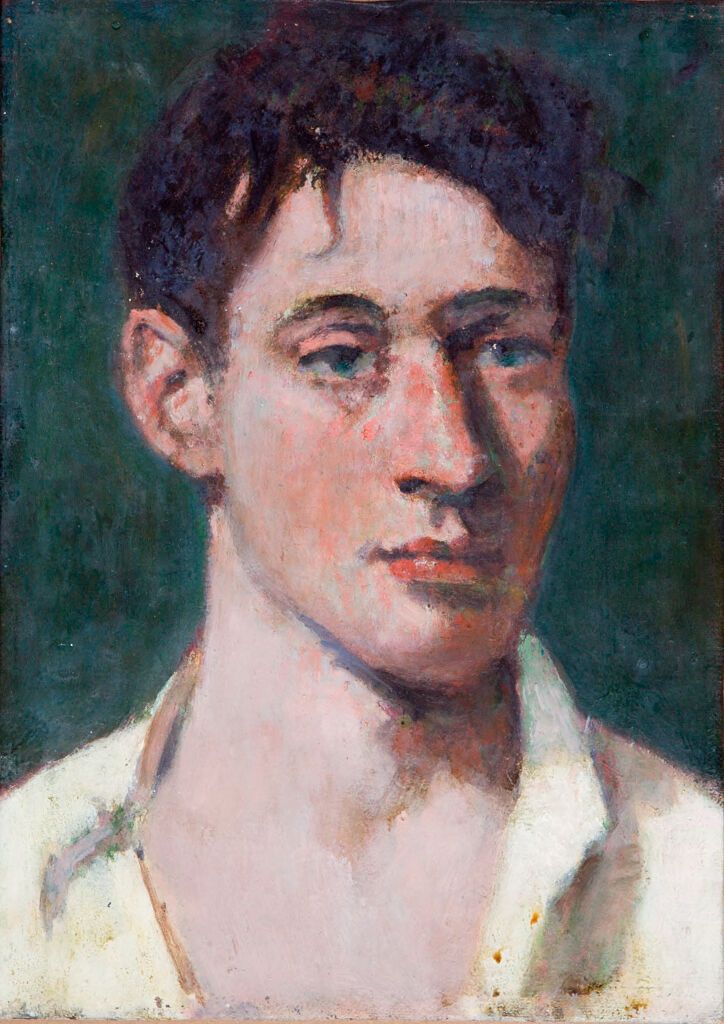
Portrait of a Young Man in White Shirt
Denman Waldo Ross
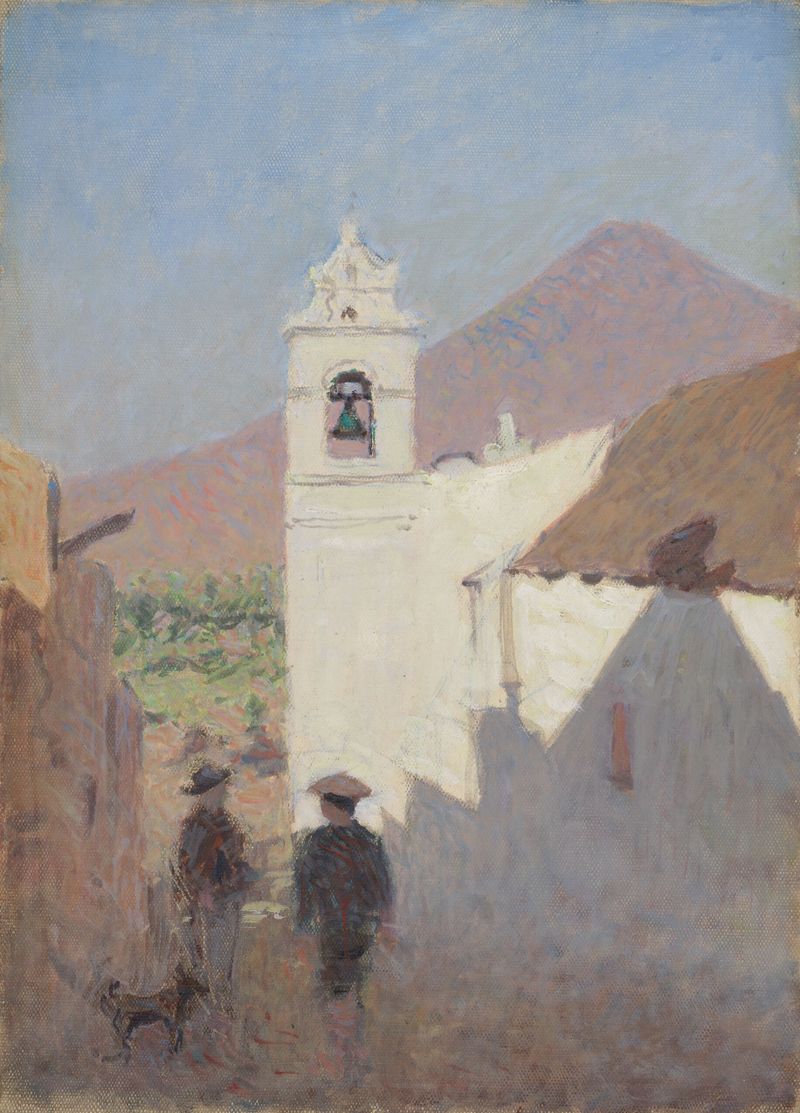
Village Near Arequipa, Peru
Denman Waldo Ross

York Harbor, Maine
Denman Waldo Ross