
Courtyard in Slush at Røros — History & Facts
What if beauty was never meant to be finished? In a moment frozen between seasons, the canvas invites you to explore a world where color and emotion collide, leaving an indelible mark on the heart. Look to the bottom right corner, where soft, muted shades of gray and brown evoke the slushy remnants of winter, giving way to the promise of spring. The foreground is a textured interplay of warm and cool tones—notice how the ochres and delicate blues swirl together, creating an intricate dance across the ground. The buildings bathed in light stand tall, their rich hues contrasting with the somber landscape, guiding your gaze up towards the gentle sky, which hints at the possibility of renewal. Delve deeper into the scene and you’ll find hidden meanings woven throughout.
The juxtaposition of vibrant colors against a backdrop of desolation embodies a duality of hope and despair, suggesting that beauty often flourishes in imperfection. The lingering shadows beneath the eaves point to the weight of winter's grasp, while the hints of life peeking through the slush symbolize resilience and rebirth, a reminder that life continues even in its harshest forms. Painted in 1905 during a period of personal reflection for the artist, Courtyard in Slush at Røros emerged from Sohlberg's exploration of color and light, reflecting the unique atmospheric qualities of Norway. At this time, the art world was experiencing a shift towards modernism, and Sohlberg's work began to resonate with a growing appreciation for the emotive power of nature and the changing seasons.
His time in Røros influenced this piece profoundly, capturing both the beauty and melancholy of a landscape caught in transition.
More Artworks by Harald Sohlberg
Browse all →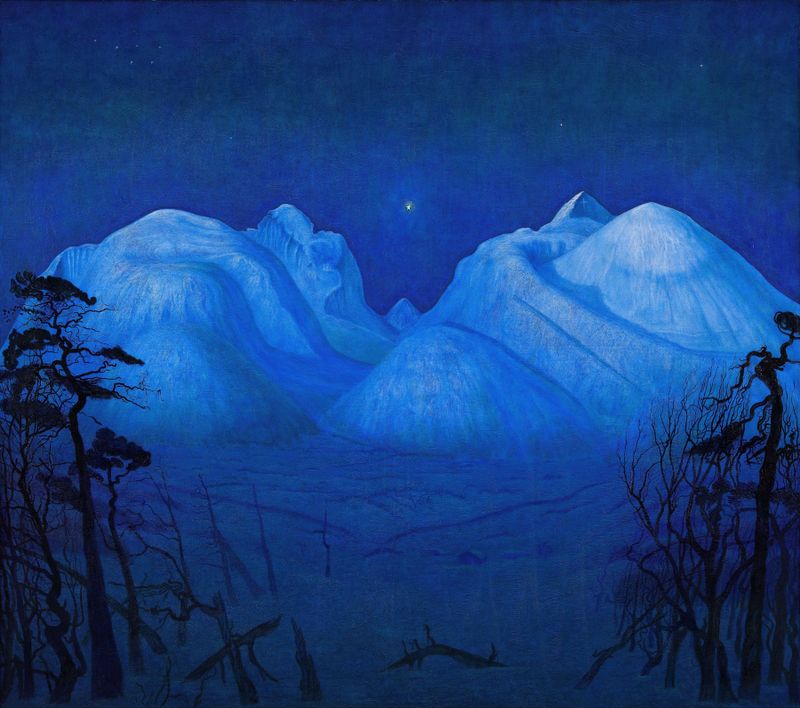
Winter Night in the Mountains
Harald Sohlberg

Street in Røros in Winter
Harald Sohlberg

Street in Røros
Harald Sohlberg

From Værvågen, The Fisherman’s Cottage
Harald Sohlberg
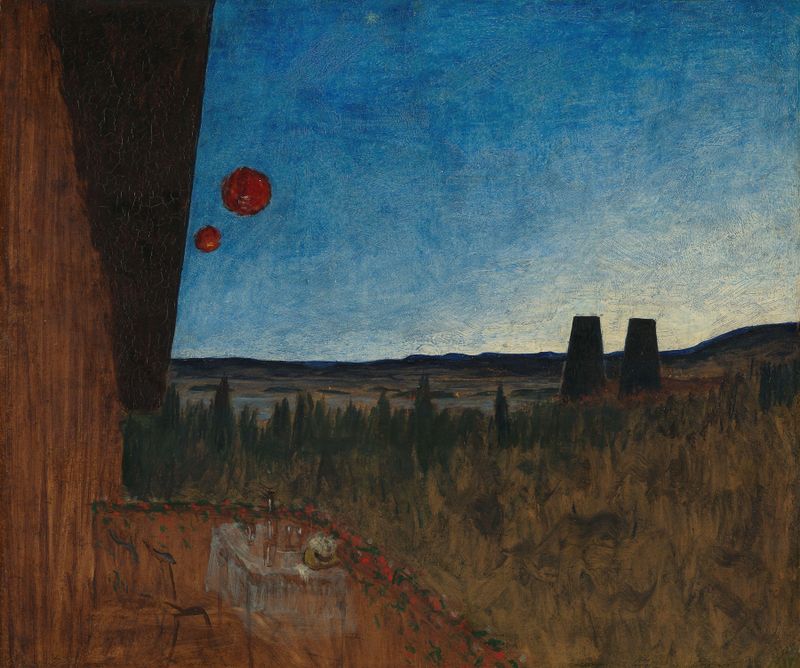
Summer Night
Harald Sohlberg

View from Karl XII’s Street
Harald Sohlberg
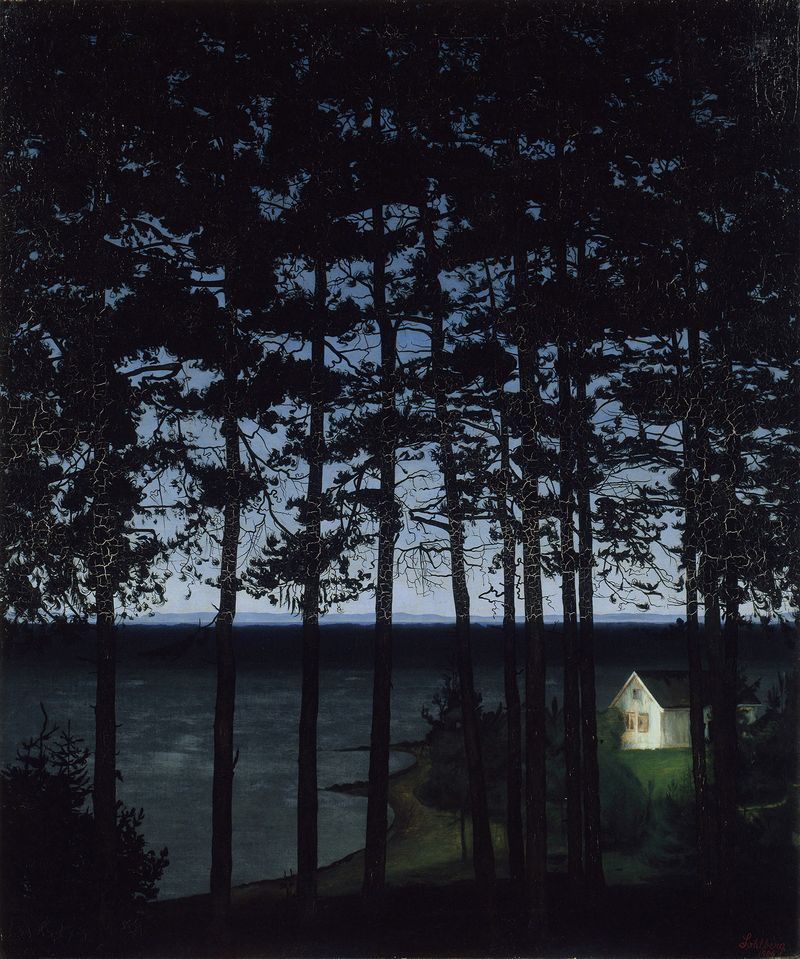
Fisherman’s Cottage
Harald Sohlberg
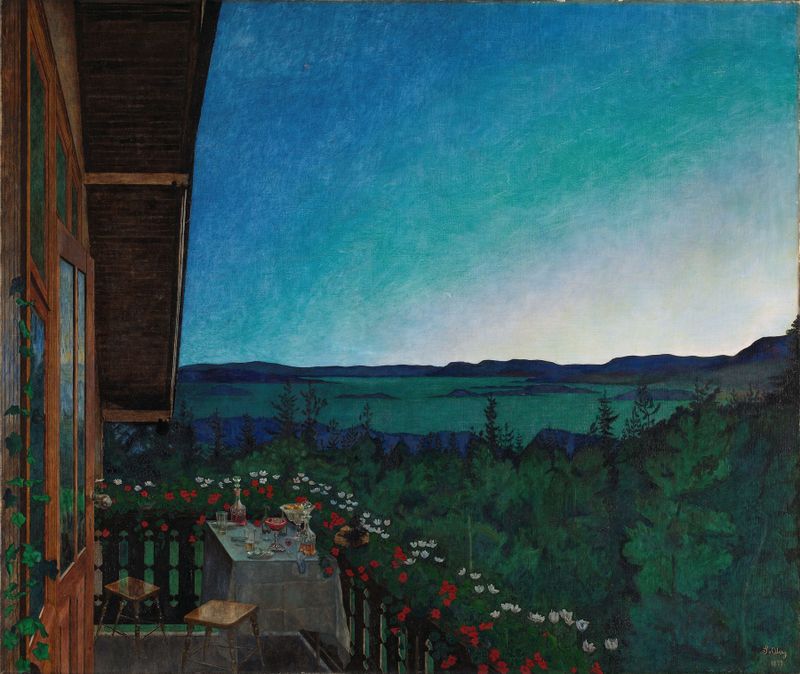
Summer Night
Harald Sohlberg
Winter Night in the Mountains
Harald Sohlberg

Flower Meadow in the North
Harald Sohlberg





