
Summer Night — History & Facts
In the stillness of a summer night, whispers of the past linger like the fading light of dusk, urging us to reflect on moments suspended in silence. Focus on the depths of color that envelop the canvas — the rich blues melding into soft purples and velvety blacks that create an intimate connection with twilight. Notice how the moonlight spills delicately over the landscape, illuminating the treetops and casting ethereal shadows across a tranquil lake. The composition draws you in with its serene balance, encouraging your gaze to wander between the shimmering reflections on the water and the quiet majesty of the surrounding nature. Within this serene depiction lies a subtle tension; the contrast between the vibrancy of life and the stillness of the night evokes a sense of nostalgia.
The trees appear to stand sentinel, guardians of whispered secrets, while the water’s surface hints at hidden depths, perhaps reflecting desires or memories yearning to resurface. Each detail, from the gentle ripples to the soft caress of light, invites contemplation — a reminder that silence can be as expressive as the loudest of sounds. Harald Sohlberg painted Summer Night in 1899 during a period of artistic exploration and personal introspection. Living in Norway, he was deeply influenced by the natural beauty surrounding him, experimenting with color and light to capture the essence of his homeland.
As Symbolism and Impressionism flourished, Sohlberg sought to bridge these movements, fostering a unique voice that resonates with the quiet power of nature and the emotions it stirs within us.
More Artworks by Harald Sohlberg
Browse all →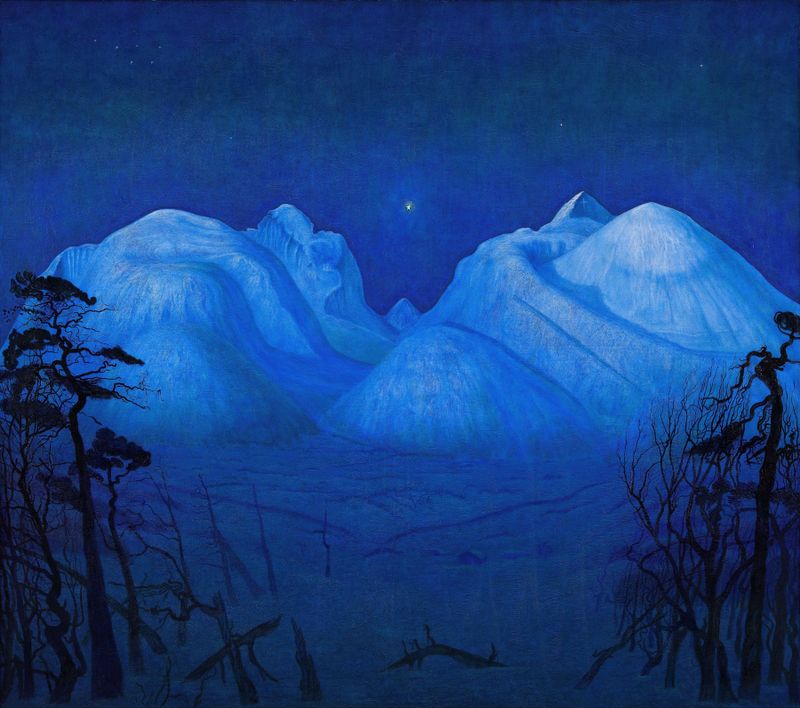
Winter Night in the Mountains
Harald Sohlberg

Street in Røros in Winter
Harald Sohlberg

Street in Røros
Harald Sohlberg

From Værvågen, The Fisherman’s Cottage
Harald Sohlberg

View from Karl XII’s Street
Harald Sohlberg
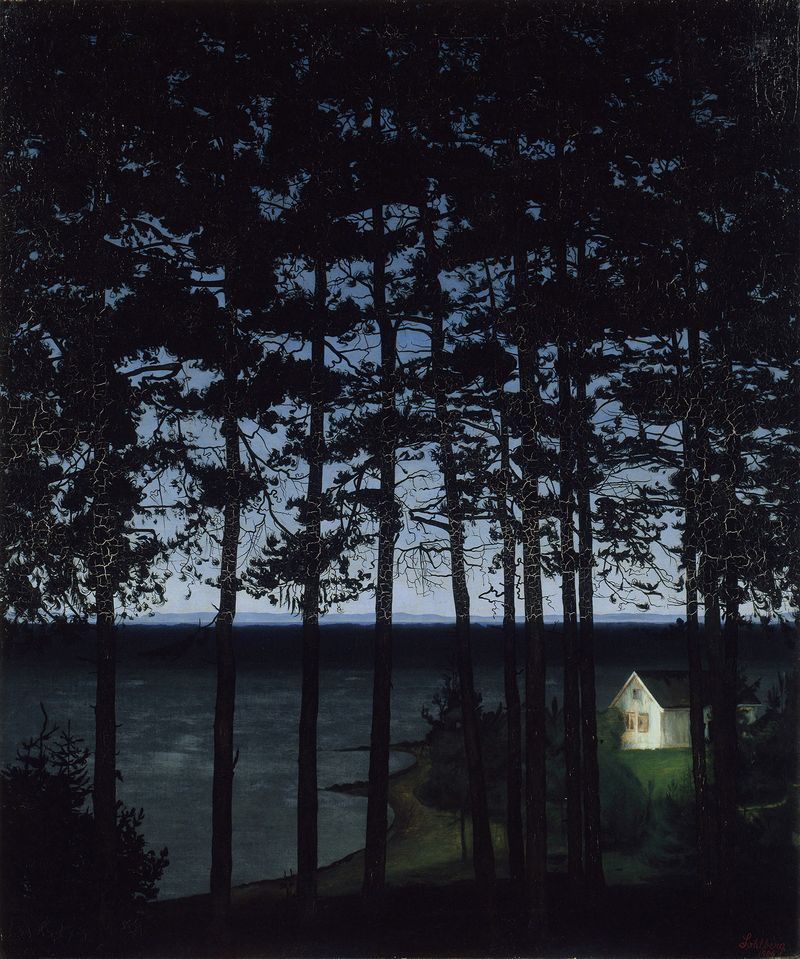
Fisherman’s Cottage
Harald Sohlberg
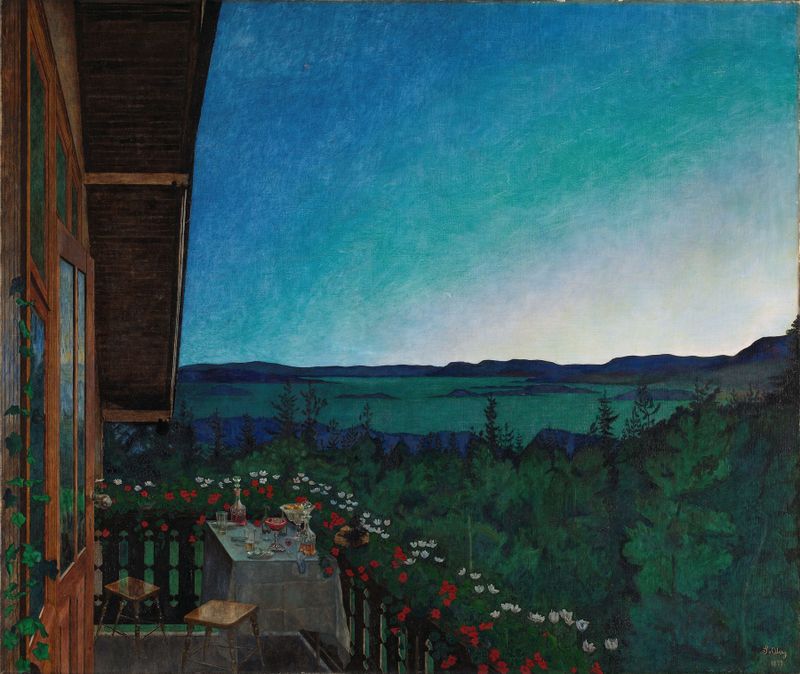
Summer Night
Harald Sohlberg

Courtyard in Slush at Røros
Harald Sohlberg
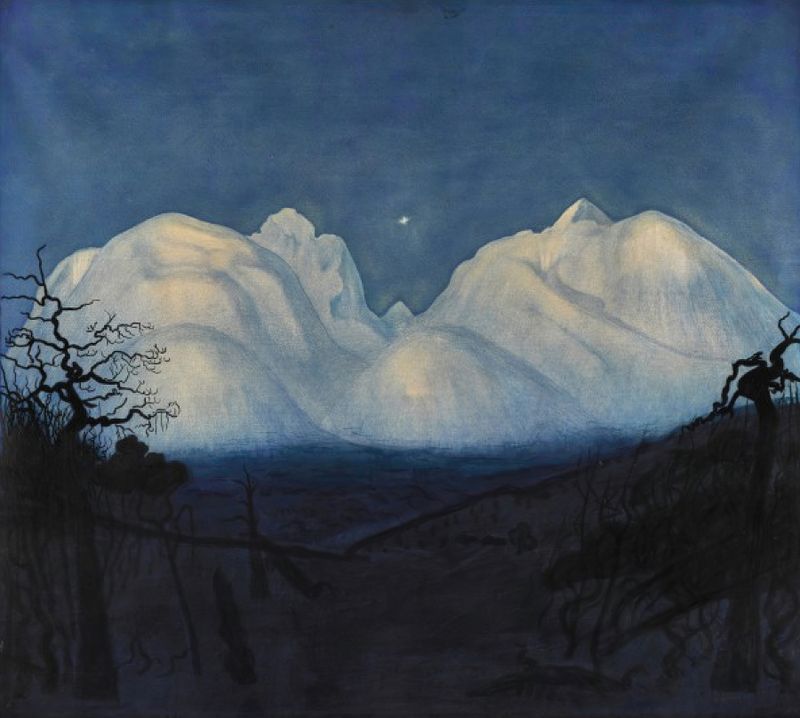
Winter Night in the Mountains
Harald Sohlberg

Flower Meadow in the North
Harald Sohlberg





