
Flower Meadow in the North — History & Facts
The delicate dance of petals against the rugged earth can evoke both serenity and struggle, a duality that lies at the heart of existence. In Flower Meadow in the North, we encounter a vision that transcends mere aesthetics, inviting contemplation of the tumultuous shifts in society and nature. Look to the foreground where vibrant blossoms burst forth, their colors a riotous celebration against a backdrop of soft greens and muted earth tones. Notice how the flowers, illuminated by the gentle caress of sunlight, seem to sway with an unseen breeze, their vibrancy almost pulsating with life.
The artist's brushstrokes reveal a tactile quality, blending impressionistic techniques with a reverence for detail, inviting viewers to lose themselves in each petal’s intricate design. Hidden beneath this serene beauty lies an emotional tension, as the flowers stand resiliently amidst a wild landscape, hinting at the struggle for survival in a changing world. The contrast between the delicate flora and the starkness of the rugged terrain evokes a sense of longing—an understanding that beauty often emerges from hardship. This delicate balance reflects not only the natural world but also the personal revolutions taking place in the early 20th century, a time when art began to question and redefine traditional aesthetics. Created in 1905, during a period of significant change for the artist, this work marked Sohlberg's exploration of the Norwegian landscape following his return from studies in France.
Influenced by symbolism and the burgeoning modernist movement, he sought to capture the essence of his homeland while grappling with his own artistic identity amid the shifting tides of European art. The painting embodies his deep connection to nature, serving as a poignant reflection of both beauty and struggle.
More Artworks by Harald Sohlberg
Browse all →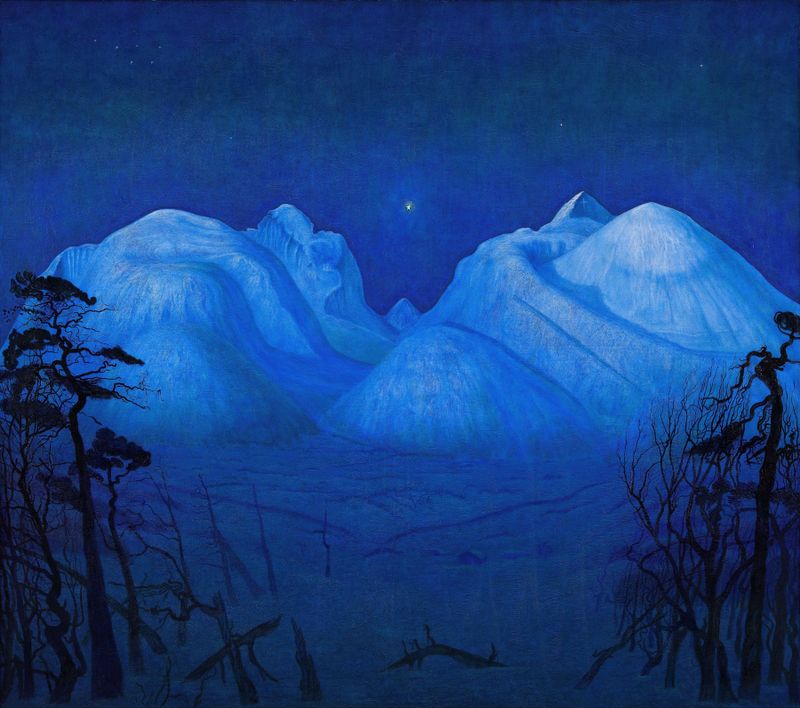
Winter Night in the Mountains
Harald Sohlberg

Street in Røros in Winter
Harald Sohlberg

Street in Røros
Harald Sohlberg

From Værvågen, The Fisherman’s Cottage
Harald Sohlberg
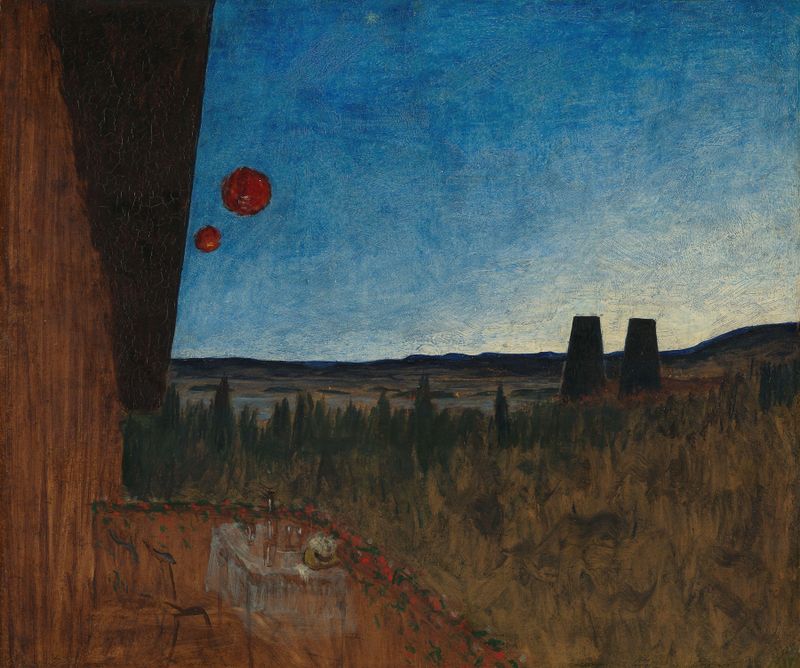
Summer Night
Harald Sohlberg

View from Karl XII’s Street
Harald Sohlberg
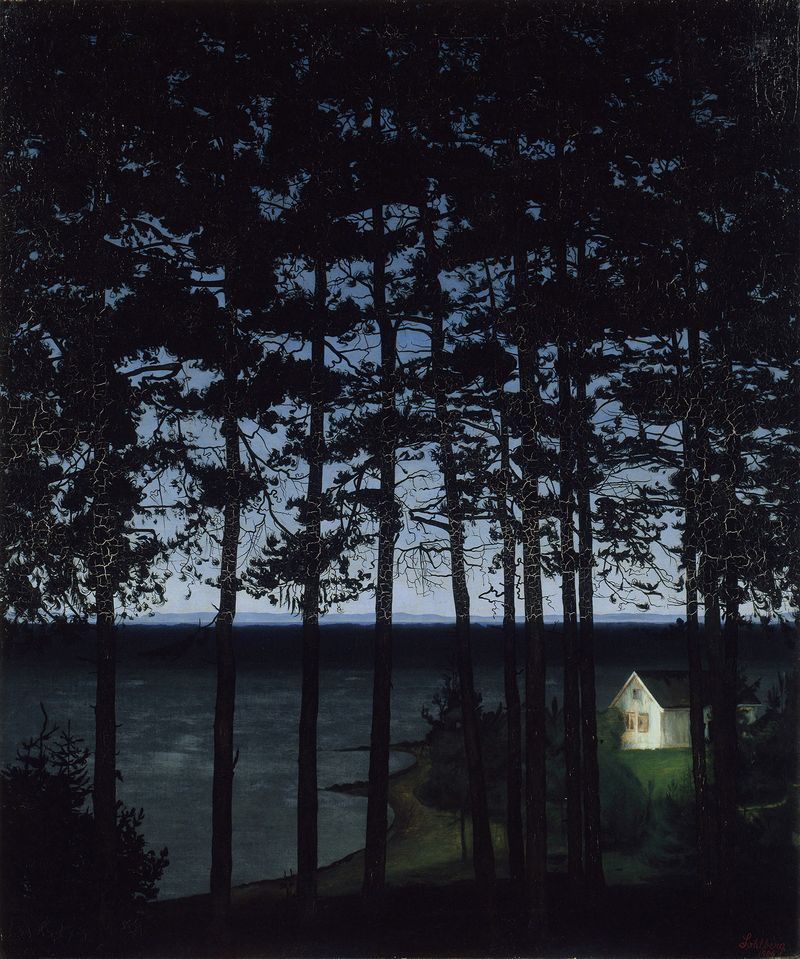
Fisherman’s Cottage
Harald Sohlberg
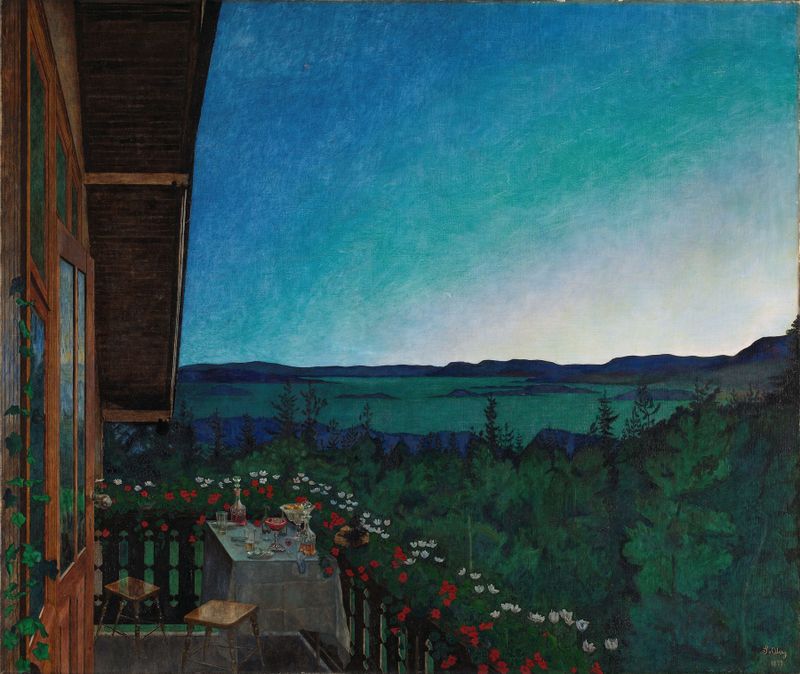
Summer Night
Harald Sohlberg

Courtyard in Slush at Røros
Harald Sohlberg
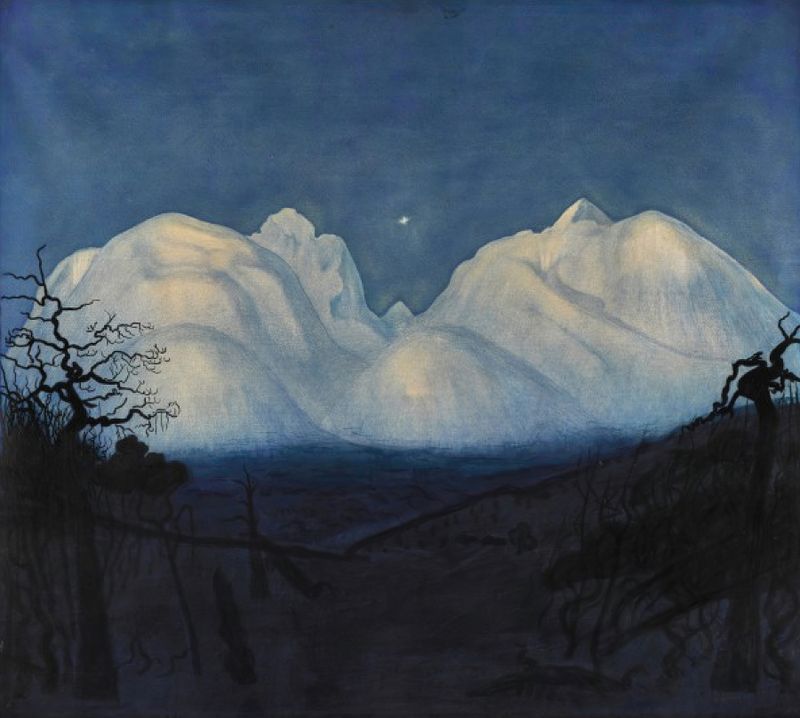
Winter Night in the Mountains
Harald Sohlberg





