
Fisherman’s Cottage — History & Facts
In the stillness of Fisherman’s Cottage, a haunting sense of loneliness envelops every brushstroke and shadow, whispering secrets of solitude and introspection. Focus first on the cottage nestled amidst a rugged landscape, its weathered façade bathed in the pale light of a waning day. Notice how the deep blues and muted earth tones blend seamlessly, creating a somber palette that reflects the isolation of the dwelling. The gentle play of light and shadow accentuates the textures of the wood and surrounding rocks, inviting you to explore each detail as if uncovering the layers of stories hidden within. The emotional tension lies in the contrast between the tranquil exterior and the palpable absence of life.
Observe the empty windows—darkened eyes that seem to gaze out into the vast, indifferent wilderness. This juxtaposition of safety and desolation highlights the fragility of human existence against nature’s grandeur, evoking a profound sense of yearning. The solitary cottage stands not just as a shelter but as a stark reminder of the quiet struggles faced by those who dwell far from the bustle of society. Harald Sohlberg painted Fisherman’s Cottage in 1906 while living in Norway, a period marked by a burgeoning interest in nature and its impact on the human spirit.
At the time, Sohlberg was exploring the themes of isolation and introspection, influenced by the Symbolist movement that sought to convey deeper emotional truths through art. This work reflects both his personal experiences and the artistic climate of early 20th-century Scandinavia, where the connection between man and nature was poignantly examined.
More Artworks by Harald Sohlberg
Browse all →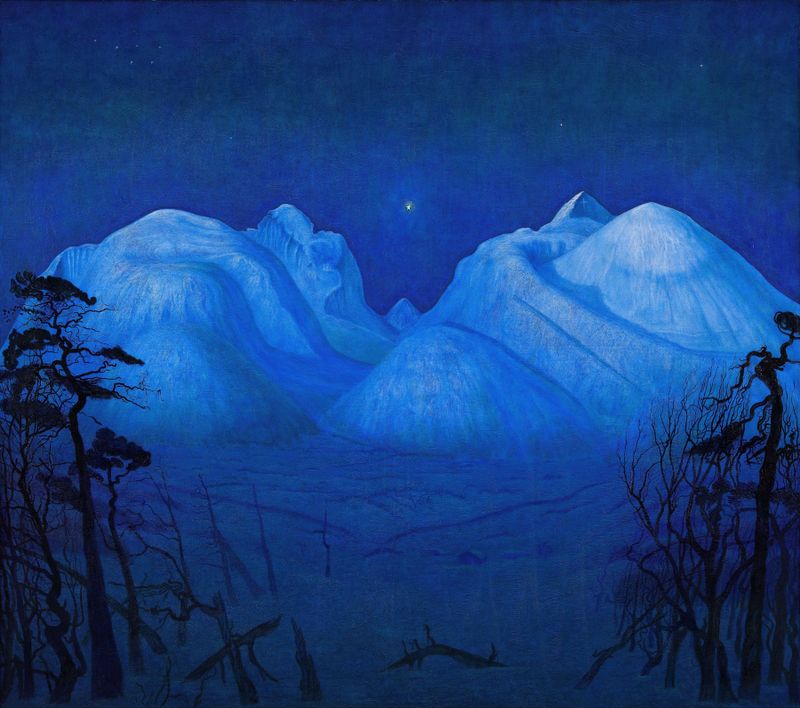
Winter Night in the Mountains
Harald Sohlberg

Street in Røros in Winter
Harald Sohlberg

Street in Røros
Harald Sohlberg

From Værvågen, The Fisherman’s Cottage
Harald Sohlberg
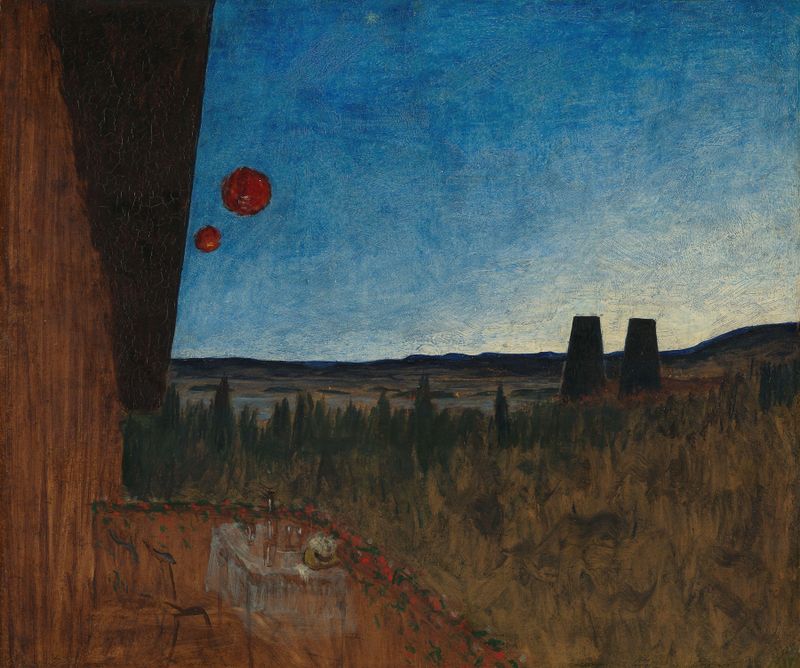
Summer Night
Harald Sohlberg

View from Karl XII’s Street
Harald Sohlberg
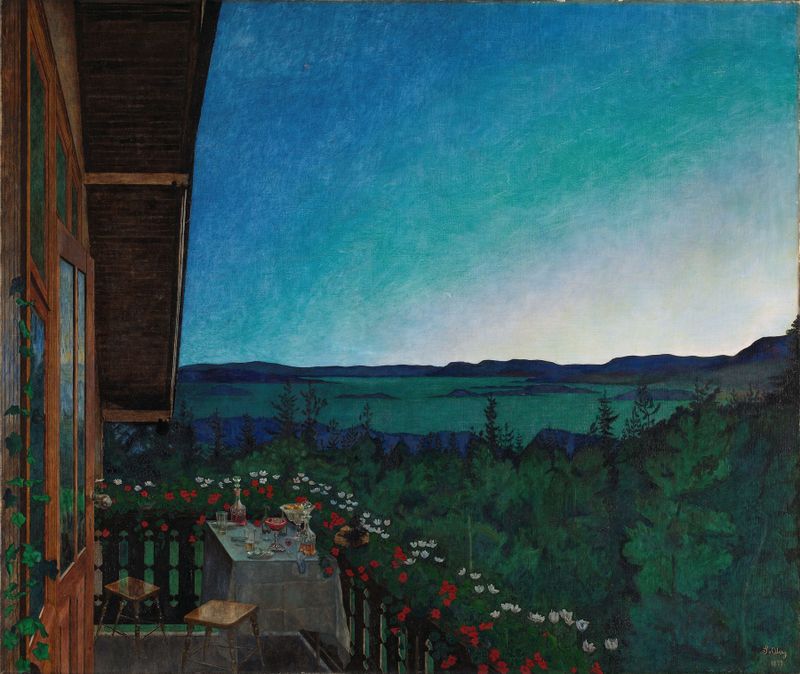
Summer Night
Harald Sohlberg

Courtyard in Slush at Røros
Harald Sohlberg
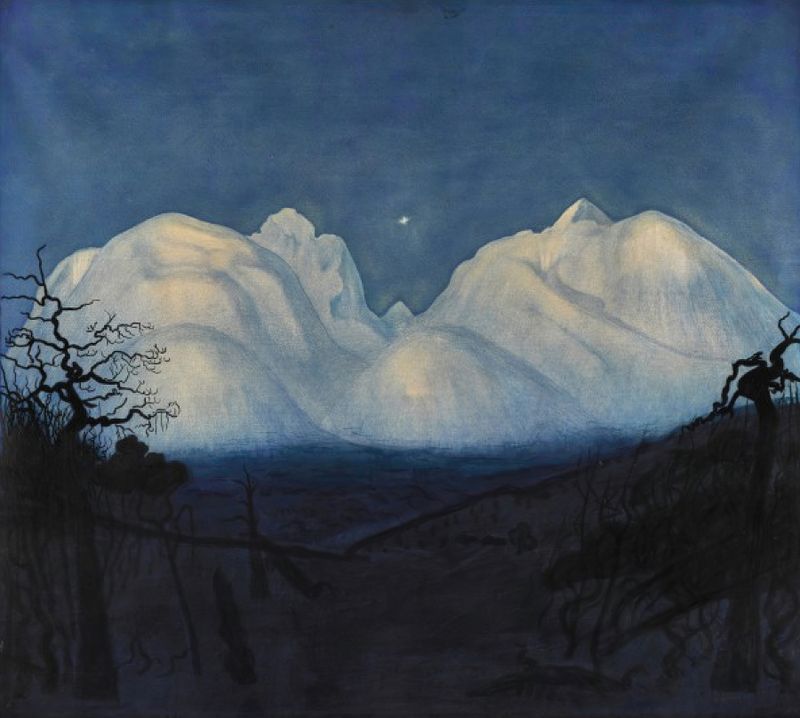
Winter Night in the Mountains
Harald Sohlberg

Flower Meadow in the North
Harald Sohlberg





