
Coyote of Mexico — History & Facts
In Coyote of Mexico, Charles Hamilton Smith presents a striking image of a coyote in its natural habitat. The painting features earthy tones, with shades of brown and tan dominating the coyote's fur. The background is a blend of greens and browns, suggesting a rugged landscape typical of Mexico.
The coyote is depicted with keen eyes, capturing its alert and cunning nature. The painting is executed in oil on canvas, allowing for rich textures and details in the fur of the coyote. Smith's attention to detail is evident in the way light plays across the animal's body, highlighting its muscular form. The composition is balanced, with the coyote positioned slightly off-center to create a dynamic sense of movement.
Viewers can appreciate the realistic portrayal of the animal, showcasing Smith's skill in capturing wildlife. Charles Hamilton Smith was known for his detailed studies of animals, particularly in the context of natural history. This work reflects his dedication to realism and his interest in the fauna of North America. An interesting fact about Coyote of Mexico is that it was likely created during a period when interest in wildlife and naturalistic representation was growing in art.
Smith's works contributed to the understanding of animal behavior and ecology in the 19th century.
More Artworks by Charles Hamilton Smith

Marengo, Bonaparte’s Arab
Charles Hamilton Smith
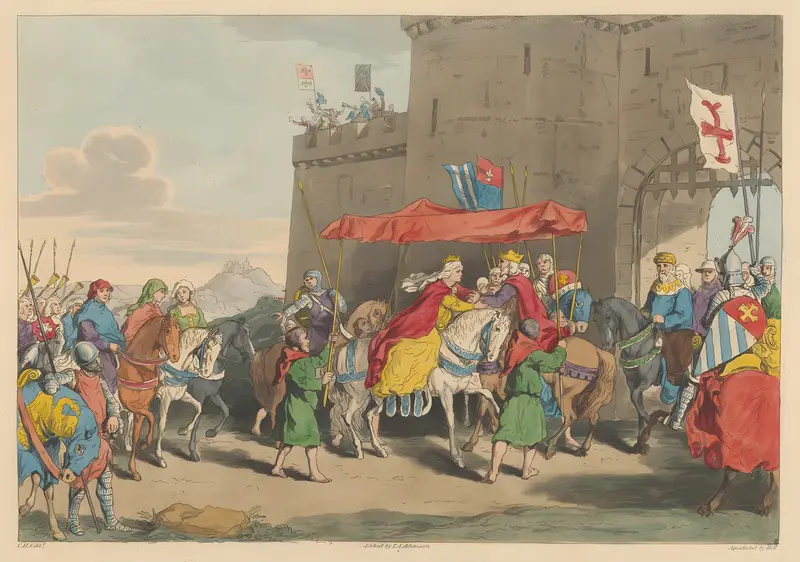
Costume of the Reign of King Henry III
Charles Hamilton Smith
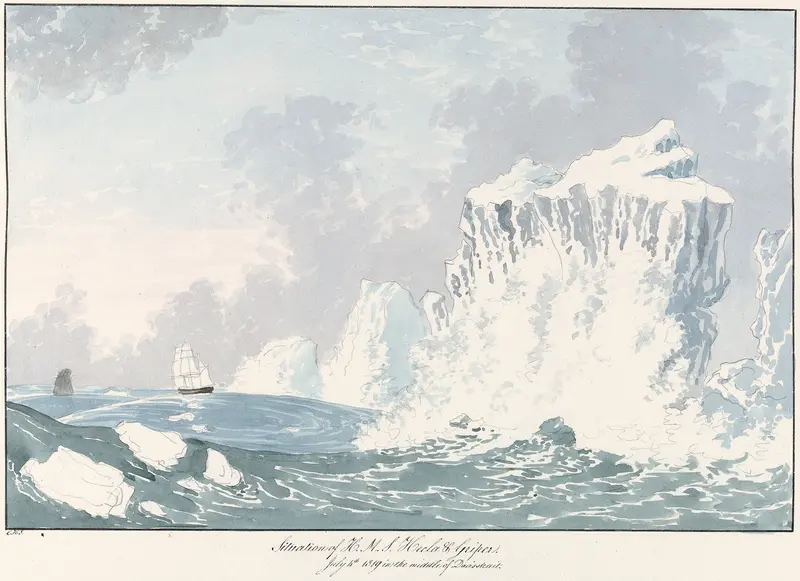
Situation of H.M.S. Hecla & Griper
Charles Hamilton Smith
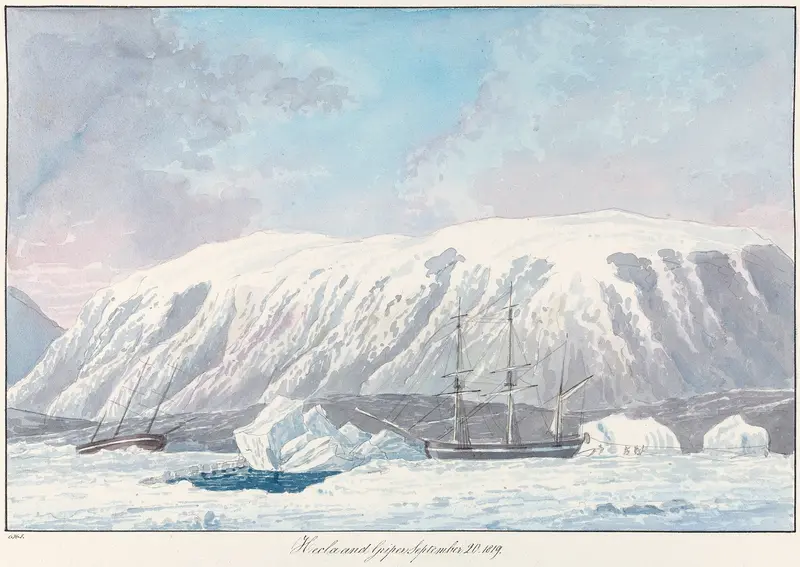
Hecla and Griper
Charles Hamilton Smith
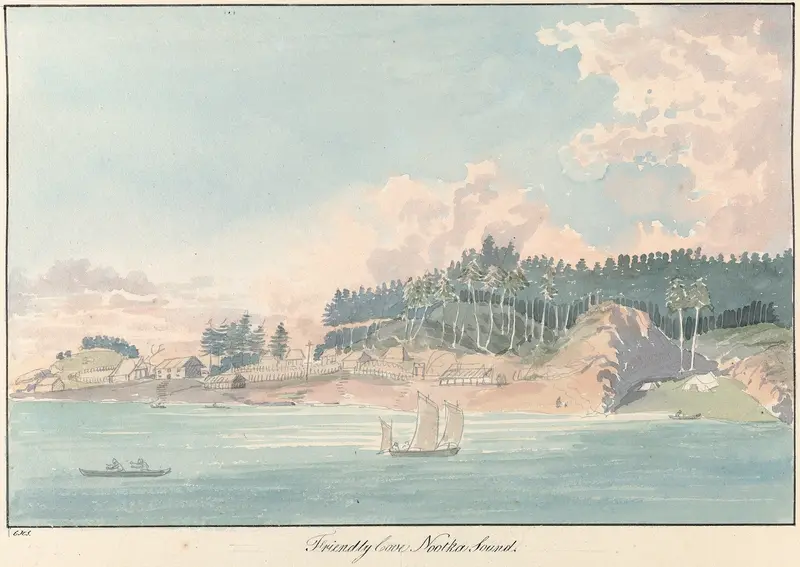
Friendly Cove, Nootka Sound
Charles Hamilton Smith
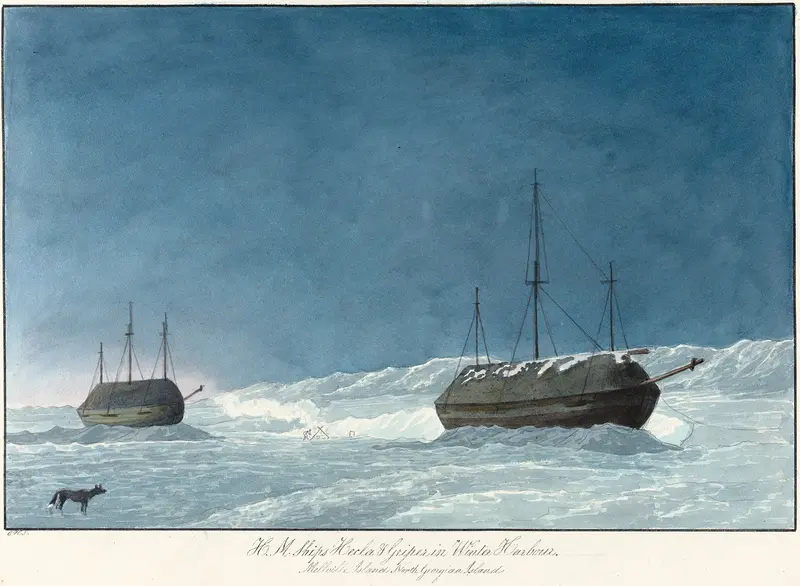
H. M. Ships Hecla and Griper in Winter Harbour
Charles Hamilton Smith
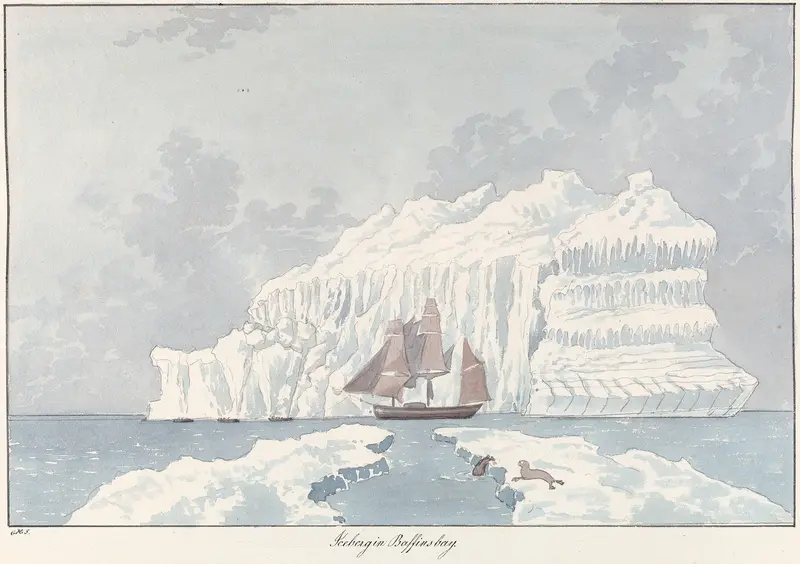
Iceberg in Baffin’s Bay
Charles Hamilton Smith
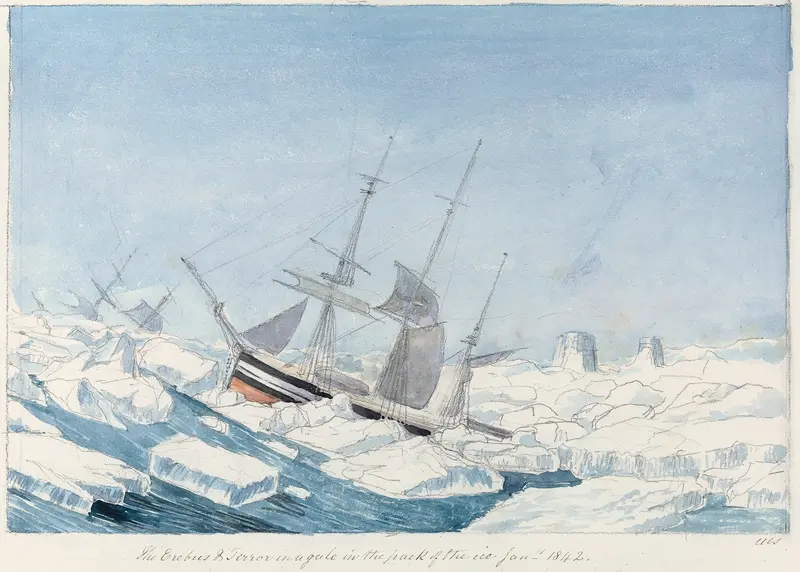
The Erebus & Terror in a Gale in the Pack of the Ice
Charles Hamilton Smith
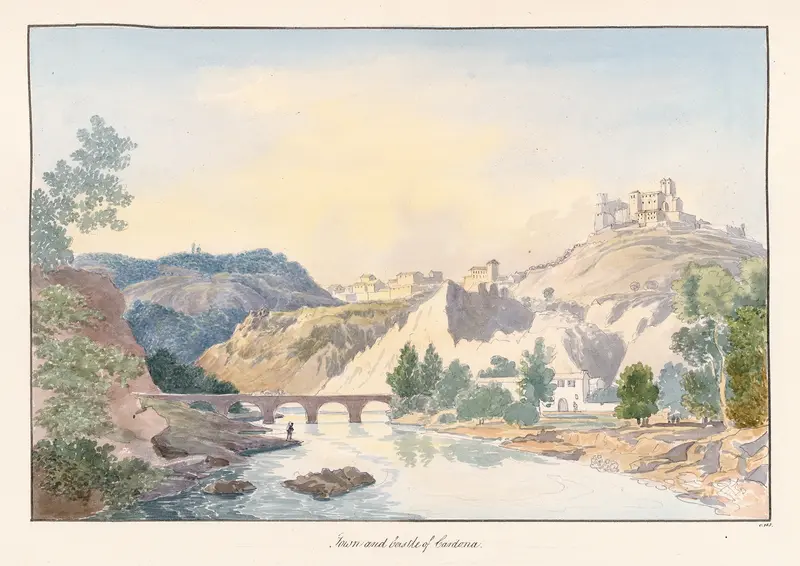
Town and Castle of Cardona
Charles Hamilton Smith
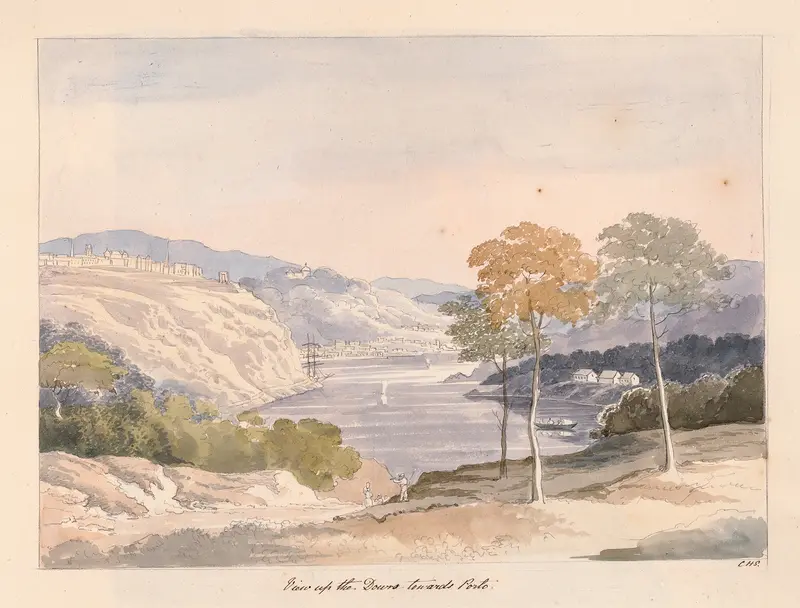
View of the Douro towards Porto
Charles Hamilton Smith





