
Crevasses on the Mer de Glace — History & Facts
In the stark beauty of nature, faith intertwines with the ephemeral, capturing moments that slip away like melting ice. Look closely at the lower right corner, where crevasses carve deep lines into the glacier's surface, their jagged edges stark against a muted bluish-white background. Notice the delicate interplay of light and shadow, the sunlight filtering through thin clouds to illuminate the icy depths. Each stroke of the brush conveys the coldness of the scene but also the warmth of the artist's gaze upon it, creating a tension between the harshness of the glacial landscape and the gentle embrace of the natural light. The intricate textures of the ice reveal deeper emotional currents—each fissure tells a story of time's relentless passage, a reminder of nature's power and fragility.
The palette, dominated by cool tones interspersed with soft whites, invites contemplation on the relationship between the permanence of the ice and the transience of human experience. This juxtaposition evokes a sense of awe and introspection, challenging viewers to consider their own fleeting existence against the vastness of nature. Elijah Walton painted Crevasses on the Mer de Glace in 1867 while in the midst of a period when the Romantic movement was waning, and artists began exploring realism and impressionism. Living in the changing landscape of 19th-century art, he sought to document the beauty of nature in a way that resonated with emotional truth.
This work emerged amidst his travels in the Alps, where he found inspiration in both the grandeur of the scenery and the profound silence that accompanied it.
More Artworks by Elijah Walton
Browse all →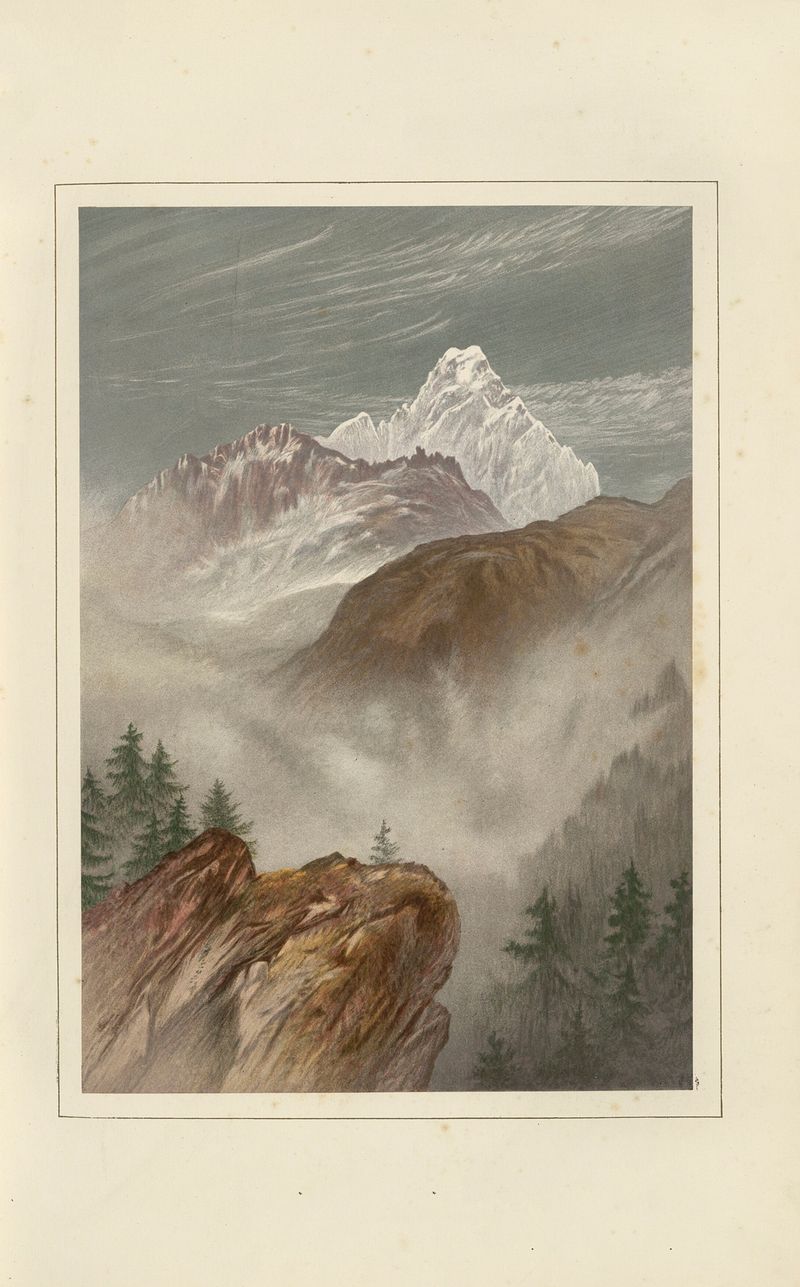
Monte Viso, from the south
Elijah Walton

The Matterhorn
Elijah Walton

The Gorner glacier
Elijah Walton

The Cascade de Roget and the Pointe de Salles
Elijah Walton
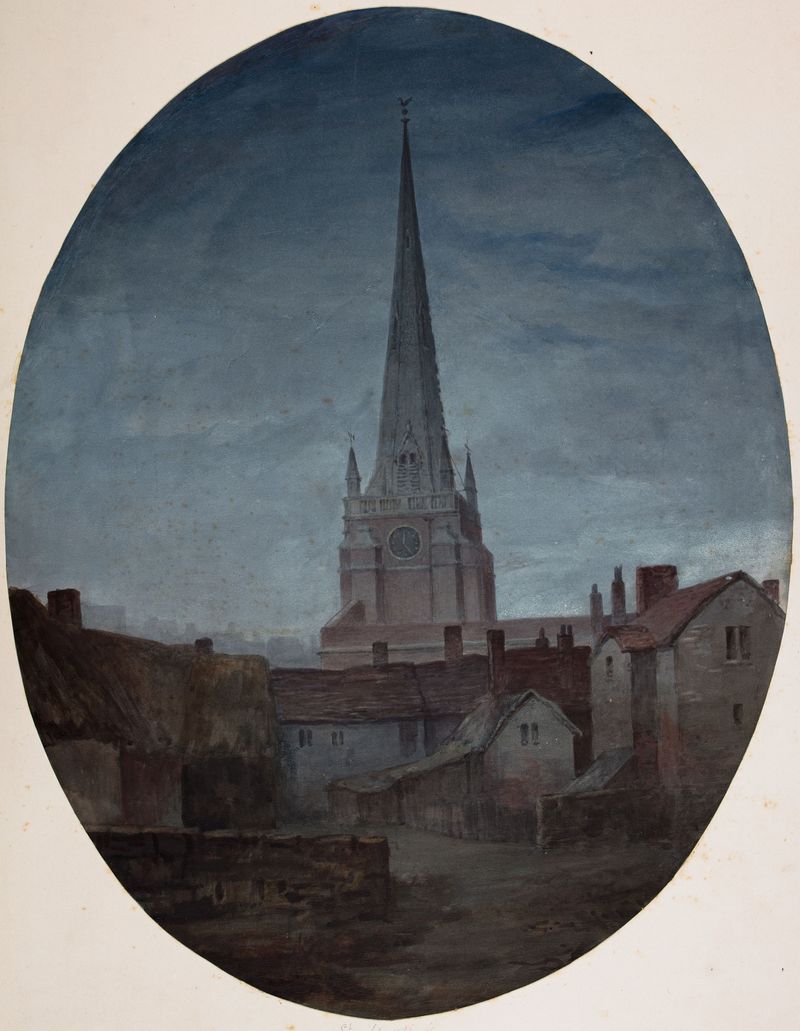
St Martin’s Church Birmingham, By Night
Elijah Walton

The Weisshorn, from near St. Niklaus
Elijah Walton

Monte Viso, from the Col de La Croix
Elijah Walton
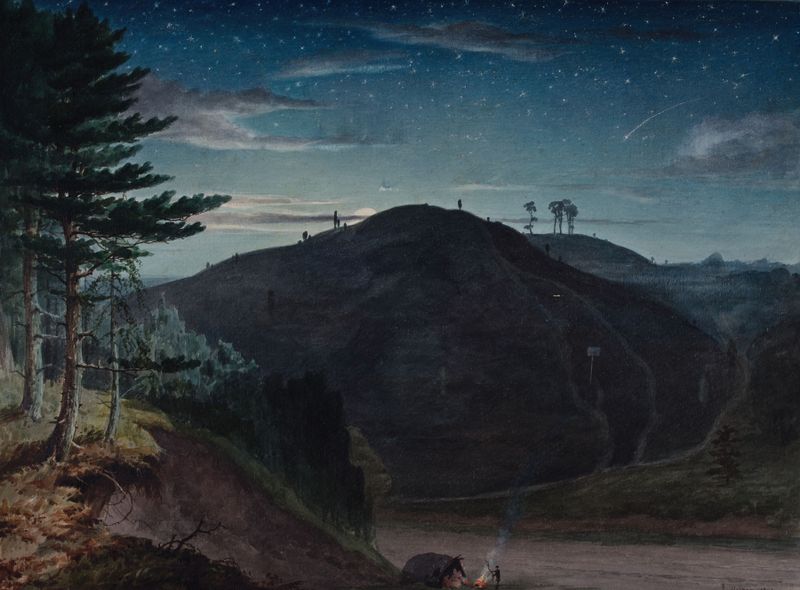
Cofton From Rednal, Moonlight
Elijah Walton
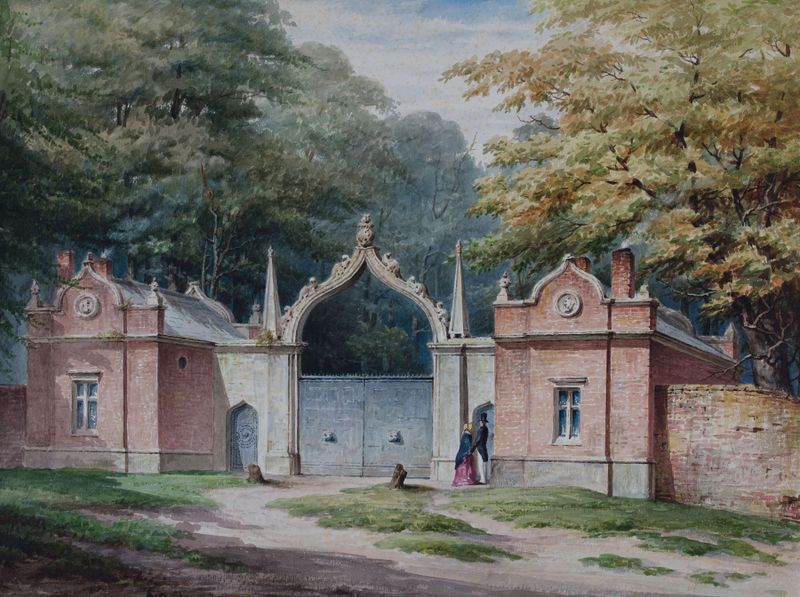
Lodge Gates, Entrance To Aston Hall
Elijah Walton
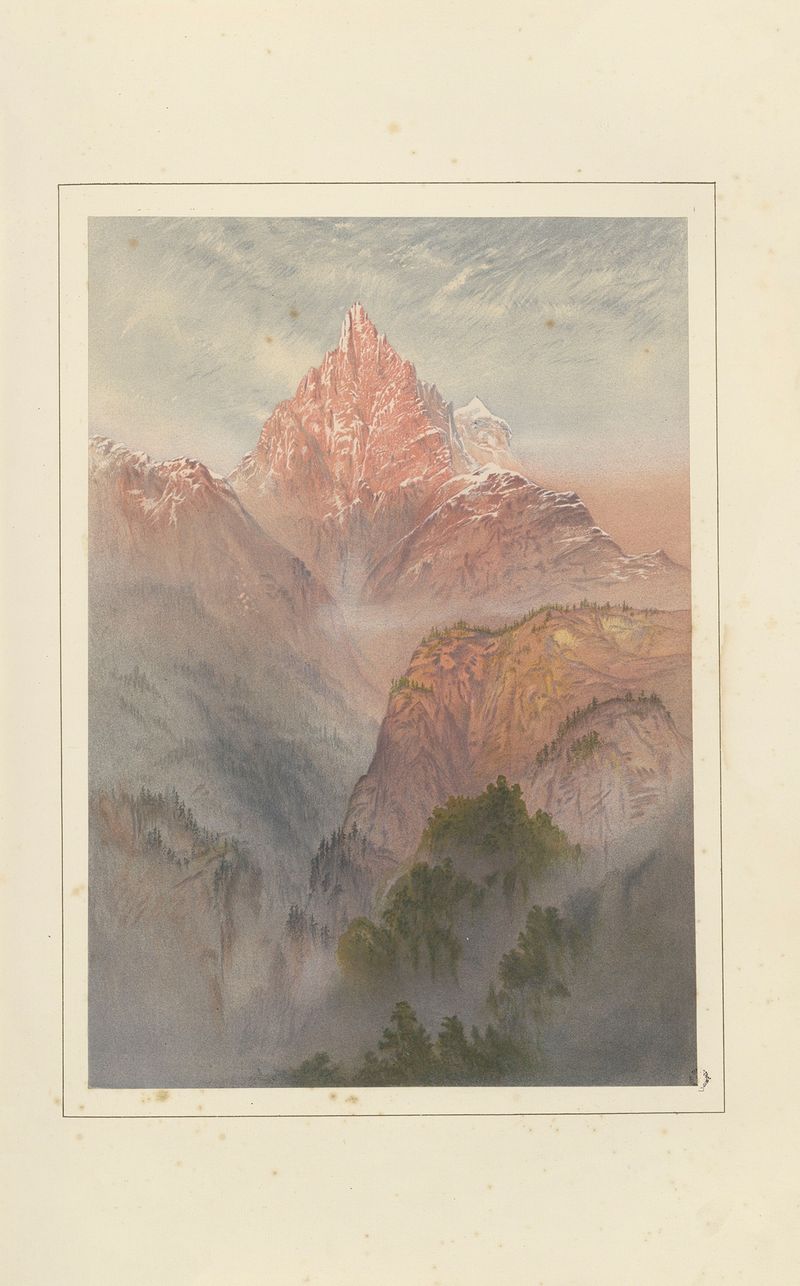
The Dent du Midi, from the Valley of the Rhône
Elijah Walton





