
The Cascade de Roget and the Pointe de Salles — History & Facts
What if beauty was never meant to be finished? In the intricate strokes of this painting, a revelation about nature and its ephemeral essence emerges. Look to the center, where cascading waters spill from craggy heights, capturing light in dynamic glimmers that dance across the canvas. The artist’s choice of cool blues and vibrant greens creates a vivid contrast, inviting you to trace the curves of the waterfall as they spiral into the pool below. Notice how the mist rises, rendered with delicate brushwork, almost ethereal against the backdrop of the rugged mountains that frame this scene.
The careful composition leads the eye through the harmony of nature’s elements, a testament to Walton’s mastery. Beneath the surface, the painting suggests a narrative of transformation and the passage of time. The towering mountains may symbolize permanence, while the waterfall embodies the fleeting nature of beauty, evoking a sense of longing. Small details, like the droplets of water captured mid-air, challenge the viewer to consider the moments that slip away unnoticed.
Here, the juxtaposition of solid and fluid communicates the tension between stability and change, a reminder of life’s impermanence. In 1867, Elijah Walton crafted this piece during a period of personal exploration and artistic experimentation, influenced by the burgeoning Romantic movement. Living in an era that celebrated nature, he sought to encapsulate its majesty amidst a rapidly industrializing world. This painting reflects not just a landscape, but also the artist's yearning to capture and preserve the essence of beauty that constantly eludes grasp.
More Artworks by Elijah Walton
Browse all →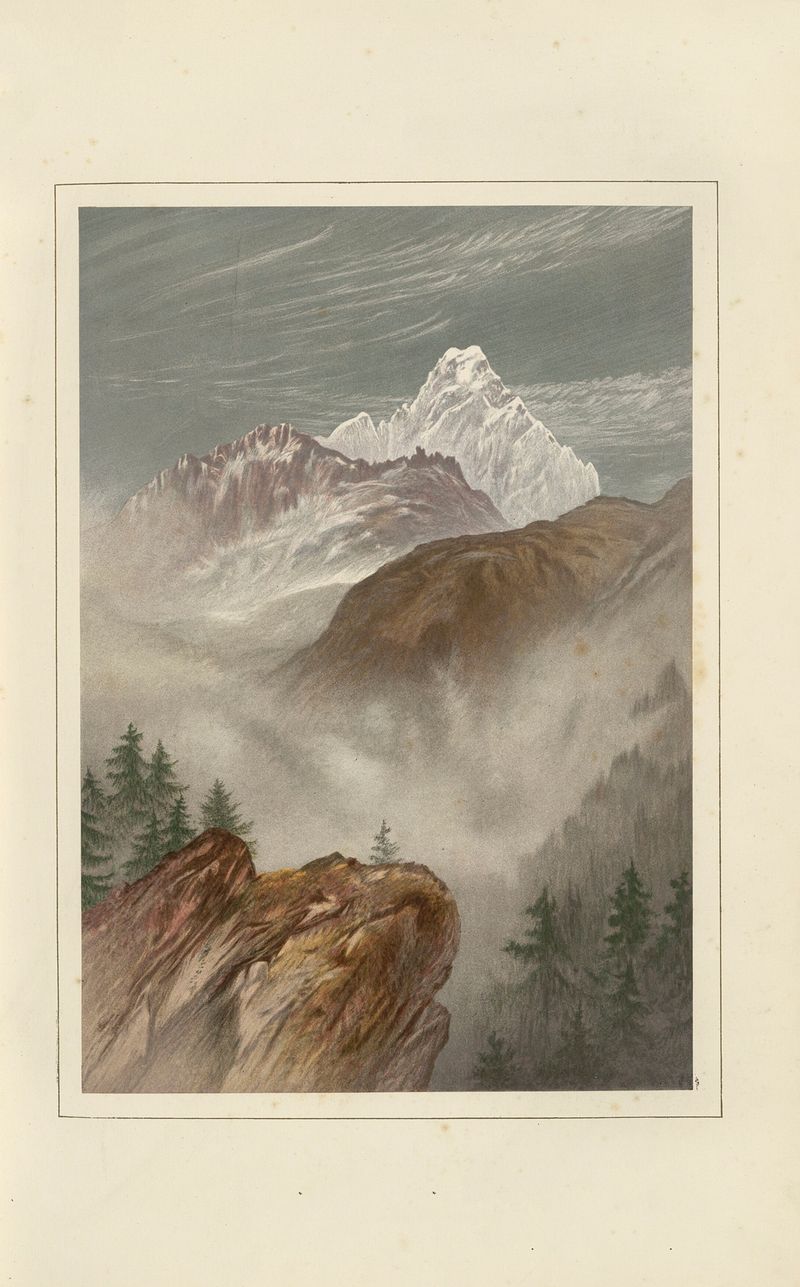
Monte Viso, from the south
Elijah Walton

The Matterhorn
Elijah Walton

The Gorner glacier
Elijah Walton
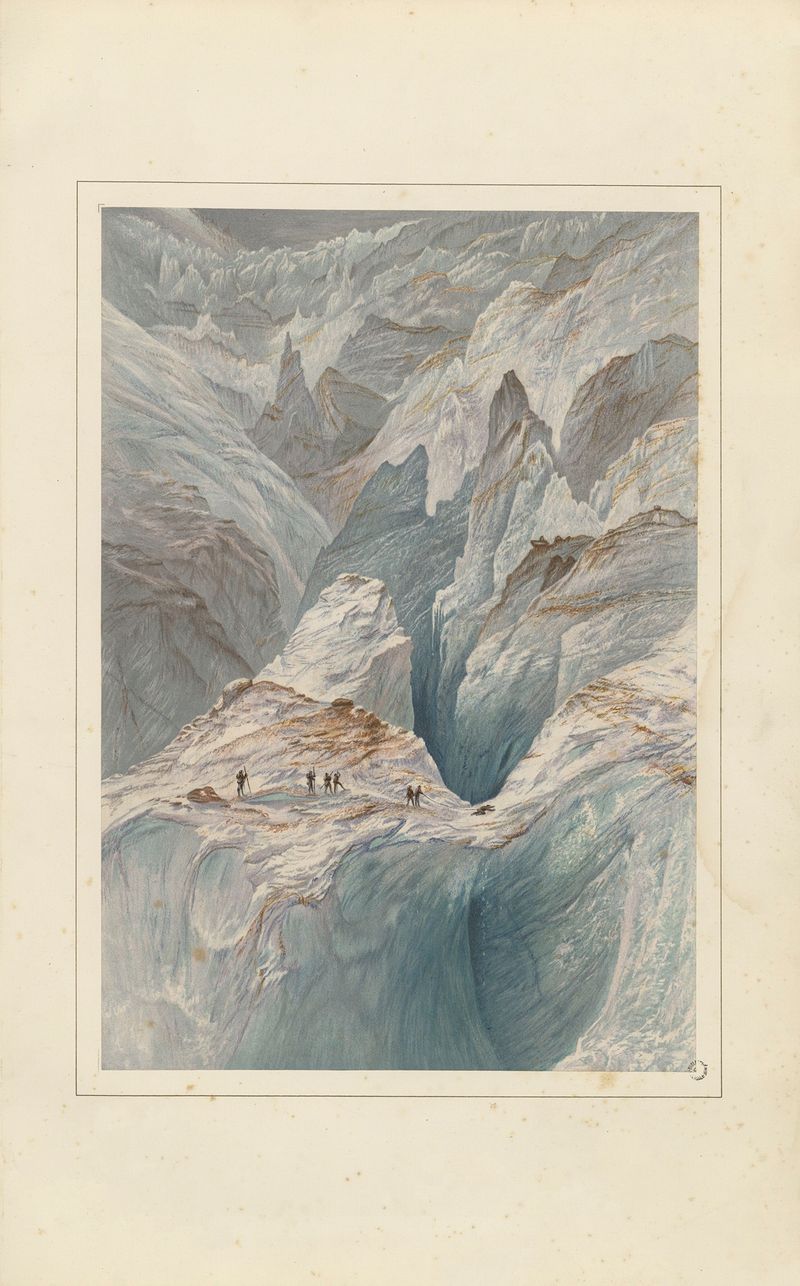
Crevasses on the Mer de Glace
Elijah Walton
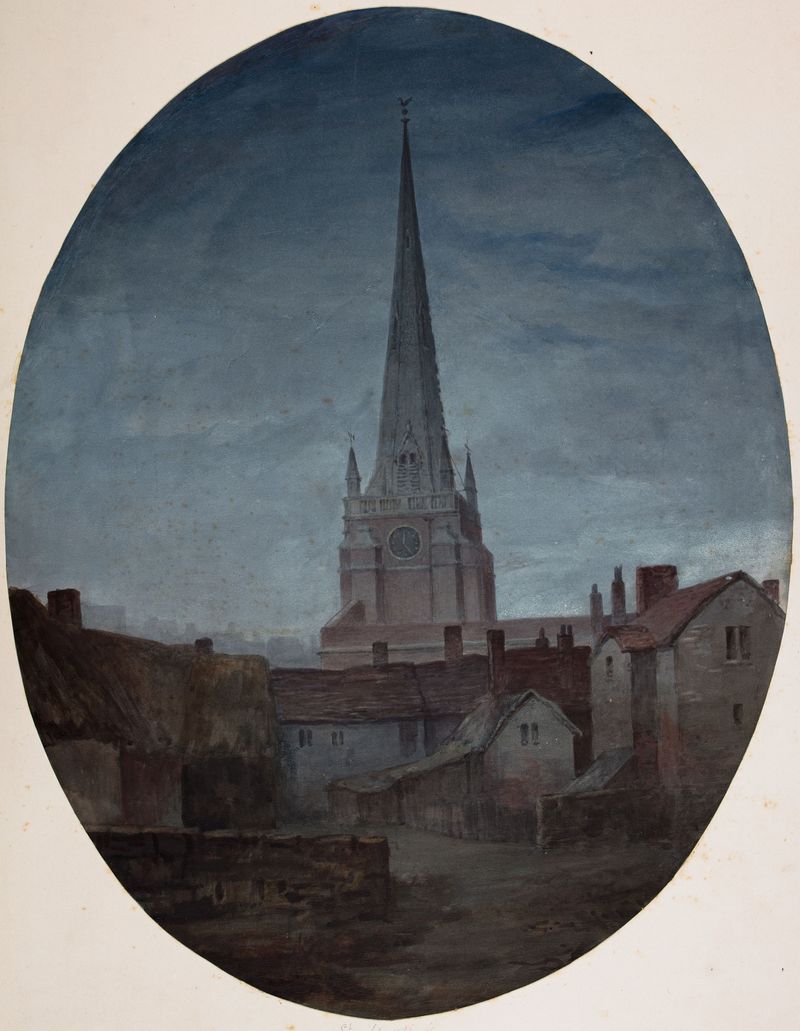
St Martin’s Church Birmingham, By Night
Elijah Walton

The Weisshorn, from near St. Niklaus
Elijah Walton

Monte Viso, from the Col de La Croix
Elijah Walton
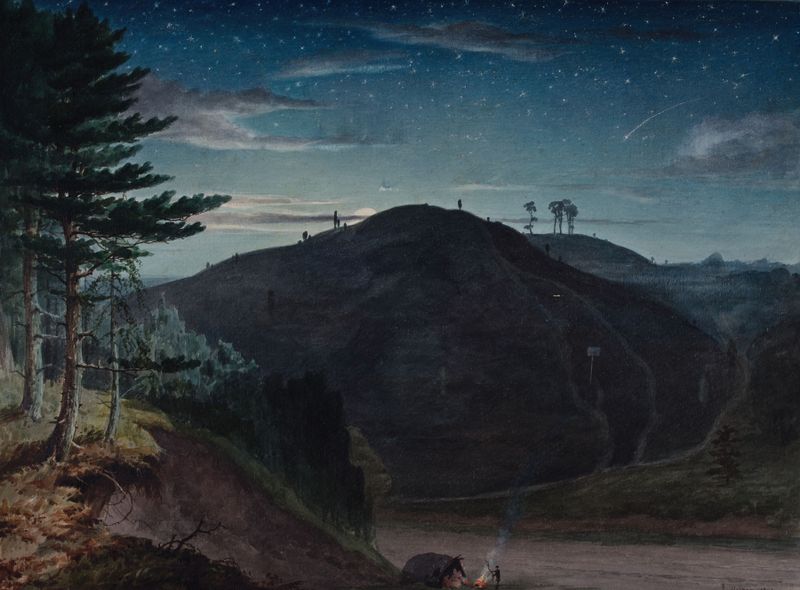
Cofton From Rednal, Moonlight
Elijah Walton
Lodge Gates, Entrance To Aston Hall
Elijah Walton
The Dent du Midi, from the Valley of the Rhône
Elijah Walton





