
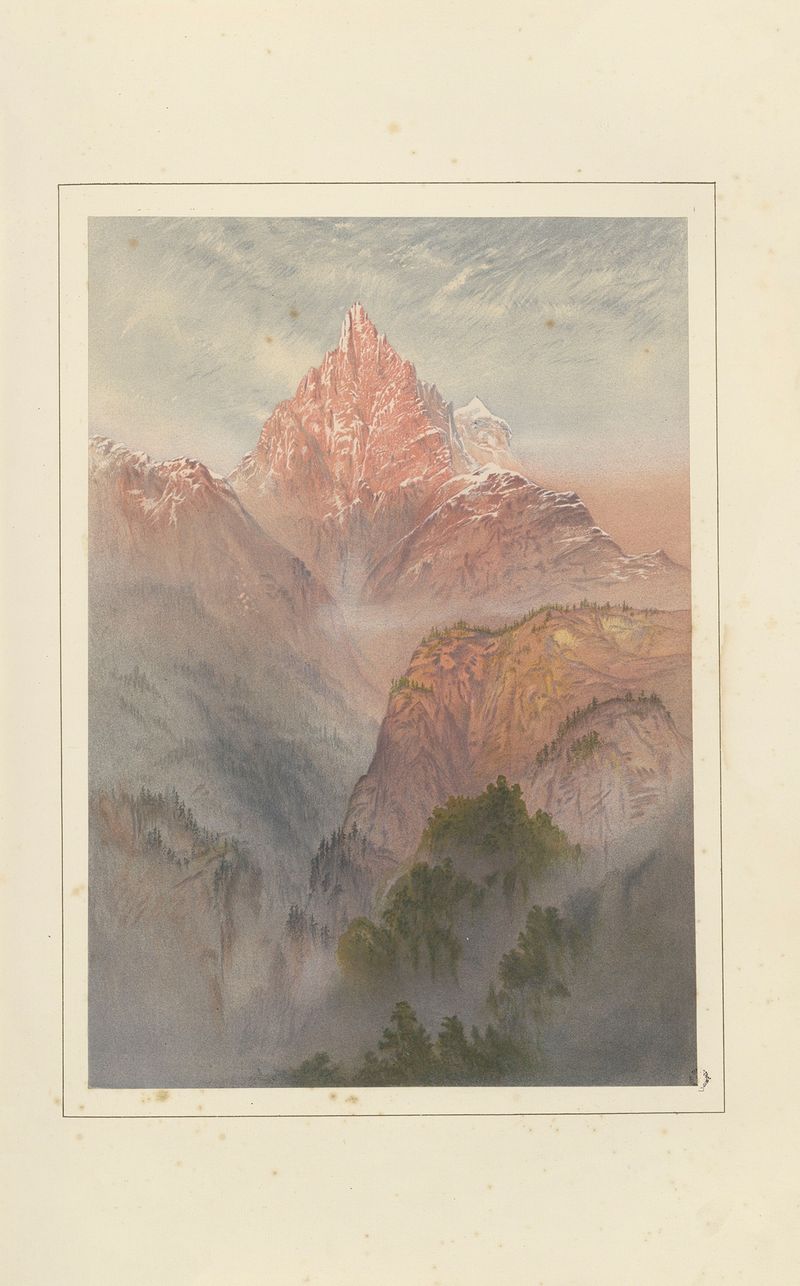
Monte Viso, from the south — History & Facts
The majestic peaks often evoke an exhilaration that can quickly turn to melancholy, a reflection of our own fleeting existence amid nature's grandeur. Focus first on the mountain’s imposing silhouette, rising against the soft hues of dawn. The artist captures the icy summit, its brilliance stark against the warm, inviting sky, creating a juxtaposition that invites contemplation of mortality. Notice how the gentle gradient of light spills across the lower slopes, revealing lush valleys that hint at life’s abundance, even as they frame the starkness of the mountains above. Within the canvas, a dialogue unfolds between the serenity of the landscape and the deep-seated awareness of life's transience.
The vibrant golds and soft blues may evoke a sense of peace, yet the towering strength of the mountain suggests an unyielding permanence, a reminder of the inevitable passage of time. The intricate brushwork reveals a dichotomy: the fleeting beauty of nature contrasted with the unchanging, formidable presence of the mountain, echoing our own struggles against the tides of mortality. In 1867, Elijah Walton painted this piece during a period of personal exploration and artistic growth. Living in an era where landscape painting was gaining prominence, he sought to capture the sublime beauty of nature while grappling with life's ephemeral nature.
The mid-19th century was marked by profound shifts in society, making his exploration of permanence and transience particularly resonant in the context of both his life and the broader world.
More Artworks by Elijah Walton
Browse all →
The Matterhorn
Elijah Walton

The Gorner glacier
Elijah Walton

The Cascade de Roget and the Pointe de Salles
Elijah Walton
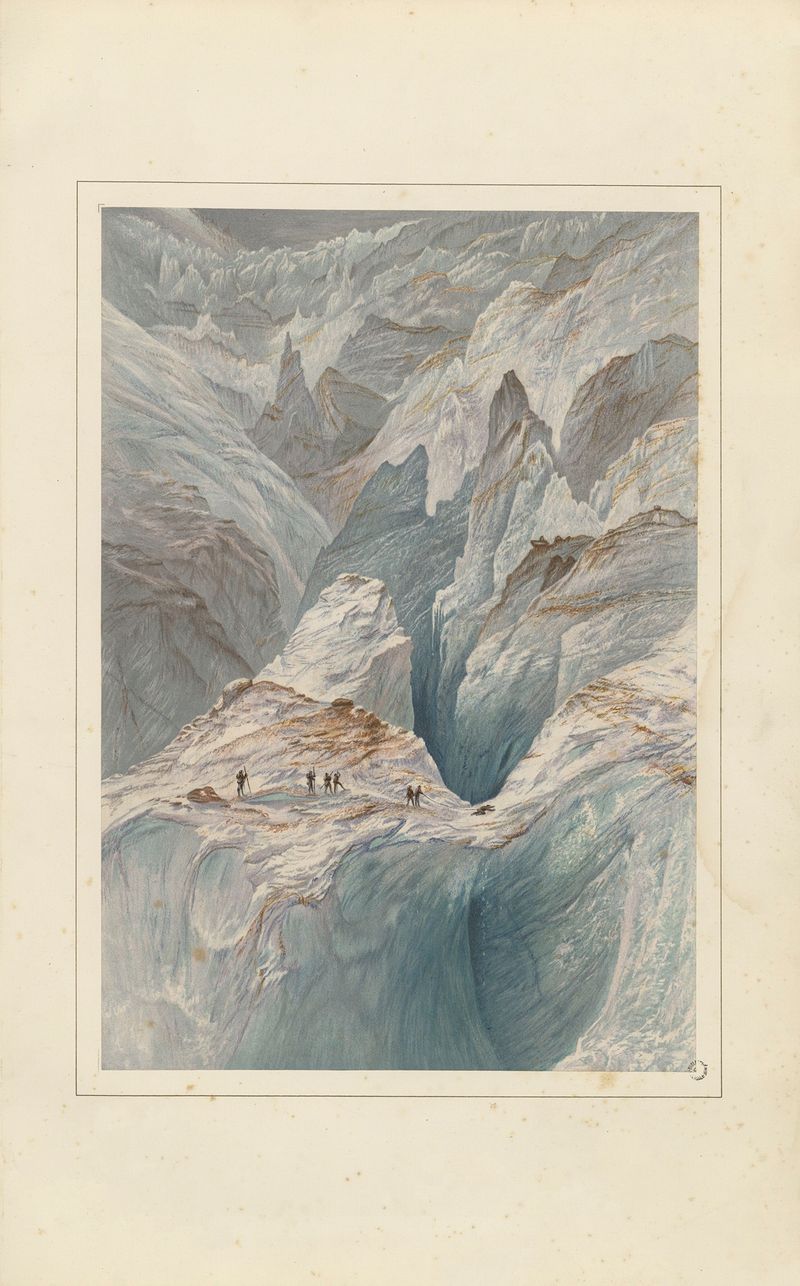
Crevasses on the Mer de Glace
Elijah Walton
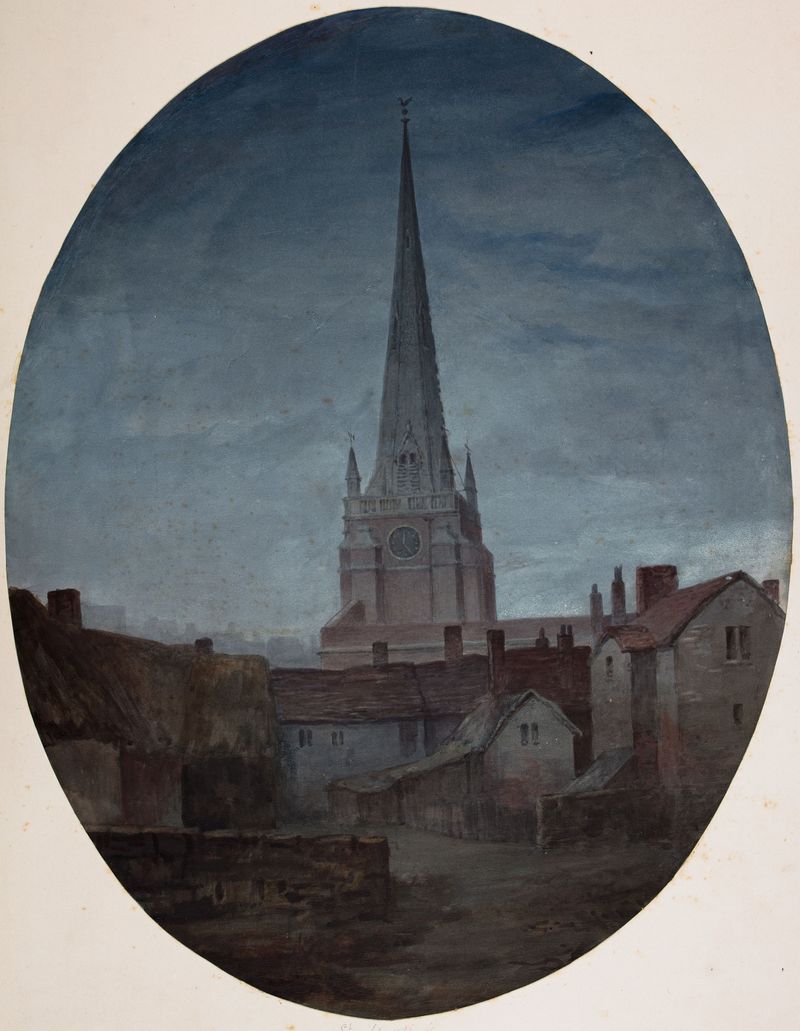
St Martin’s Church Birmingham, By Night
Elijah Walton

The Weisshorn, from near St. Niklaus
Elijah Walton

Monte Viso, from the Col de La Croix
Elijah Walton
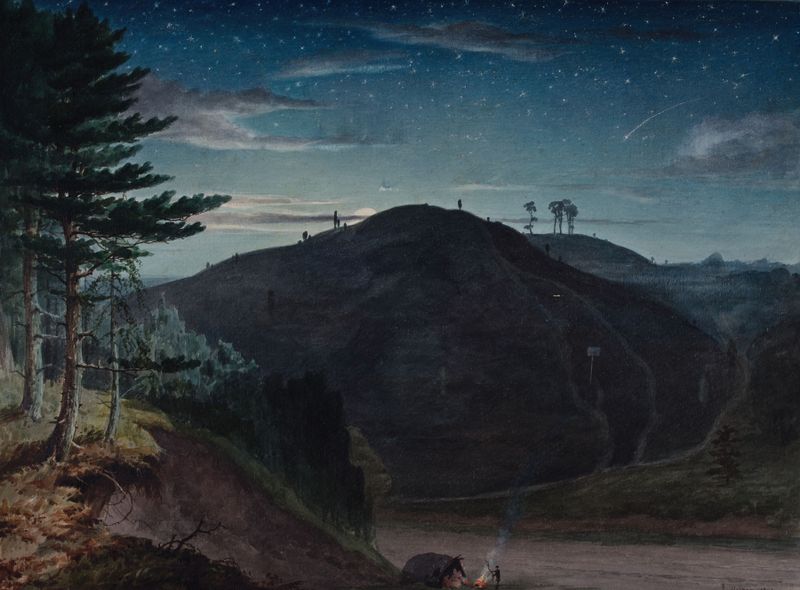
Cofton From Rednal, Moonlight
Elijah Walton
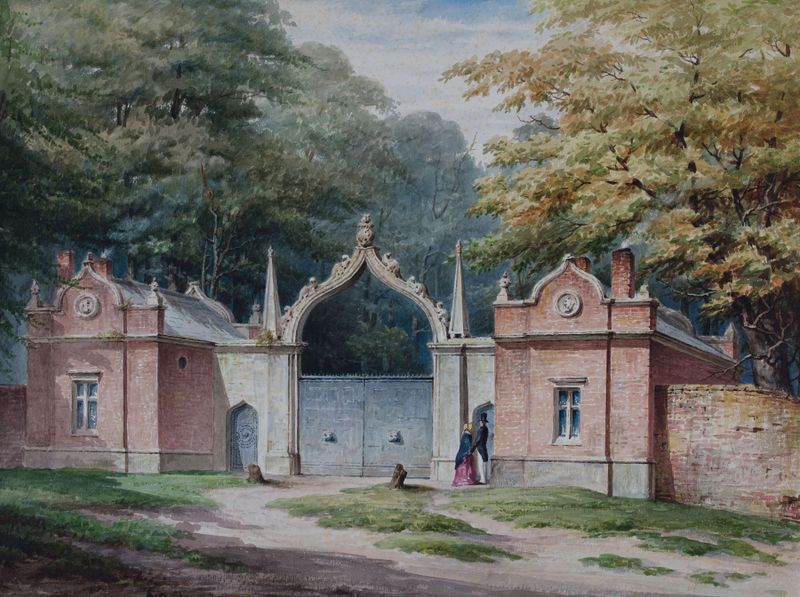
Lodge Gates, Entrance To Aston Hall
Elijah Walton
The Dent du Midi, from the Valley of the Rhône
Elijah Walton





