
The Matterhorn — History & Facts
What if silence could speak through light? In The Matterhorn, the interplay of shadow and illumination reveals a profound dialogue between nature and the viewer. The towering mountain stands resolute, embodying both majesty and solitude, holding within its stillness the whispers of the world around it. Look to the upper left of the canvas, where the sharp peak catches the first rays of dawn, bathed in a golden hue. This brilliant light contrasts sharply with the dark, craggy slopes that loom beneath, creating a dynamic tension.
The meticulous brushwork captures the rugged texture of the rock face, while layers of muted blues and greens in the foreground form a serene backdrop, evoking an atmosphere of calmness that belies the mountain's formidable presence. Delve deeper into the shadows nestled at the mountain's base, where hints of vegetation struggle for life against the overwhelming scale of their surroundings. This contrast between light and dark symbolizes the duality of existence—triumph and despair, beauty and danger. The careful arrangement of elements encourages reflection on humanity's own fragility in the face of nature's grandeur, inviting the viewer to consider their place in the world. In 1867, Elijah Walton painted The Matterhorn during a period marked by the romantic fascination with the sublime power of nature.
Living in a time of artistic exploration, he was influenced by the growing movement that sought to capture the majesty of landscapes. Walton's work reflects not only the physicality of the mountain but also the emotional resonance that such monumental scenes could evoke in an audience captivated by the great outdoors.
More Artworks by Elijah Walton
Browse all →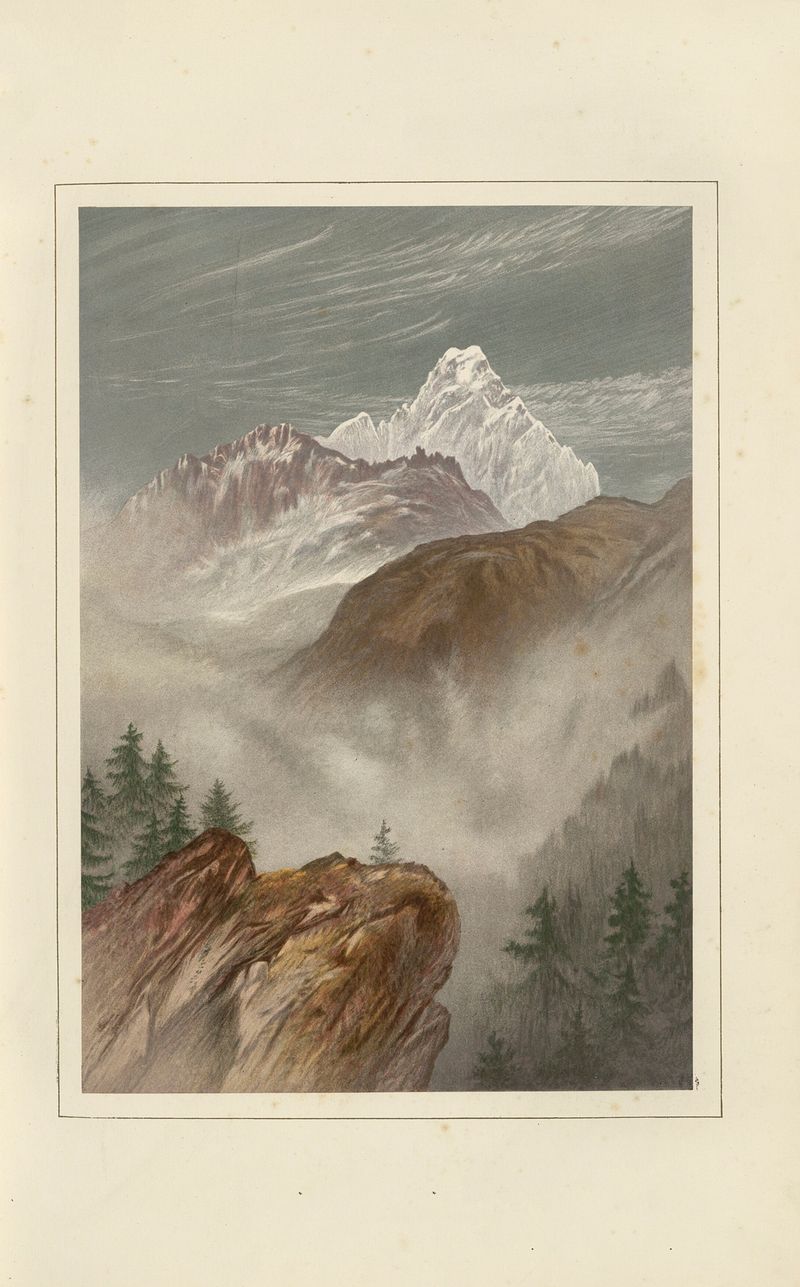
Monte Viso, from the south
Elijah Walton

The Gorner glacier
Elijah Walton

The Cascade de Roget and the Pointe de Salles
Elijah Walton
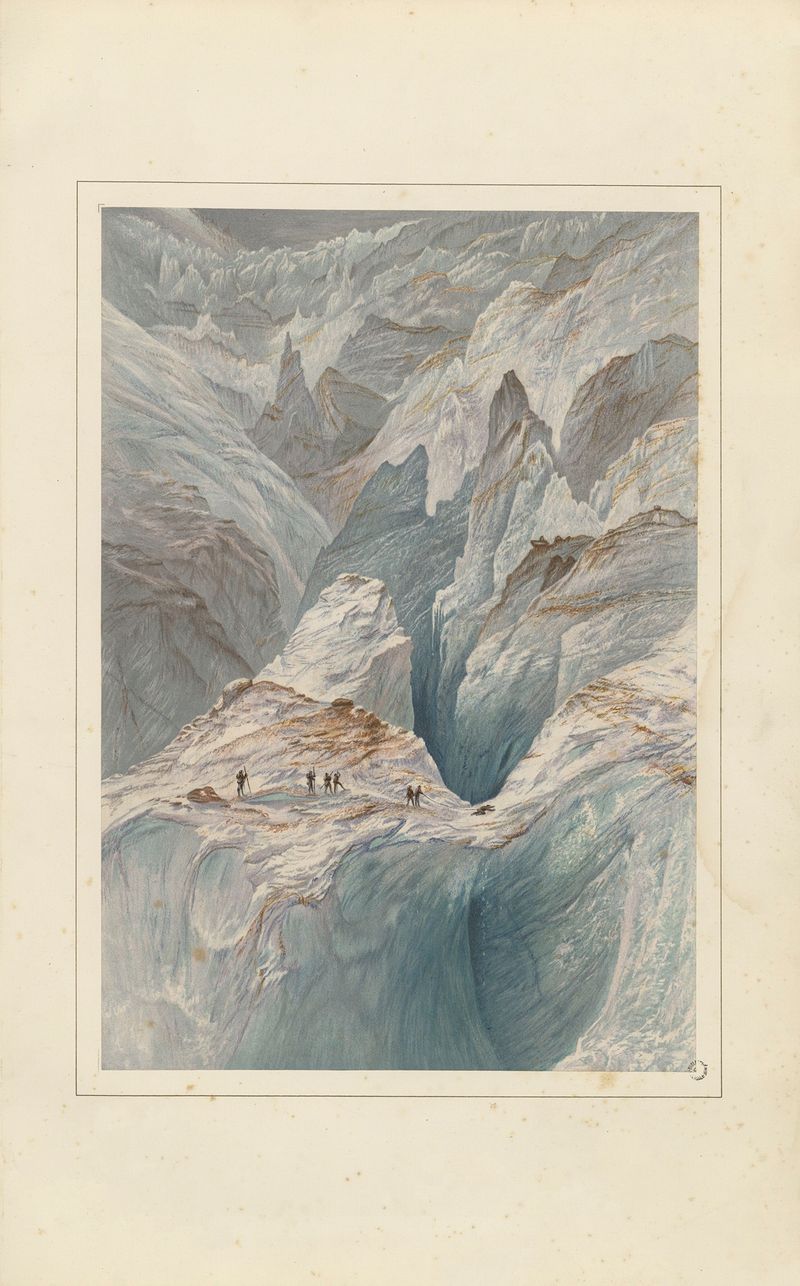
Crevasses on the Mer de Glace
Elijah Walton
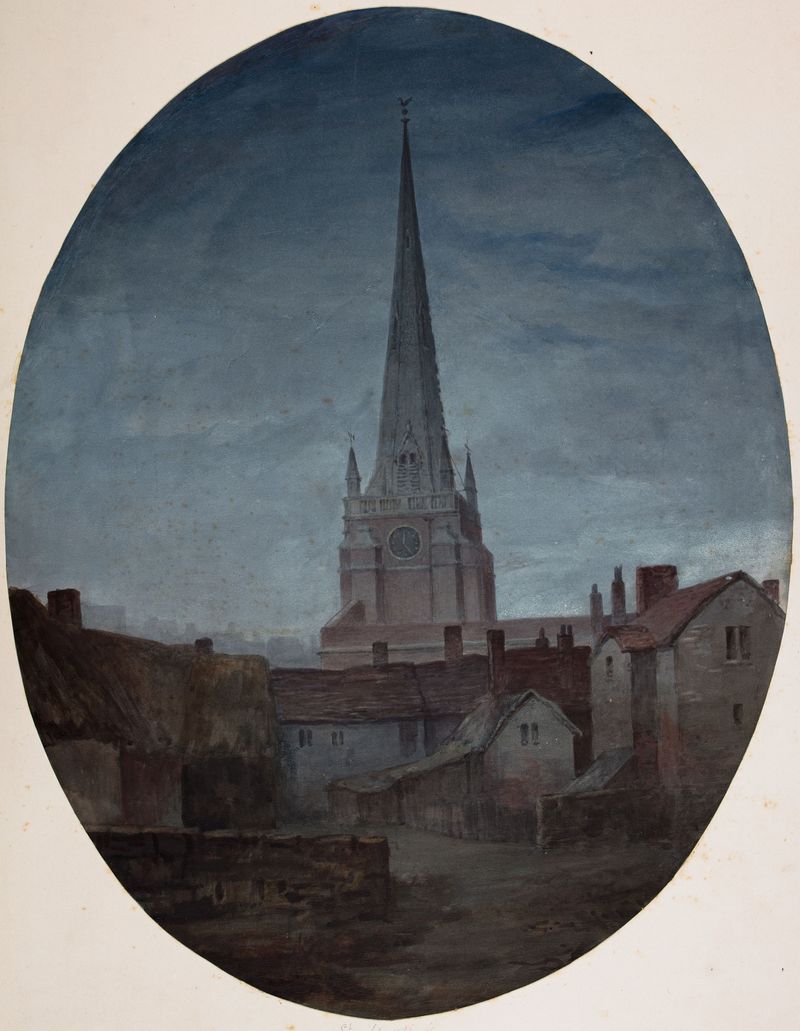
St Martin’s Church Birmingham, By Night
Elijah Walton

The Weisshorn, from near St. Niklaus
Elijah Walton

Monte Viso, from the Col de La Croix
Elijah Walton
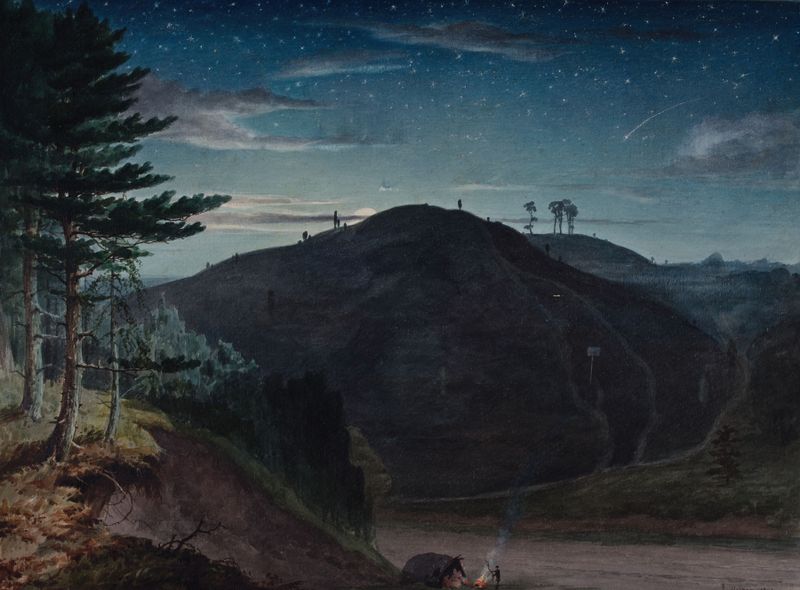
Cofton From Rednal, Moonlight
Elijah Walton
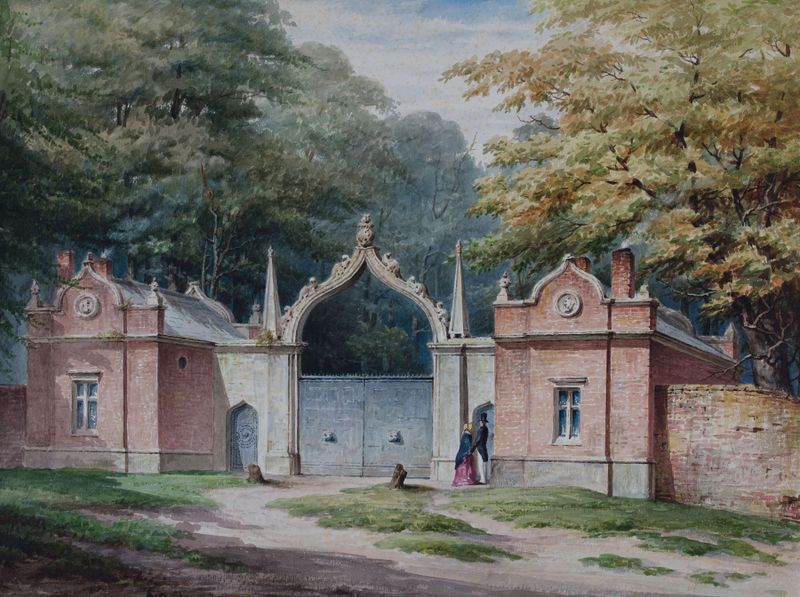
Lodge Gates, Entrance To Aston Hall
Elijah Walton
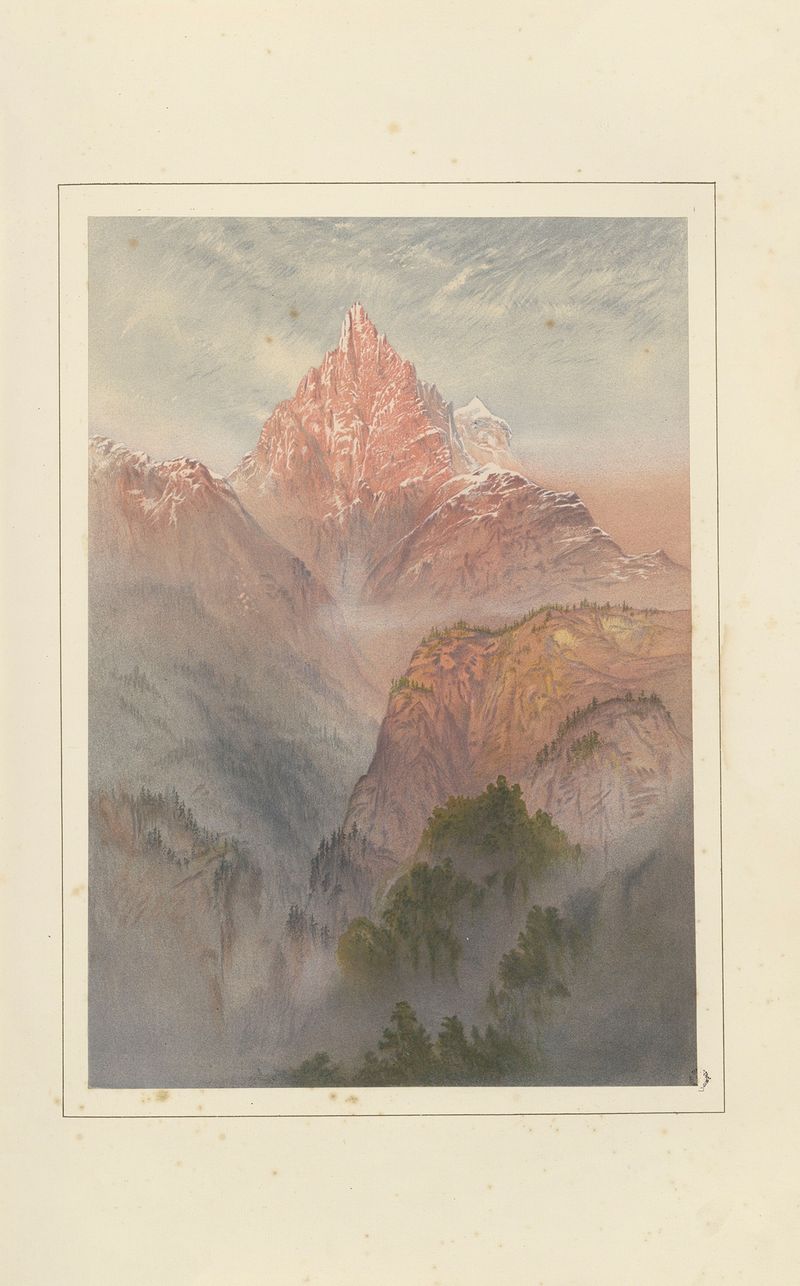
The Dent du Midi, from the Valley of the Rhône
Elijah Walton





