
Cripta — History & Facts
Is this a mirror — or a memory? The stillness of Cripta invites introspection, drawing us into the depths of its emptiness, where echoes of the past linger and whisper secrets of silence. Focus on the expansive vault above, where light streams through crumbling arches, casting ethereal illumination onto the forgotten stone floor. Notice how the pale hues of the walls contrast sharply with the shadows lurking in the corners, creating a sense of unease yet profound beauty. The meticulous brushwork reveals textures that speak of decay and time, while the gentle interplay of light and shadow leads your gaze around the somber space, evoking the fragility of existence. In this work, the artist encapsulates a haunting tension between presence and absence.
The remnants of earlier grandeur are palpable, suggesting a history that weighs heavily on the viewer's heart. This emptiness serves as a poignant reminder of impermanence, inviting us to confront our own fleeting memories and lost connections, while the stillness evokes a longing for what has been left behind. In 1844, Genaro Pérez Villaamil painted Cripta during a period marked by the Romantic movement’s exploration of nature and the sublime. Residing in Spain, he was influenced by the heightened emotionalism of his contemporaries, focusing on themes of nostalgia and decay.
This artwork reflects his preoccupation with the passage of time, resonating with viewers who grapple with the complexities of memory and the inevitable loss that accompanies it.
More Artworks by Genaro Pérez Villaamil
Browse all →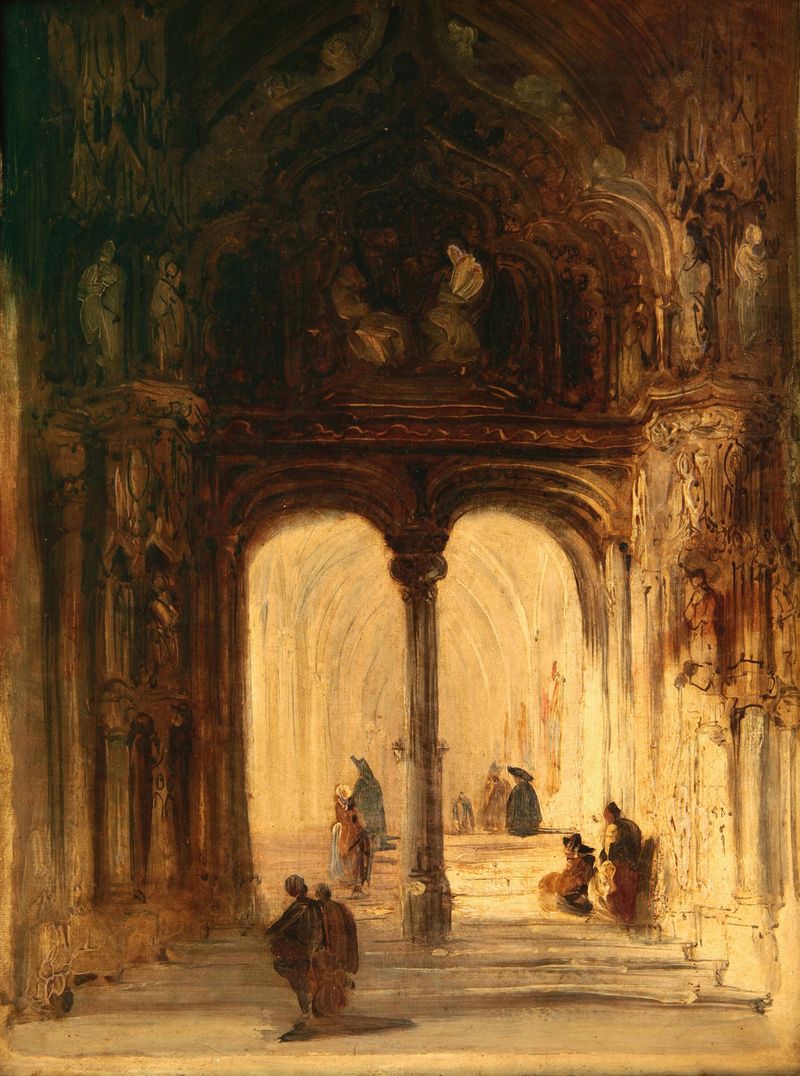
Interior de Iglesia
Genaro Pérez Villaamil
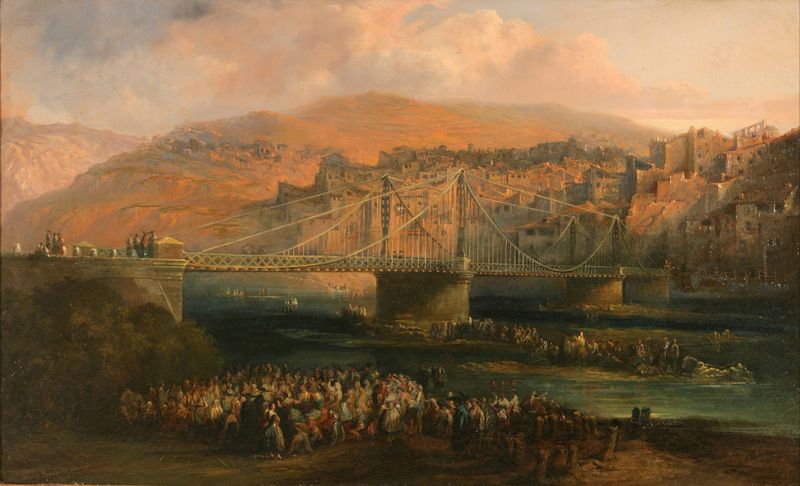
View of City of Fraga and its Hanging Bridge
Genaro Pérez Villaamil
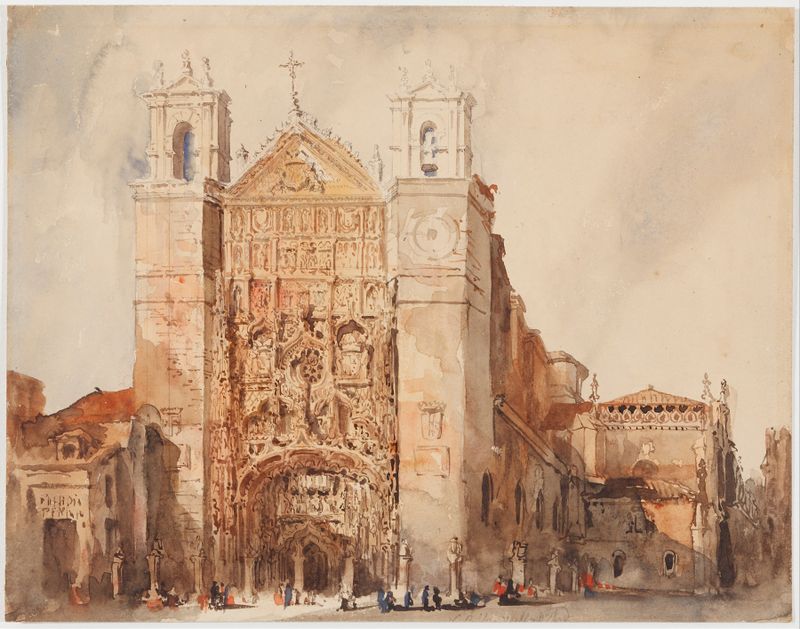
Church of Saint Paul, Valladolid
Genaro Pérez Villaamil
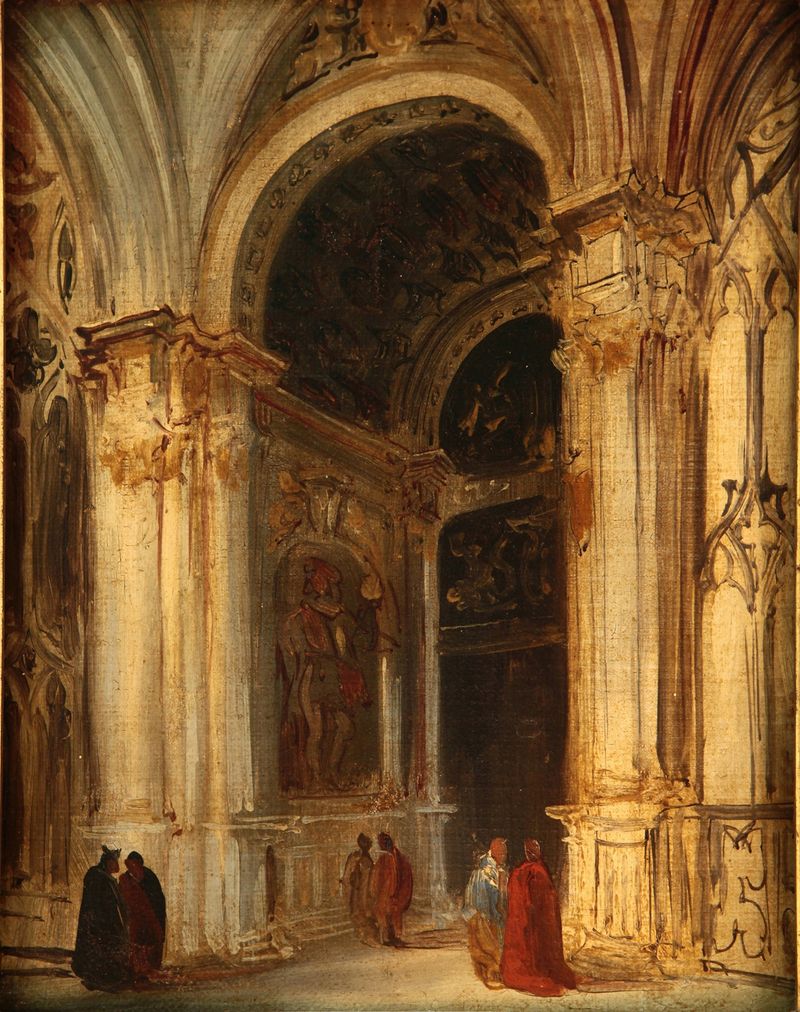
Interior de iglesia
Genaro Pérez Villaamil
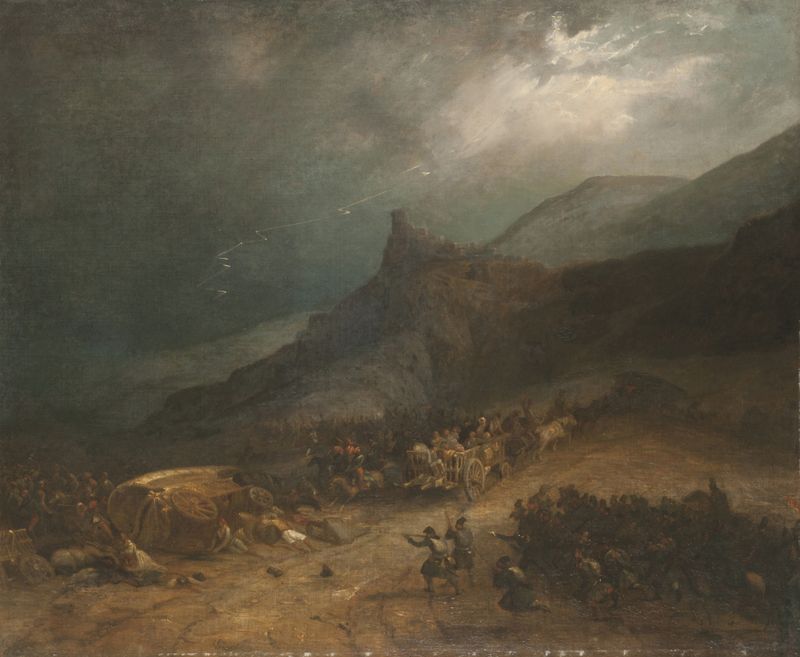
Ataque a un convoy carlista (La batalla de Arlabán)
Genaro Pérez Villaamil
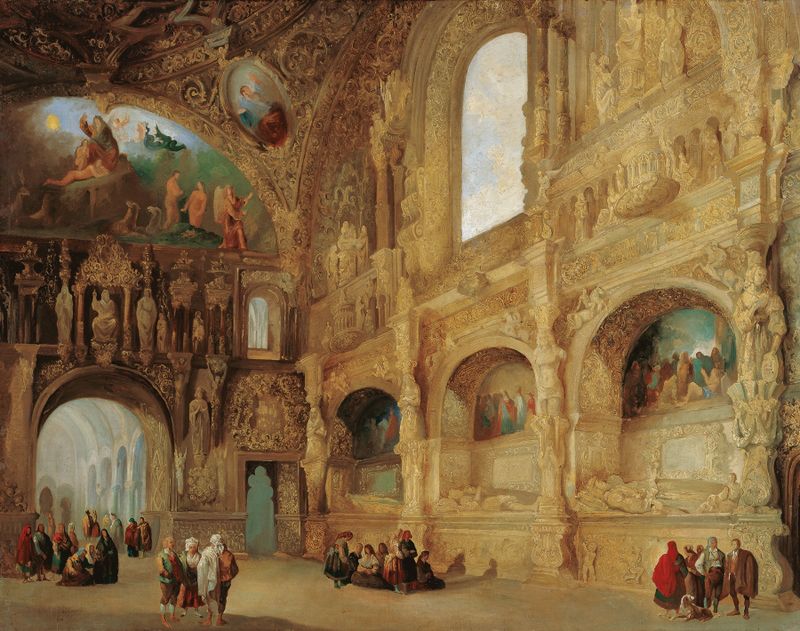
The Benavente Chapel at Medina de Rioseco
Genaro Pérez Villaamil
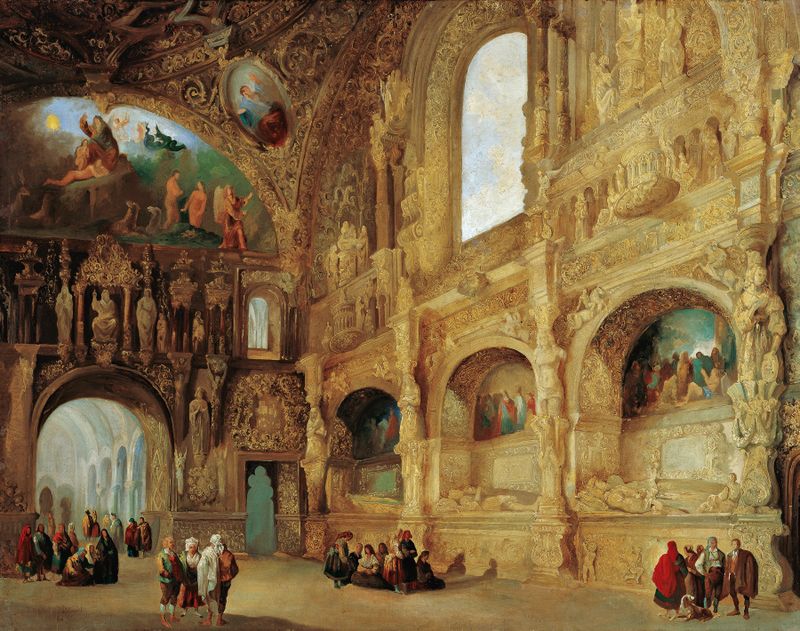
The Chapel Of The Benavente Family In Medina De Rioseco
Genaro Pérez Villaamil
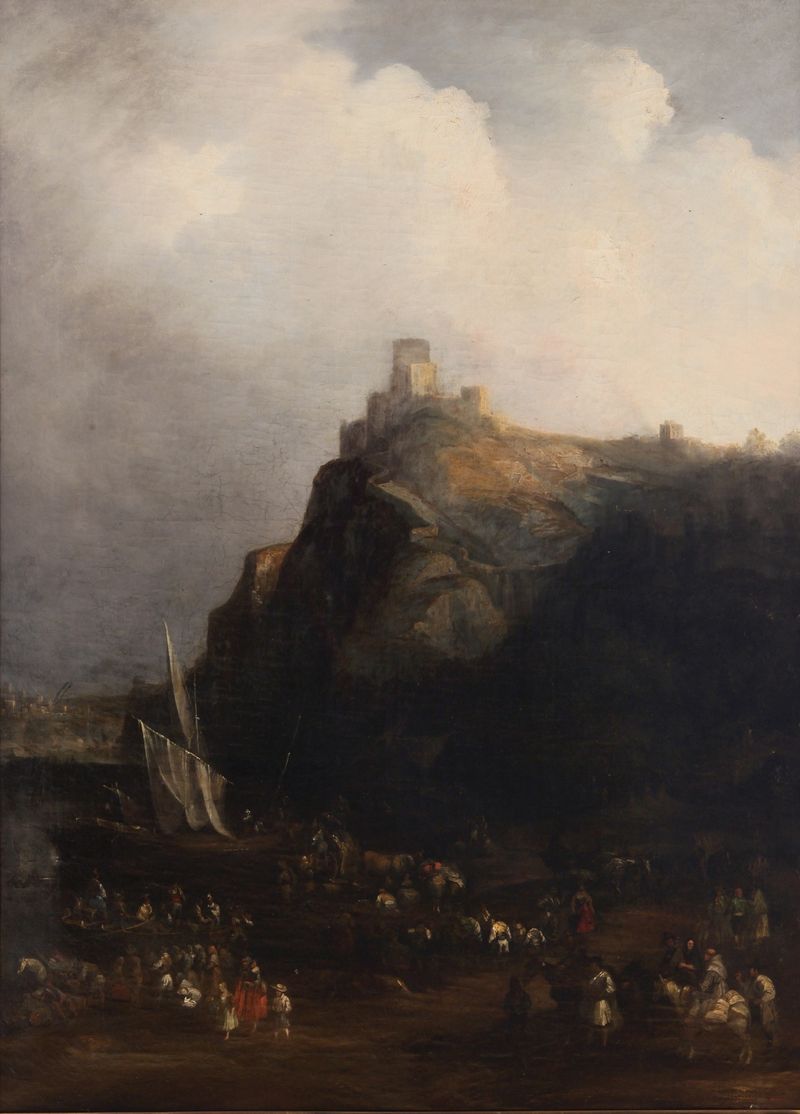
El Castillo de Gaucin
Genaro Pérez Villaamil
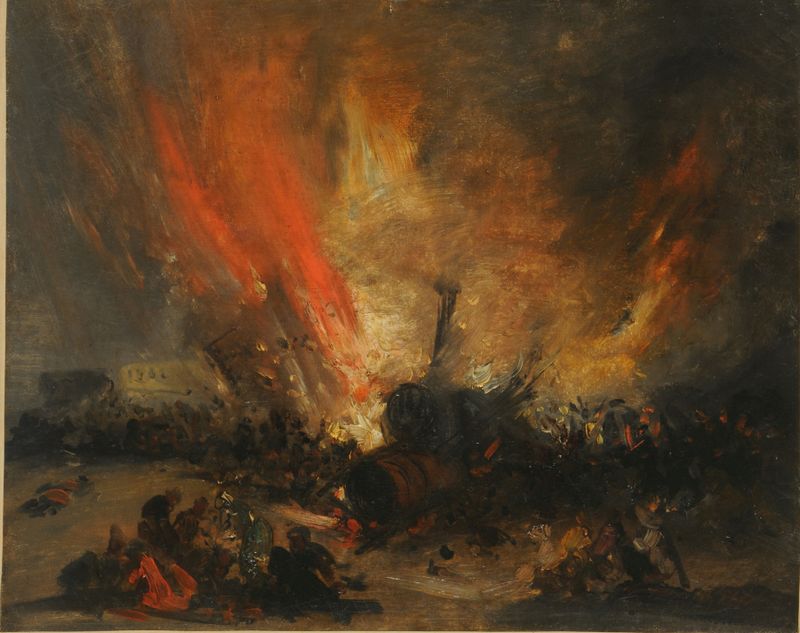
Explosión de una locomotora
Genaro Pérez Villaamil
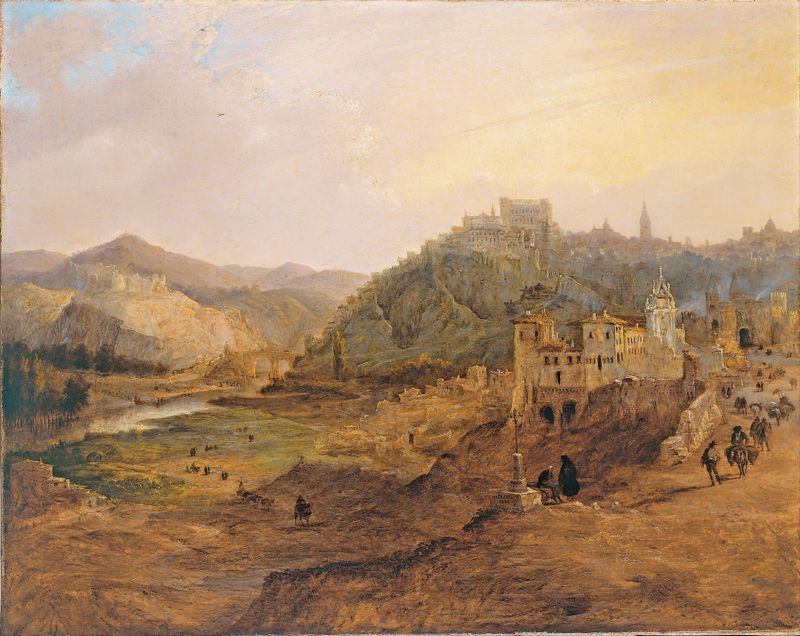
General View of Toledo from the Cross of the Canons
Genaro Pérez Villaamil
More Architecture Art
Browse all →
The statue of Liberty
Frédéric Auguste Bartholdi

View of Houses in Delft, Known as ‘The Little Street’
Johannes Vermeer

View of Houses in Delft, Known as ‘The Little Street’
Johannes Vermeer

The Cathedral in Rouen. The portal, Grey Weather
Claude Monet

The yellow house
Vincent van Gogh

The Church in Auvers-sur-Oise, View from the Chevet
Vincent van Gogh