Interior de iglesia — History & Facts
When did color learn to lie? The vibrancy of hues can mask the weight of memories buried within the walls they adorn. Look to the left, where delicate arches rise, bathed in a soft golden light that spills through the windows. The viewer’s gaze is drawn to the interplay of shadows and highlights, revealing intricate details of the architecture. Notice how the cool blues and warm ambers blend seamlessly, inviting you into an intimate embrace of reverence and contemplation.
Each brushstroke reveals the artist’s masterful command of light, creating a sense of stillness that captures a fleeting moment in time. Beneath the surface lies a deeper dialogue between the sacred and the mundane. The contrast between the polished surfaces of the church’s interior and the rugged textures of the untouched surroundings evokes a tension between aspiration and reality. Here, memories intertwine with the sacred space; it is as if the colors themselves whisper stories of those who sought solace within these hallowed walls.
The gentle balance of color and form speaks to the fleeting nature of faith and memory that is both transient and eternal. Created in the mid-nineteenth century, this piece reflects a pivotal moment in the artist's career, during which he embraced Romanticism's emotional depth. Living in Spain, Pérez Villaamil was deeply influenced by the cultural resurgence of the period, which sought to intertwine national identity and personal experience through art. As he painted this interior, significant changes were unfolding in Spain's artistic landscape, with a growing appreciation for realism and a longing to capture the timeless beauty of heritage.
More Artworks by Genaro Pérez Villaamil
Browse all →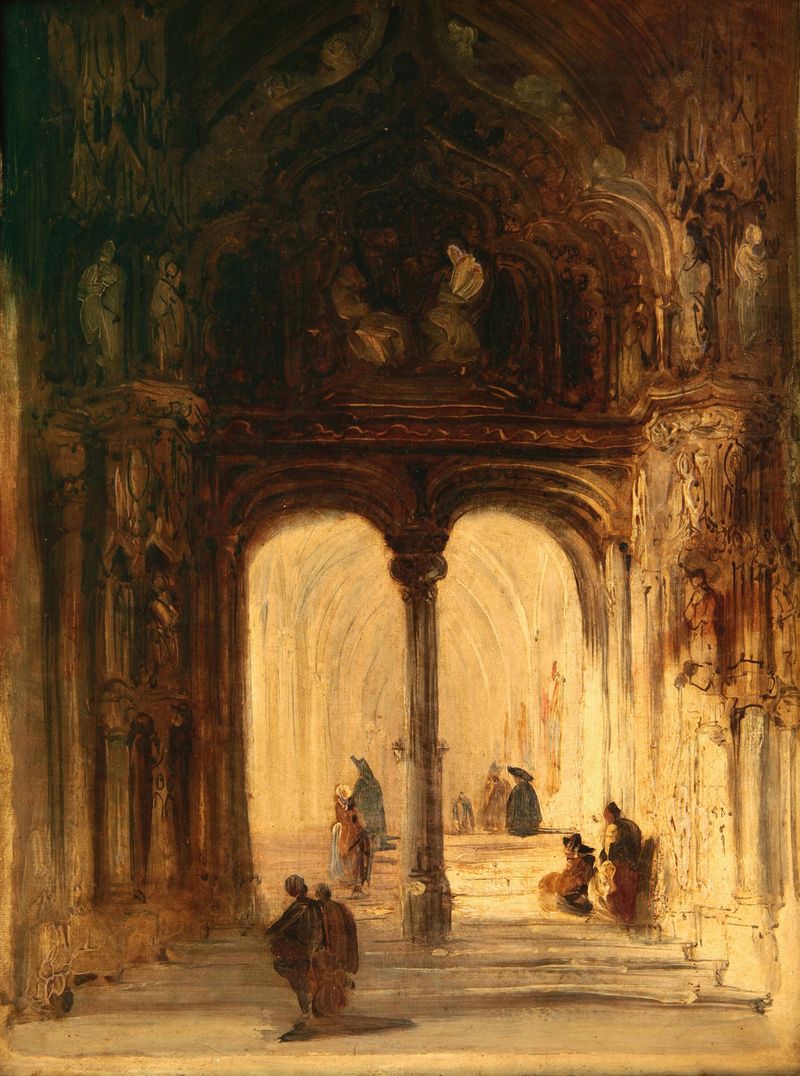
Interior de Iglesia
Genaro Pérez Villaamil
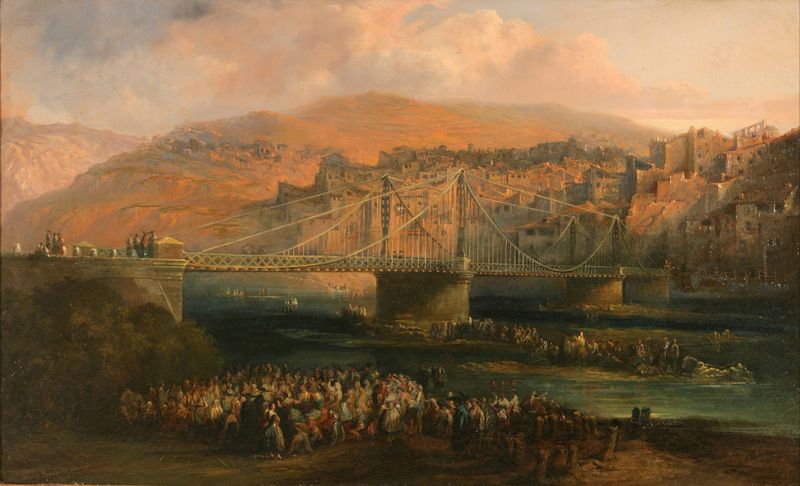
View of City of Fraga and its Hanging Bridge
Genaro Pérez Villaamil
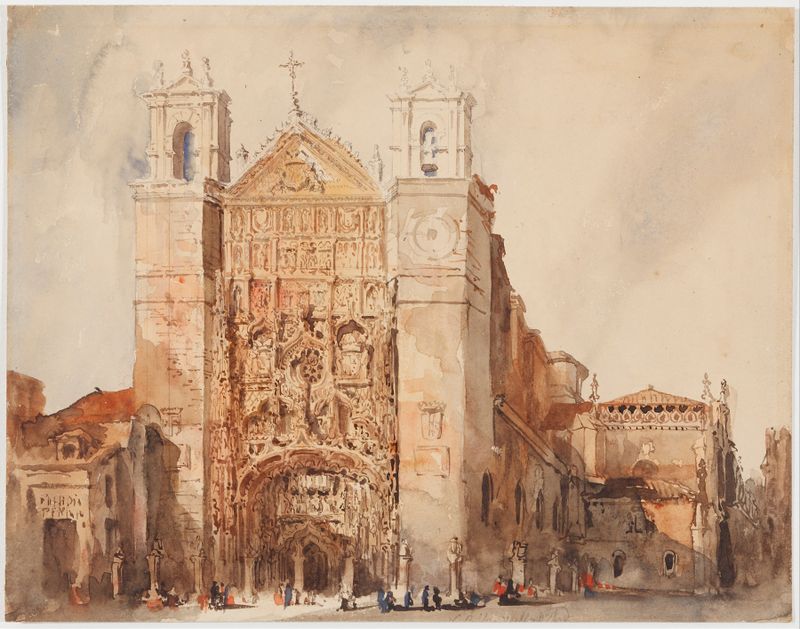
Church of Saint Paul, Valladolid
Genaro Pérez Villaamil
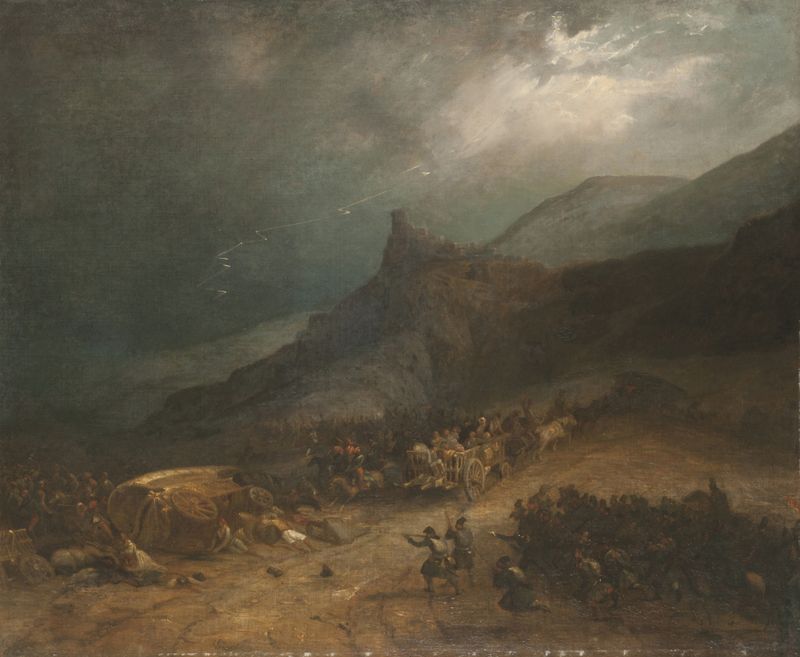
Ataque a un convoy carlista (La batalla de Arlabán)
Genaro Pérez Villaamil
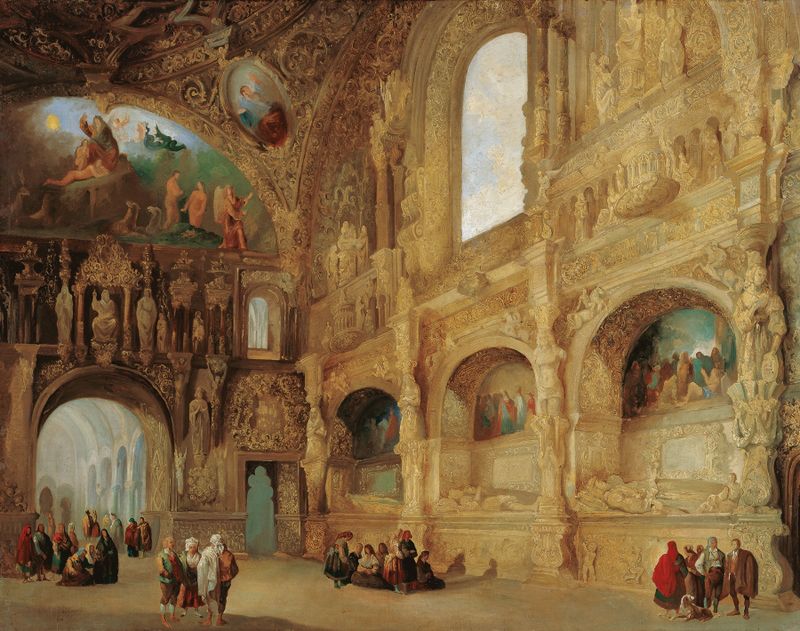
The Benavente Chapel at Medina de Rioseco
Genaro Pérez Villaamil
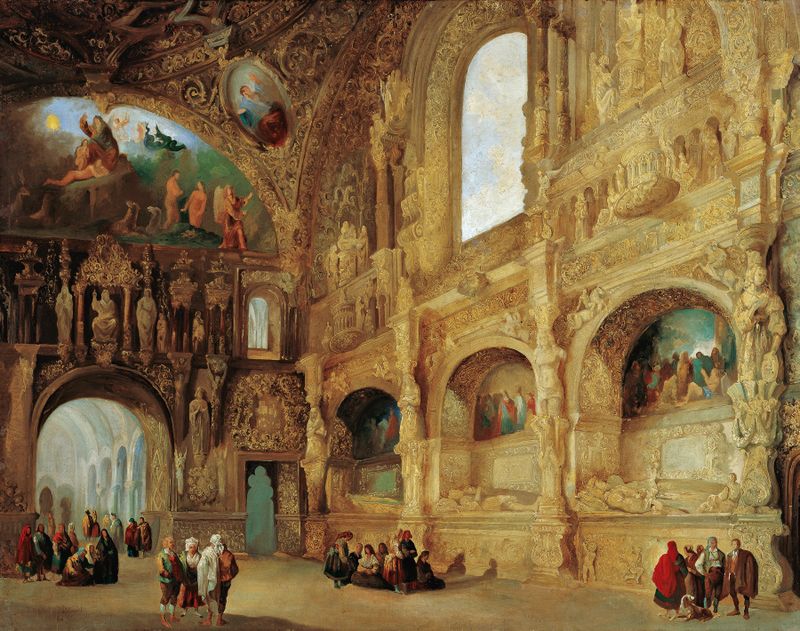
The Chapel Of The Benavente Family In Medina De Rioseco
Genaro Pérez Villaamil
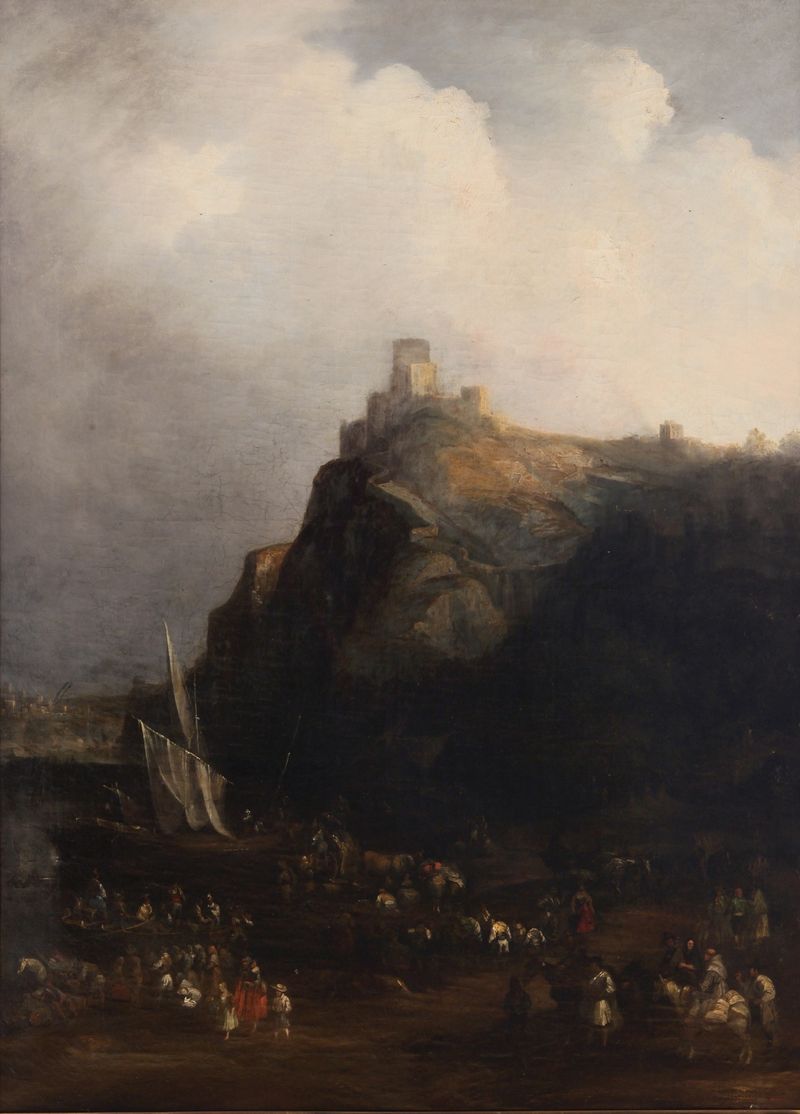
El Castillo de Gaucin
Genaro Pérez Villaamil
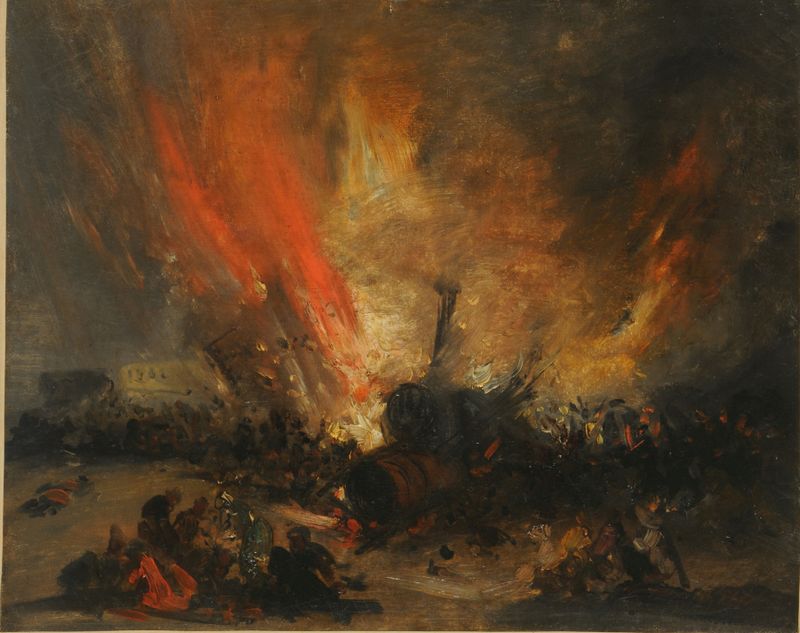
Explosión de una locomotora
Genaro Pérez Villaamil
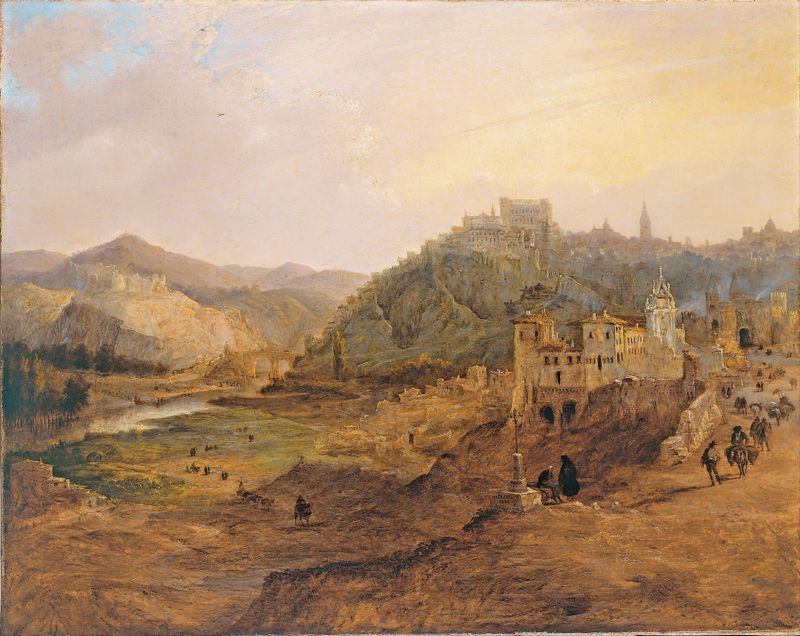
General View of Toledo from the Cross of the Canons
Genaro Pérez Villaamil
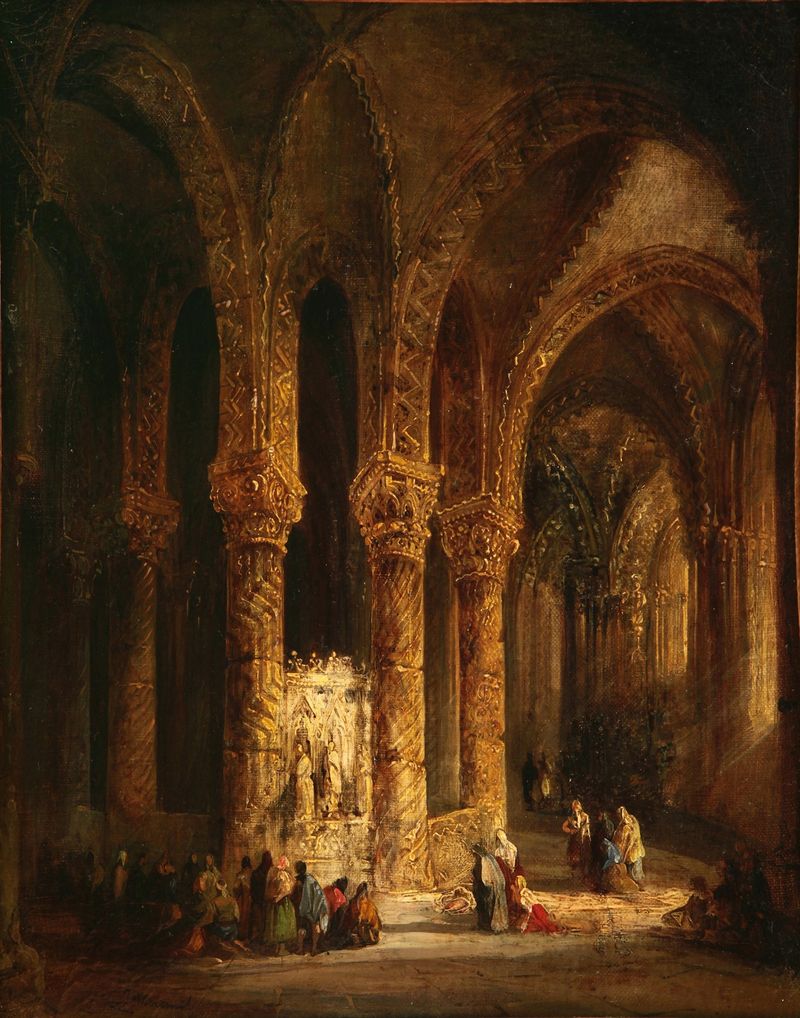
Cripta
Genaro Pérez Villaamil