
Explosión de una locomotora — History & Facts
Who listens when art speaks of silence? In Explosión de una locomotora, the stillness surrounding the catastrophic moment invites reflection on the transience of existence and the inevitable passage of time. Look at the central wreckage of the locomotive, its twisted metal and scattered debris commanding attention. The artist employs a somber palette of grays and browns that contrasts sharply with the brilliant flashes of fire and smoke, creating a visual tension that captures both destruction and a fleeting moment of beauty. Notice how the light spills from the explosion, illuminating the chaos while simultaneously casting shadows that hint at the stories forever lost in the wreckage. Beneath the surface, this work resonates with themes of mortality and the fragility of progress.
The locomotive, once a symbol of innovation and advancement, now lies in ruin, representing the dark side of technological advancement and the human cost of ambition. The disarray of the scene speaks to the chaos that often accompanies human endeavors, reminding viewers that even the most powerful creations can succumb to fate. Genaro Pérez Villaamil painted this work in 1843, at a time when the industrial revolution was reshaping society and daily life across Europe. Living in Spain, he was influenced by the romantic movement, where artists often grappled with the intersection of nature, technology, and human emotion.
This period marked a transformative moment in the art world, as artists sought to reflect both the beauty and horrors of an ever-evolving landscape.
More Artworks by Genaro Pérez Villaamil
Browse all →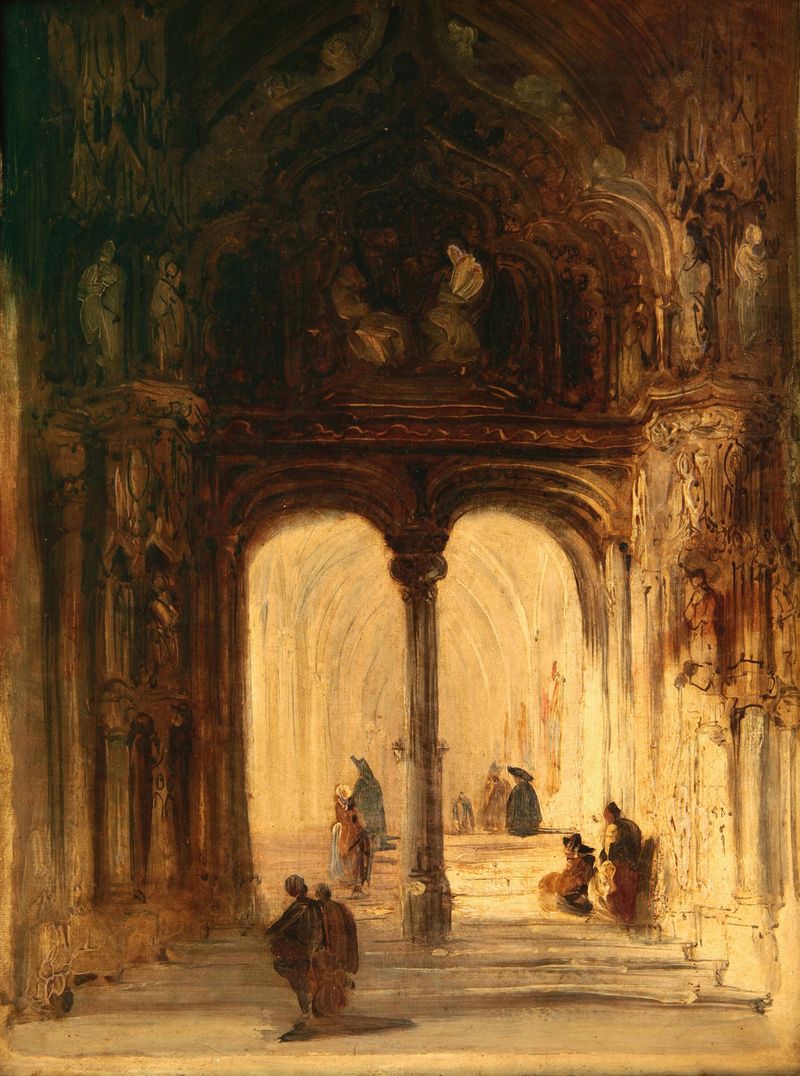
Interior de Iglesia
Genaro Pérez Villaamil
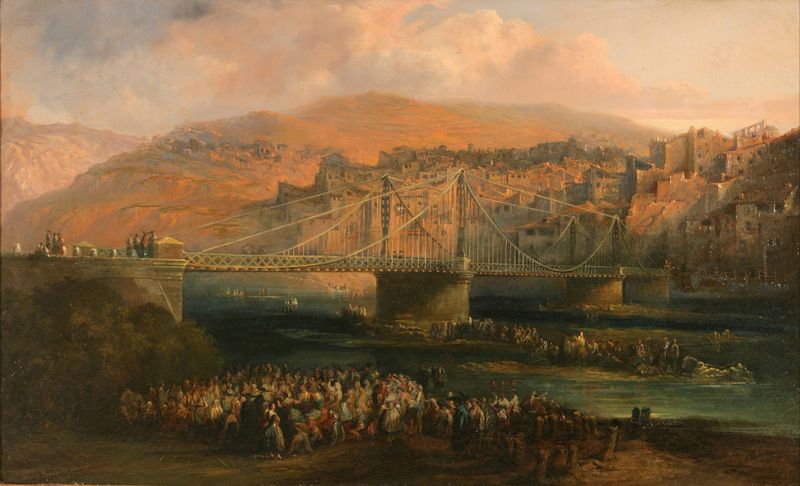
View of City of Fraga and its Hanging Bridge
Genaro Pérez Villaamil
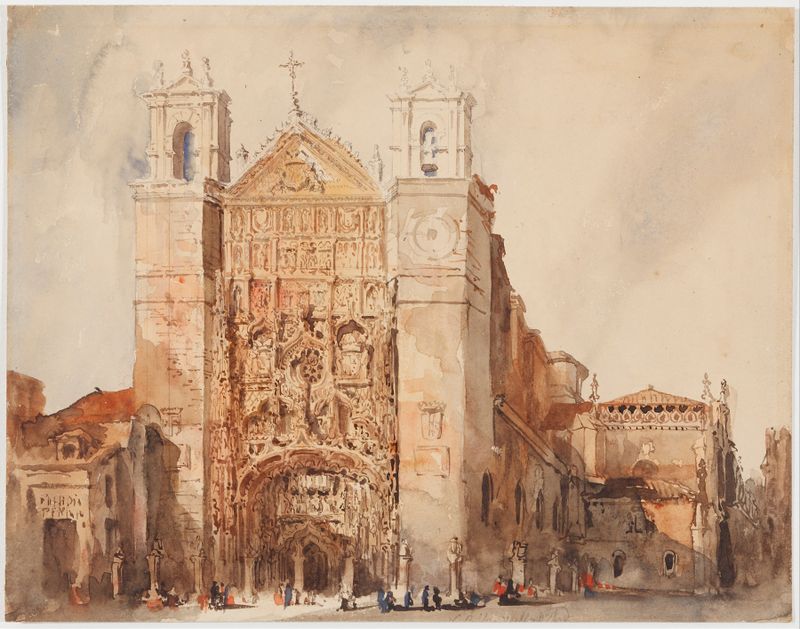
Church of Saint Paul, Valladolid
Genaro Pérez Villaamil
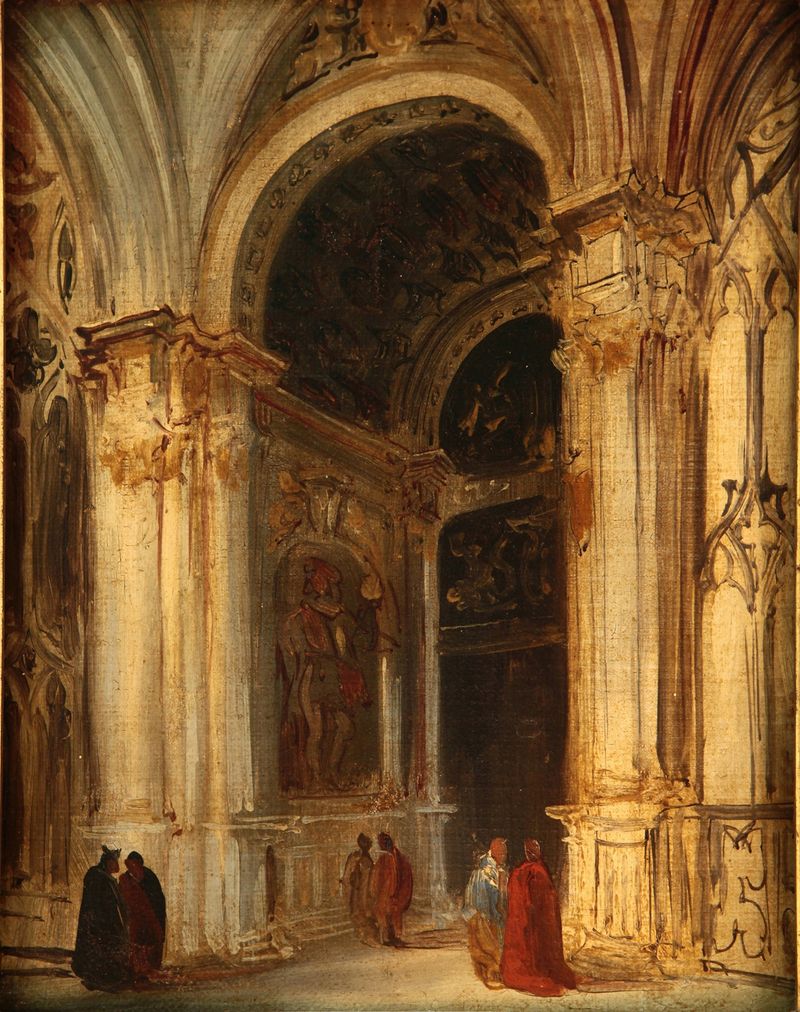
Interior de iglesia
Genaro Pérez Villaamil
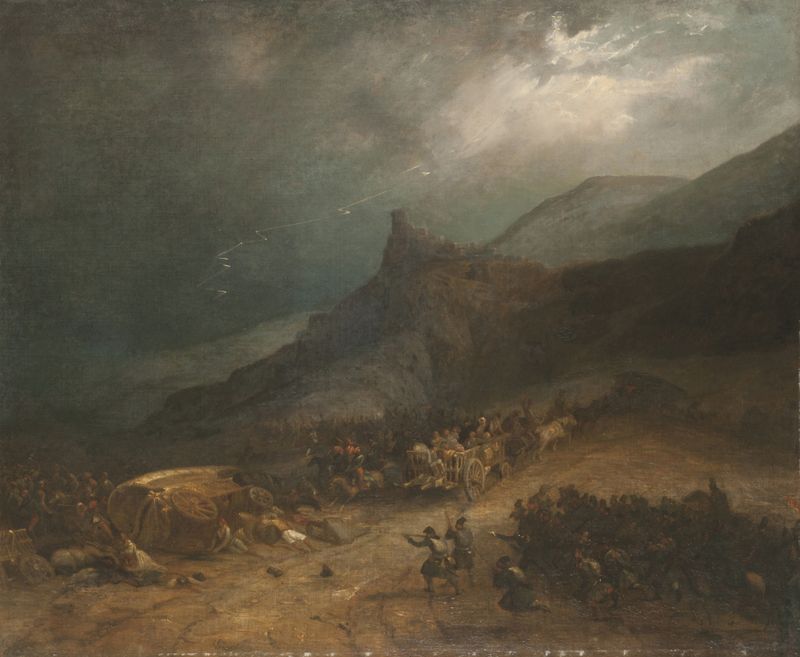
Ataque a un convoy carlista (La batalla de Arlabán)
Genaro Pérez Villaamil
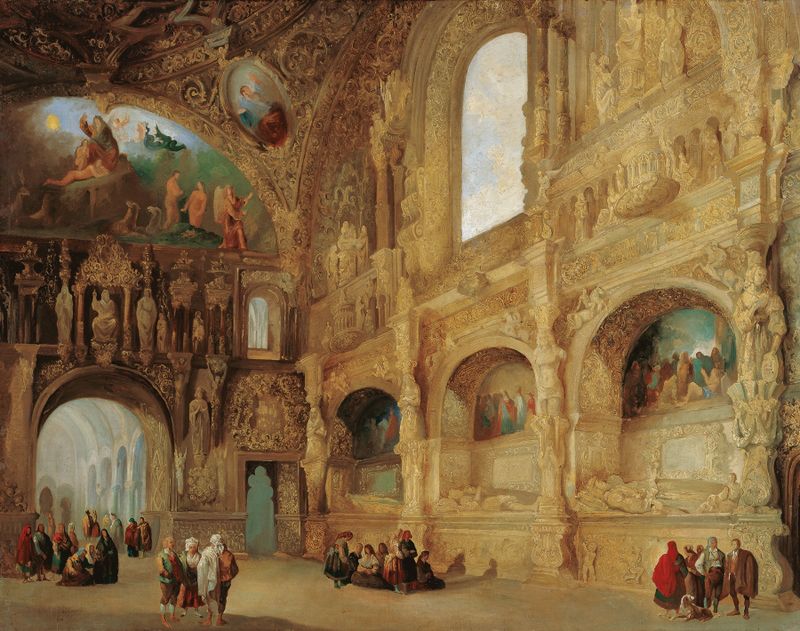
The Benavente Chapel at Medina de Rioseco
Genaro Pérez Villaamil
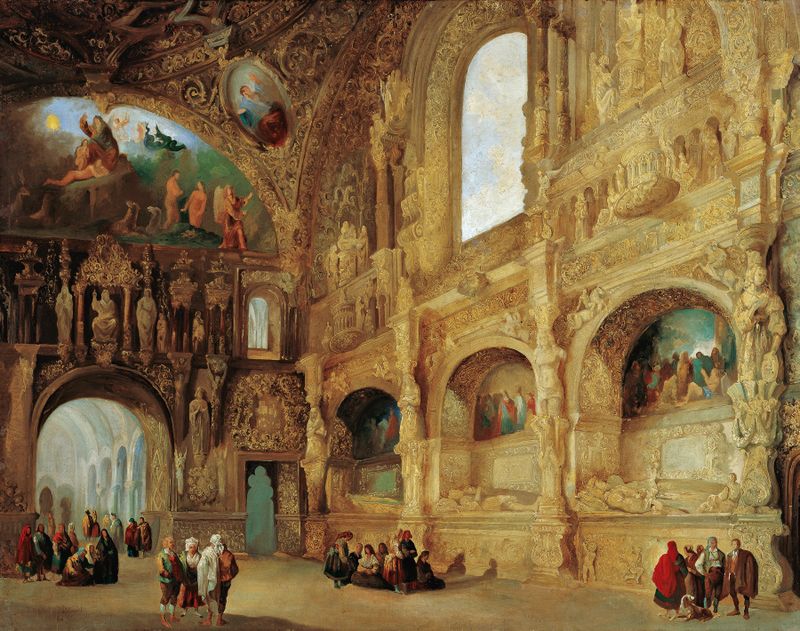
The Chapel Of The Benavente Family In Medina De Rioseco
Genaro Pérez Villaamil
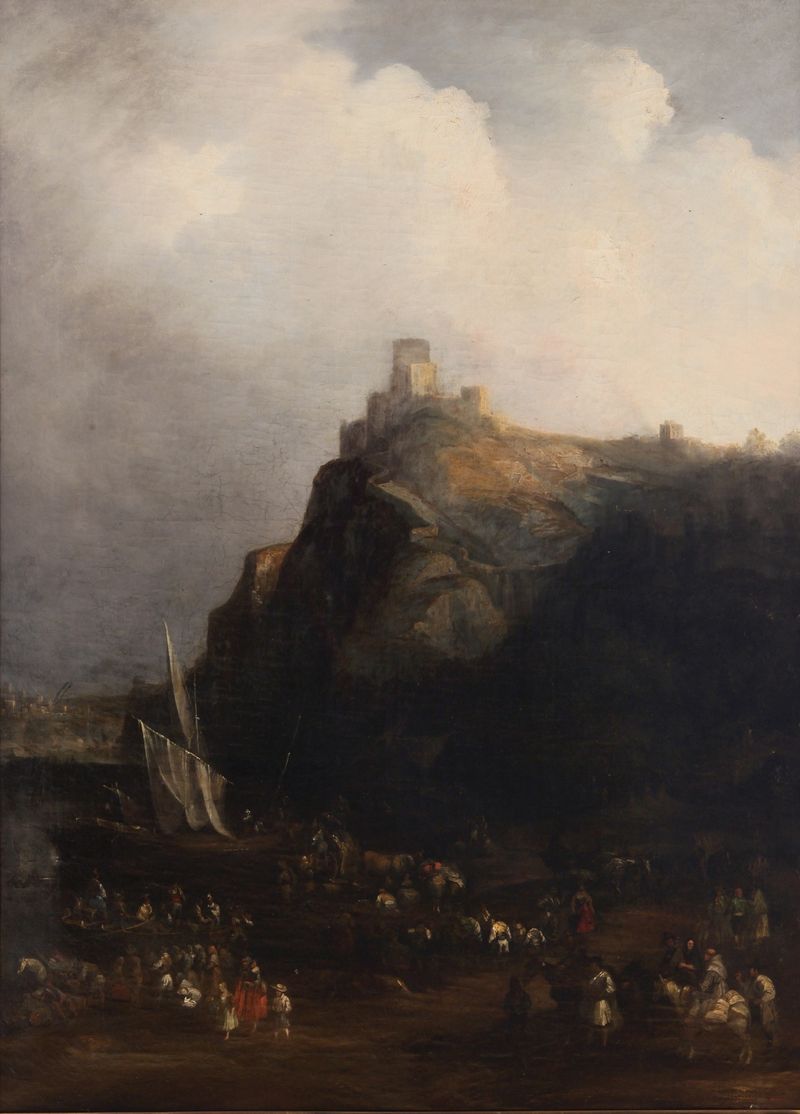
El Castillo de Gaucin
Genaro Pérez Villaamil
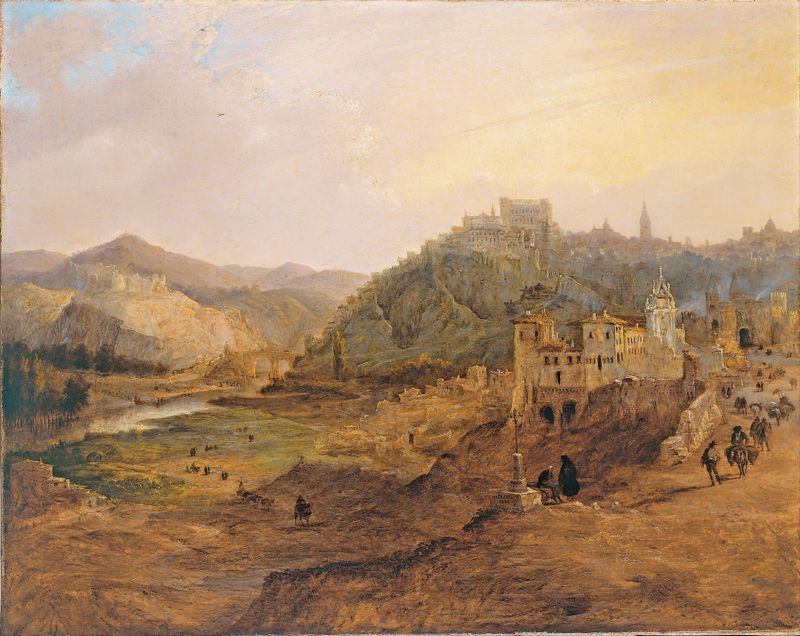
General View of Toledo from the Cross of the Canons
Genaro Pérez Villaamil
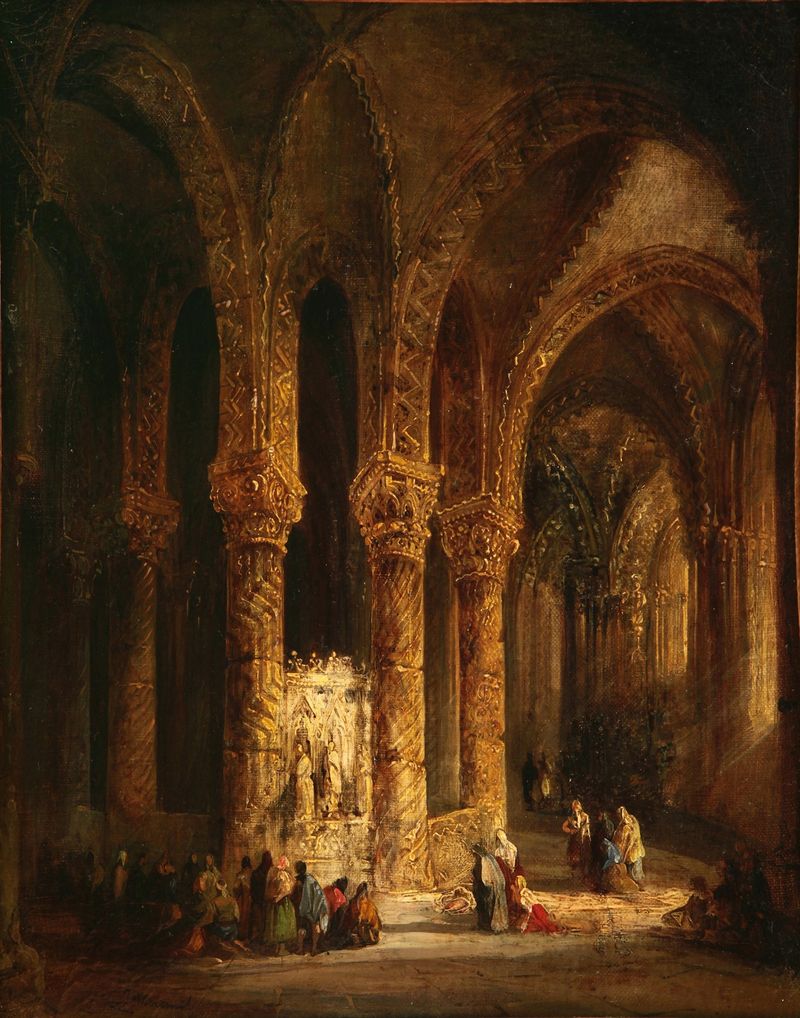
Cripta
Genaro Pérez Villaamil
More Historical Art
Browse all →
The Night Watch Militia Company of District II under the Command of Captain Frans Banninck Cocq
Rembrandt van Rijn

Lincoln Memorial
Henry Bacon

The Third of May 1808
Francisco de Goya

Isaac and Rebecca, Known as ‘The Jewish Bride’
Rembrandt van Rijn

The Charge of the Mamelukes (1814)
Francisco de Goya

De vier ruiters van de apocalyps
Albrecht Dürer