
Cumaean Sibyl (After Domenichino) — History & Facts
In Cumaean Sibyl (After Domenichino), Angelica Kauffmann presents a striking figure of the Sibyl, draped in flowing robes. The colors are rich and vibrant, with deep blues and warm earth tones dominating the palette. The setting appears to be a classical architectural space, enhancing the mythological theme.
The Sibyl's expression is thoughtful, suggesting a connection to the divine. The painting is executed in oil on canvas, showcasing Kauffmann's skill in blending colors and creating depth. The composition is balanced, with the Sibyl positioned centrally, drawing the viewer's eye. The use of light and shadow adds a three-dimensional quality to the figure.
Kauffmann's attention to detail is evident in the intricate patterns of the drapery. Angelica Kauffmann was a prominent female artist in the 18th century, known for her neoclassical style. This work reflects her admiration for classical themes and her ability to portray strong female figures. Interestingly, Kauffmann was one of the founding members of the Royal Academy in London.
Her influence extended beyond her lifetime, inspiring future generations of artists.
More Artworks by Angelica Kauffmann
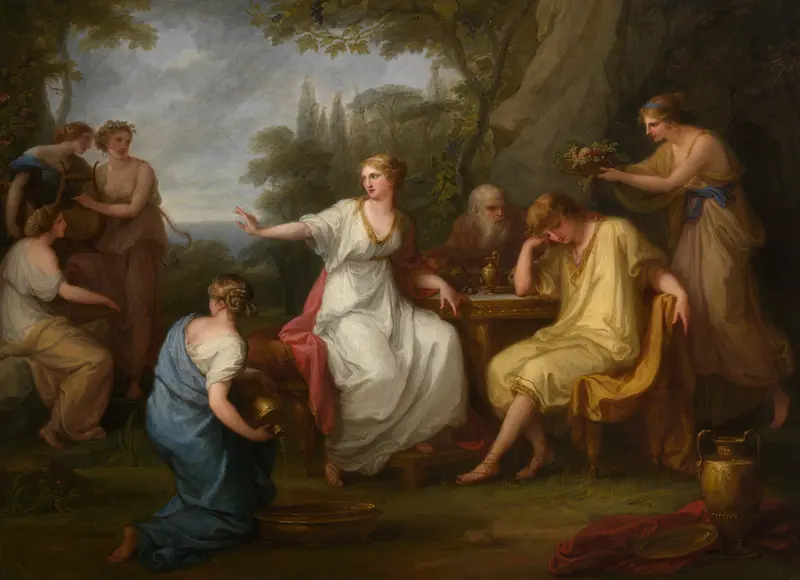
The Sorrow of Telemachus
Angelica Kauffmann

Portrait Of A Lady As A Vestal Virgin
Angelica Kauffmann
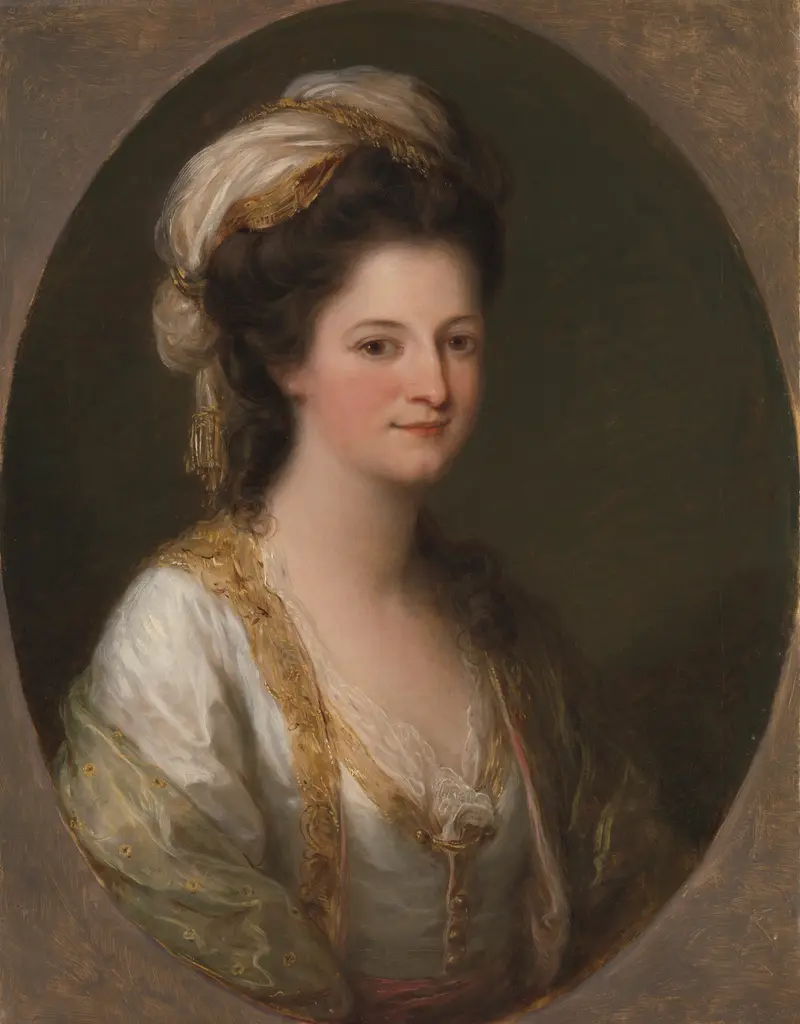
Portrait of a woman, traditionally identified as Lady Hervey
Angelica Kauffmann
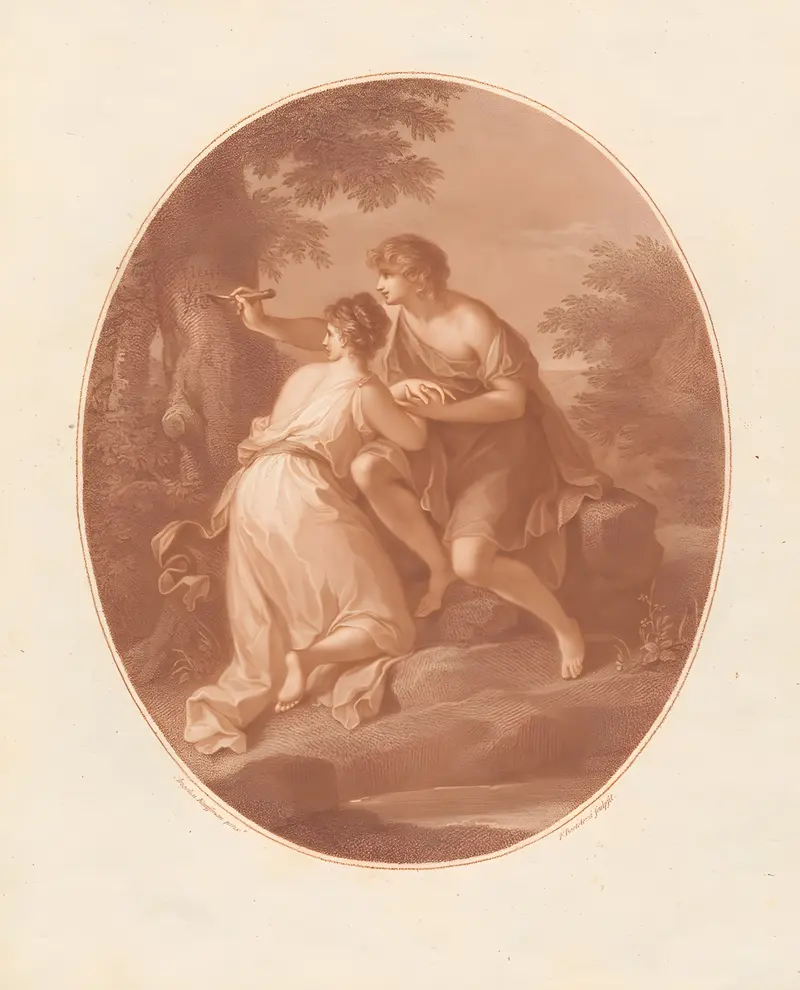
Paris and Oenone
Angelica Kauffmann
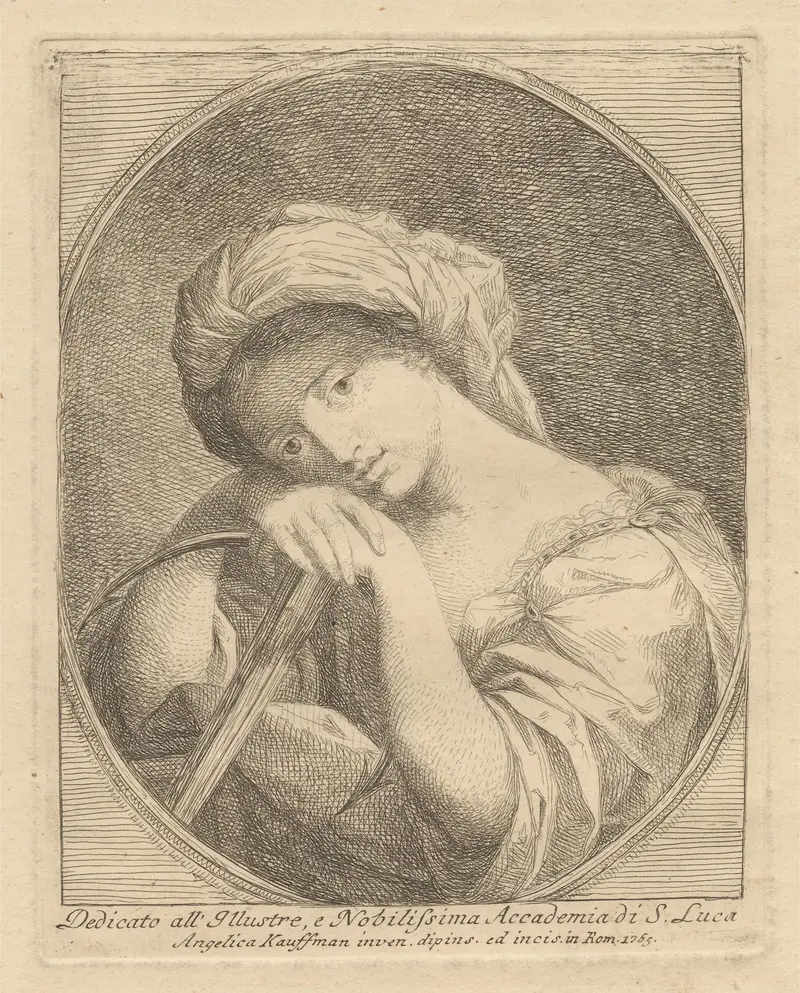
Bust of a Young Woman with Flowers in Her Hair
Angelica Kauffmann
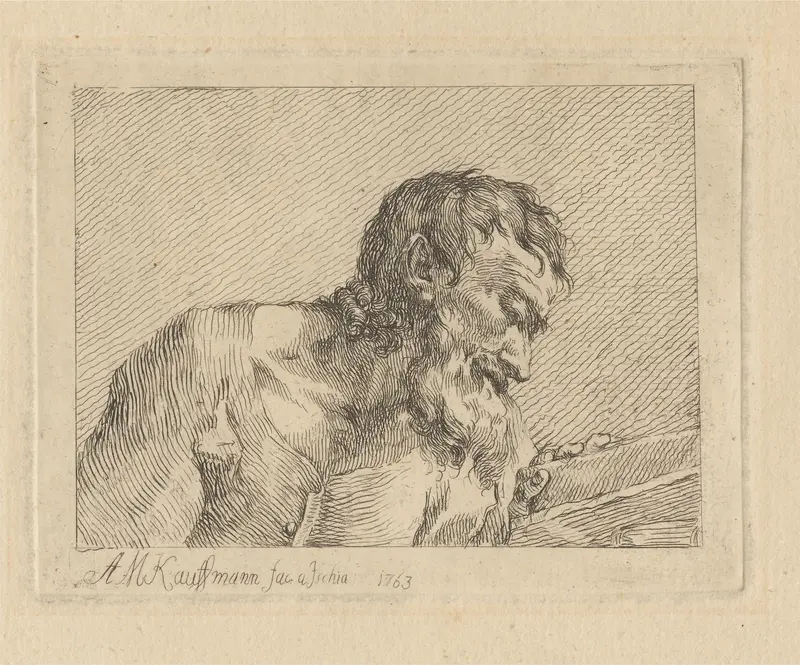
Bust of an Old Man.
Angelica Kauffmann
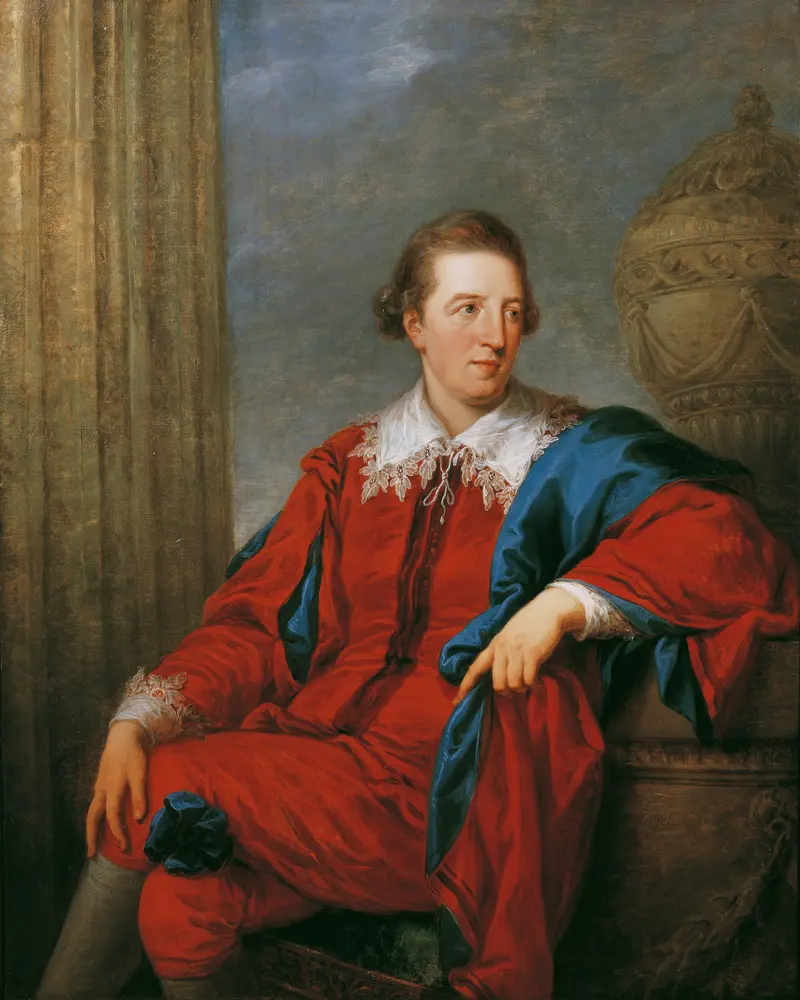
John Simpson, der Vater von Maria Susanna Lady Ravensworth
Angelica Kauffmann
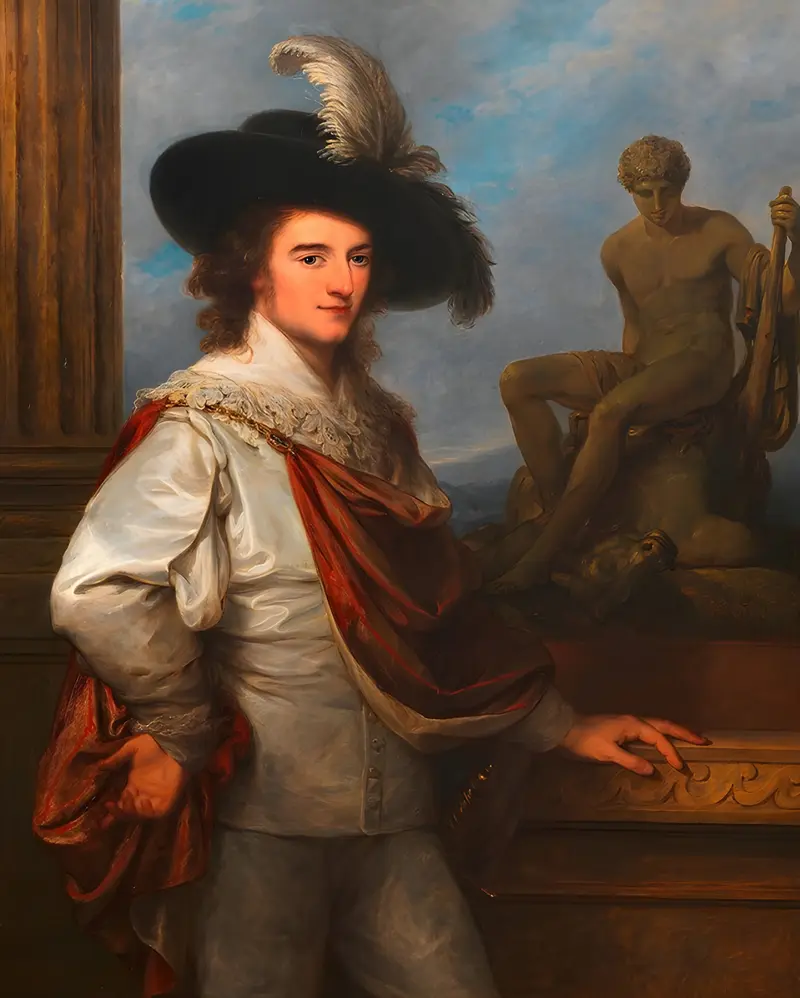
Josef Johann Graf Fries
Angelica Kauffmann
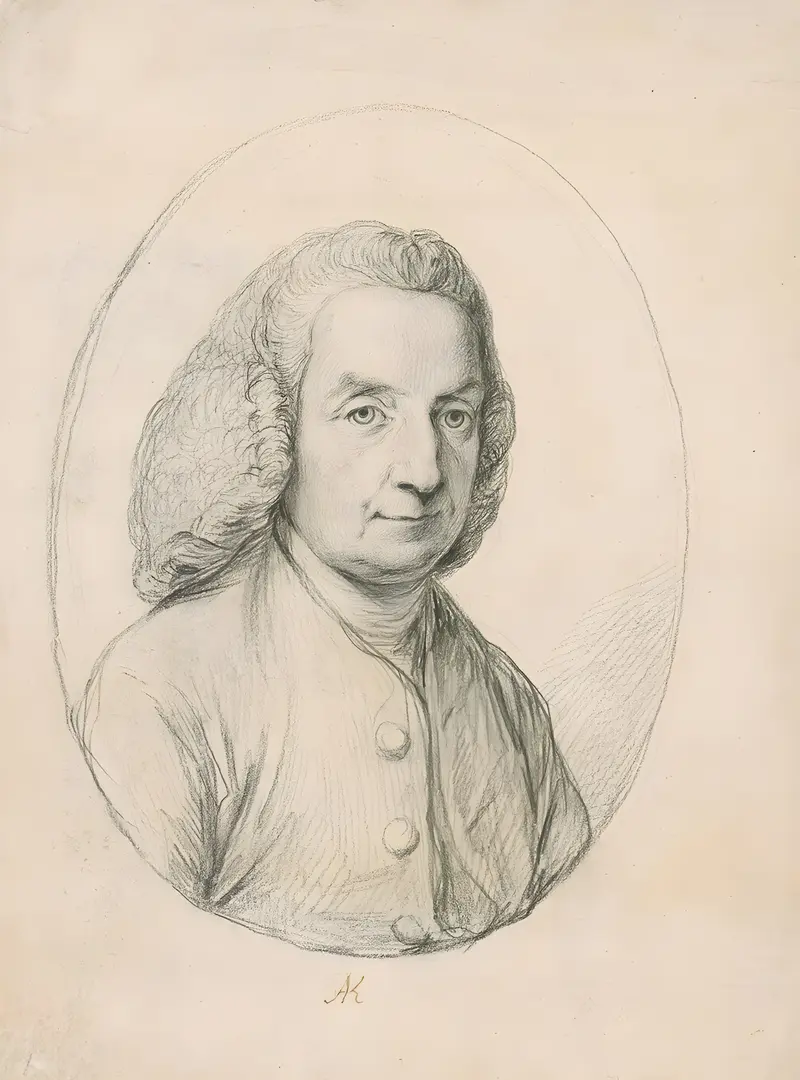
Judge George Robert Hellen (1725-1793)
Angelica Kauffmann
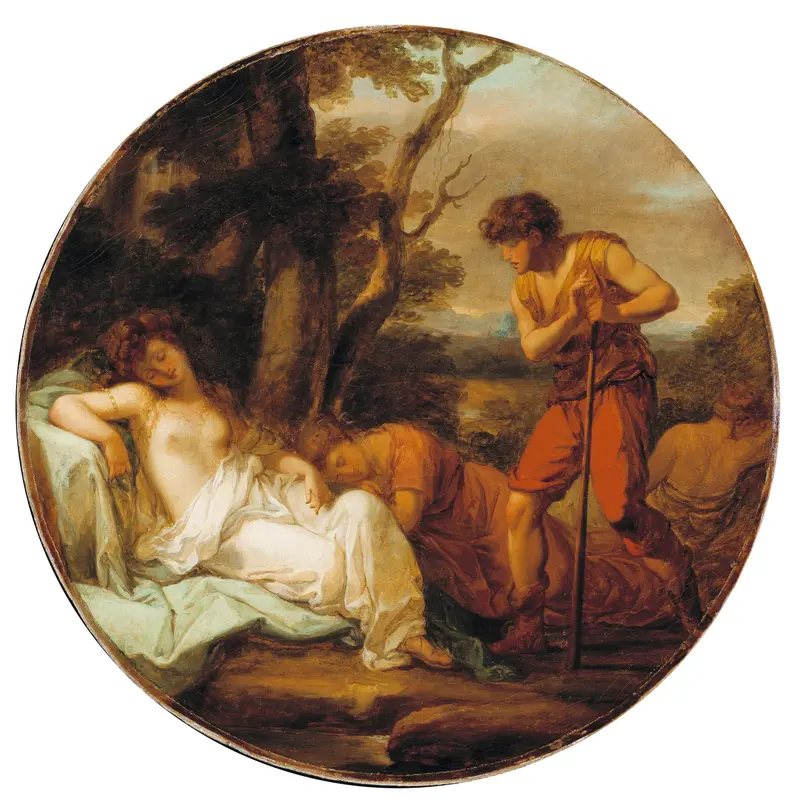
Cymon and Iphigenia
Angelica Kauffmann





