
Curaçao. Waaigat en stadswal — History & Facts
In the stillness of an untouched moment, reflections reveal hidden depths, capturing not just the surface but the soul of a place. Look to the center of the composition, where the calm waters of Waaigat cradle the vivid hues of the sky. The interplay between the cerulean blue and the warm ochres of the land draws your eye, inviting you to lose yourself in the gentle ripples. Notice how the light dances upon the water, creating a mirror-like effect that blurs the boundaries between reality and reflection.
Each brushstroke breathes life into the scene, with shadows playing on the cobblestones of the stadswal, enhancing the sense of texture and history. Dive deeper into the emotional subtleties of this work. The juxtaposition of the vibrant landscape against the tranquil waters evokes a sense of peace, yet hints at the forgotten stories and memories that linger in the silence. The way the buildings stand firm against the horizon speaks of resilience, while the fleeting clouds above remind us of the ephemeral nature of time.
Together, these elements create a dialogue between permanence and transience, inviting contemplation. Gerard Voorduin painted this scene between 1860 and 1862, during a period of flourishing artistic exploration in the Netherlands. He found inspiration in the Caribbean beauty of Curaçao, which contrasted sharply with the more conventional European landscapes of his contemporaries. At this time, artists were beginning to embrace the influence of light and color, paving the way for movements that would transform the art world in the decades to come.
More Artworks by Gerard Voorduin
Browse all →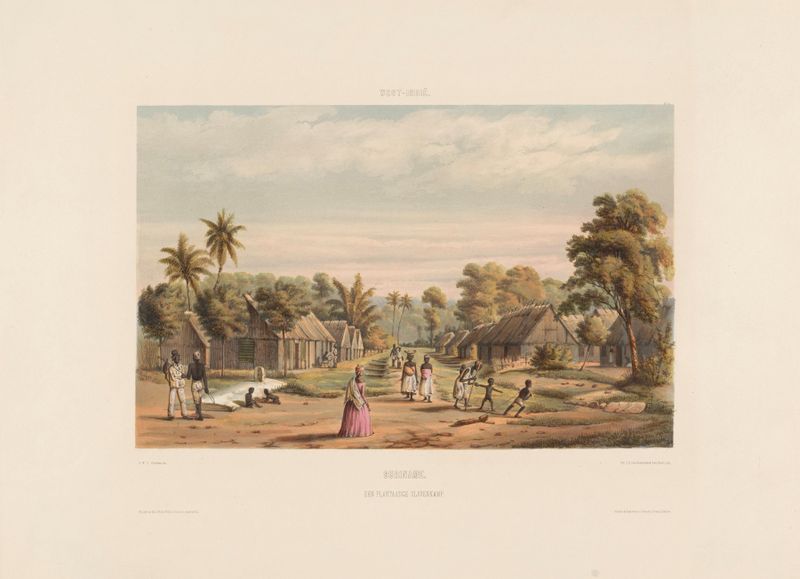
Suriname. Een plantaadge slavenkamp
Gerard Voorduin
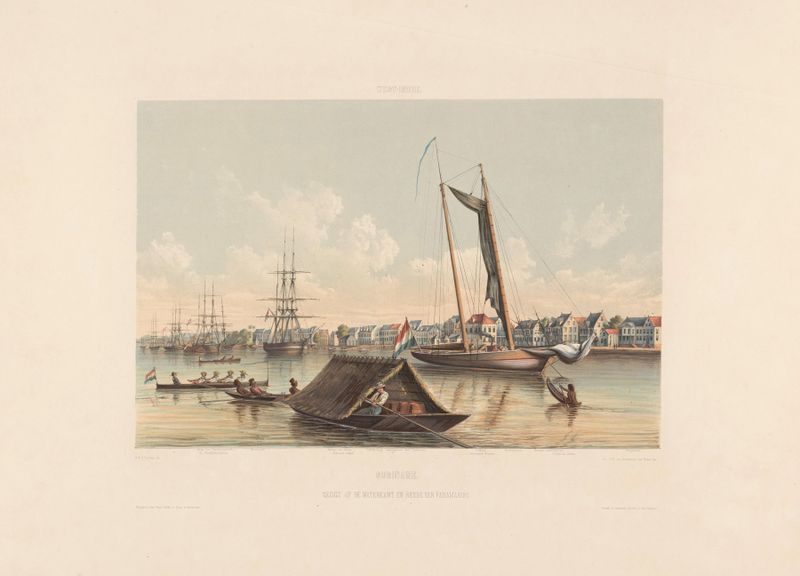
Suriname. Gezigt op de Waterkant en reede van Paramaribo
Gerard Voorduin
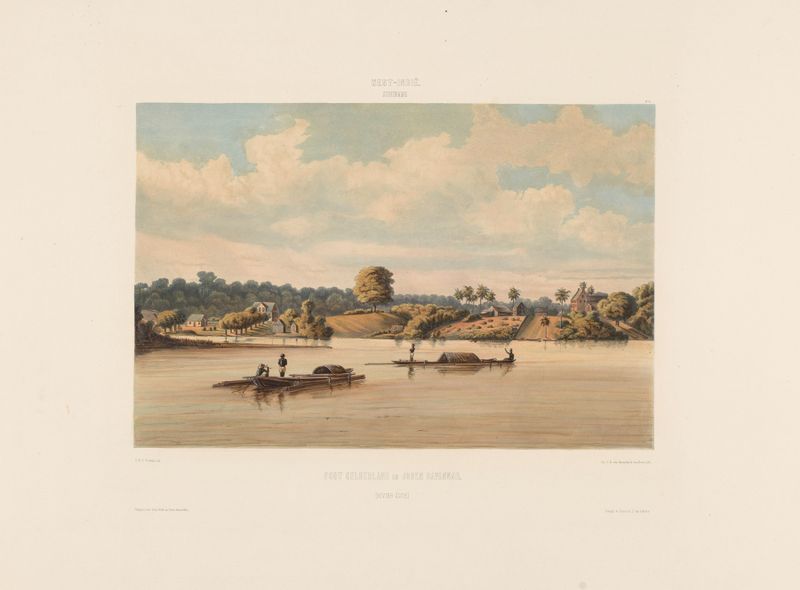
Post Gelderland en Joden Savannah (rivier zijde)
Gerard Voorduin
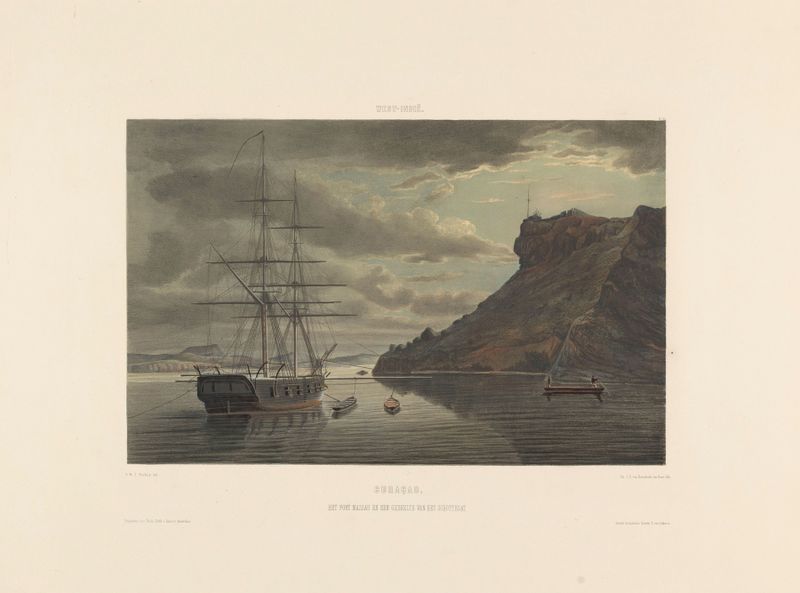
Curaçao. Het Fort Nassau en een gedeelte van het Schottegat
Gerard Voorduin
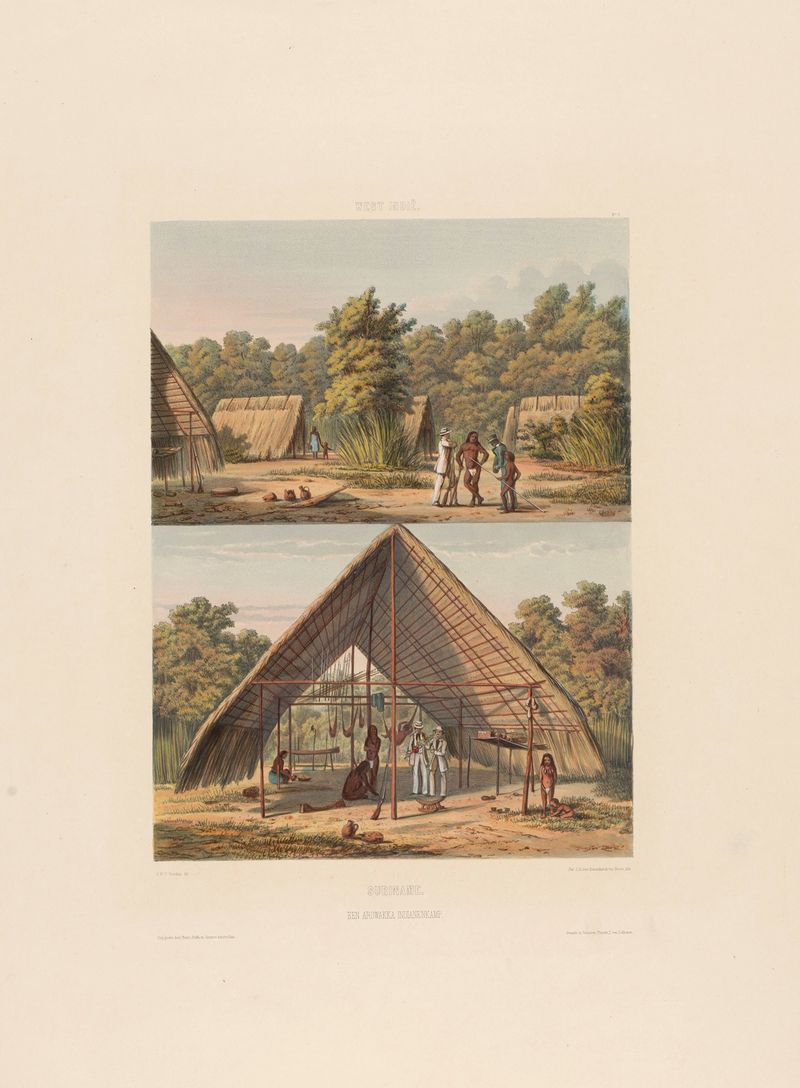
Suriname. Een Arowakka indianenkamp
Gerard Voorduin
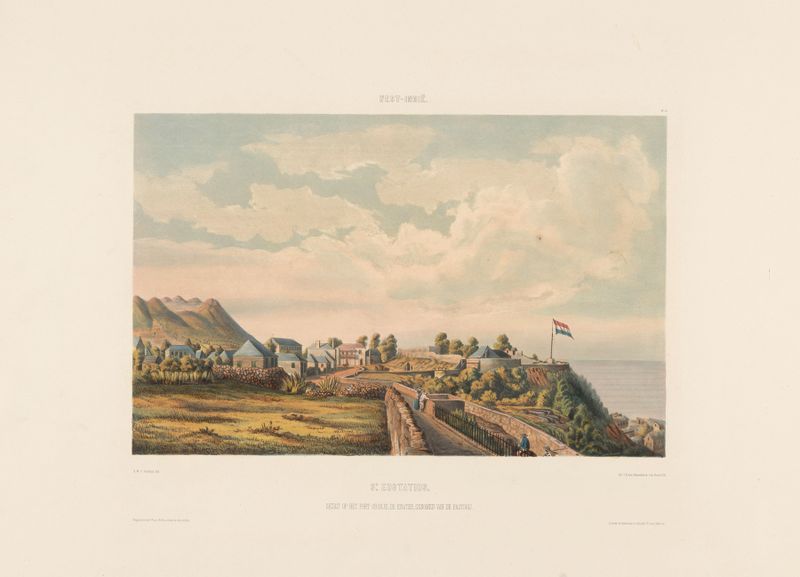
St. Eustatius. Gezigt op het Fort Oranje, de krater, genomen van de pastorij
Gerard Voorduin

Suriname. Gezigt op het Fort Zelandia te Paramaribo
Gerard Voorduin
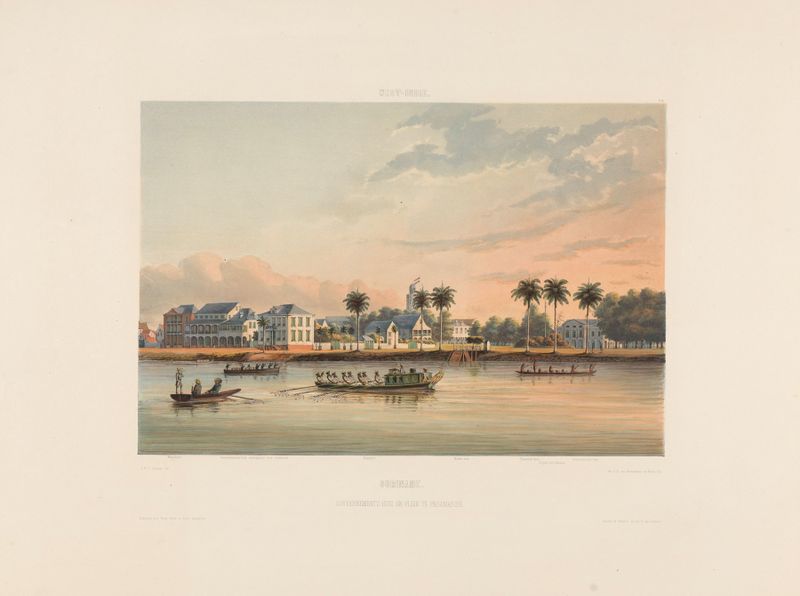
Suriname. Gouvernements-huis en plein te Paramaribo
Gerard Voorduin
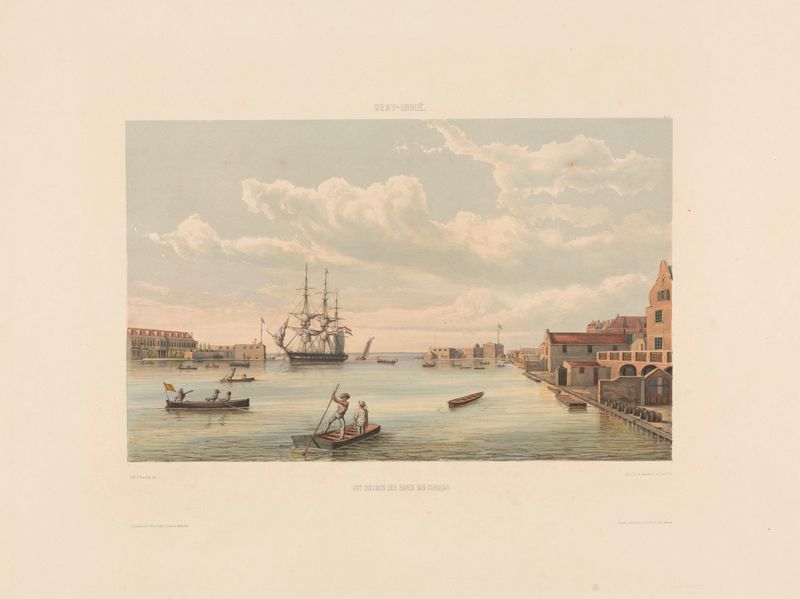
Het inkomen der haven van Curaçao
Gerard Voorduin
Suriname
Gerard Voorduin





