
Suriname. Gouvernements-huis en plein te Paramaribo — History & Facts
Who listens when art speaks of silence? In Suriname. Gouvernements-huis en plein te Paramaribo, Gerard Voorduin captures a moment where stillness drowns out the chaos of life, a landscape imbued with a haunting calm that whispers of madness beneath the surface. Look to the center of the canvas, where the imposing Gouvernements-huis stands resolute, its colonial architecture meticulously rendered. The muted palette of whites and browns harmonizes with the gentle green of the surrounding foliage, inviting the viewer to explore the interplay between structure and nature.
Notice how the light drapes over the building, highlighting its intricate details while casting long shadows that seem to cling to its walls, suggesting stories untold and histories buried beneath the surface. Yet, within this serene representation lies an underlying tension. The stillness of the scene belies a forgotten past, evoking thoughts of the tumultuous events that shaped the region — colonization, exploitation, and the madness of human ambition. The lush environment surrounding the building brims with life, yet there’s an emptiness that resonates; perhaps a reflection of the isolation experienced by the inhabitants, a silence that speaks louder than words.
Here, the verdant outdoors contrasts sharply with the rigid structure, representing the eternal struggle between nature and man-made confines. During the years 1860-1862, Gerard Voorduin painted this piece while living in the Dutch colony of Suriname, a time when the complexities of colonial rule were increasingly scrutinized. As the world began to awaken to the implications of imperialism, Voorduin’s work stood as a testament to the beauty and burdens of this time, capturing a moment that balances on the edge of tranquility and turmoil.
More Artworks by Gerard Voorduin
Browse all →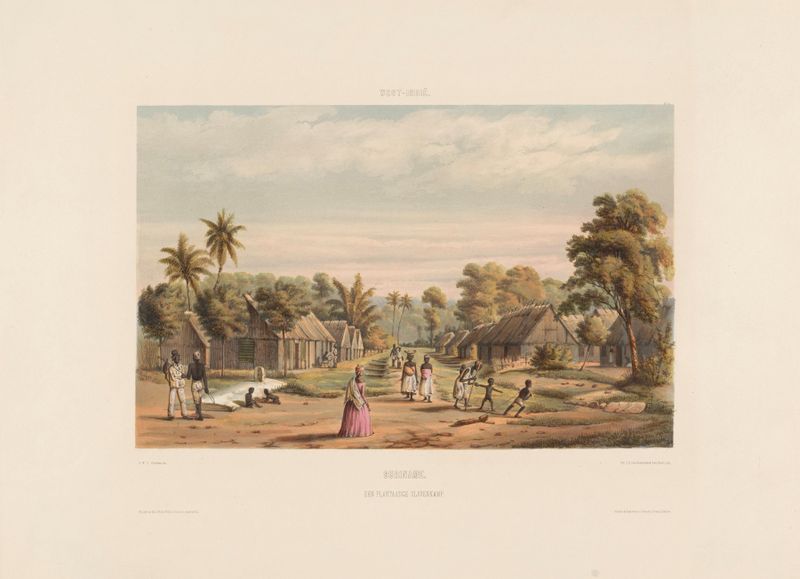
Suriname. Een plantaadge slavenkamp
Gerard Voorduin
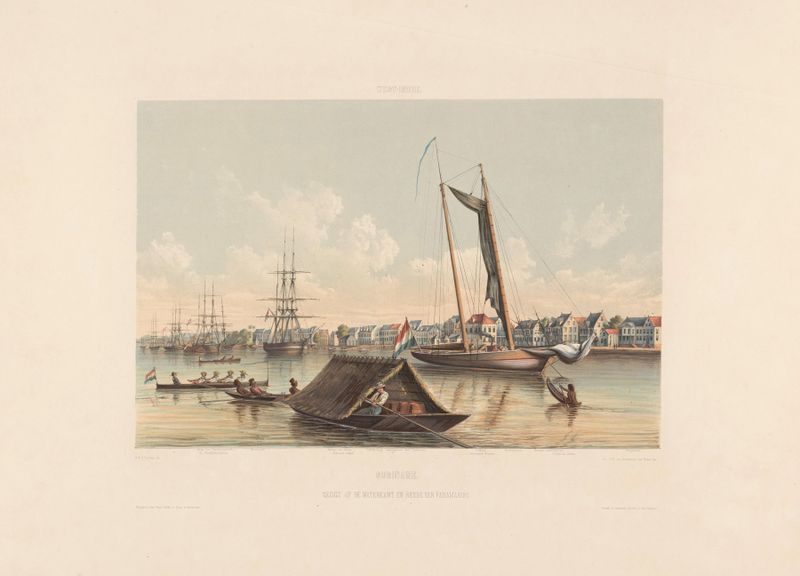
Suriname. Gezigt op de Waterkant en reede van Paramaribo
Gerard Voorduin
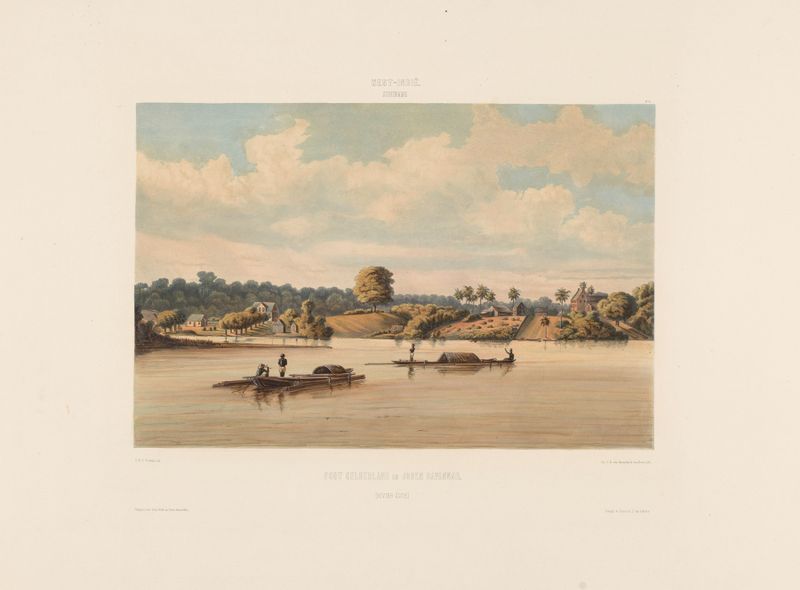
Post Gelderland en Joden Savannah (rivier zijde)
Gerard Voorduin
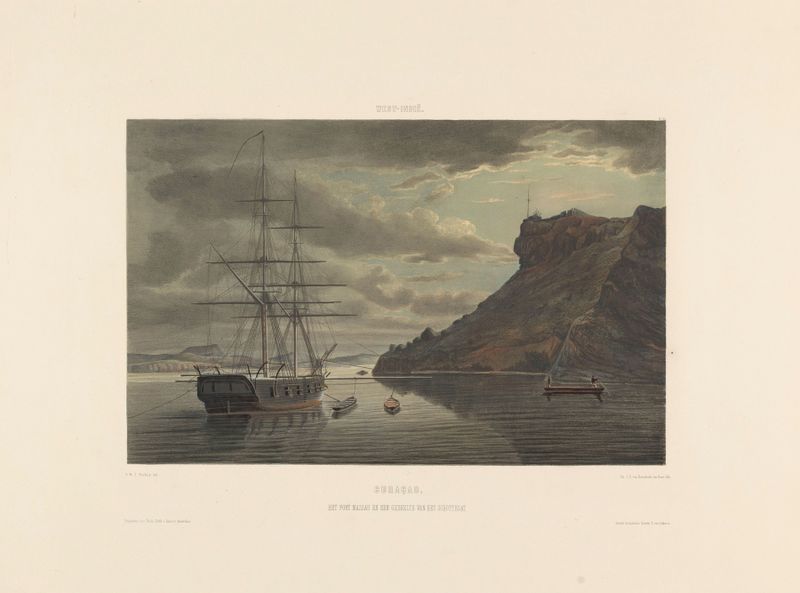
Curaçao. Het Fort Nassau en een gedeelte van het Schottegat
Gerard Voorduin
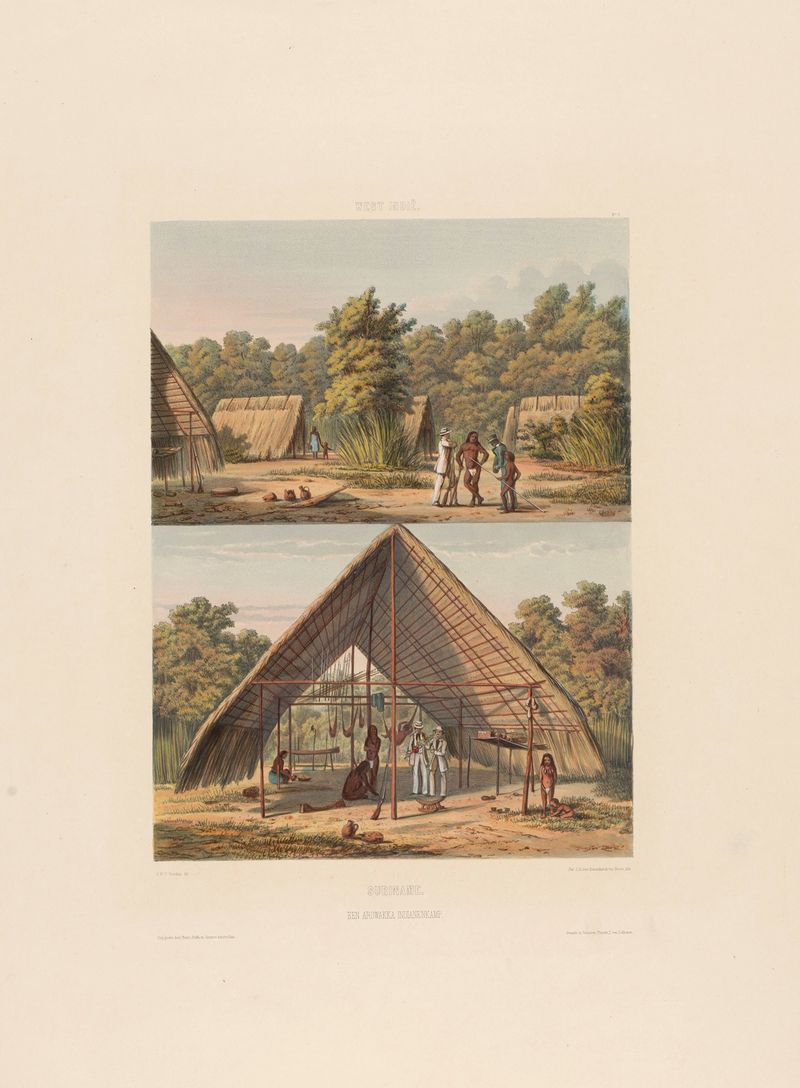
Suriname. Een Arowakka indianenkamp
Gerard Voorduin
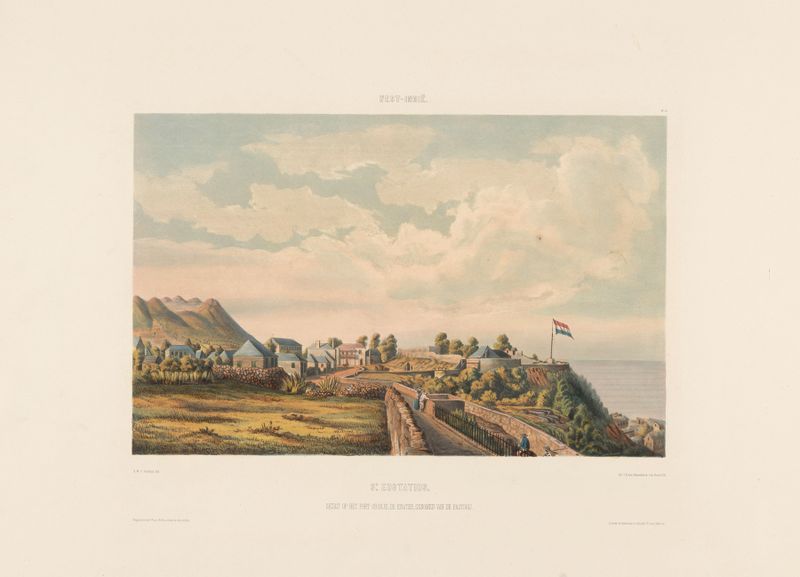
St. Eustatius. Gezigt op het Fort Oranje, de krater, genomen van de pastorij
Gerard Voorduin

Suriname. Gezigt op het Fort Zelandia te Paramaribo
Gerard Voorduin
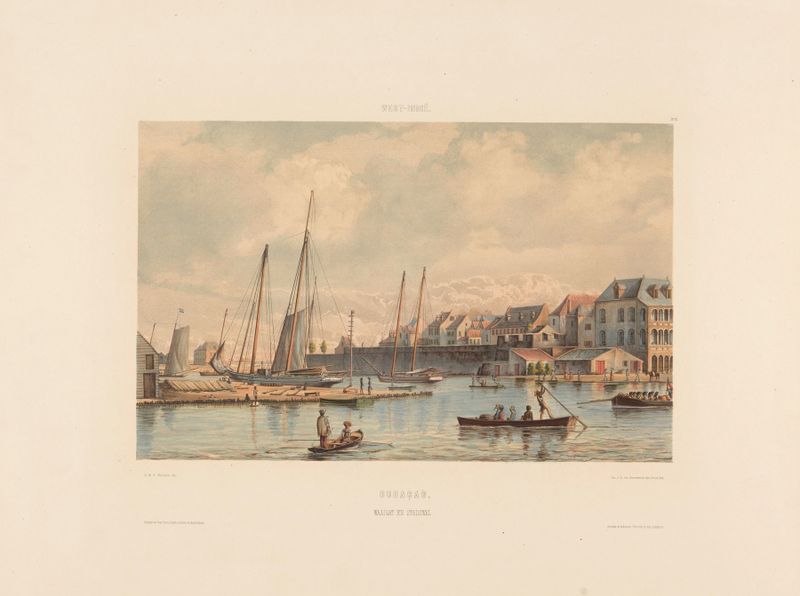
Curaçao. Waaigat en stadswal
Gerard Voorduin
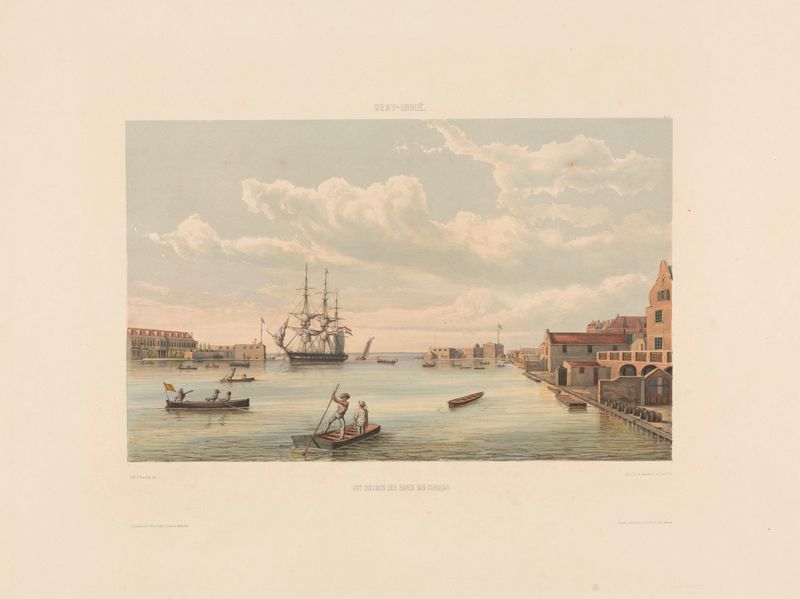
Het inkomen der haven van Curaçao
Gerard Voorduin
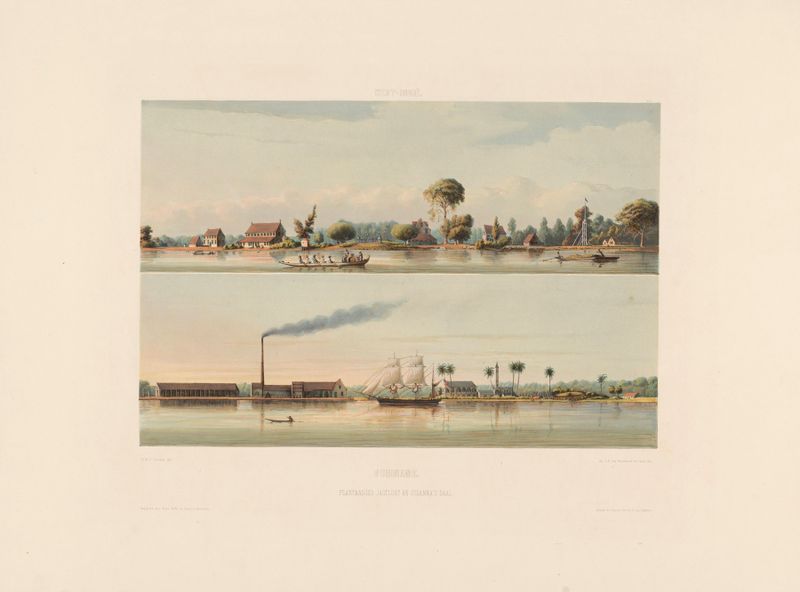
Suriname
Gerard Voorduin
More Architecture Art
Browse all →
The statue of Liberty
Frédéric Auguste Bartholdi

View of Houses in Delft, Known as ‘The Little Street’
Johannes Vermeer

View of Houses in Delft, Known as ‘The Little Street’
Johannes Vermeer

The Cathedral in Rouen. The portal, Grey Weather
Claude Monet

The yellow house
Vincent van Gogh

The Church in Auvers-sur-Oise, View from the Chevet
Vincent van Gogh