
Suriname. Gezigt op de Waterkant en reede van Paramaribo — History & Facts
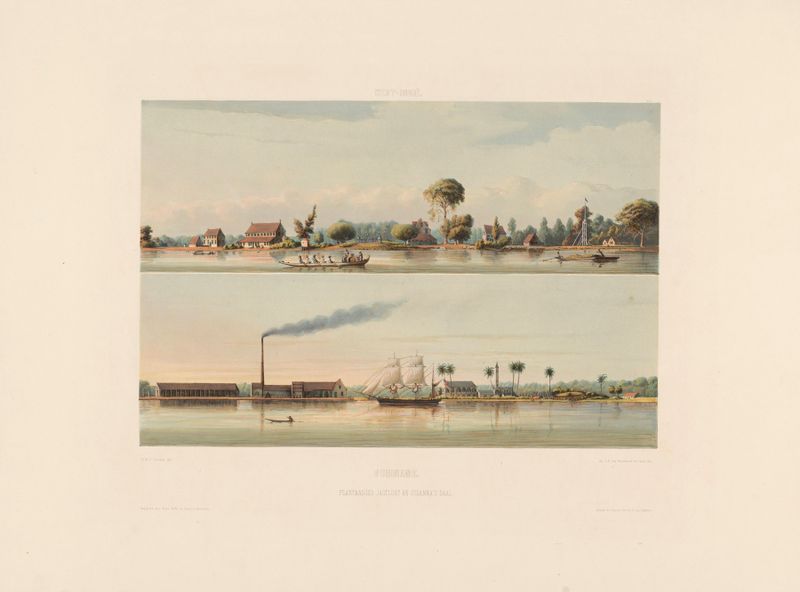
In the delicate interplay of paint, we find a narrative of revival and continuity that transcends time. Here, the canvas becomes a tapestry of moments, inviting us to reflect on the cycle of life and rebirth that colors our existence. Focus your gaze on the center of the painting where the vibrant waters of Paramaribo unfold, shimmering under a golden sun. The artist employs a rich palette of blues and greens, interspersed with hints of warm yellows, capturing the essence of the Caribbean landscape in all its glory.
Notice the way the trees bend gracefully over the water, their reflections dancing in the gentle ripples, drawing our eyes into the serene embrace of nature's beauty. The composition is thoughtfully balanced, with the architectural features of the waterfront framing the scene, grounding the viewer in a moment of tranquil introspection. Yet, beneath the serene exterior lies a subtle tension woven into the details. The silhouettes of the boats, anchored yet poised, hint at the stories of trade and movement that define this bustling harbor.
The interplay between light and shadow suggests a world on the brink of change, a reminder of the historical currents that shaped this land and its people. Each element resonates with the theme of rebirth, evoking a sense of hope and new beginnings amidst the faded memories of the past. During the years 1860 to 1862, Gerard Voorduin captured this view of Paramaribo in a period marked by significant transformations in Suriname. The artist was immersed in the vibrant milieu of colonial life, witnessing the confluence of cultures and the complexities of identity.
As he painted, the world of art was shifting towards realism, and Voorduin's work reflects both his keen observation of local life and the broader narrative of the time.
More Artworks by Gerard Voorduin
Browse all →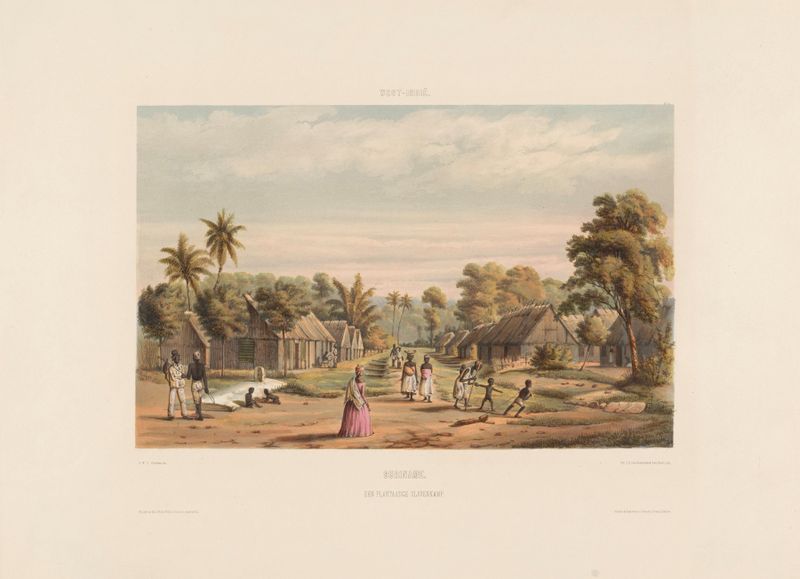
Suriname. Een plantaadge slavenkamp
Gerard Voorduin
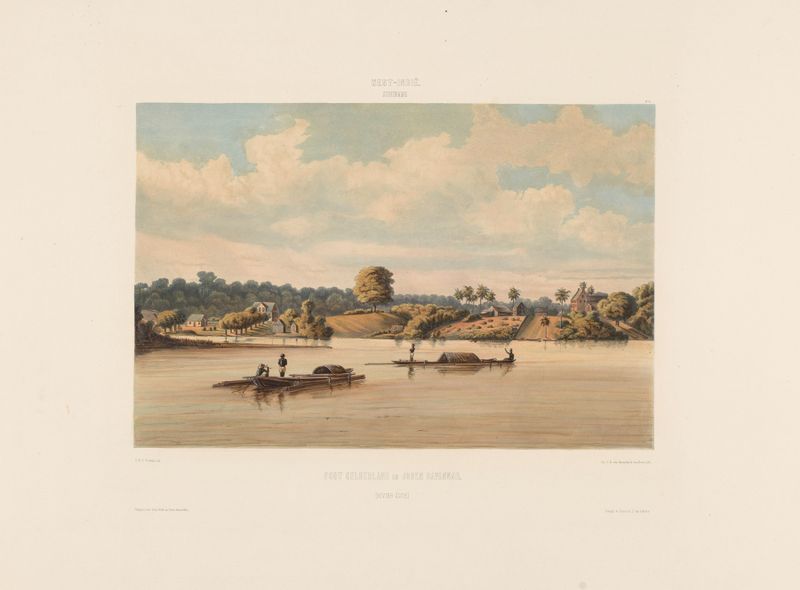
Post Gelderland en Joden Savannah (rivier zijde)
Gerard Voorduin
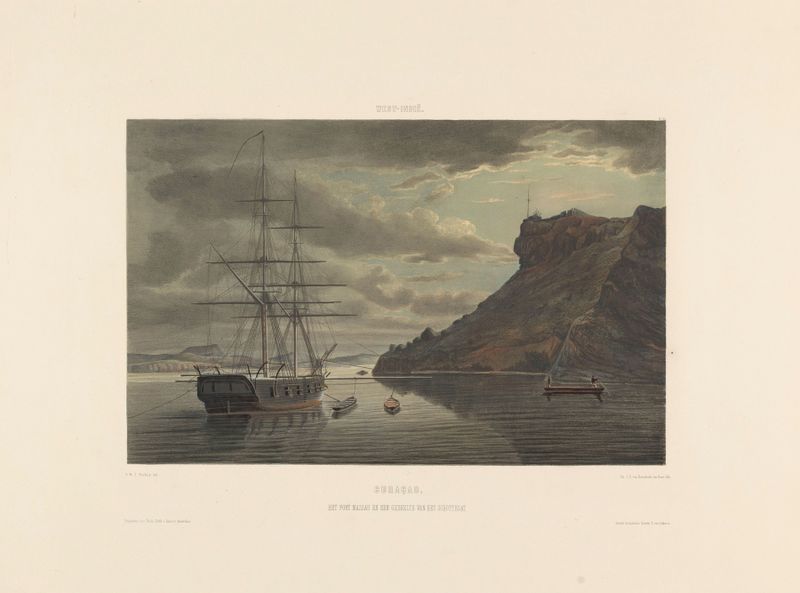
Curaçao. Het Fort Nassau en een gedeelte van het Schottegat
Gerard Voorduin
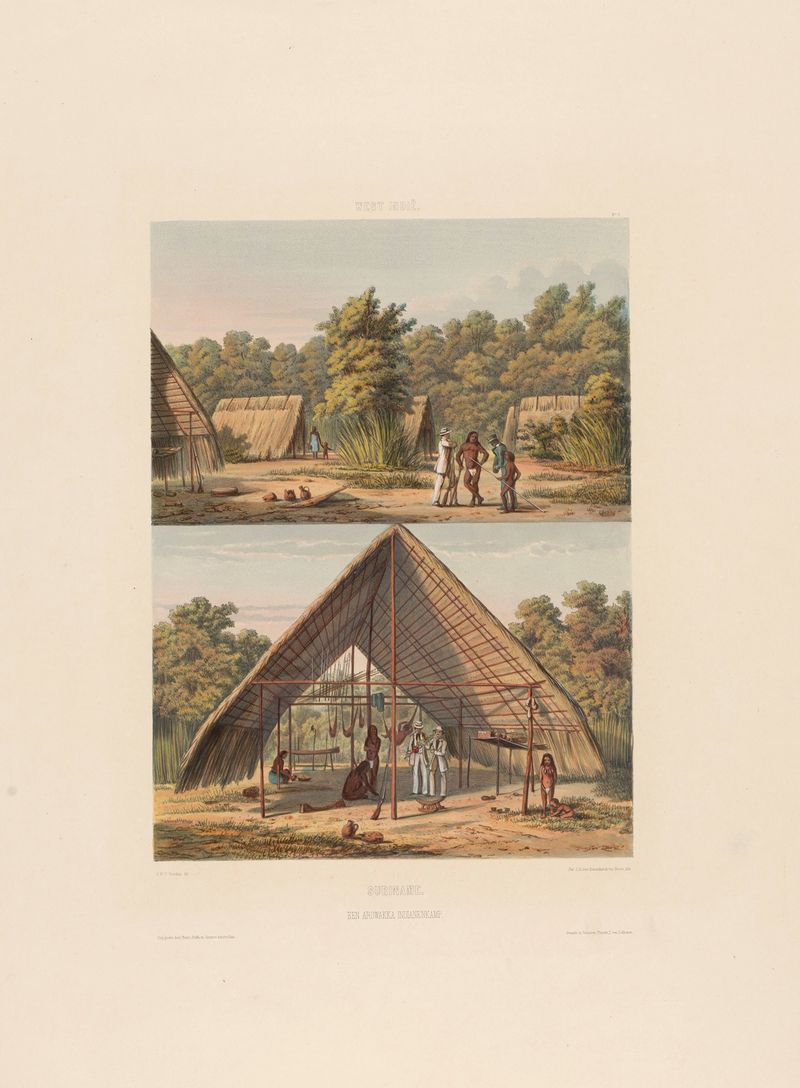
Suriname. Een Arowakka indianenkamp
Gerard Voorduin
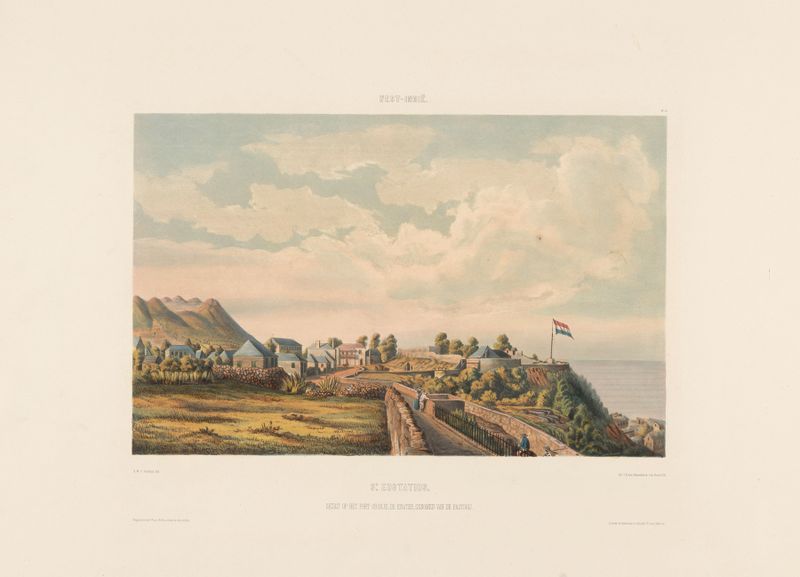
St. Eustatius. Gezigt op het Fort Oranje, de krater, genomen van de pastorij
Gerard Voorduin

Suriname. Gezigt op het Fort Zelandia te Paramaribo
Gerard Voorduin
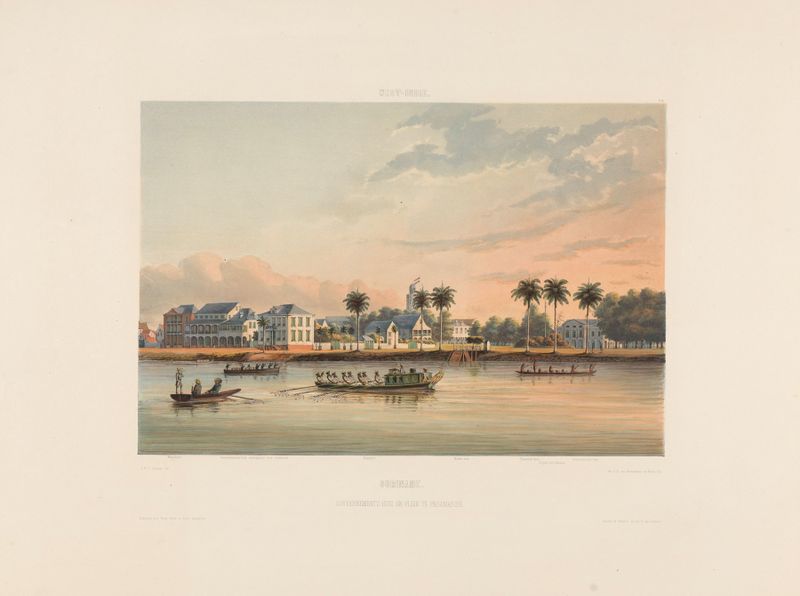
Suriname. Gouvernements-huis en plein te Paramaribo
Gerard Voorduin
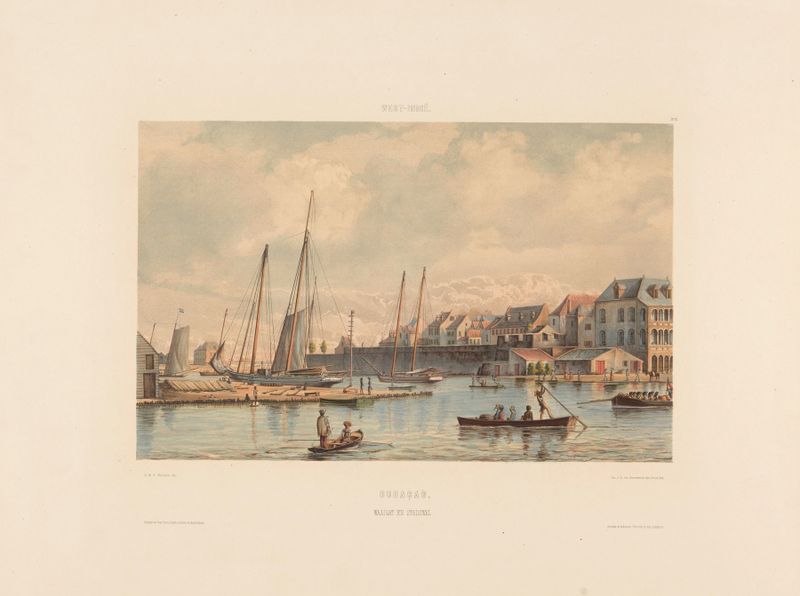
Curaçao. Waaigat en stadswal
Gerard Voorduin
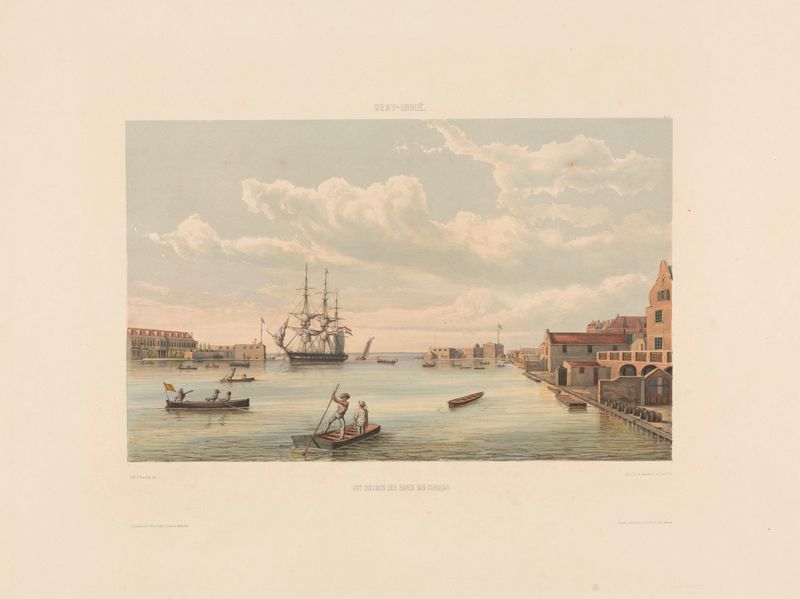
Het inkomen der haven van Curaçao
Gerard Voorduin
Suriname
Gerard Voorduin





