
Post Gelderland en Joden Savannah (rivier zijde) — History & Facts
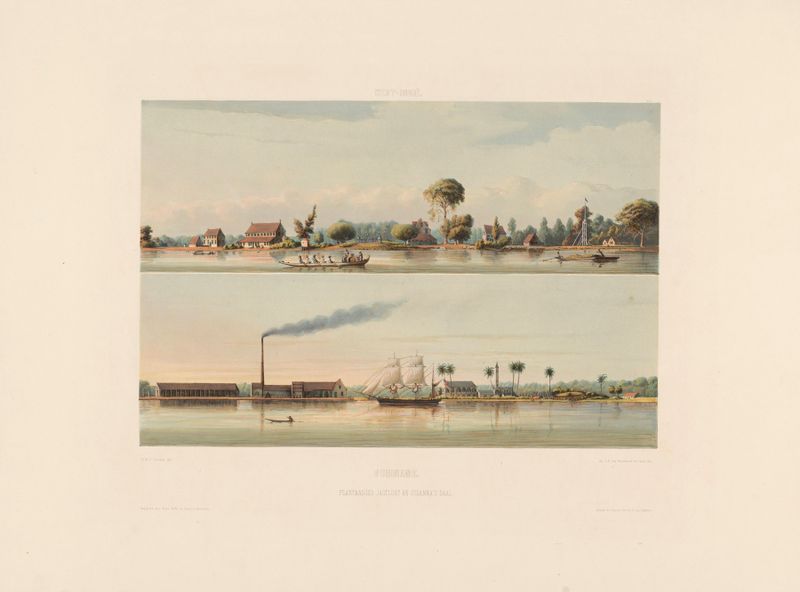
In a moment of serene contemplation, Post Gelderland en Joden Savannah (rivier zijde) captures the stillness that lies beneath the surface of life. This work invites viewers to pause and reflect, revealing how tranquility can coexist with the chaos of existence. Look to the left at the gentle curve of the riverbank, where soft greens merge with muted blues, leading the eye into the serene waters. The horizon blushes with the warm tones of a setting sun, casting a golden glow that bathes the entire scene in warmth.
Notice how the artist employs delicate brushstrokes to evoke movement in the water, contrasting with the stillness of the figures poised at the river's edge. Each detail, from the reflections dancing on the surface to the wisps of clouds above, works harmoniously to create a sense of cohesive calm. The emotional tension in this piece lies in the juxtaposition of nature's tranquility against the unspoken stories of those who inhabit it. The figures, caught in their quiet moment, suggest both isolation and connection; they are part of the landscape yet seem separate from it, embodying a yearning for serenity.
The soft light that permeates the scene evokes a sense of nostalgia, hinting at the transitions of life while the water flows endlessly, symbolizing continuity amidst change. During the years 1860 to 1862, the artist found himself in a period of introspection and growth, painting in the Netherlands amidst a shifting artistic landscape. The rise of Impressionism was beginning to influence many, yet Voorduin chose to focus on serene landscapes that highlighted the quiet beauty of everyday life. His commitment to capturing moments of stillness reveals not just his technical skill, but also his desire to portray a world that remains untouched by the tumult of contemporary society.
More Artworks by Gerard Voorduin
Browse all →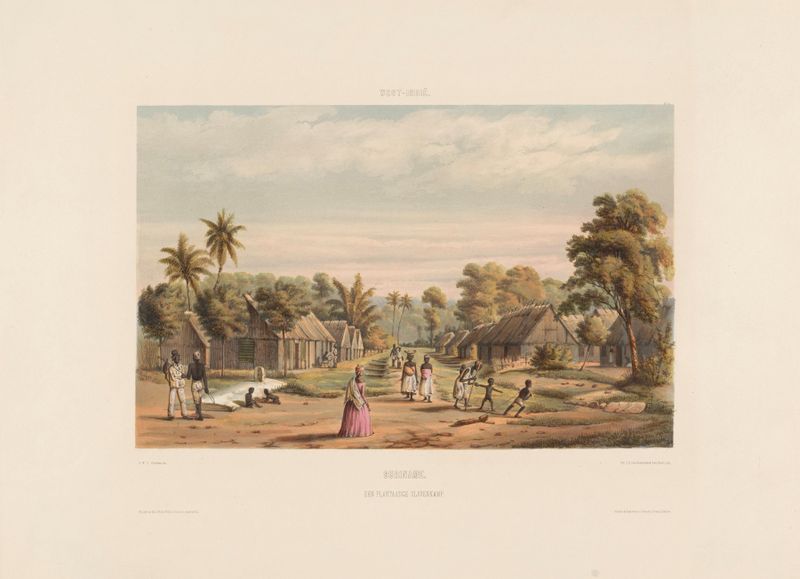
Suriname. Een plantaadge slavenkamp
Gerard Voorduin
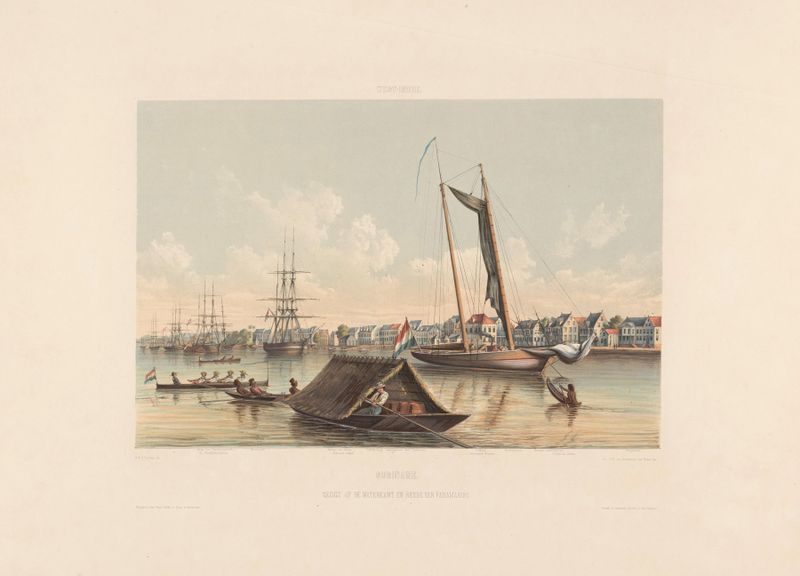
Suriname. Gezigt op de Waterkant en reede van Paramaribo
Gerard Voorduin
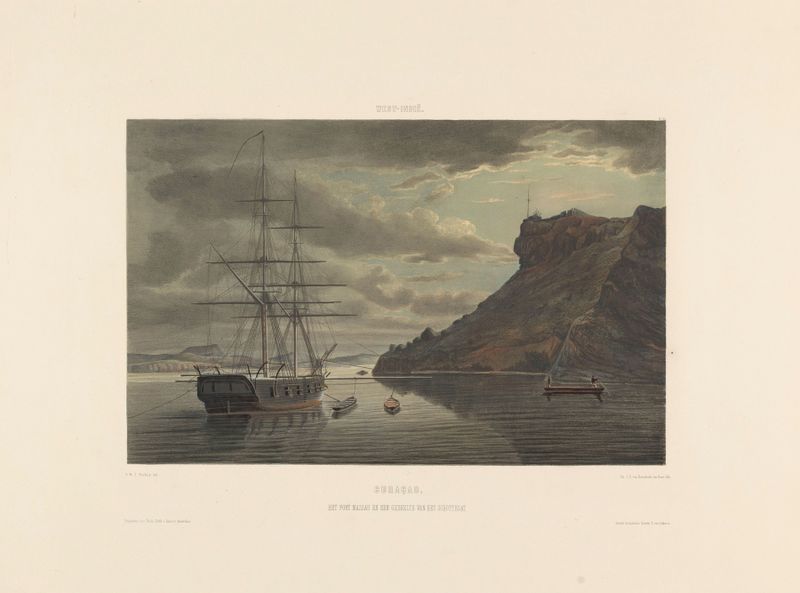
Curaçao. Het Fort Nassau en een gedeelte van het Schottegat
Gerard Voorduin
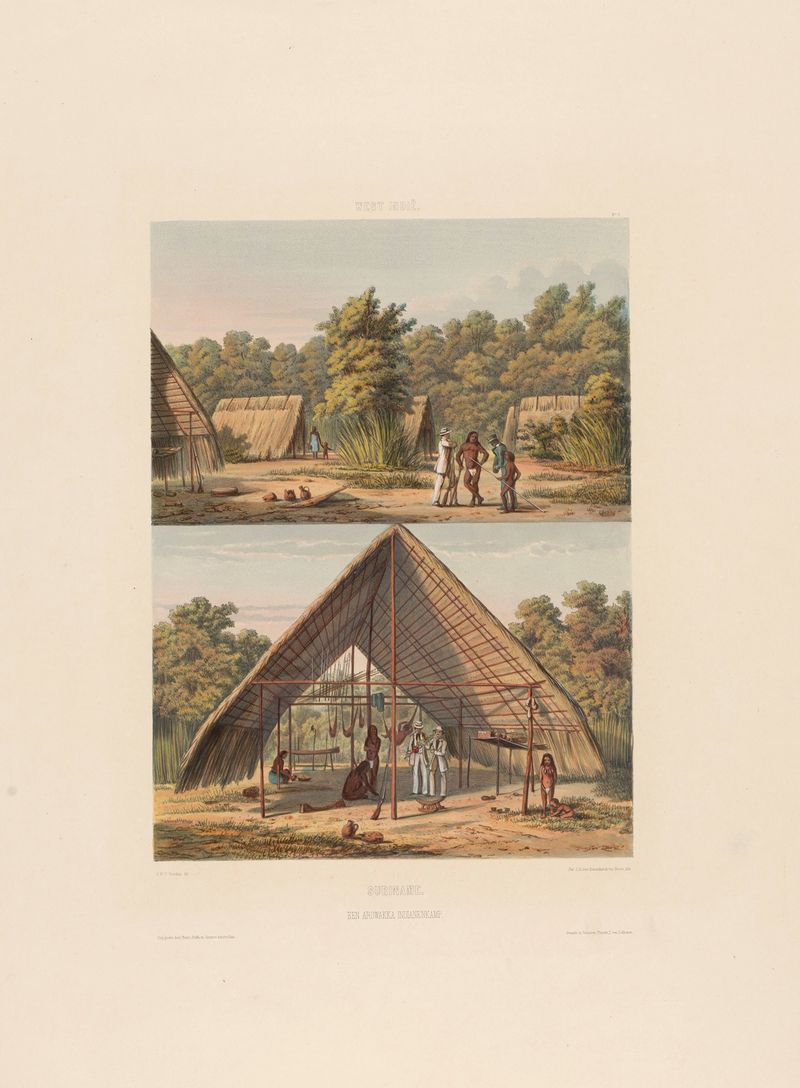
Suriname. Een Arowakka indianenkamp
Gerard Voorduin
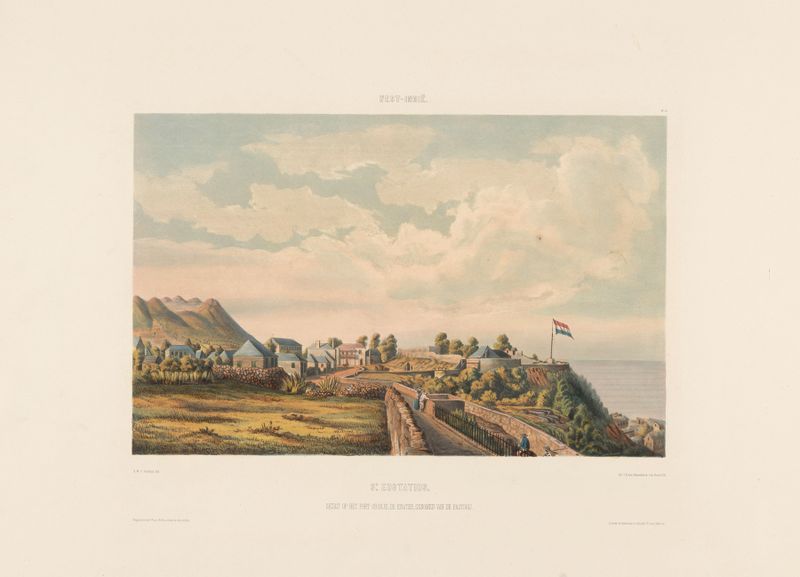
St. Eustatius. Gezigt op het Fort Oranje, de krater, genomen van de pastorij
Gerard Voorduin

Suriname. Gezigt op het Fort Zelandia te Paramaribo
Gerard Voorduin
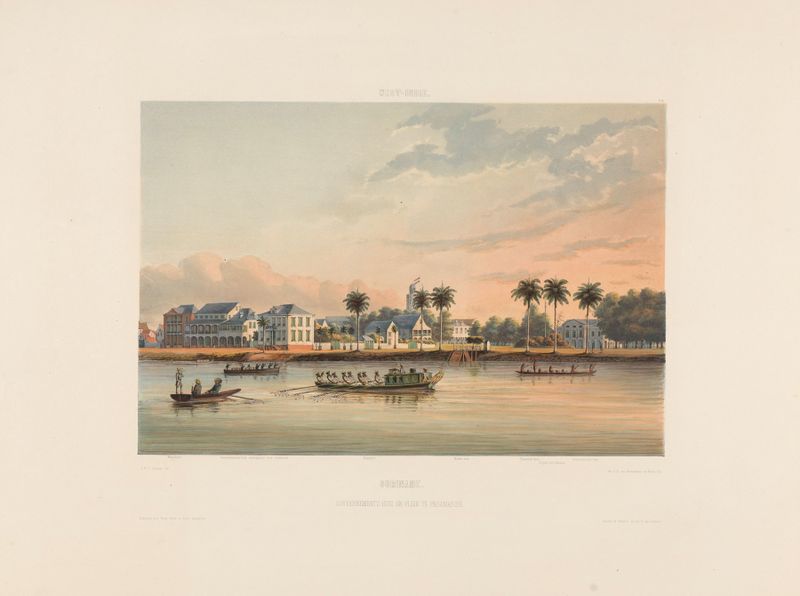
Suriname. Gouvernements-huis en plein te Paramaribo
Gerard Voorduin
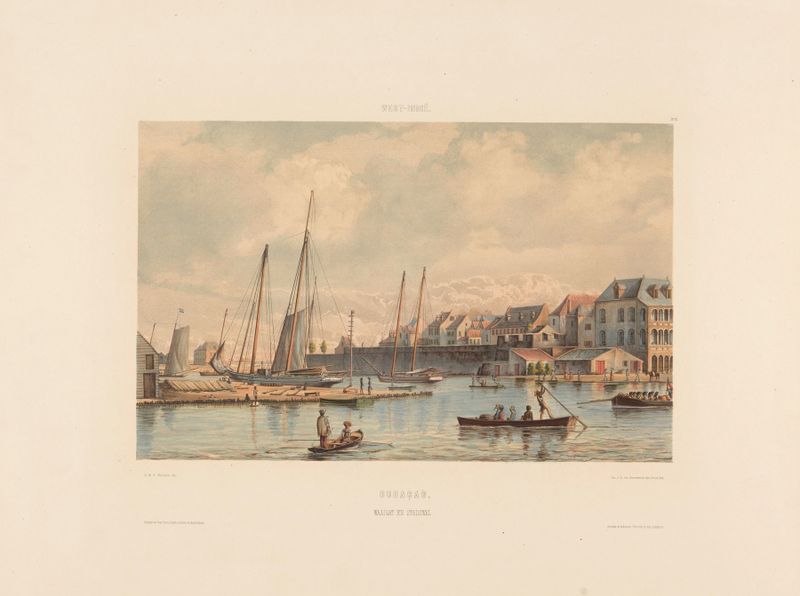
Curaçao. Waaigat en stadswal
Gerard Voorduin
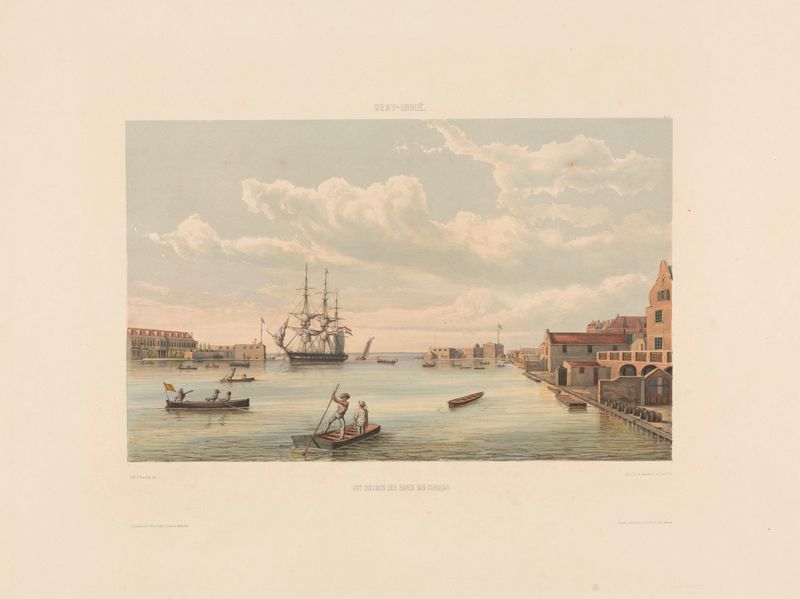
Het inkomen der haven van Curaçao
Gerard Voorduin
Suriname
Gerard Voorduin





