
Suriname. Een Arowakka indianenkamp — History & Facts
In the heart of Suriname, nature breathes life into the spirit, each stroke of paint a testament to rebirth and resilience. Look to the center, where the Arowakka figures stand in a harmonious assembly, their earthy tones merging with the vibrant greens and browns of the surrounding foliage. Notice how the light filters through the canopy, casting a dappled glow that animates their expressions and gestures. The composition draws the eye, creating a sense of unity among the individuals while celebrating their connection to the land.
The textured brushwork reflects the pulse of their world, transforming a mere scene into an intimate dialogue between humanity and nature. Delve deeper into the minute details—a feathered headdress on one figure, the intricate patterns on woven garments, and the subtle expressions that convey a spectrum of emotions from pride to serenity. Each element serves as a reminder of the cultural richness and the quiet strength of a community often overlooked. The interplay between shadow and light suggests both the weight of history and the potential for renewal, leaving the viewer to ponder the complexities of identity and existence in the natural world. Gerard Voorduin painted this work between 1860 and 1862 during his travels in South America, a period marked by his fascination with indigenous cultures and their environments.
The mid-19th century was a time of exploration and cultural exchange, shaping his perspective as an artist who sought to document the lives of people living in harmony with nature. This painting reflects not only a personal journey but also the broader narrative of colonial encounters and the search for understanding within the art community of his time.
More Artworks by Gerard Voorduin
Browse all →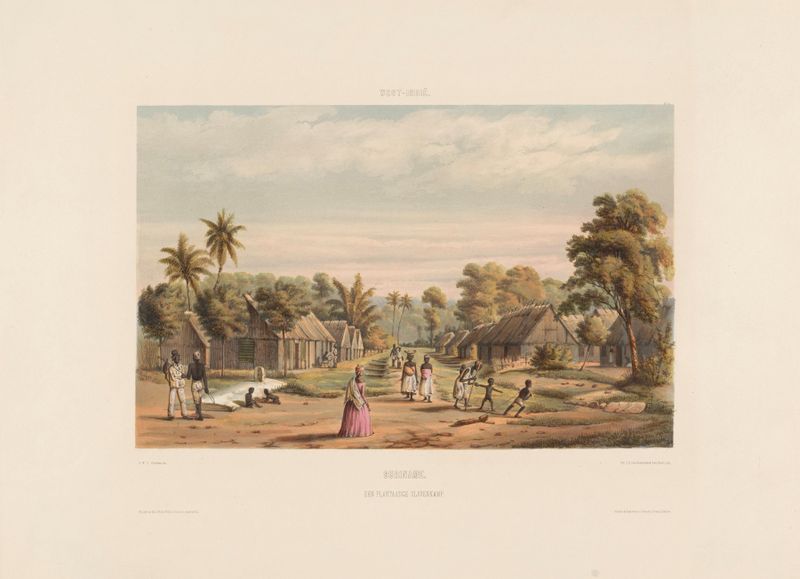
Suriname. Een plantaadge slavenkamp
Gerard Voorduin
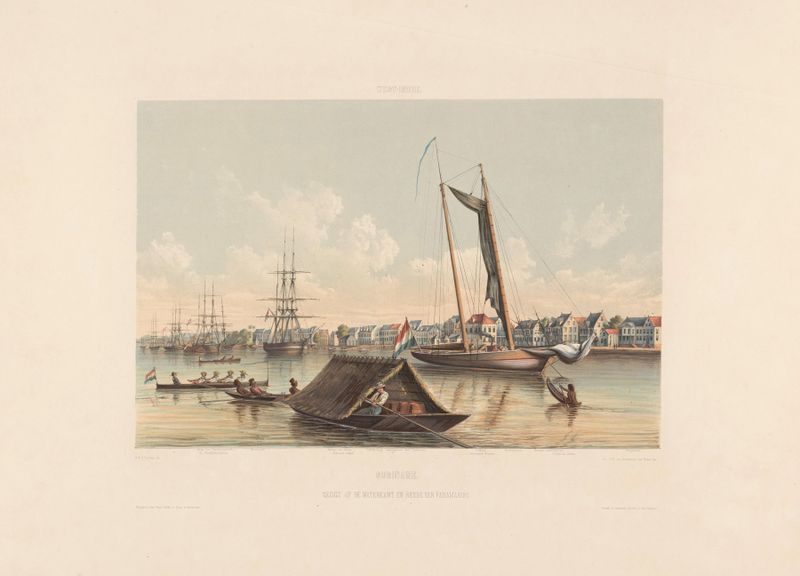
Suriname. Gezigt op de Waterkant en reede van Paramaribo
Gerard Voorduin
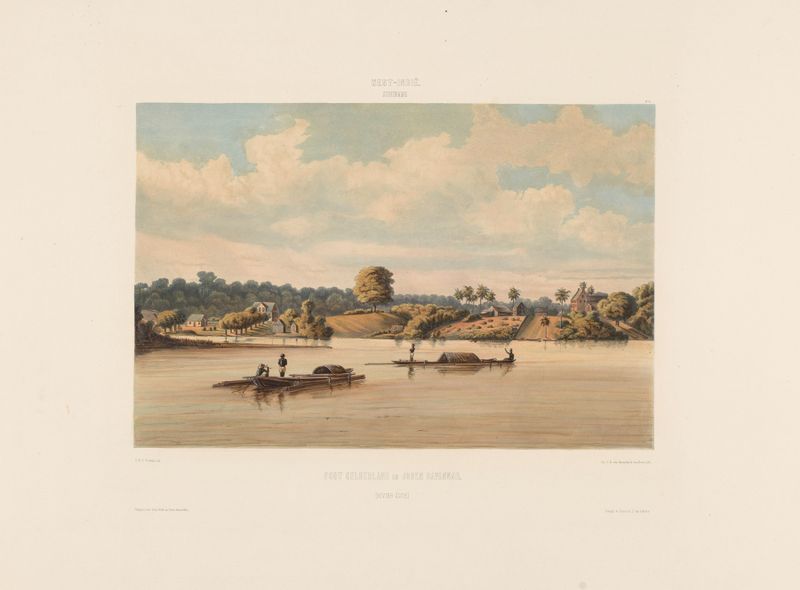
Post Gelderland en Joden Savannah (rivier zijde)
Gerard Voorduin
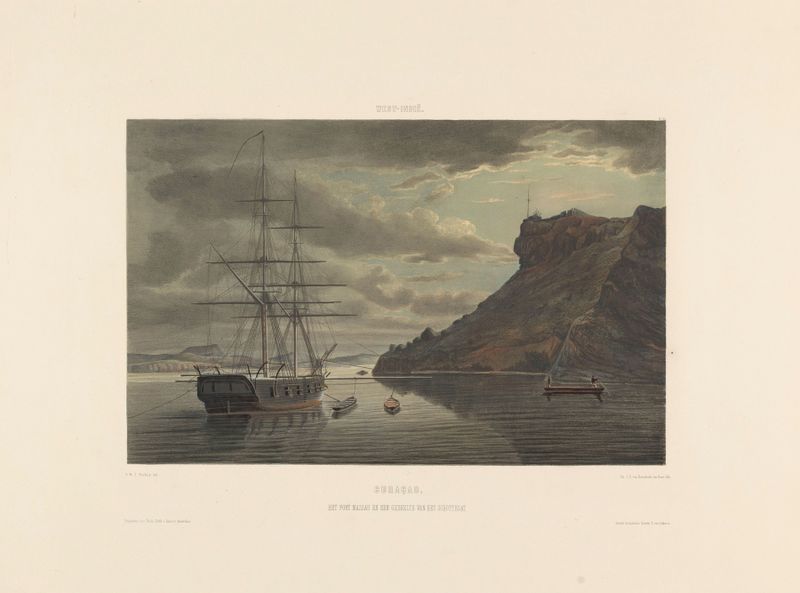
Curaçao. Het Fort Nassau en een gedeelte van het Schottegat
Gerard Voorduin
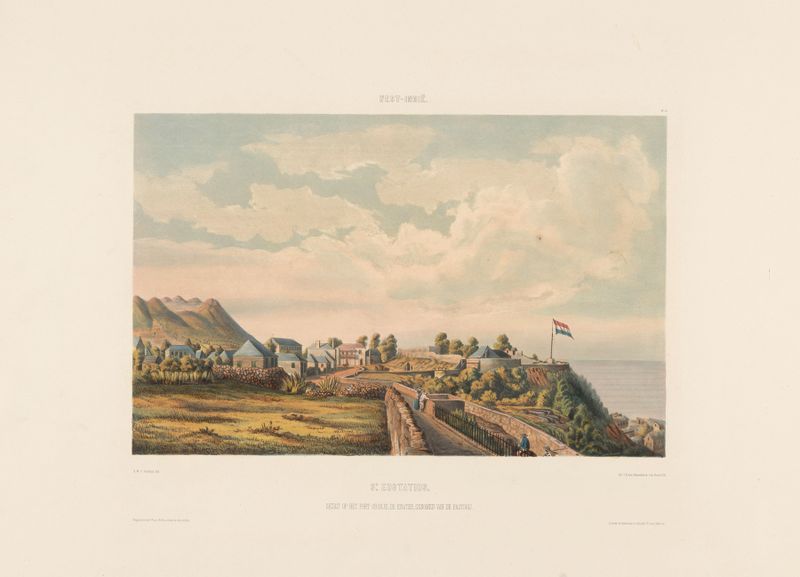
St. Eustatius. Gezigt op het Fort Oranje, de krater, genomen van de pastorij
Gerard Voorduin

Suriname. Gezigt op het Fort Zelandia te Paramaribo
Gerard Voorduin
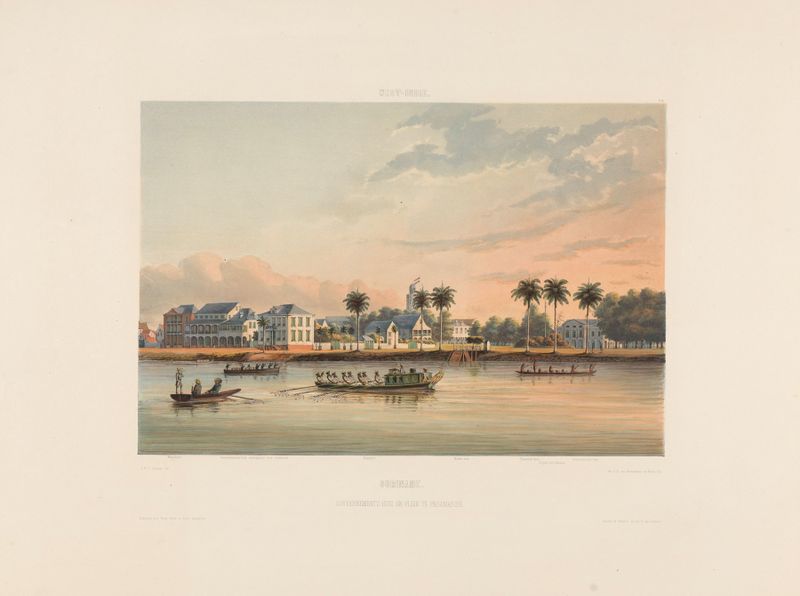
Suriname. Gouvernements-huis en plein te Paramaribo
Gerard Voorduin
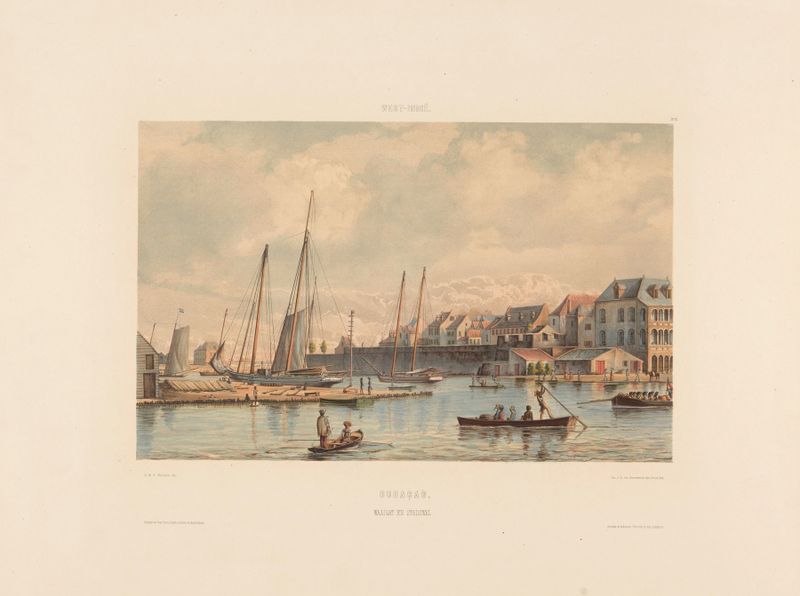
Curaçao. Waaigat en stadswal
Gerard Voorduin
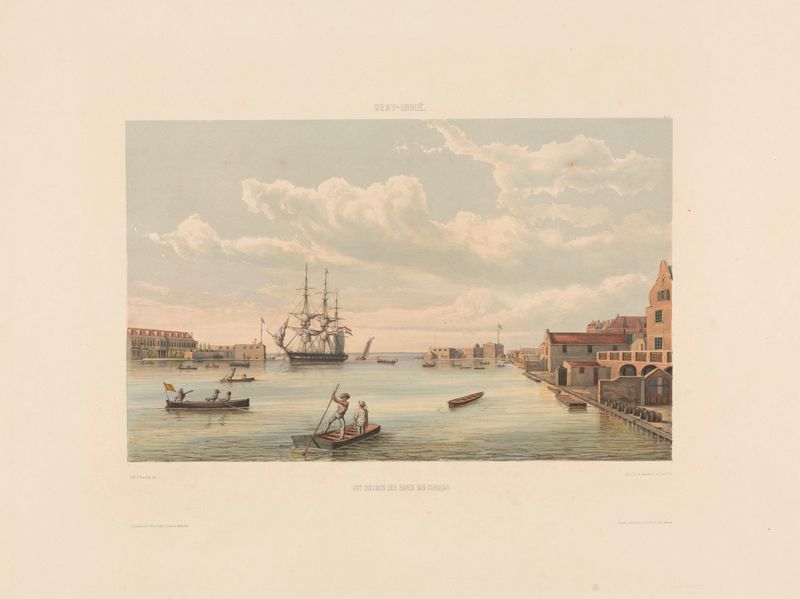
Het inkomen der haven van Curaçao
Gerard Voorduin
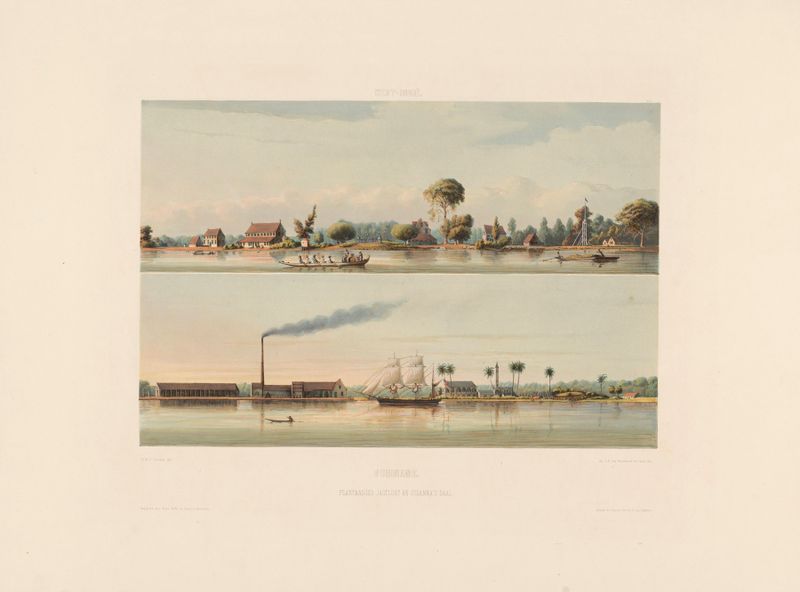
Suriname
Gerard Voorduin





