
Cutting of Pines — History & Facts
In Cutting of Pines, transformation emerges not just in the act of lumbering trees but within the very act of creation itself, as the brush captures an ephemeral moment in rural life. Look to the left at the sturdy, upright trees, their trunks rendered with dark, rich browns and deep greens, exuding an almost solemn strength. The laborers, depicted in muted earth tones, stand out against the cacophony of nature, their figures robust yet fleeting like whispers among the giants. Notice how the dappled light filters through the foliage, casting intricate patterns on the ground, evoking a sense of harmony between man and nature yet hinting at disruption. Beneath the surface, this work speaks volumes about the tension between progress and preservation.
The act of cutting trees symbolizes the relentless march of industry, yet here, every stroke celebrates nature’s grandeur, hinting at loss. The laborers, both agents of change and participants in a cycle of destruction, evoke a duality where transformation becomes an inevitable shadow of progress. Painted in 1890, during a period when industrialization began to reshape landscapes across Europe, Lepère's work reflects a world grappling with the consequences of its own advancement. Living in France, he was influenced by the Impressionist movement, which sought to capture the essence of a fleeting moment.
As society changed, the artist's brush recorded a scene that both embraced and mourned the inevitable transformation of the environment around him.
More Artworks by Auguste Louis Lepère
Browse all →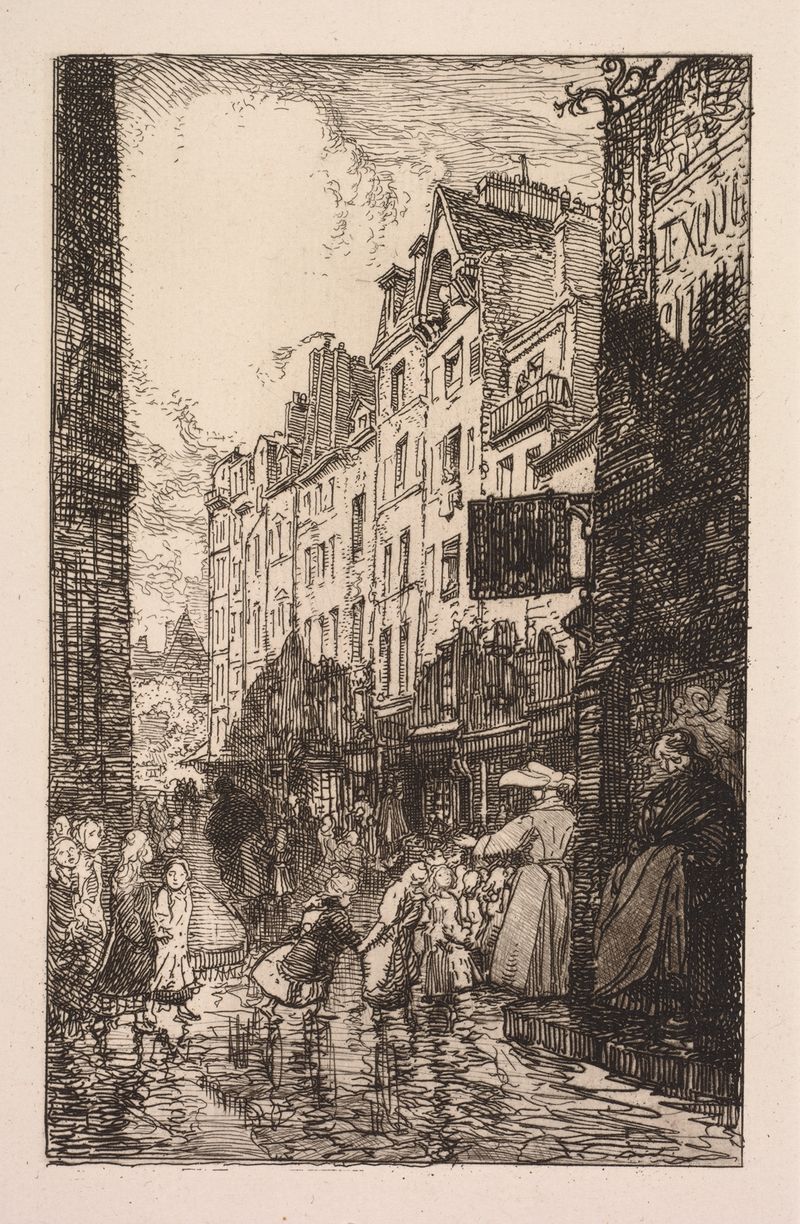
La Rue des Prêtres Saint-Séverin
Auguste Louis Lepère
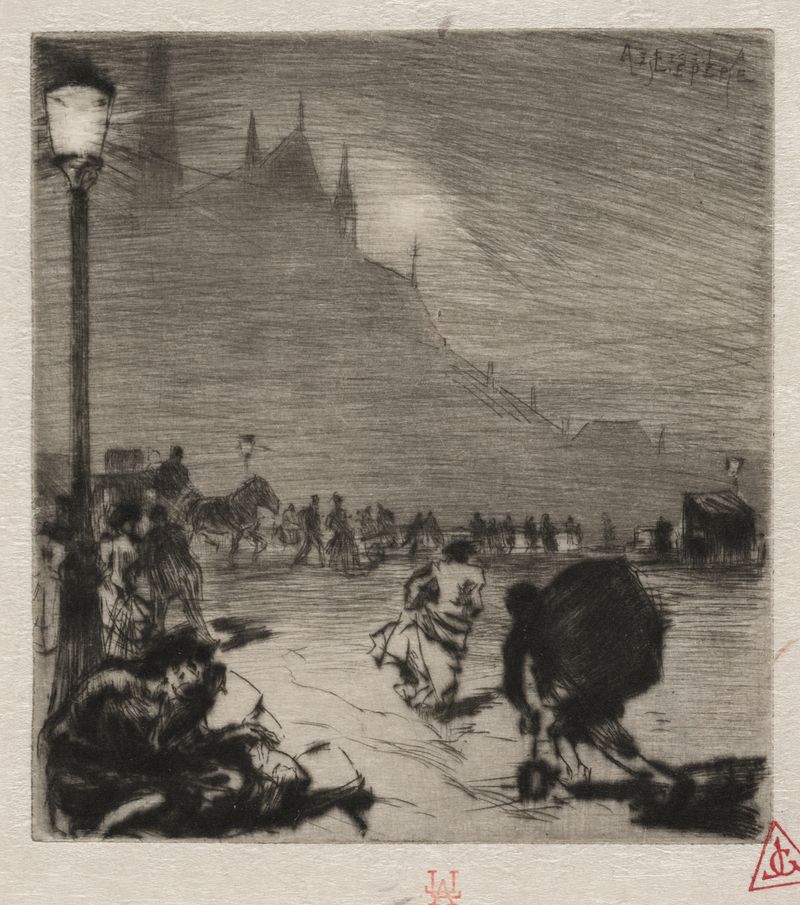
Au Coin du Pont-aux-Doubles
Auguste Louis Lepère
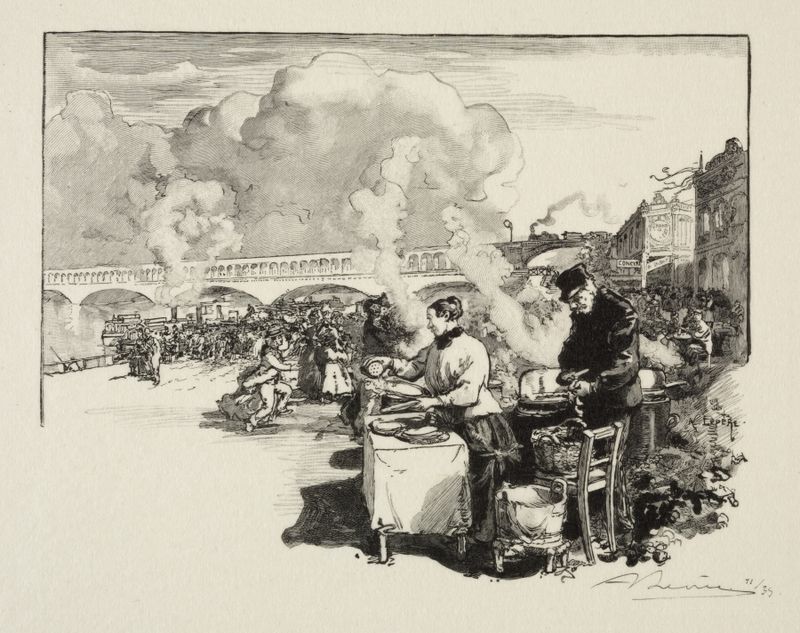
Debarcadère des bateaux-omnibus
Auguste Louis Lepère

La Seine, au quai de la Rapée
Auguste Louis Lepère
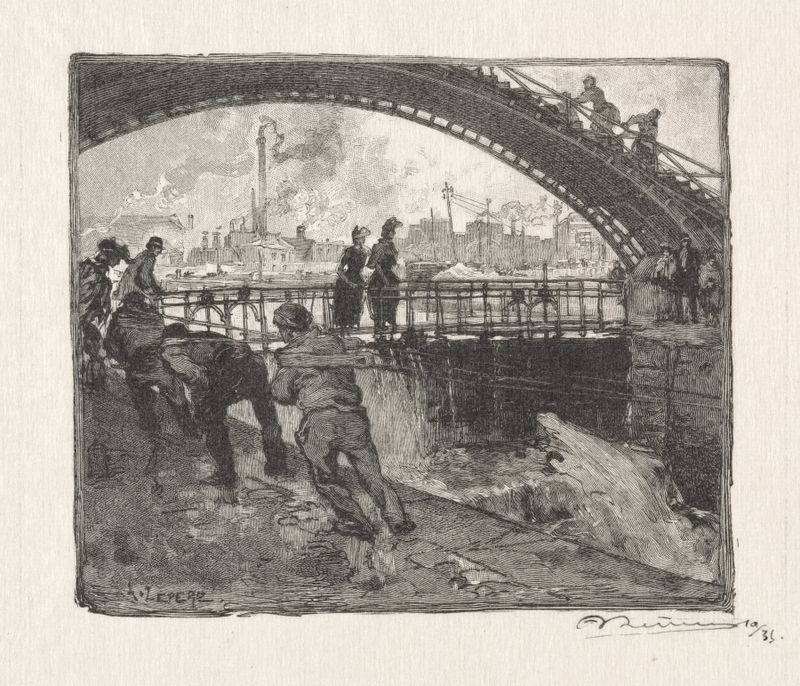
L’Ecluse du Canal St. Martin
Auguste Louis Lepère

Le Boulevard Montmartre, le Soir
Auguste Louis Lepère

Une Chasse au Mont Gérard
Auguste Louis Lepère
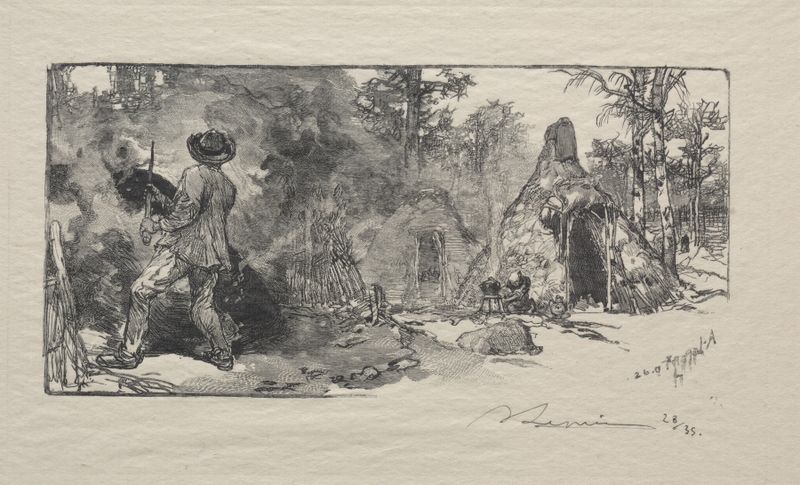
Les Charbonniere
Auguste Louis Lepère
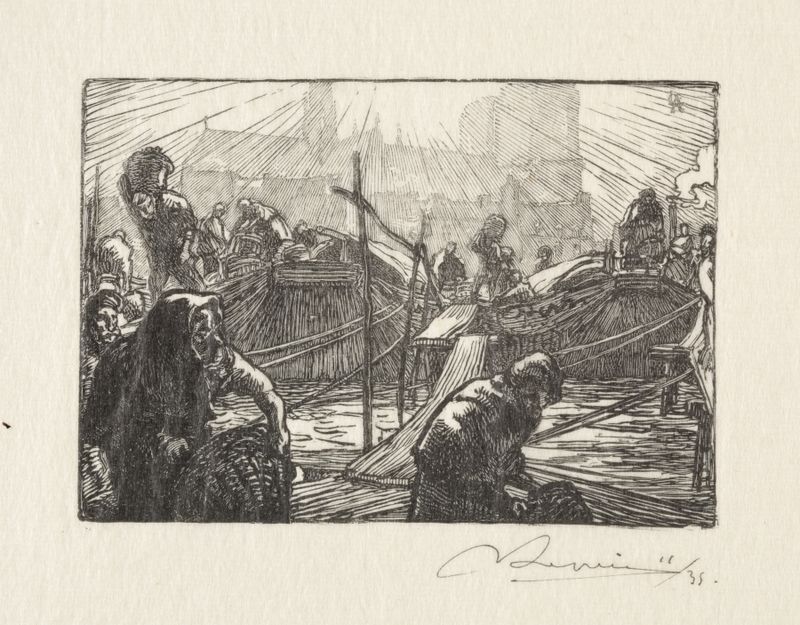
Notre Dame vue du Marché aux pommes
Auguste Louis Lepère

Le Palais des Arts Liberaux, Intèrieur
Auguste Louis Lepère





