
Cuvier-Châtillon Cliff — History & Facts
The vastness of nature often holds secrets too profound to articulate—a symphony of awe that leaves us both humbled and introspective. Look to the left at the steep, craggy edges of the cliff, where intricate details reveal the artist’s meticulous approach to woodblock printing. The layered textures create a dramatic interplay of light and shadow, evoking the ruggedness of the landscape. Notice how the muted palette of greys and earth tones harmonizes with the soft hues of the sky, invoking a sense of tranquility juxtaposed with the wildness of the rocks.
Each stroke invites the viewer to explore the contours of the cliffside, a testament to nature's enduring forms. Delve deeper into the artwork, and you’ll discover an emotional tension between nature’s beauty and its indifference. The looming cliffs stand as both guardians and obstacles, suggesting a narrative of human insignificance amidst the grandeur of the world. The serenity of the scene belies the raw power inherent in the natural landscape, evoking feelings of both awe and claustrophobia.
This duality reflects the artist's own contemplation of life’s complexities, embodying a moment frozen in time where stillness reigns. In 1890, while living in France, Auguste Louis Lepère created this piece during a period marked by a growing interest in naturalism within the art community. The influences of Impressionism were shaping the artistic milieu, yet Lepère carved a niche for himself by exploring the textures of landscapes through wood engraving. This approach not only showcased his technical skill but also aligned with a broader movement towards capturing the ephemeral qualities of nature, allowing viewers to connect deeply with the environment.
More Artworks by Auguste Louis Lepère
Browse all →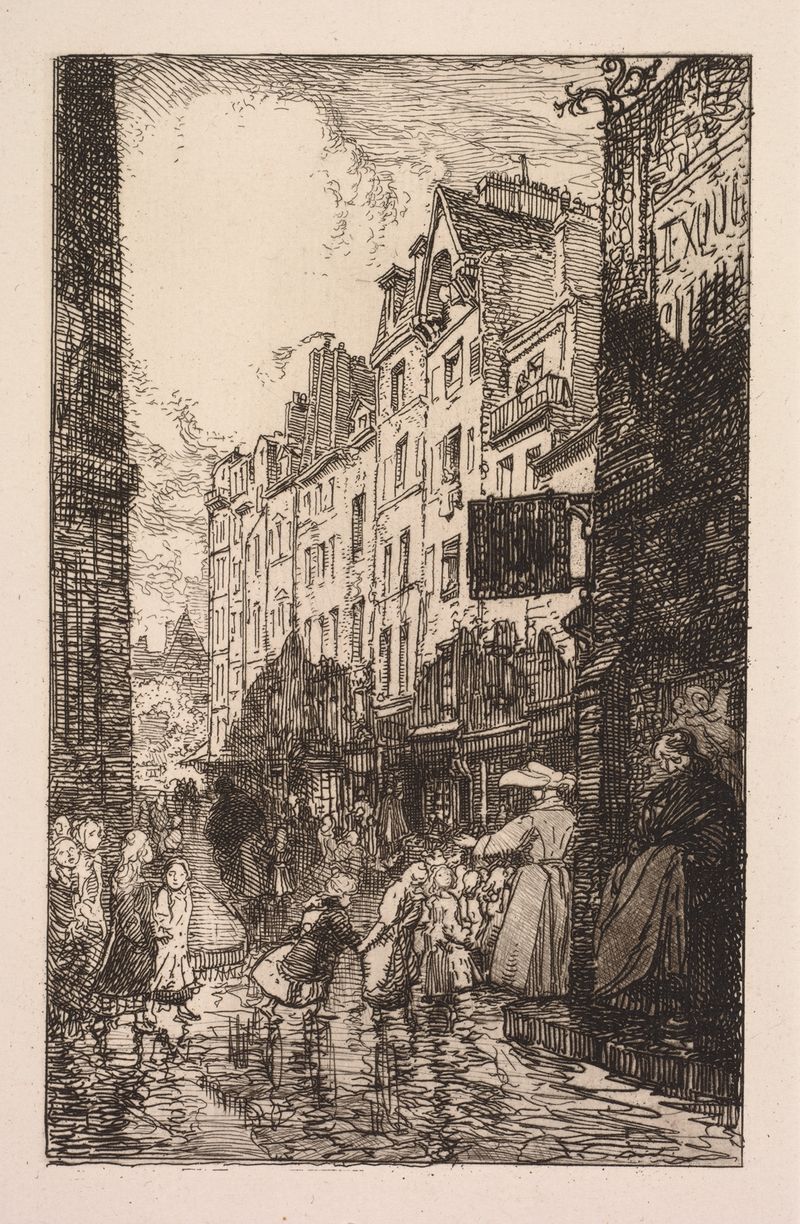
La Rue des Prêtres Saint-Séverin
Auguste Louis Lepère
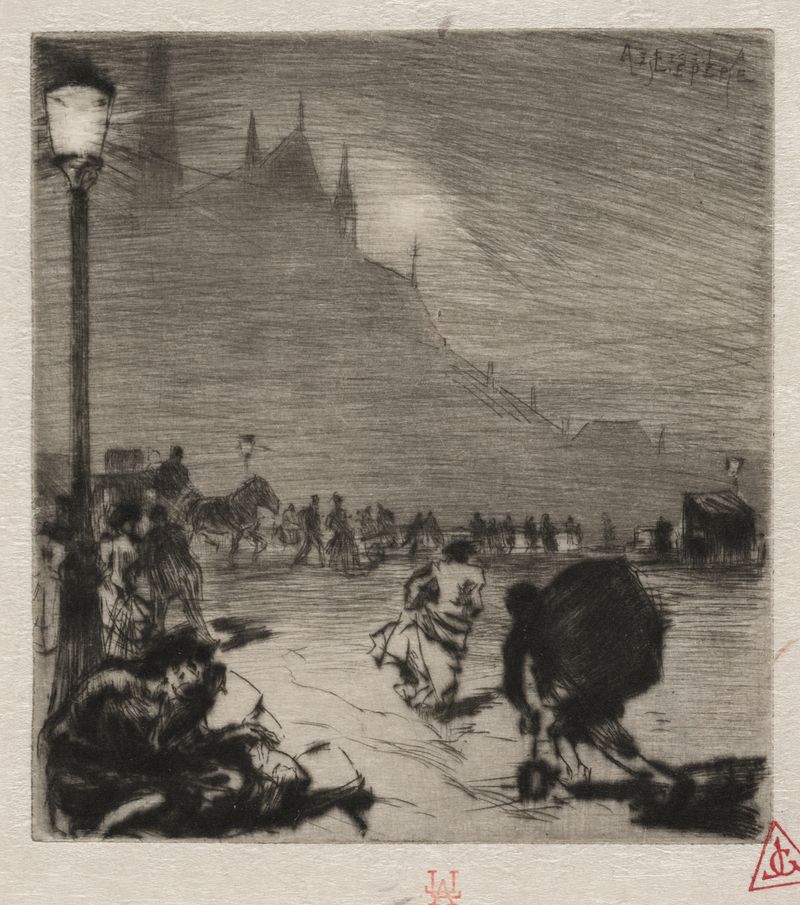
Au Coin du Pont-aux-Doubles
Auguste Louis Lepère
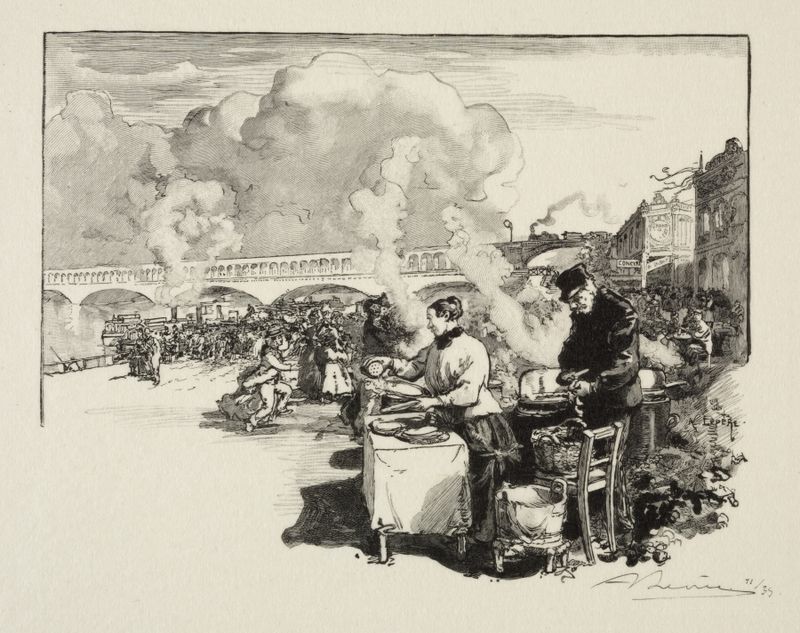
Debarcadère des bateaux-omnibus
Auguste Louis Lepère

La Seine, au quai de la Rapée
Auguste Louis Lepère
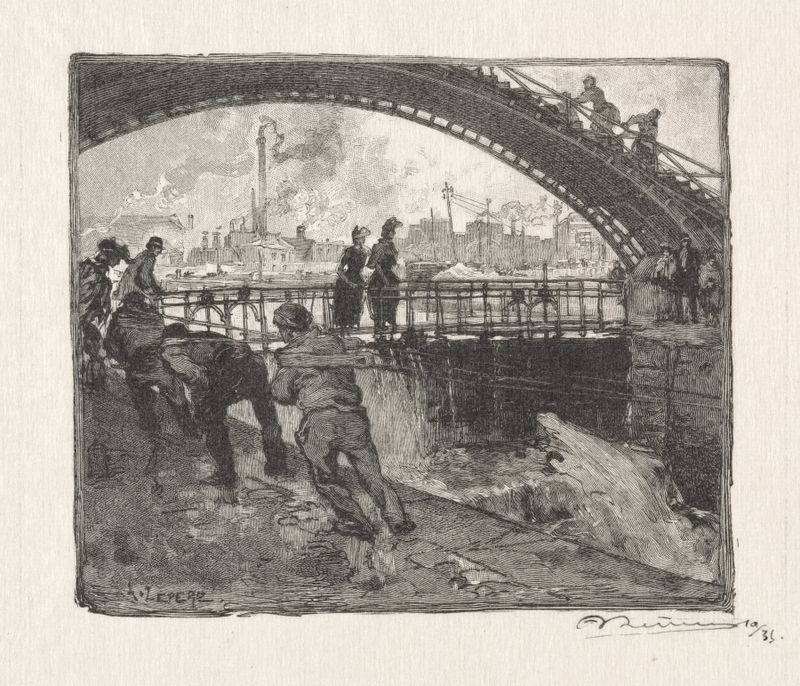
L’Ecluse du Canal St. Martin
Auguste Louis Lepère

Le Boulevard Montmartre, le Soir
Auguste Louis Lepère

Une Chasse au Mont Gérard
Auguste Louis Lepère
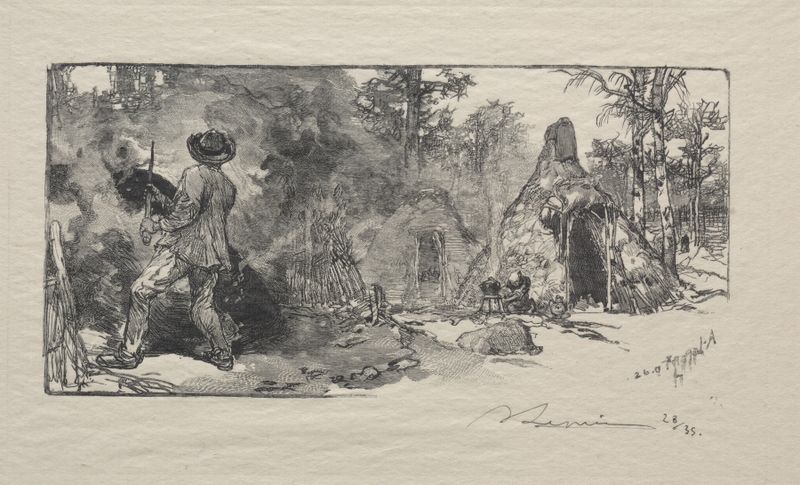
Les Charbonniere
Auguste Louis Lepère
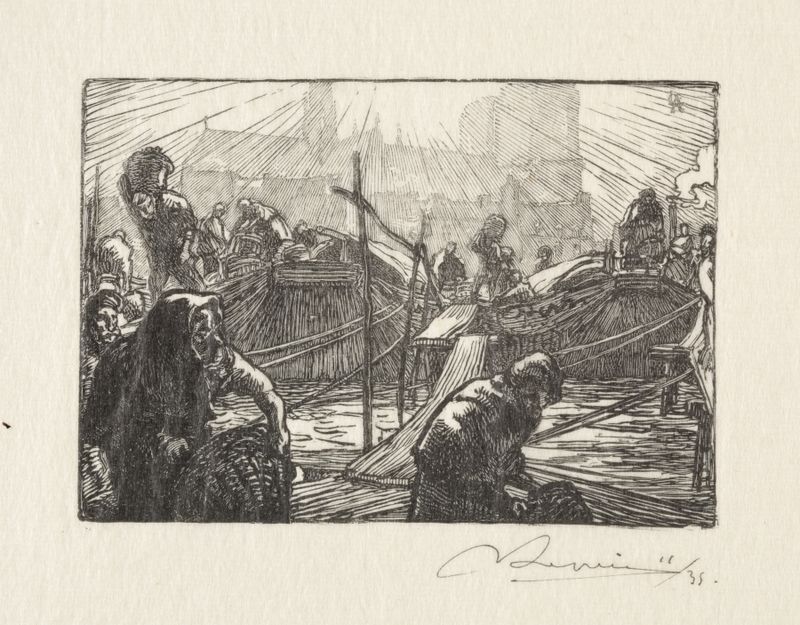
Notre Dame vue du Marché aux pommes
Auguste Louis Lepère

Le Palais des Arts Liberaux, Intèrieur
Auguste Louis Lepère





