
Cypress trees at the Villa d’Este — History & Facts
What lies hidden beneath the vibrant strokes of paint can only be unveiled through the intimate dance of light and color. As the viewer stands before this artwork, they enter a realm where ecstasy exudes from nature, capturing the spirit of serenity entwined with energy. Focus on the lush, green cypress trees that dominate the canvas; their towering presence invites an echo of nature's majesty. Notice how the artist masterfully blends varying shades of green with hints of blue and gold, creating a harmonious interplay that symbolizes both tranquility and vibrancy.
The gentle curves of the branches lead the eye upward, drawing you into the soft embrace of a sky that transitions from daylight to dusk, evoking a sense of wonder and mystique. Hidden within the scene are contrasting emotions — the rigid strength of the cypress juxtaposed with the fluidity of the surrounding landscape. This tension captures the fleeting moments of joy found in nature, suggesting a celebration of life itself. Each brushstroke encapsulates a whisper of the divine, inviting contemplation on the beauty of existence, intertwined with the underlying chaos of the natural world.
The interplay of light and shadow serves to heighten this experience, drawing the viewer closer to the sublime. In 1817, Charles Lock Eastlake painted this vibrant scene while in Italy, immersed in the Romantic movement that redefined artistic expression. At this time, Europe was undergoing significant cultural shifts, and Eastlake found inspiration in the landscapes that surrounded him. His work, often characterized by its emotional depth and attention to detail, reflects the broader search for beauty and truth in a rapidly changing world, making Cypress trees at the Villa d’Este a poignant expression of that transitional moment.
More Artworks by Charles Lock Eastlake
Browse all →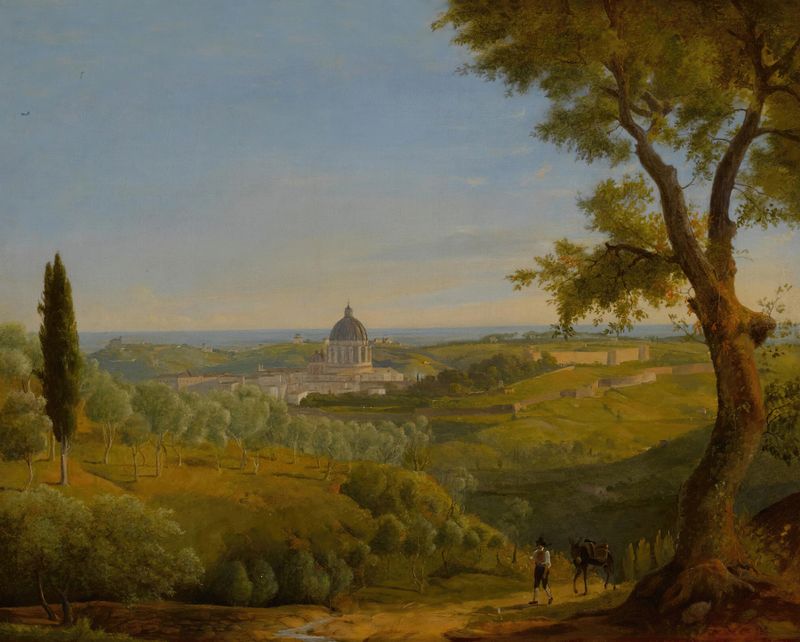
Rome, a view of Saint Peter’s from Monte Mario
Charles Lock Eastlake
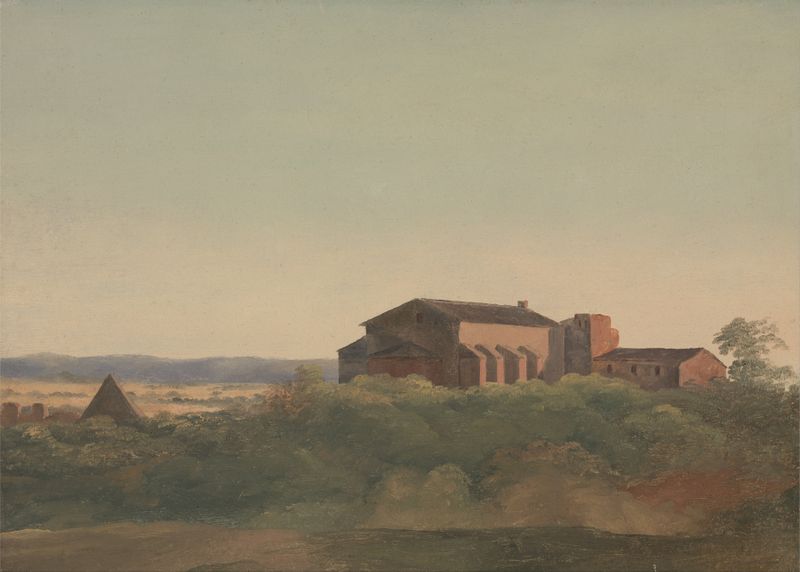
A View of the Church of S. Sabina and the Pyramid of Cestius, Rome
Charles Lock Eastlake
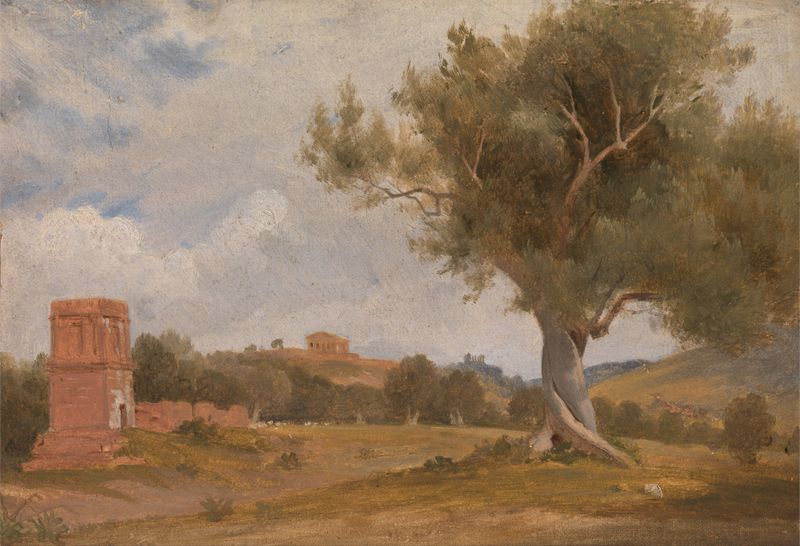
A View at Girgenti in Sicily with the Temple of Concord and Juno
Charles Lock Eastlake
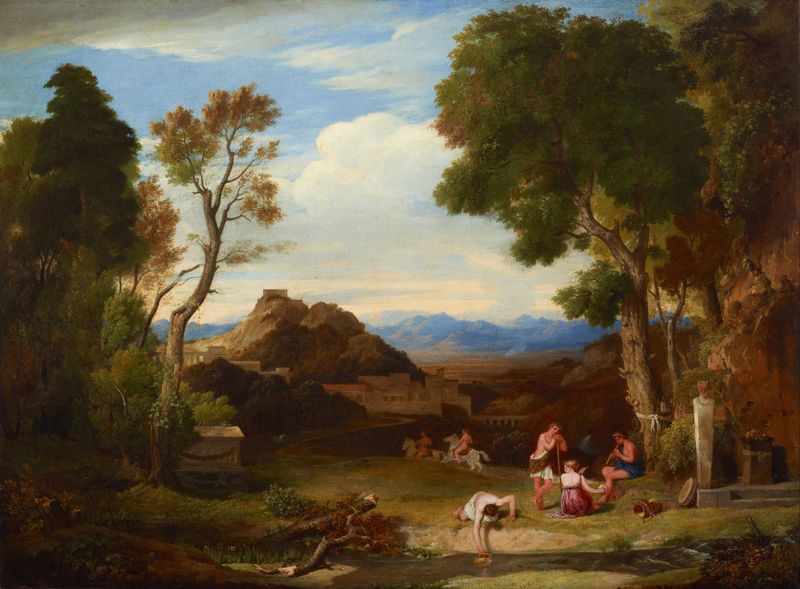
Classical landscape
Charles Lock Eastlake

The Erechtheum, Athens, with Figures in the Foreground
Charles Lock Eastlake
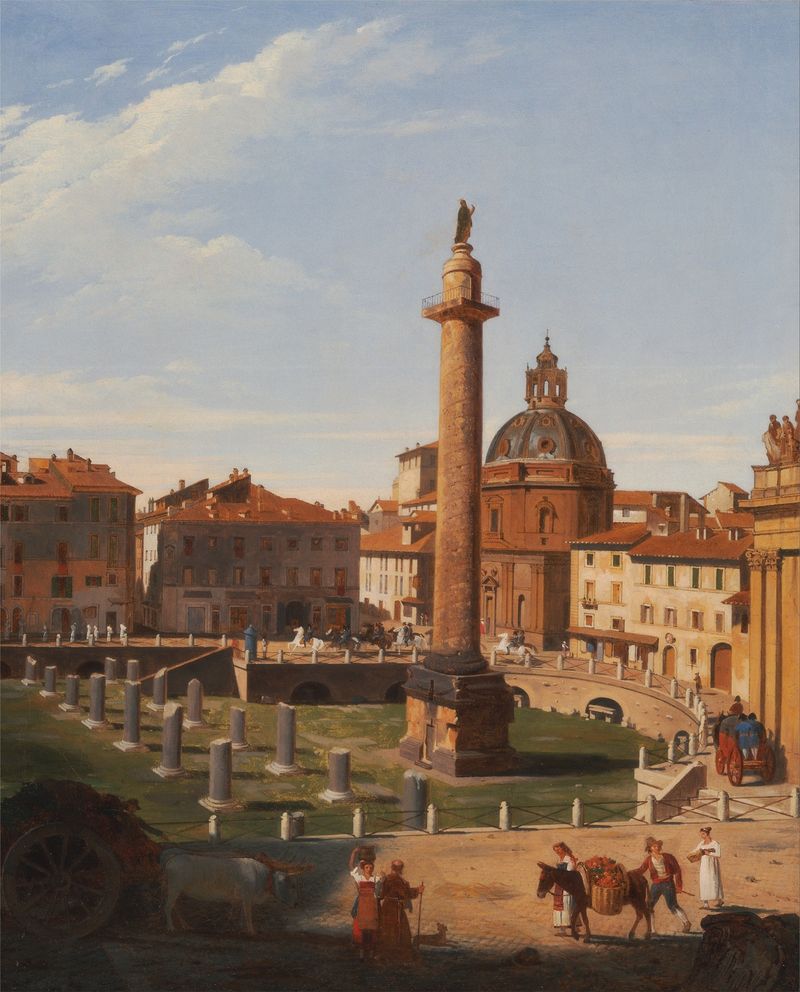
A View of Trajan’s Forum, Rome
Charles Lock Eastlake





