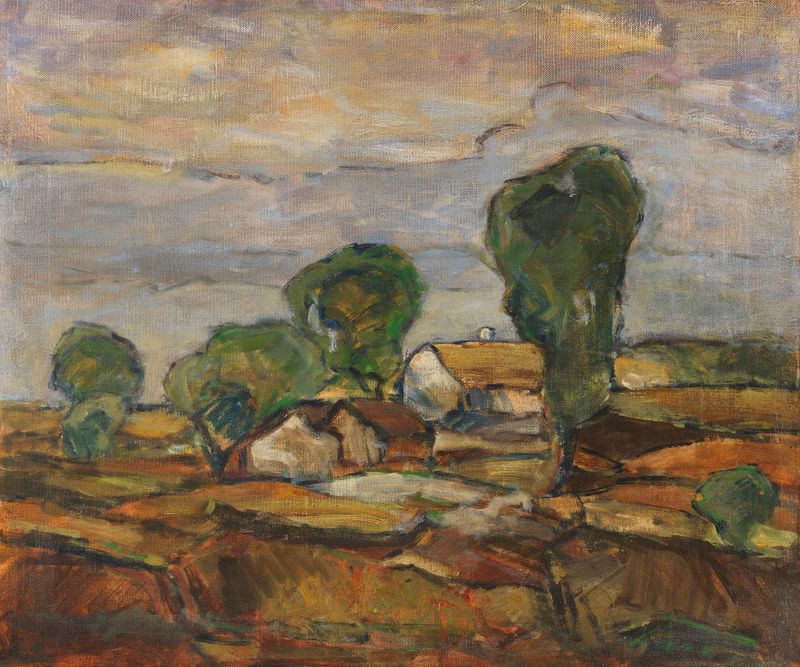
Dachauer Moorlandschaft im Winter — History & Facts
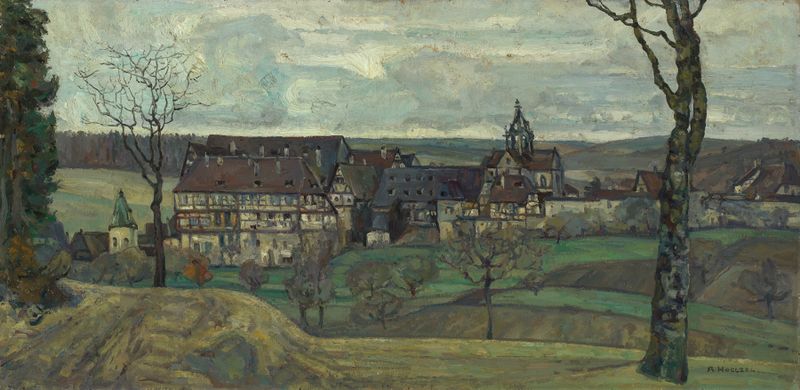
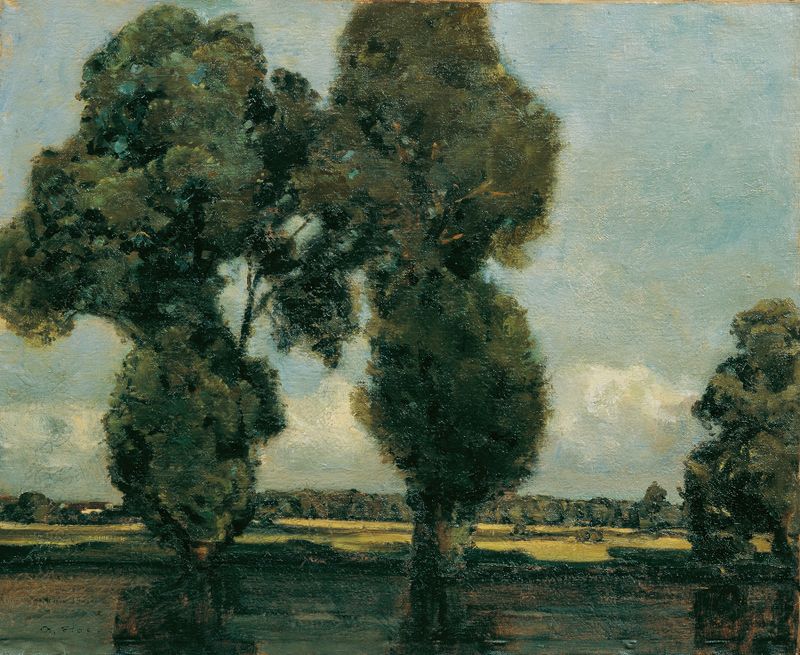
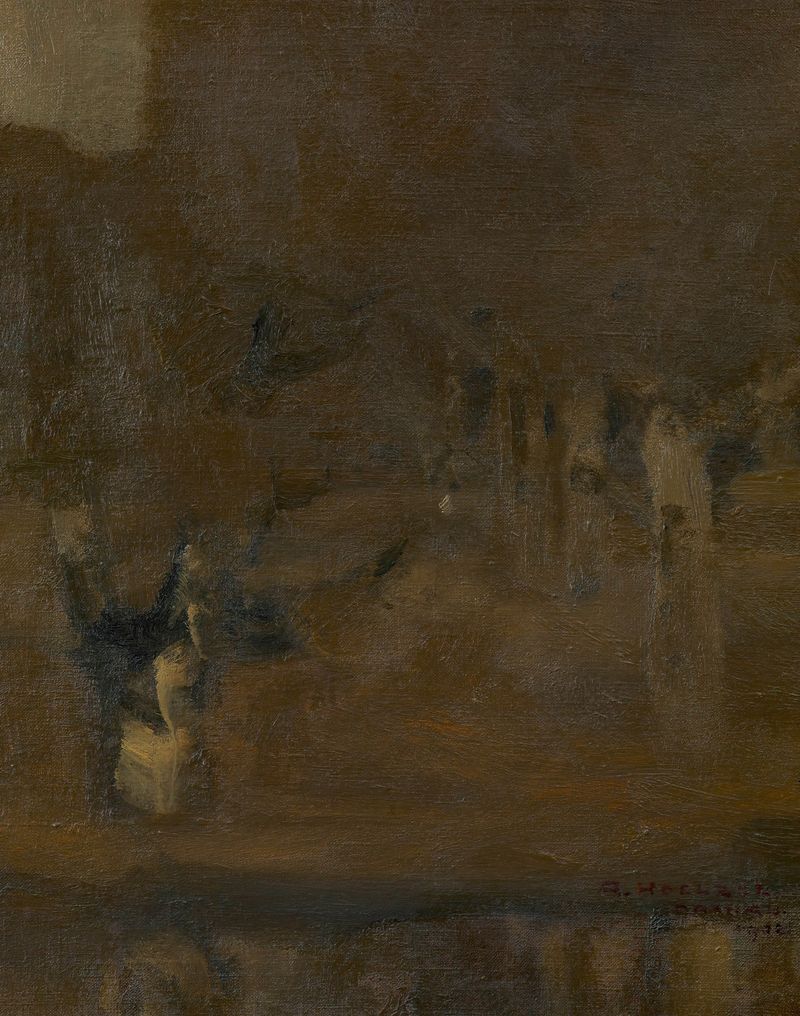
What secret hides in the quiet of the canvas? In a world often defined by haste, the serene stillness of a wintry landscape invites us to contemplate the passage of time and the beauty of solitude. Look to the left at the delicate brushstrokes that create a soft blanket of snow, enveloping the muted browns and grays of the winter trees. Notice how the light dances across the surface, illuminating subtle variations in tone that suggest movement beneath the tranquility. The horizon is low, drawing our gaze upward toward the expansive sky—a vast expanse of pale blue and white, where we can almost feel the chill of the air. The contrast between the starkness of the landscape and the gentle warmth of the colors evokes a sense of nostalgia.
Each element, from the whisper of the wind through the trees to the heavy silence of fallen snow, speaks to the weight of stillness and the fleeting nature of life. Hidden in this winter scene are echoes of memory, urging us to pause and reflect—what stories are carved into the silence of this moment? Adolf Hölzel painted Dachauer Moorlandschaft im Winter between 1908 and 1910, during a period of personal and artistic exploration in Germany. He sought to capture not only the external beauty of the landscape but also the internal emotional responses it elicited.
At this time, he was transitioning towards a more abstract style, influenced by both Impressionism and the burgeoning modernist movements, which were beginning to reshape the very foundations of artistic expression.