
Dans les Vosges — History & Facts
In the gentle embrace of nature, the weight of obsession lingers, whispering the unspoken tales of a heart entwined with the mountains. Look to the center, where the undulating hills rise and fall like breath, each contour meticulously rendered. The rich greens and earthy browns evoke a sense of grounding, while the soft blues of the distant sky invite the viewer’s gaze upward. Notice how the artist employs fine lines to define the foliage, creating a delicate interplay between texture and light.
This careful attention to detail reveals a deep reverence for the landscape, as if every brushstroke is a love letter to the serene beauty of the Vosges. Yet, beneath this tranquil surface lies a tension that speaks to a deeper obsession. The lone figure, dwarfed by the expansive scenery, reflects a profound solitude, suggesting a search for connection within nature’s vastness. The muted palette mirrors the emotional gravity of the moment, hinting at unacknowledged yearnings that pulse through the landscape.
Each element — the towering trees, the hidden pathways — serves as a reminder that obsession often thrives in silence and solitude. In 1914, Lepère painted this piece during a time of great change and upheaval in Europe. Living in France, he faced the impending devastation of World War I, which would soon alter the fabric of society. The tranquil yet haunting beauty of Dans les Vosges captures not only the landscape’s allure but also the artist's need for solace amid an uncertain world, as he sought refuge in the familiar embrace of nature.
More Artworks by Auguste Louis Lepère
Browse all →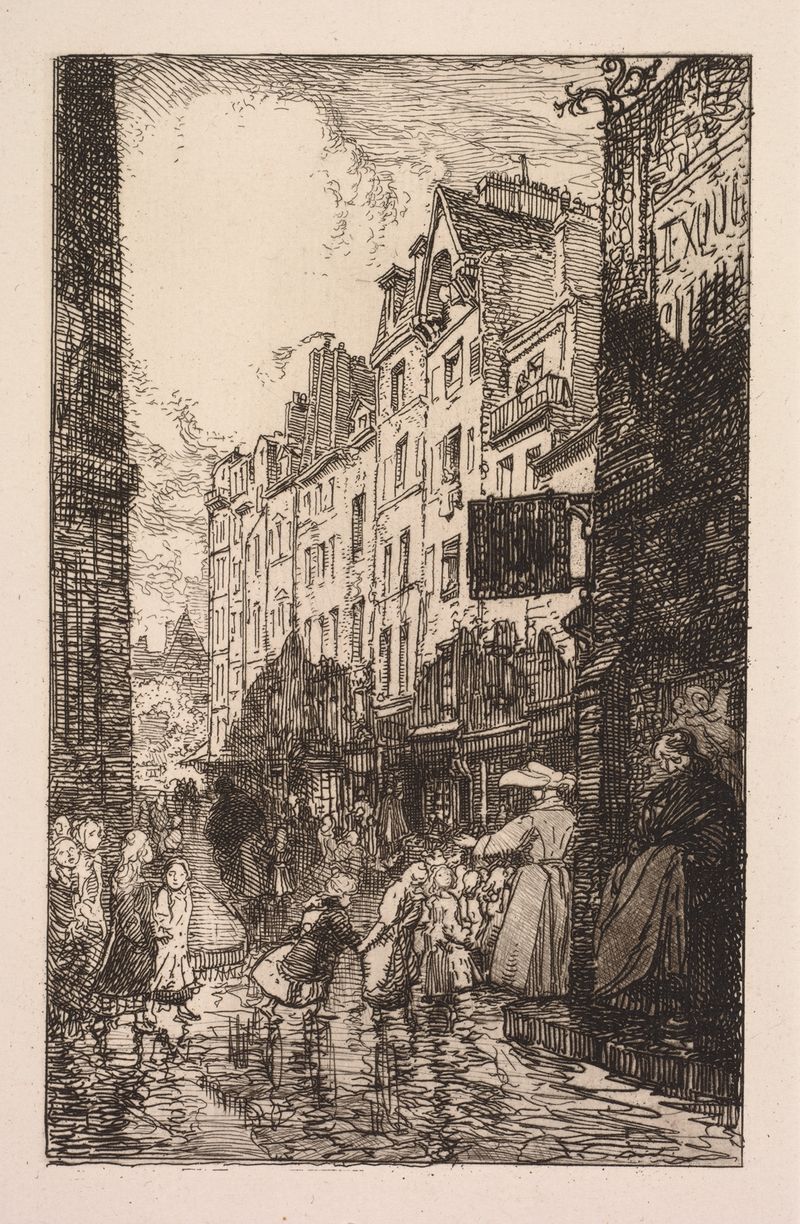
La Rue des Prêtres Saint-Séverin
Auguste Louis Lepère
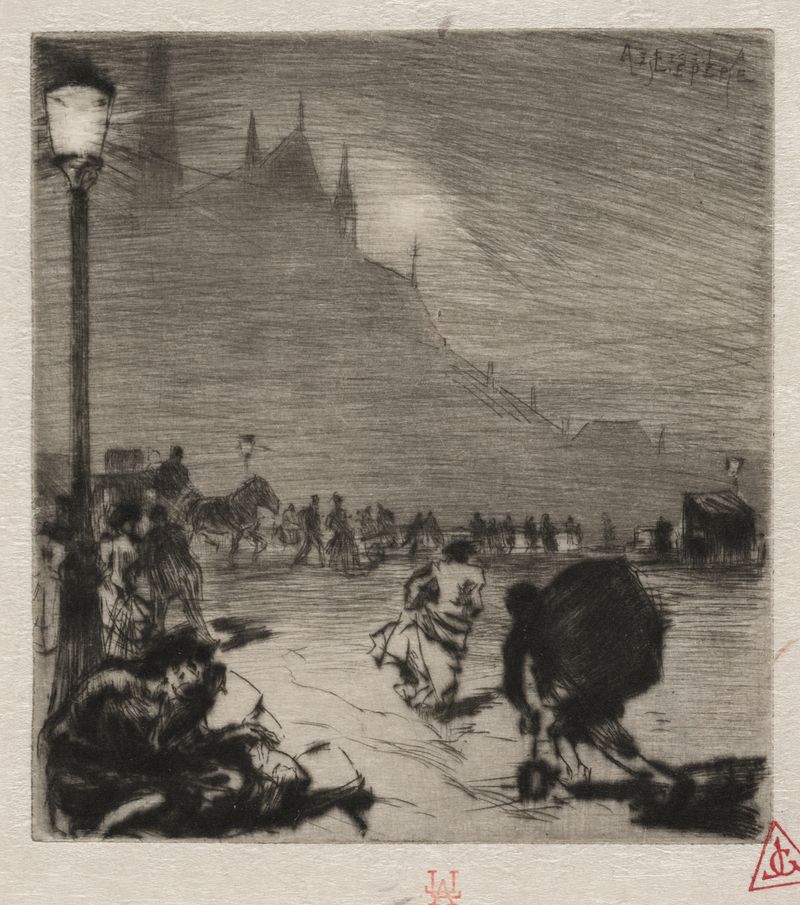
Au Coin du Pont-aux-Doubles
Auguste Louis Lepère
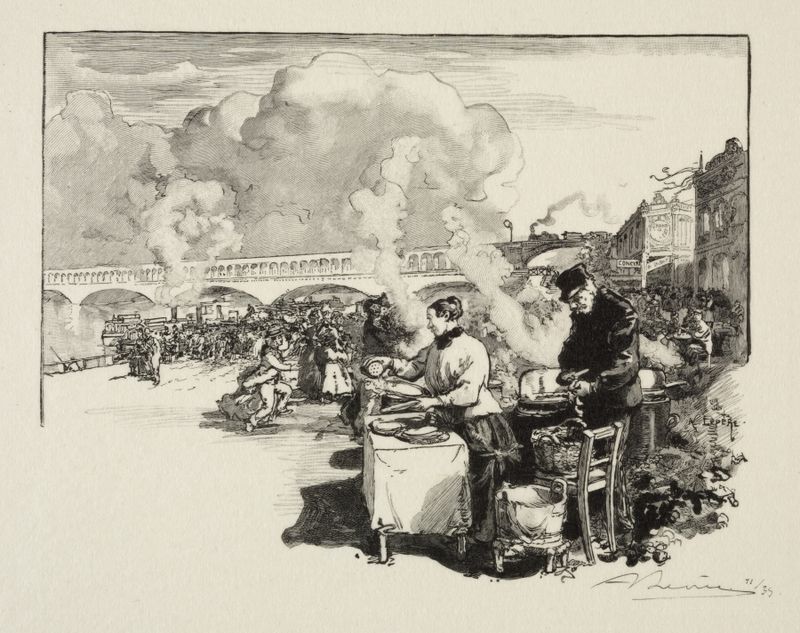
Debarcadère des bateaux-omnibus
Auguste Louis Lepère

La Seine, au quai de la Rapée
Auguste Louis Lepère
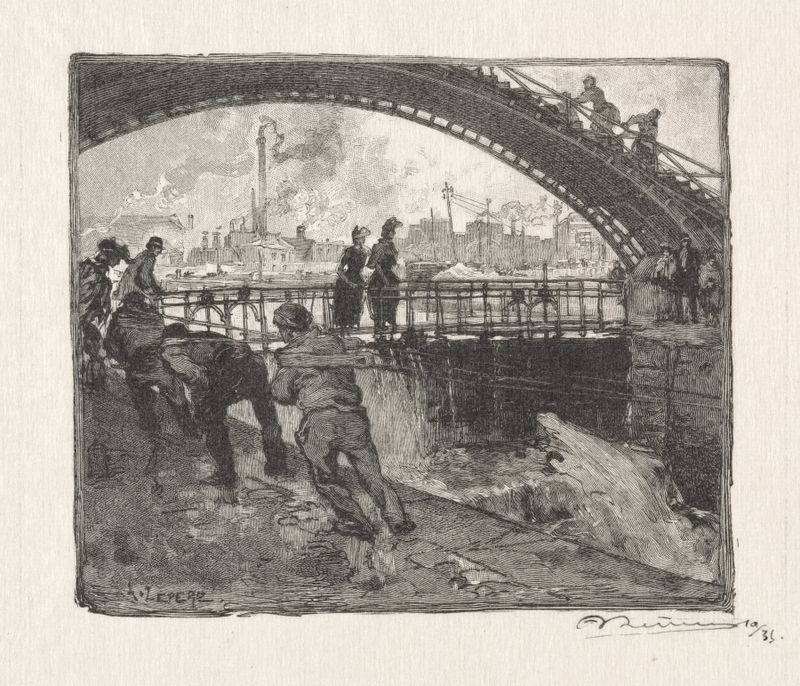
L’Ecluse du Canal St. Martin
Auguste Louis Lepère

Le Boulevard Montmartre, le Soir
Auguste Louis Lepère

Une Chasse au Mont Gérard
Auguste Louis Lepère
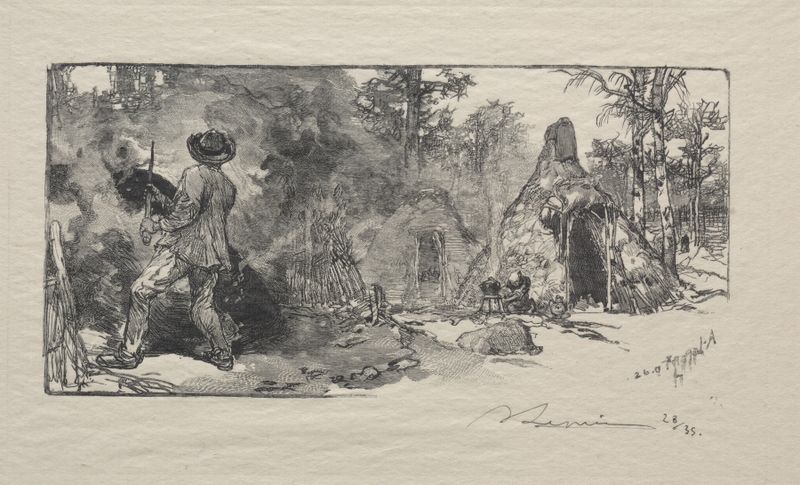
Les Charbonniere
Auguste Louis Lepère
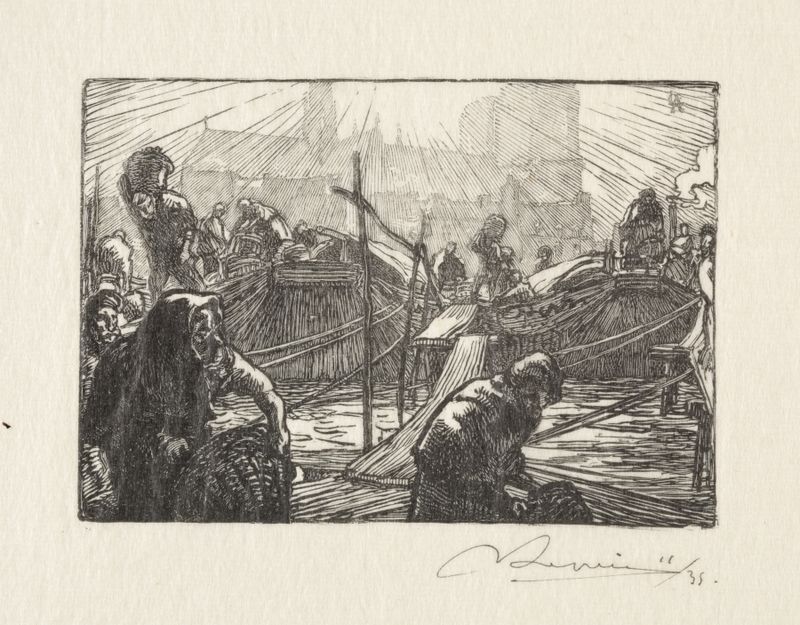
Notre Dame vue du Marché aux pommes
Auguste Louis Lepère

Le Palais des Arts Liberaux, Intèrieur
Auguste Louis Lepère





