
Dansend boerenpaar — History & Facts
In an age marked by isolation, how does one capture the essence of togetherness amidst solitude? Focus first on the couple at the center, their bodies entwined in a dance that seems both joyous and melancholic. The vibrant hues of their garments contrast with the muted background, drawing the viewer’s eye to their expressive movements. Notice how the soft interplay of light illuminates not just their figures, but also the space around them, highlighting the emptiness that surrounds their celebration.
The composition creates a sense of intimacy while simultaneously hinting at the isolation they experience. Delve deeper into the details—the woman's smile, a fleeting moment of joy, is tinged with a hint of melancholy, as if she is aware that this moment is ephemeral. The gentle curves of their forms suggest a harmony that belies the loneliness that often accompanies human connection. Through this dance, Beham captures the paradox of celebration: joy intertwined with a longing that lingers in the air, echoing the absence of others in their world. Hans Sebald Beham painted this work in 1537, a time when the Northern Renaissance was flourishing, marked by detailed realism and introspection.
Living in Nuremberg, he was part of a vibrant artistic community, yet he grappled with the personal isolation that often accompanied creativity. This piece speaks to his ability to reflect the complexities of human relationships amid a rapidly changing society, where even the happiest moments can carry the weight of solitude.
More Artworks by Hans Sebald Beham
Browse all →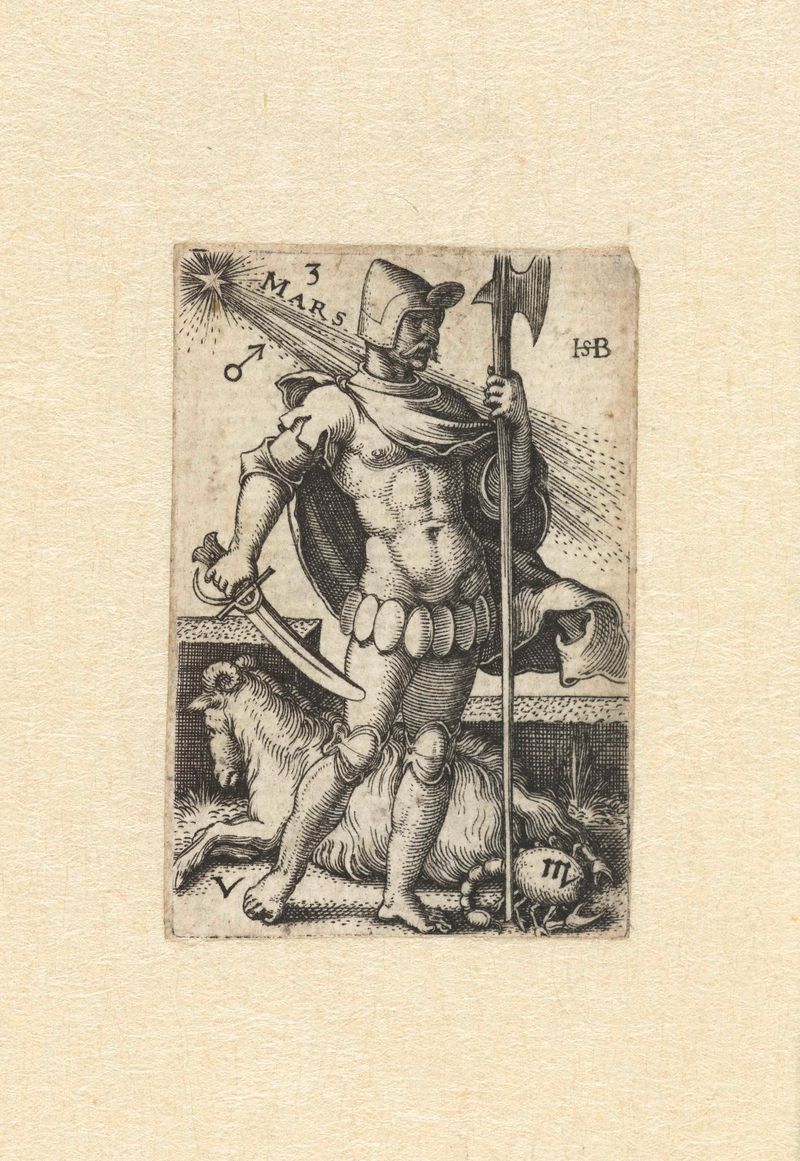
Mars met sterrenbeelden Ram en Schorpioen
Hans Sebald Beham

Achilles in gevecht met Hector
Hans Sebald Beham
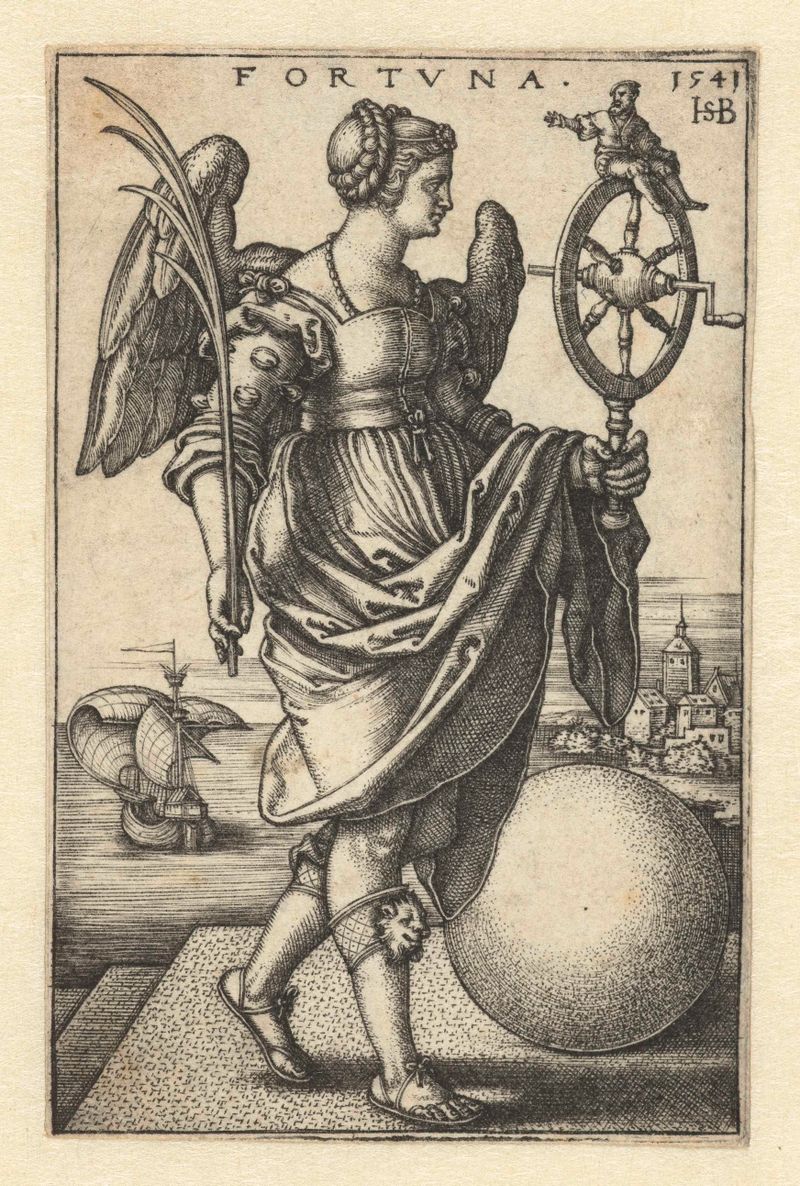
Fortuna
Hans Sebald Beham

Hercules worstelt met Antaeus
Hans Sebald Beham

Twee muzikanten met schalmey en doedelzak
Hans Sebald Beham

Voorzichtigheid (Prudentia)
Hans Sebald Beham

Hercules in gevecht met de Trojanen
Hans Sebald Beham
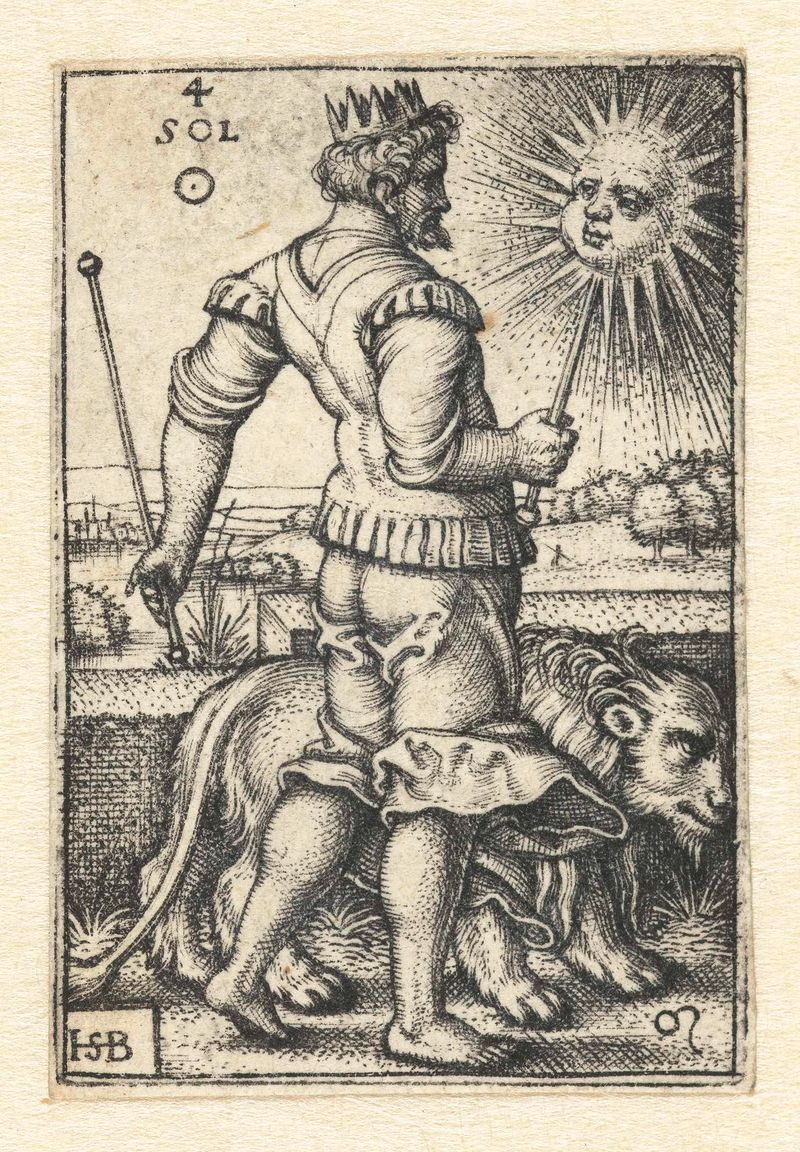
Apollo (Sol) met sterrenbeeld Leeuw
Hans Sebald Beham
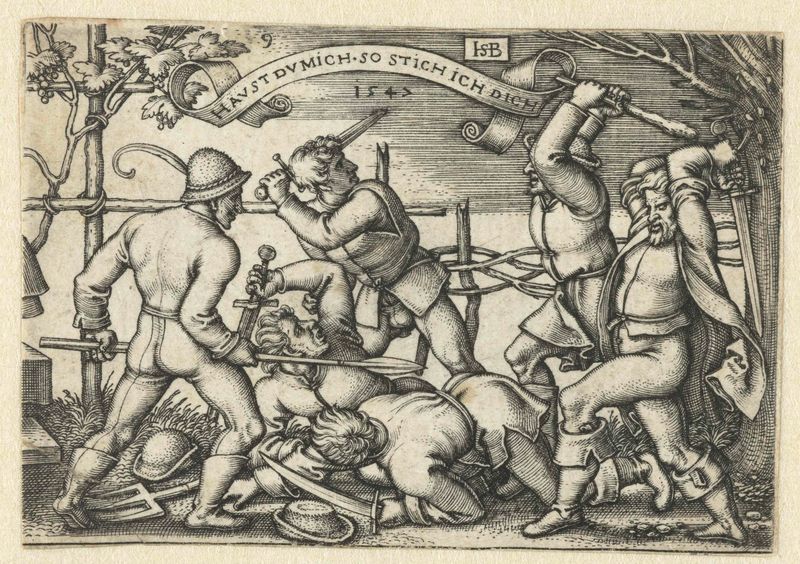
Vechtende boeren met zwaarden
Hans Sebald Beham
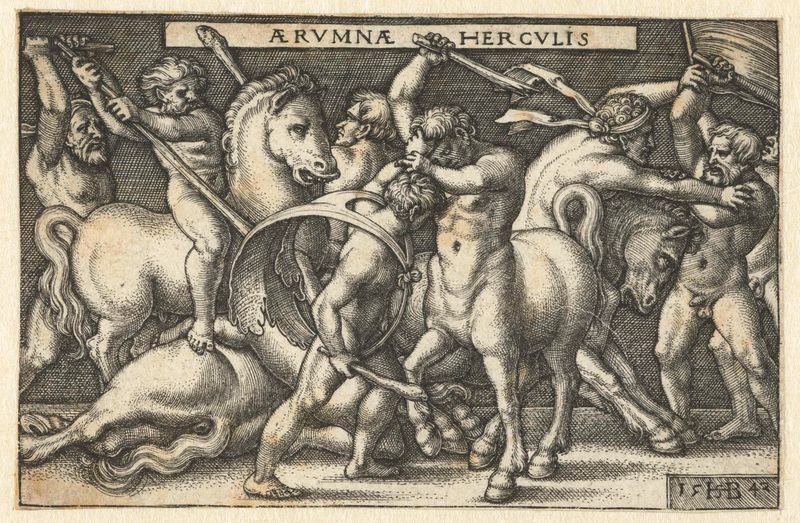
Hercules in gevecht met centaurs
Hans Sebald Beham





