
Dansend boerenpaar — History & Facts
Did the painter know this moment would outlive them? A fleeting joy captured in time, where two figures move in unison, their dance embodying a celebration of life and labor amid the simplicity of rural existence. Look to the left at the farmer’s worn, sun-kissed hands, clasping his partner’s waist, guiding her with both strength and tenderness. Notice how her flowing garments ripple with movement, painted in rich earth tones that harmonize with the vibrant greens of the field behind them. The composition draws the eye in a circular motion, circling around the figures and enveloping them in a sense of warmth and intimacy, while soft light enhances the contours of their faces, revealing expressions of pure delight. Yet beneath the surface of this joyous scene lies a poignant contrast: the vitality of the couple against the backdrop of their humble surroundings hints at the struggle of peasantry in a world ruled by uncertainty.
The dance serves not only as a moment of celebration but also as an assertion of humanity, a defiance against the harshness of their daily existence. The way their bodies intertwine suggests a deep connection, not just to each other, but to a collective spirit of resilience. Hans Sebald Beham painted this work in 1537 during a time of significant change in Europe, marked by the Reformation and the rise of humanist thought. In Nuremberg, where he was based, the art scene was vibrant yet turbulent, as artists began to explore new themes that reflected the shifting complexities of society.
Beham’s focus on the common man and their intimate moments was part of a broader movement, emphasizing the importance of everyday life and the transcendence found within it.
More Artworks by Hans Sebald Beham
Browse all →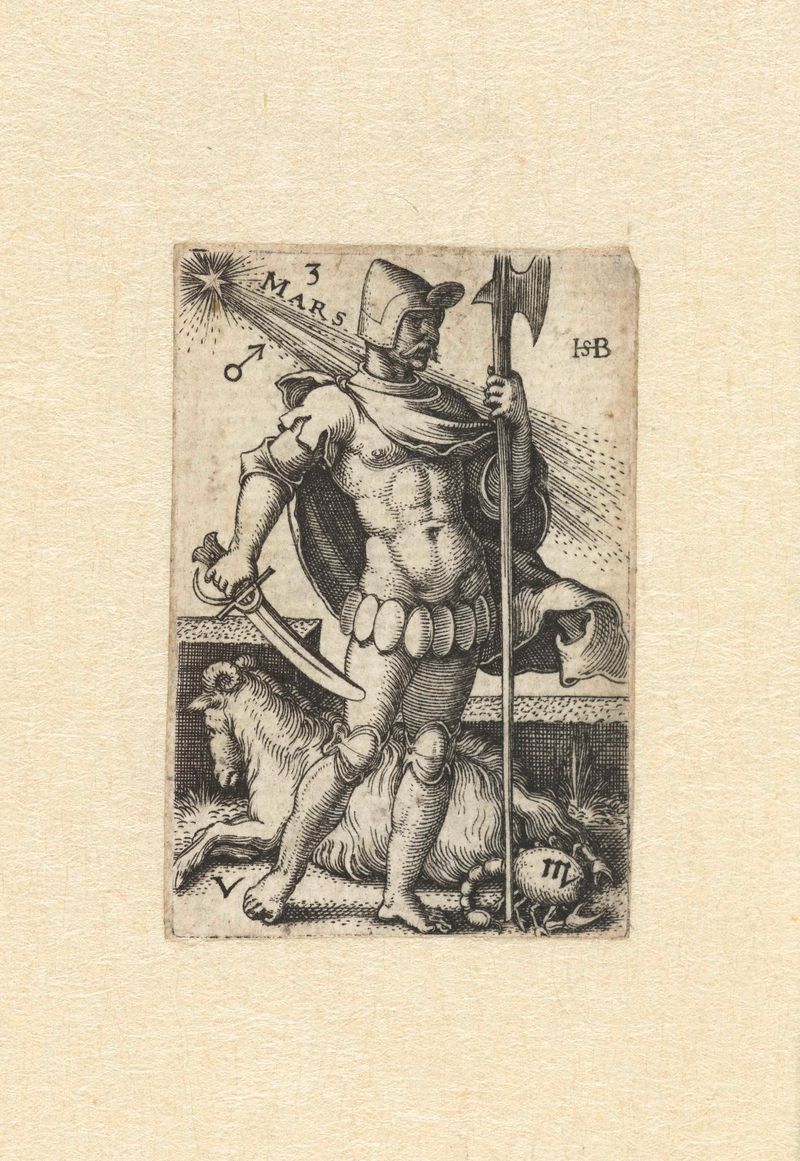
Mars met sterrenbeelden Ram en Schorpioen
Hans Sebald Beham

Achilles in gevecht met Hector
Hans Sebald Beham
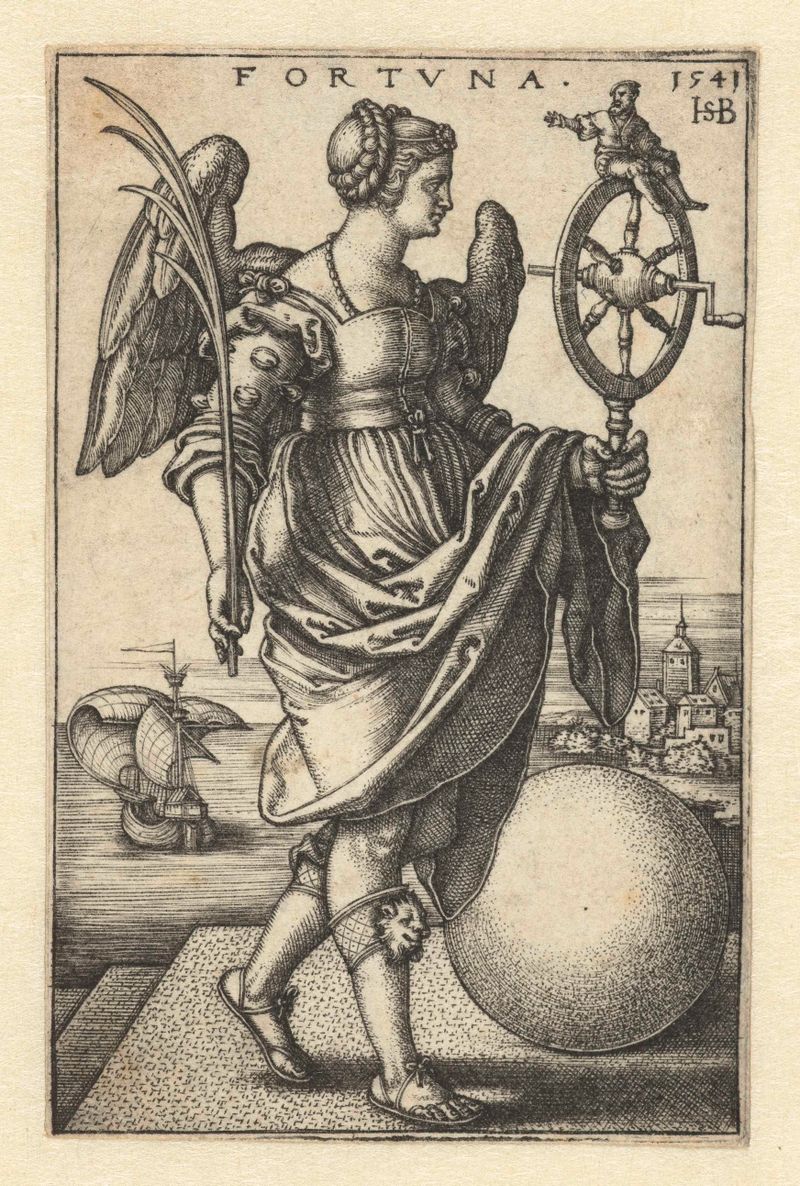
Fortuna
Hans Sebald Beham

Hercules worstelt met Antaeus
Hans Sebald Beham

Twee muzikanten met schalmey en doedelzak
Hans Sebald Beham

Voorzichtigheid (Prudentia)
Hans Sebald Beham

Hercules in gevecht met de Trojanen
Hans Sebald Beham
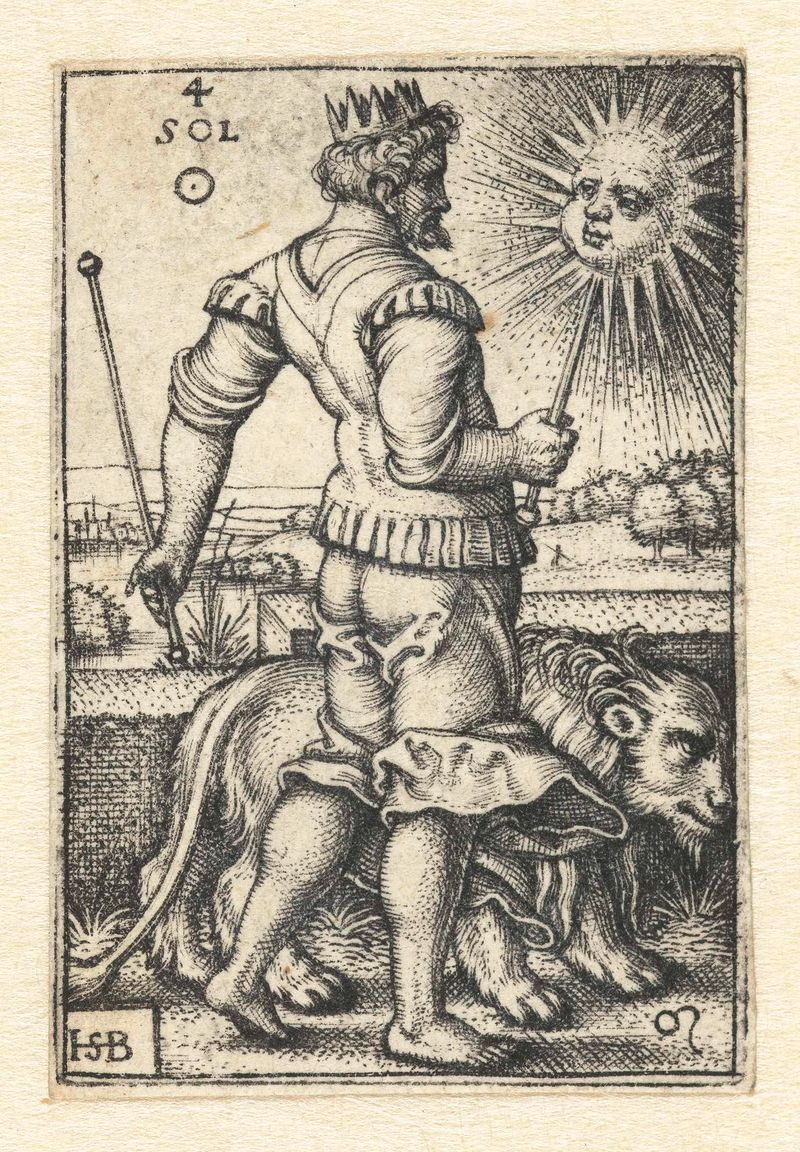
Apollo (Sol) met sterrenbeeld Leeuw
Hans Sebald Beham
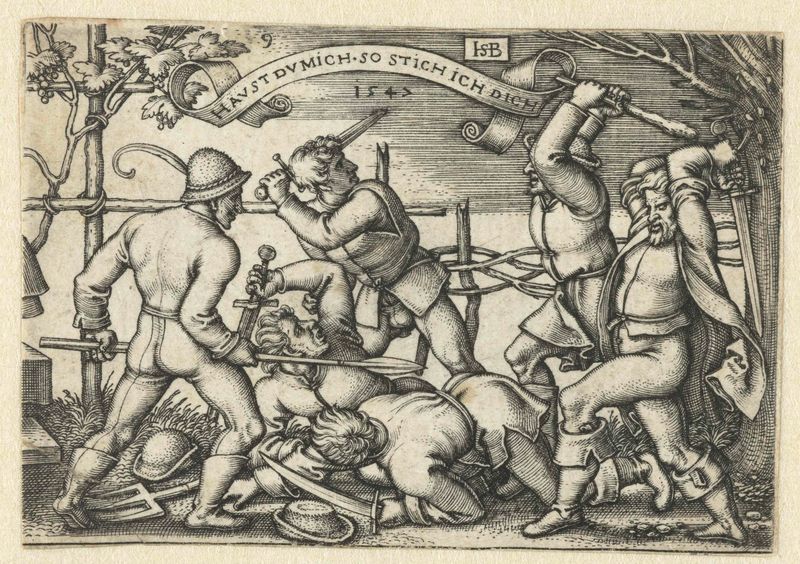
Vechtende boeren met zwaarden
Hans Sebald Beham
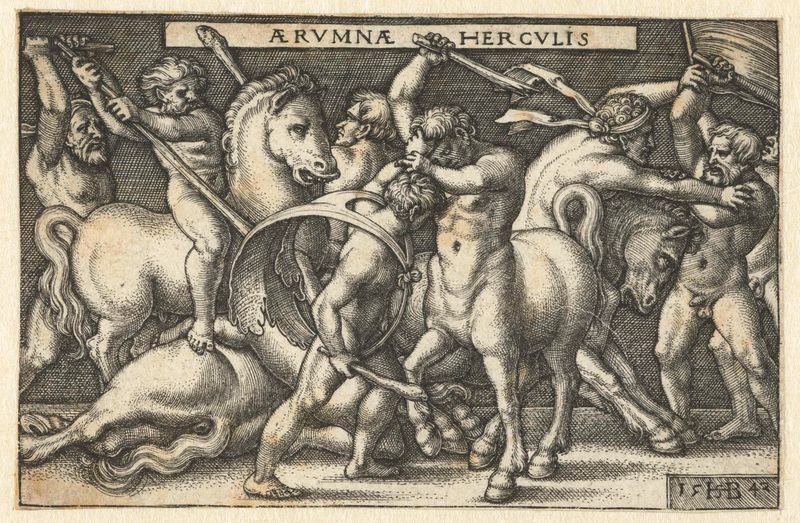
Hercules in gevecht met centaurs
Hans Sebald Beham





