
Dansende boerenparen — History & Facts
In the vibrant dance of life, the legacies we create echo through time, leaving an imprint on our hearts and souls. Focus on the enchanting movement in the center of the composition, where couples whirl in a rhythmic embrace. The artist’s use of vivid colors draws the eye to the joyous expressions that seem to radiate warmth and exuberance, while the gentle curves of their clothing flow like an unbroken melody. Notice how the background is composed of softened greens and earth tones, which serve to elevate the figures, allowing them to emerge as the focal point, breathing life into the simple gathering. Beneath the surface of this lively scene lies a complex interplay between joy and the inevitability of time.
Each dancer’s posture conveys both celebration and a fleeting moment, hinting at the transitory nature of happiness. The contrast between the figures' vibrant colors and the earthier background reflects the tension between vitality and the grounded reality of peasant life, inviting contemplation of their place in a society that often overlooks their stories. In 1546-1547, Hans Sebald Beham created this work during a period marked by the rise of the Northern Renaissance, where art began to embrace everyday life and the experiences of common people. Living in Nuremberg, a center of artistic innovation, he focused on portraying peasant life, a subject that resonated in an era moving towards more personal and relatable themes in art.
His legacy is enriched by this moment of capturing joy amidst the simplicity of rural existence.
More Artworks by Hans Sebald Beham
Browse all →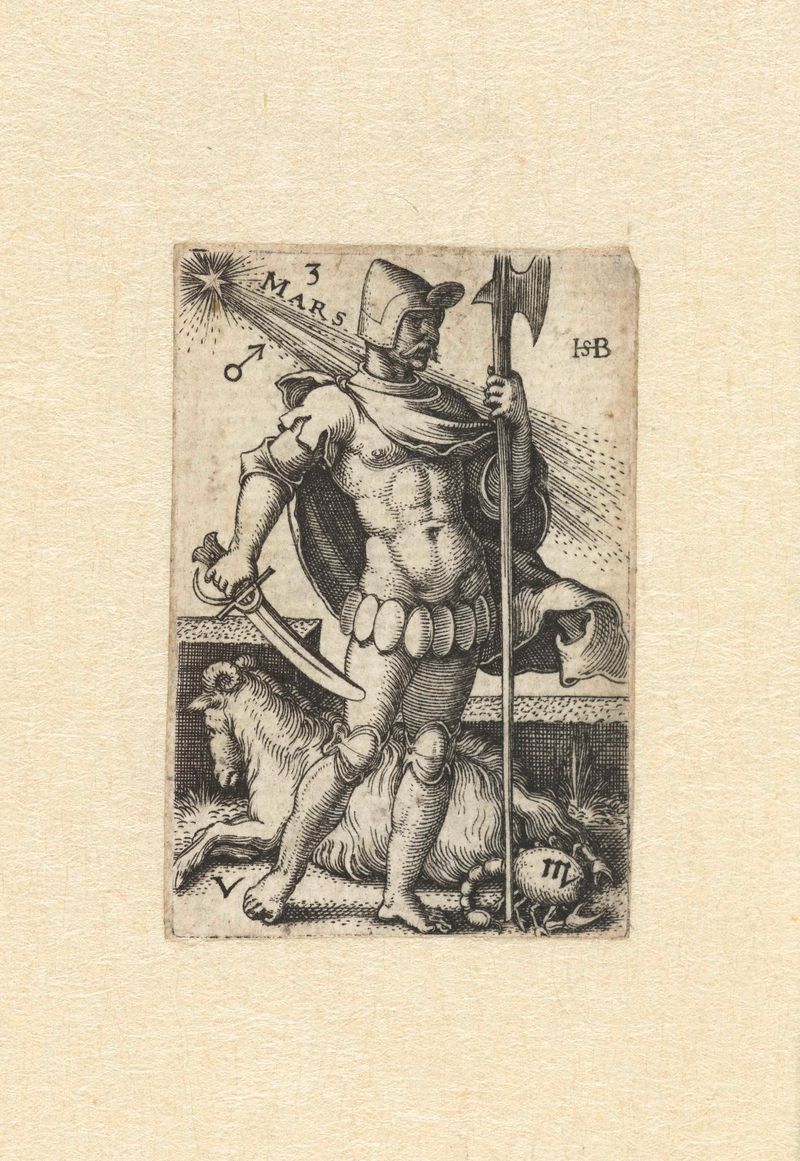
Mars met sterrenbeelden Ram en Schorpioen
Hans Sebald Beham

Achilles in gevecht met Hector
Hans Sebald Beham
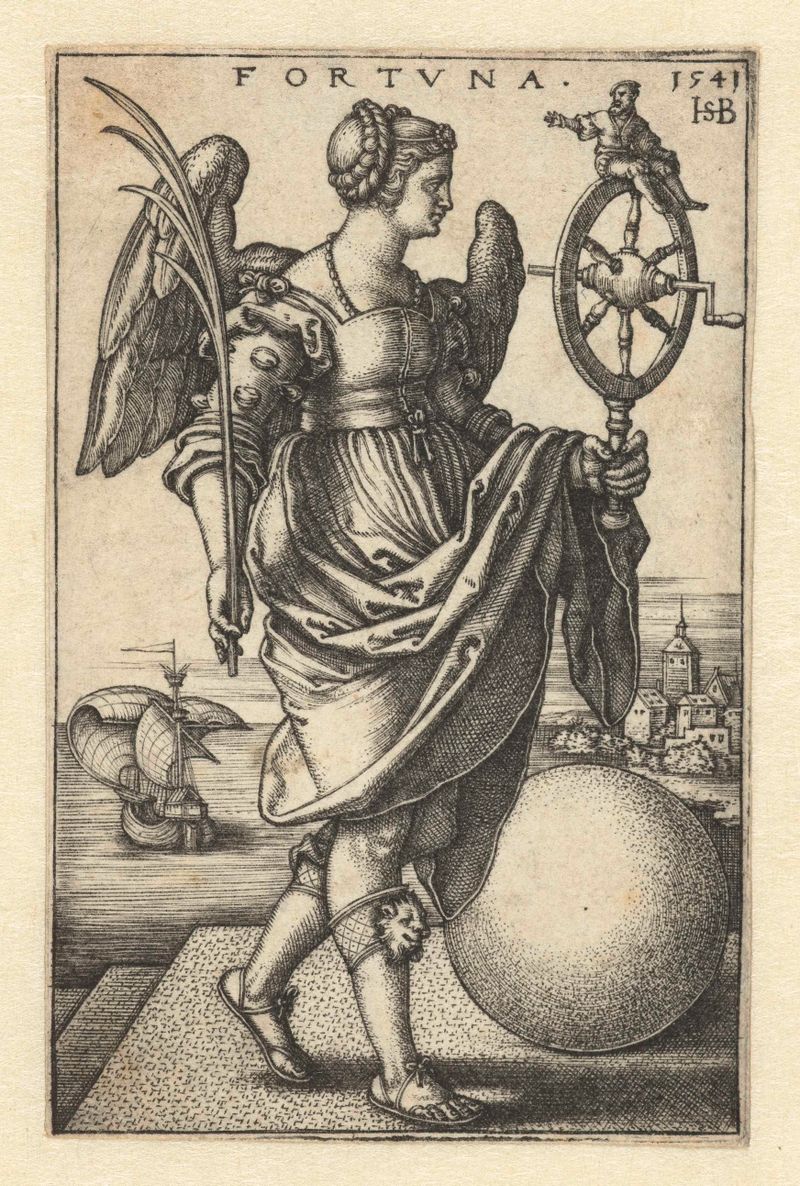
Fortuna
Hans Sebald Beham

Hercules worstelt met Antaeus
Hans Sebald Beham

Twee muzikanten met schalmey en doedelzak
Hans Sebald Beham

Voorzichtigheid (Prudentia)
Hans Sebald Beham

Hercules in gevecht met de Trojanen
Hans Sebald Beham
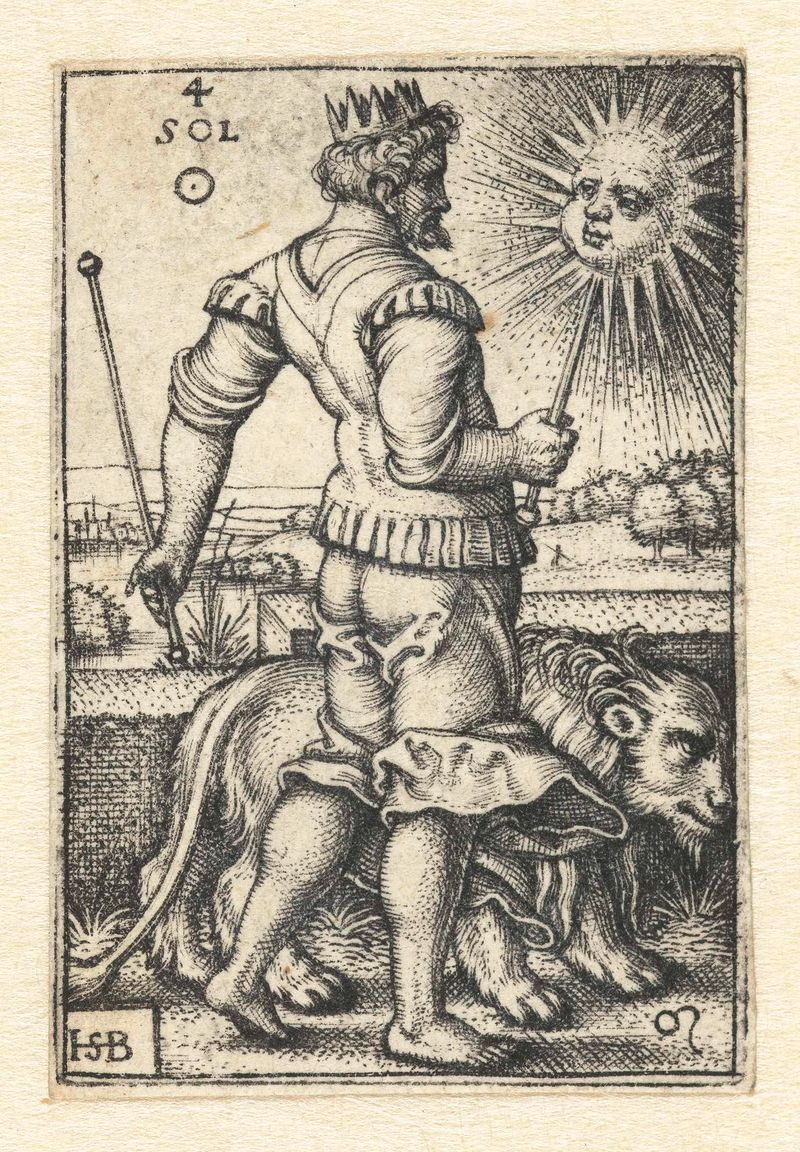
Apollo (Sol) met sterrenbeeld Leeuw
Hans Sebald Beham
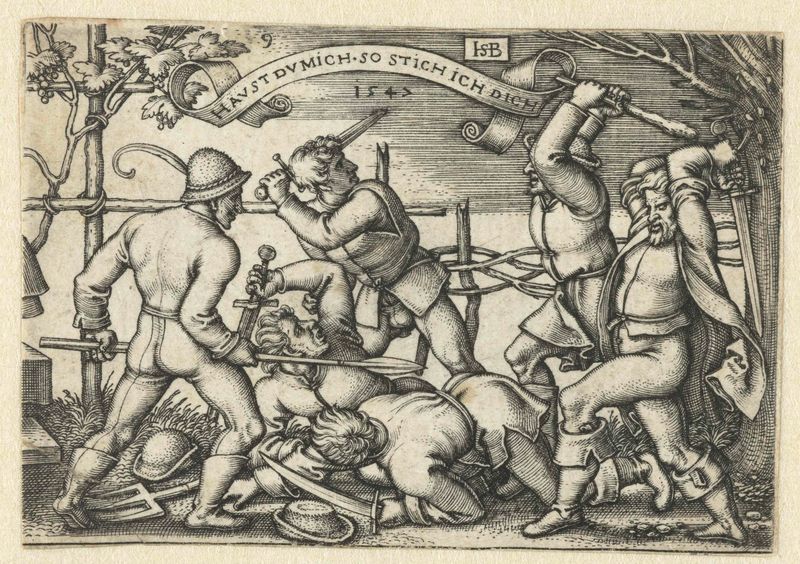
Vechtende boeren met zwaarden
Hans Sebald Beham
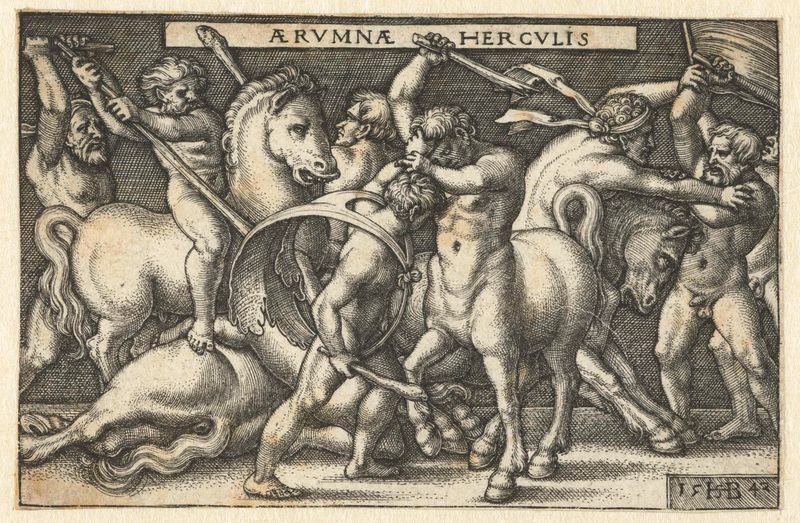
Hercules in gevecht met centaurs
Hans Sebald Beham





