
Discover insights about this artwork
Das babylonische Weib, aus der Folge der Apokalypse, Urausgabe Deutsch — History & Facts
In Das babylonische Weib, aus der Folge der Apokalypse, Urausgabe Deutsch, we see a striking figure of a woman representing Babylon. She is adorned with rich colors, including deep reds and golds, which highlight her importance. The background is filled with intricate details that suggest a chaotic yet vibrant setting.
This composition draws the viewer's attention to the figure at the center, making her the focal point of the artwork. This work is an engraving, a technique that allows for fine detail and texture. Dürer’s skill in line work is evident, showcasing his ability to create depth and dimension. The use of chiaroscuro enhances the three-dimensionality of the figure.
Viewers can appreciate the meticulous craftsmanship that Dürer applied to this piece. Albrecht Dürer was a key figure in the Northern Renaissance, known for his detailed engravings and paintings. Das babylonische Weib is part of a series that reflects on the themes of the Apocalypse, showcasing Dürer's interest in biblical narratives. An interesting fact about this work is that it combines both artistic skill and a deep exploration of religious themes, making it a significant piece in Dürer's oeuvre.
More Artworks by Albrecht Dürer
Melancholia
Albrecht Dürer

St. George and the dragon.
Albrecht Dürer

Adam and Eve (The Fall of Man)
Albrecht Dürer
Melencolia I (The Melancholy)
Albrecht Dürer
Adam And Eve
Albrecht Dürer
Salvator Mundi
Albrecht Dürer

Self-portrait
Albrecht Dürer
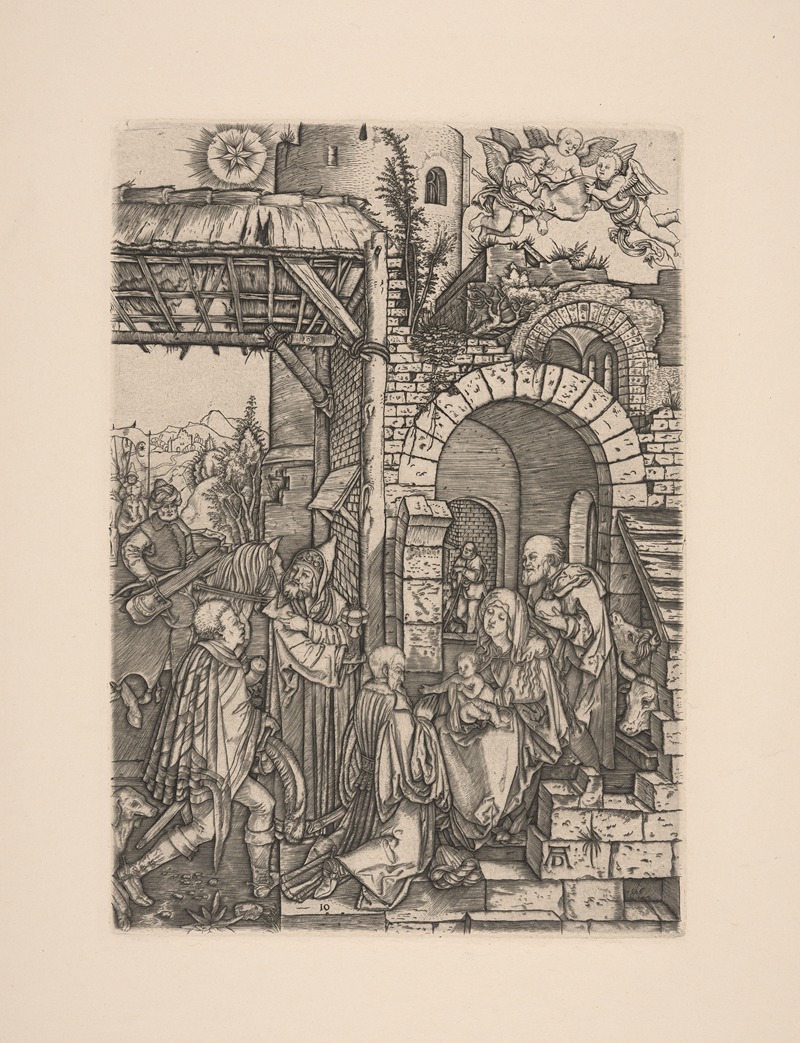
The Adoration of the Magi
Albrecht Dürer
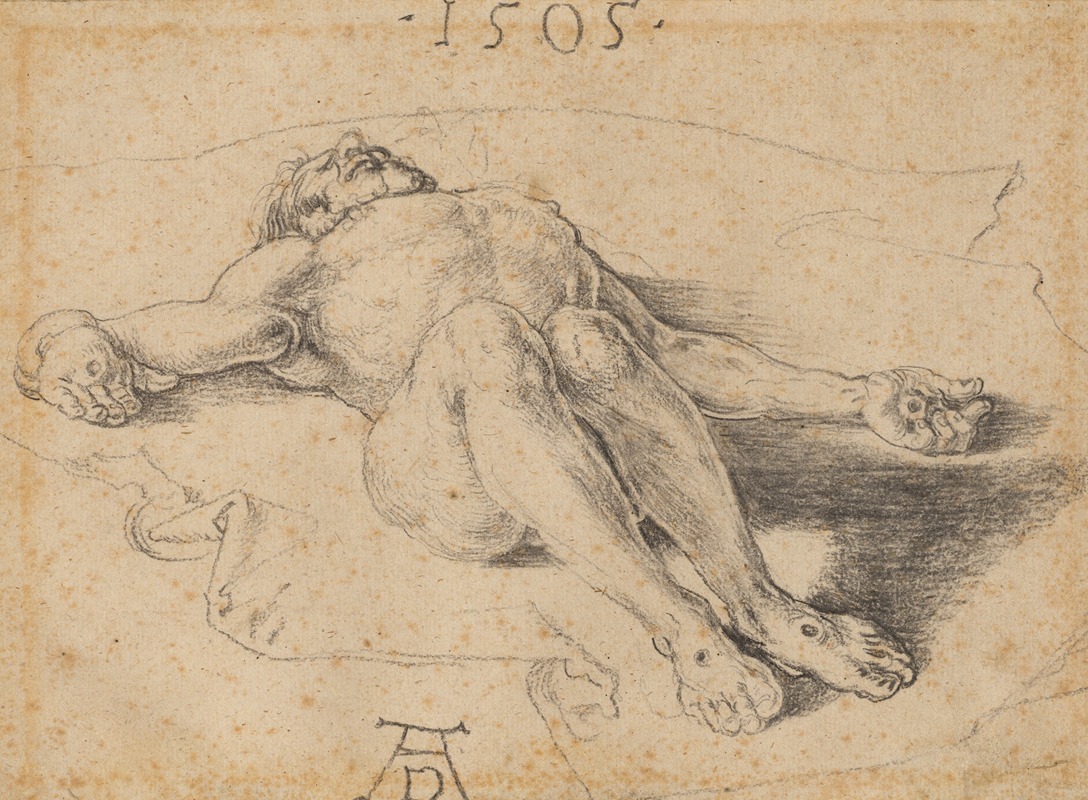
The Dead Christ
Albrecht Dürer
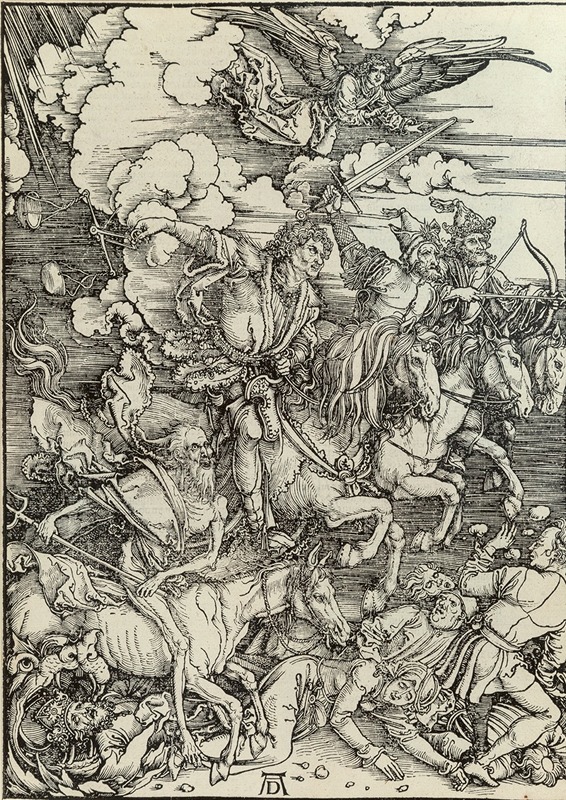
The Four Horsemen of the Apocalypse, from The Apocalypse
Albrecht Dürer
More Allegory Art
Melancholia
Albrecht Dürer
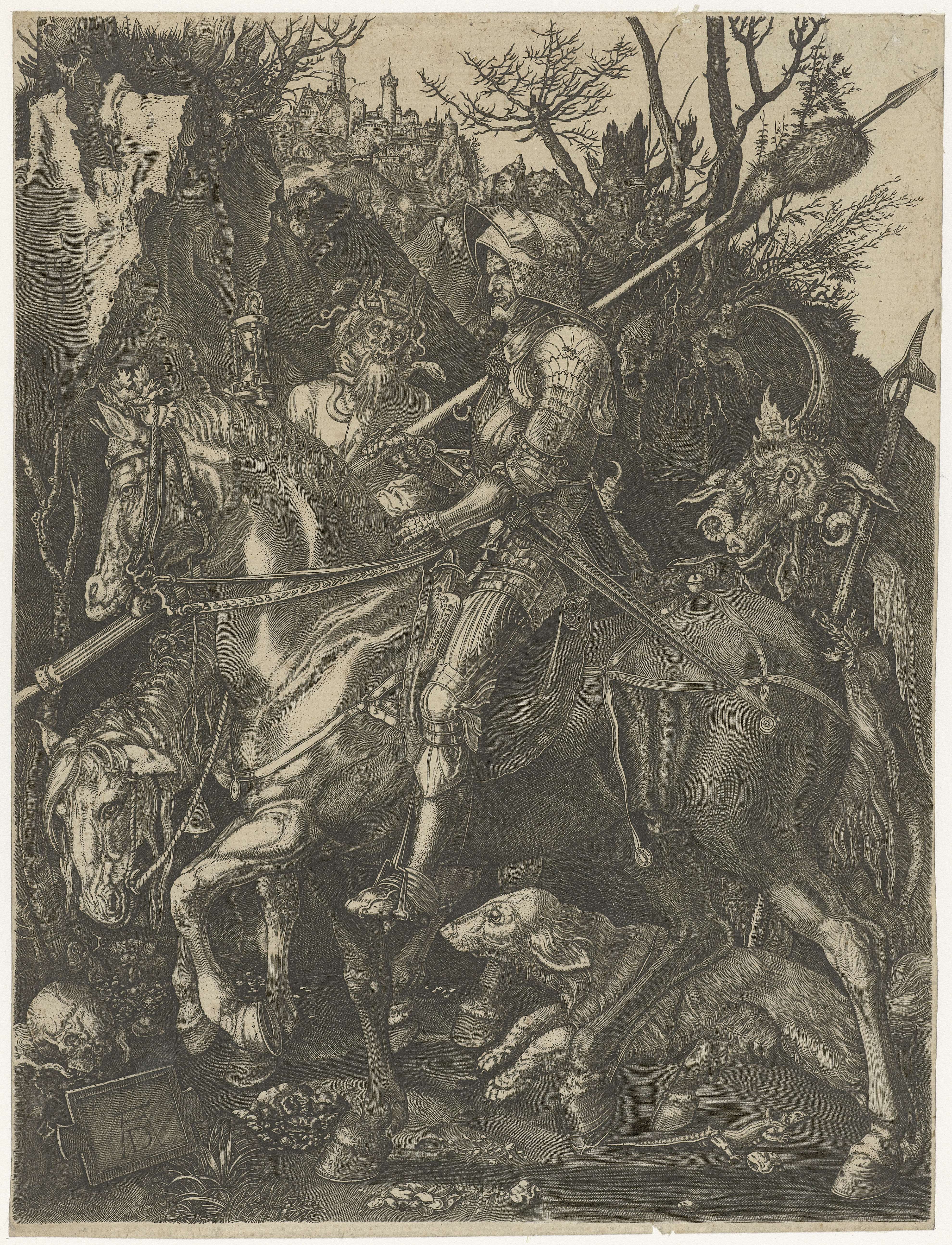
Ridder, Dood en Duivel
Unknown Artist
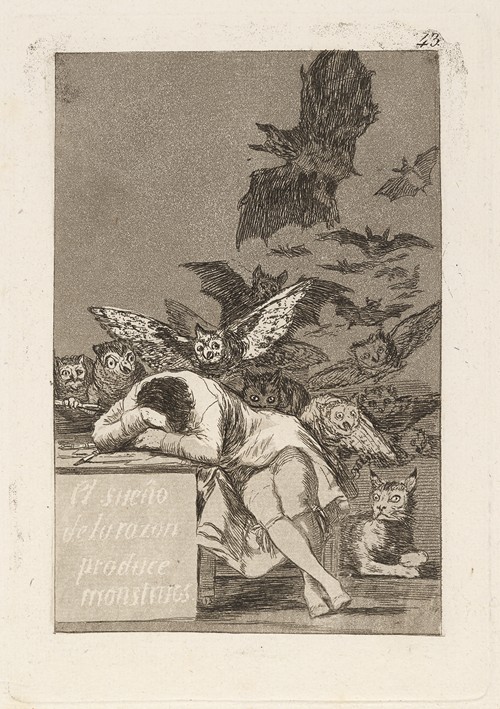
El sueño de la razon produce monstruos. (The sleep of reason produces monsters.)
Francisco de Goya
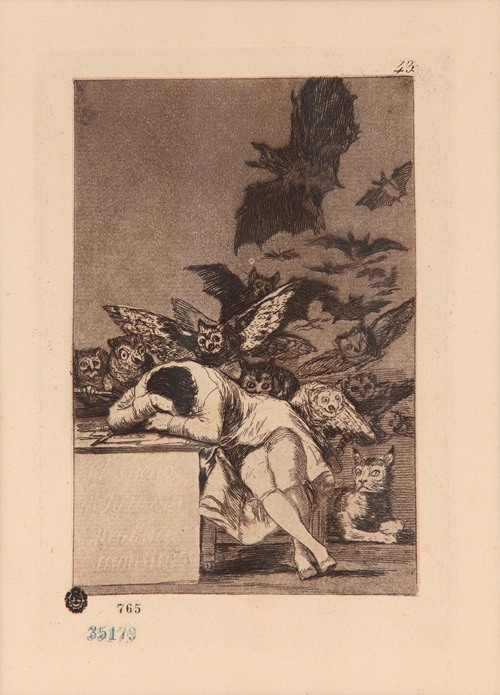
El sueño de la razon produce moustruos (Serie Caprichos)
Francisco de Goya
Melencolia I (The Melancholy)
Albrecht Dürer
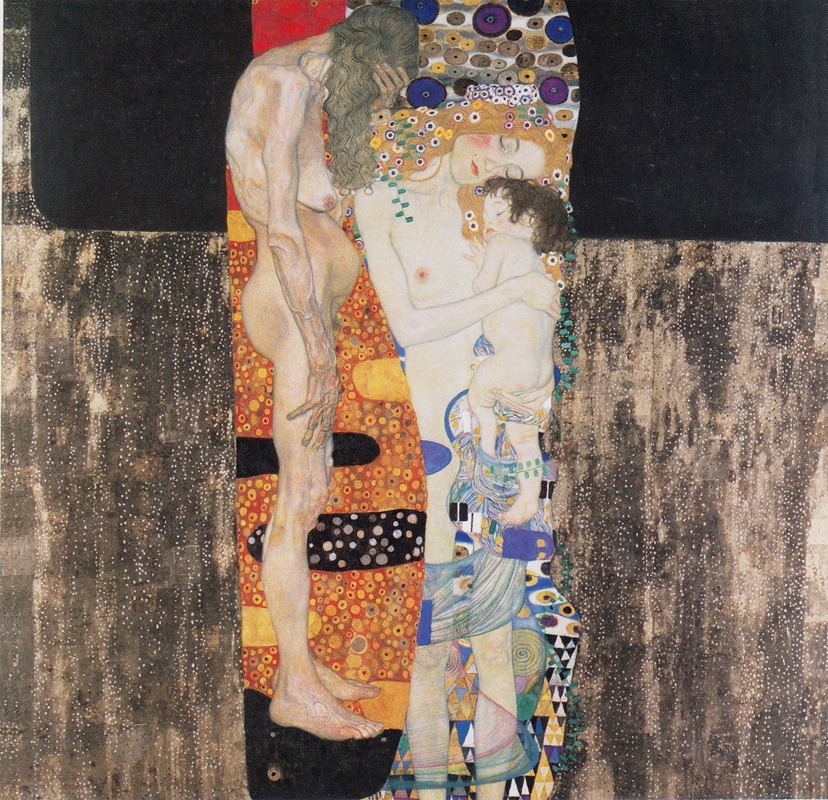
The Three Ages of the Woman
Gustav Klimt