
Das Bodetal im Harz — History & Facts
What secret hides in the quiet of the canvas? A stillness envelops the landscape, inviting contemplation and reflection, whispering of loss and the passage of time. Focus your gaze on the rich, verdant hues in the foreground; the dense foliage seems to cradle remnants of what once thrived. Notice how the light filters gently through the trees, casting dappled shadows that dance upon the mossy ground. The soft brushwork creates an inviting texture, allowing the viewer to feel the coolness of the air and hear the rustling leaves.
Follow the winding path that leads deeper into the scene, hinting at unseen journeys and memories waiting to be uncovered. In the soft interplay between light and shadow, there lies a profound contrast between vitality and solitude. The lushness of the trees speaks to nature's endurance, while the empty path suggests a longing for companionship or a lost moment in time. This balance of beauty and melancholy evokes a sense of nostalgia, drawing the viewer into the intimate embrace of a landscape that feels both familiar and unattainable. Karl Friedrich Lessing painted Das Bodetal im Harz around 1871, during a period marked by burgeoning Romanticism in art.
Nestled in the Harz Mountains of Germany, this work reflects the artist's deep connection to nature and his exploration of emotional landscapes. At that time, Lessing was influenced by the shifting tides of German art, embracing the evocative power of the natural world as a means to express complex human experiences.
More Artworks by Karl Friedrich Lessing
Browse all →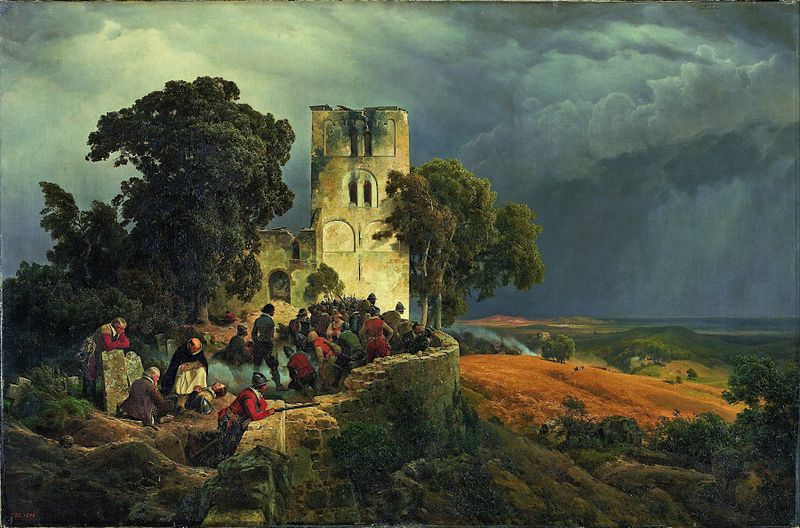
The Siege (Defense of a Church Courtyard During the Thirty Years’ War)
Karl Friedrich Lessing

The Thousand-Year-Old Oak
Karl Friedrich Lessing
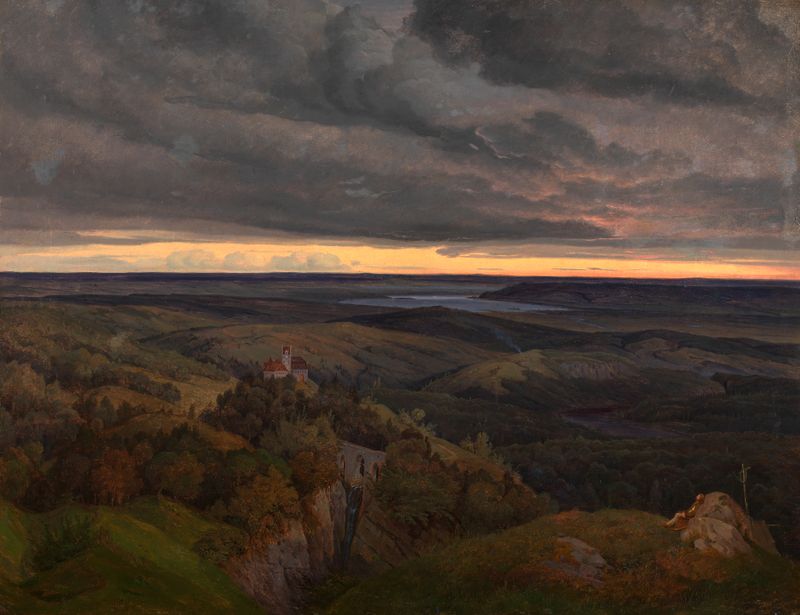
Eifellandschaft
Karl Friedrich Lessing
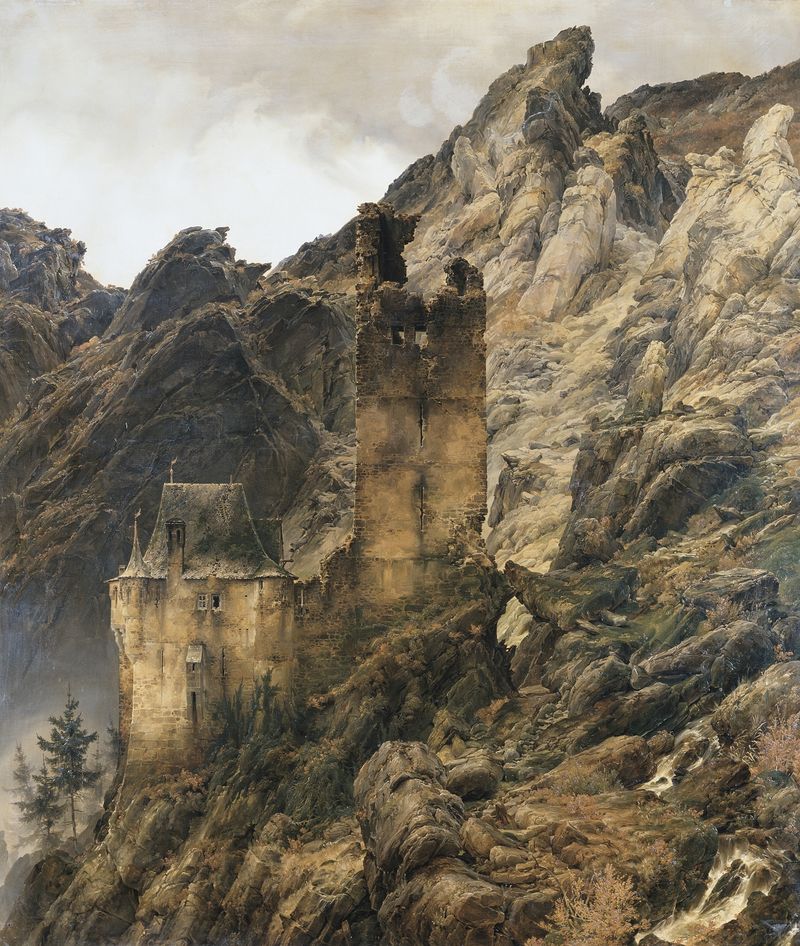
Rocky Landscape, Gorge with Ruins
Karl Friedrich Lessing
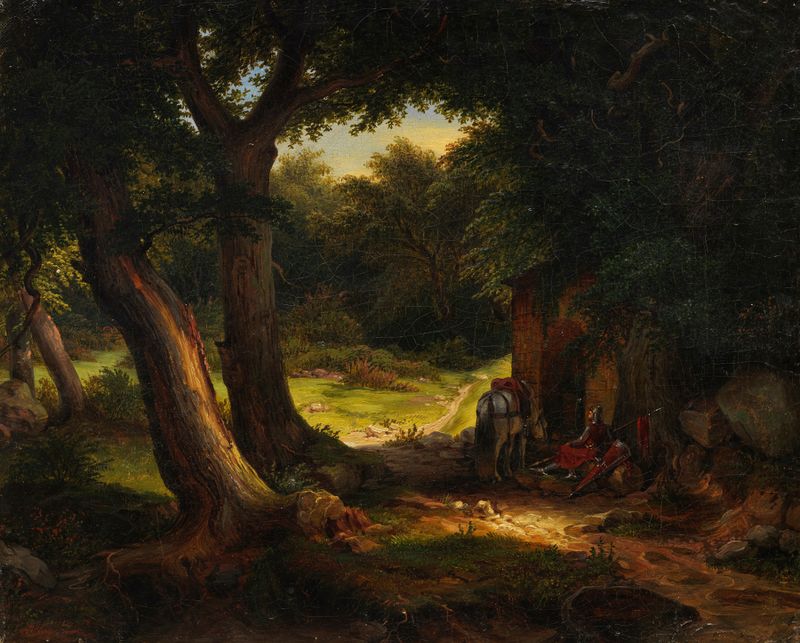
Eichenwald mit einem am Brunnen rastenden Kreuzritter
Karl Friedrich Lessing
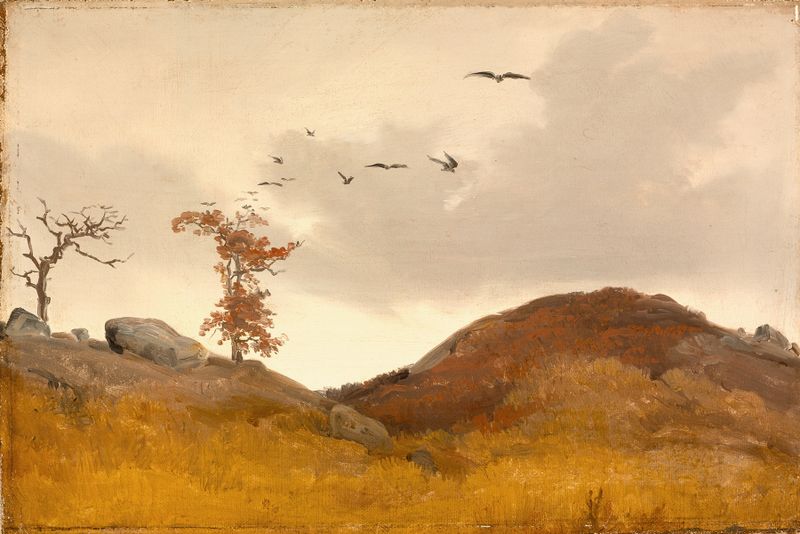
Landscape with Crows
Karl Friedrich Lessing
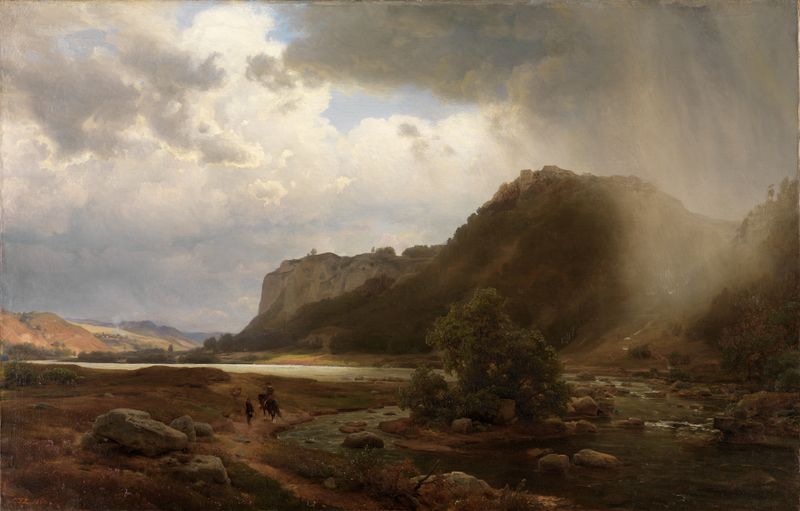
Flußlandschaft
Karl Friedrich Lessing
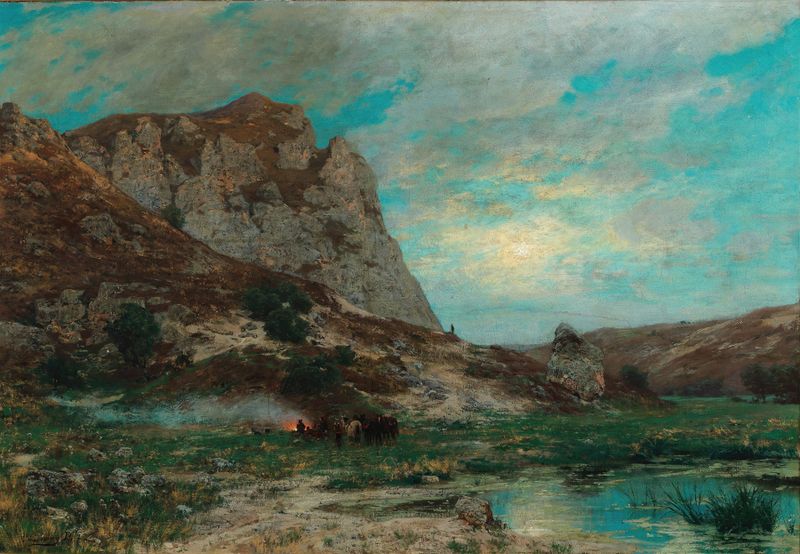
Soldaten bei der Rast
Karl Friedrich Lessing

Landscape from the Eifel mountains
Karl Friedrich Lessing
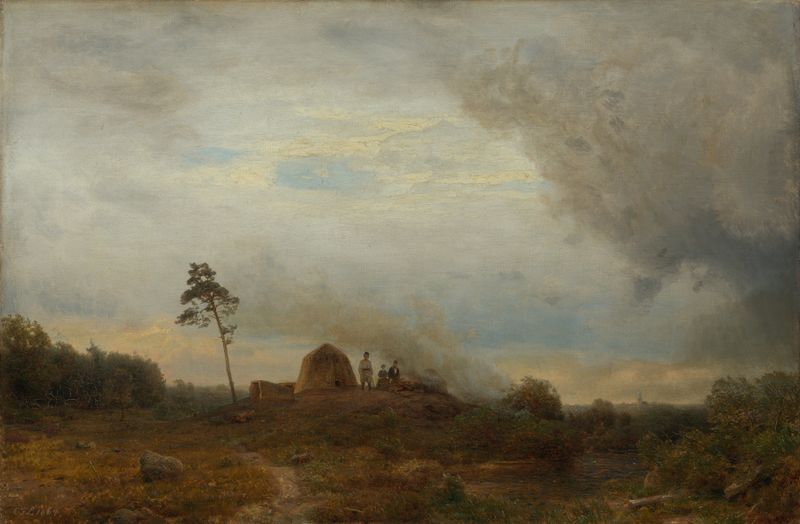
Polnisches Biwak in der Heide
Karl Friedrich Lessing





