
Soldaten bei der Rast — History & Facts
What if silence could speak through light? In Soldaten bei der Rast, the stillness of a moment reveals the weight of unspoken thoughts, a poignant contrast to the soldier's burdened existence. Look to the left at the weary figures resting against the backdrop of a sunlit forest. Their uniforms, rendered in muted hues, blend seamlessly with the earth, suggesting a deep connection to the land. Notice how the dappled sunlight filters through the trees, casting a gentle halo around the men, illuminating their tired expressions and weary postures.
The composition, framed with an air of camaraderie, invites you to linger on the details—the glint of metal, the worn leather of their gear, and the subtle play of shadow and light that imbues the scene with a sense of serenity. Delve deeper into the contrasts present in this work. The juxtaposition of the soldiers’ fatigue against the vibrant vitality of nature reflects the inner turmoil of those who serve. Each figure is caught in a personal moment of reflection, revealing the tension between duty and longing for peace.
The lush greenery serves not only as a backdrop but also as a silent witness to their struggles, hinting at the healing potential of nature amidst the harshness of war. Karl Friedrich Lessing painted Soldaten bei der Rast in 1877 during a period marked by political upheaval and the aftermath of conflict in Europe. At this time, he was engaged in developing a more realistic portrayal of everyday life, moving away from the romanticism prevalent in earlier artworks. This piece reflects his commitment to capturing authentic human experiences, presenting a moment that resonates with both the historical context and the universal themes of rest and introspection.
More Artworks by Karl Friedrich Lessing
Browse all →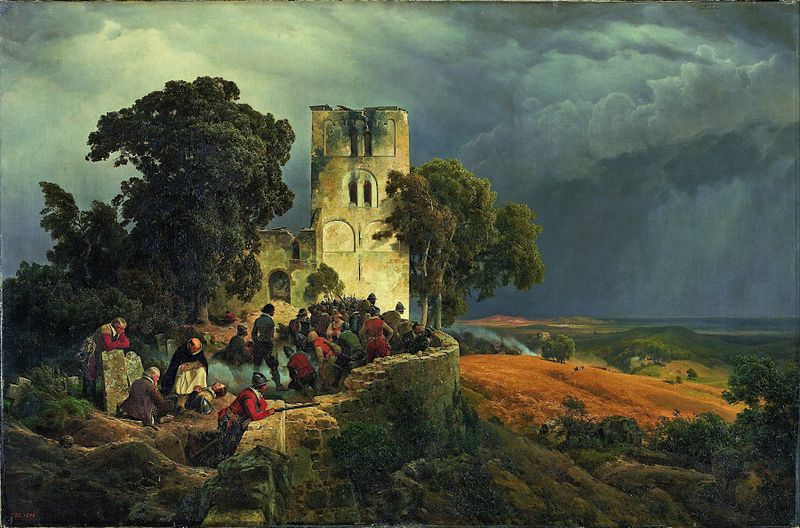
The Siege (Defense of a Church Courtyard During the Thirty Years’ War)
Karl Friedrich Lessing

The Thousand-Year-Old Oak
Karl Friedrich Lessing

Das Bodetal im Harz
Karl Friedrich Lessing
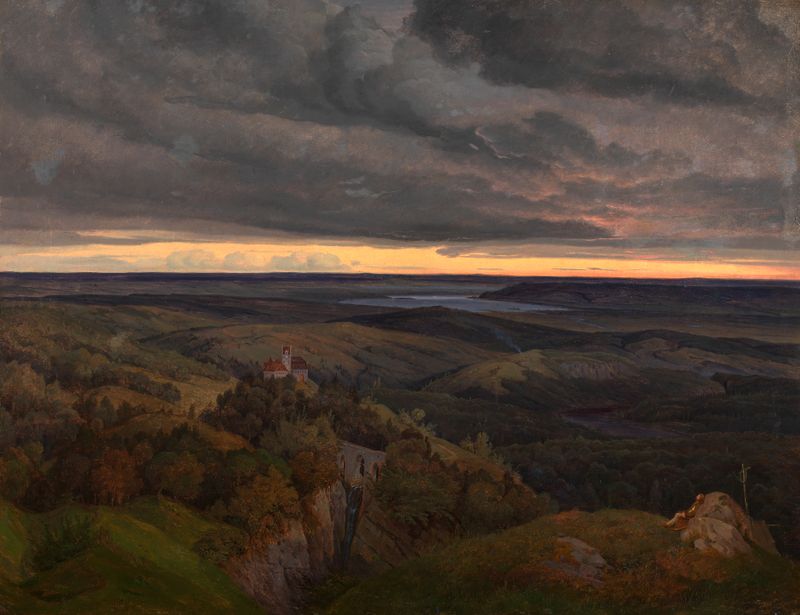
Eifellandschaft
Karl Friedrich Lessing
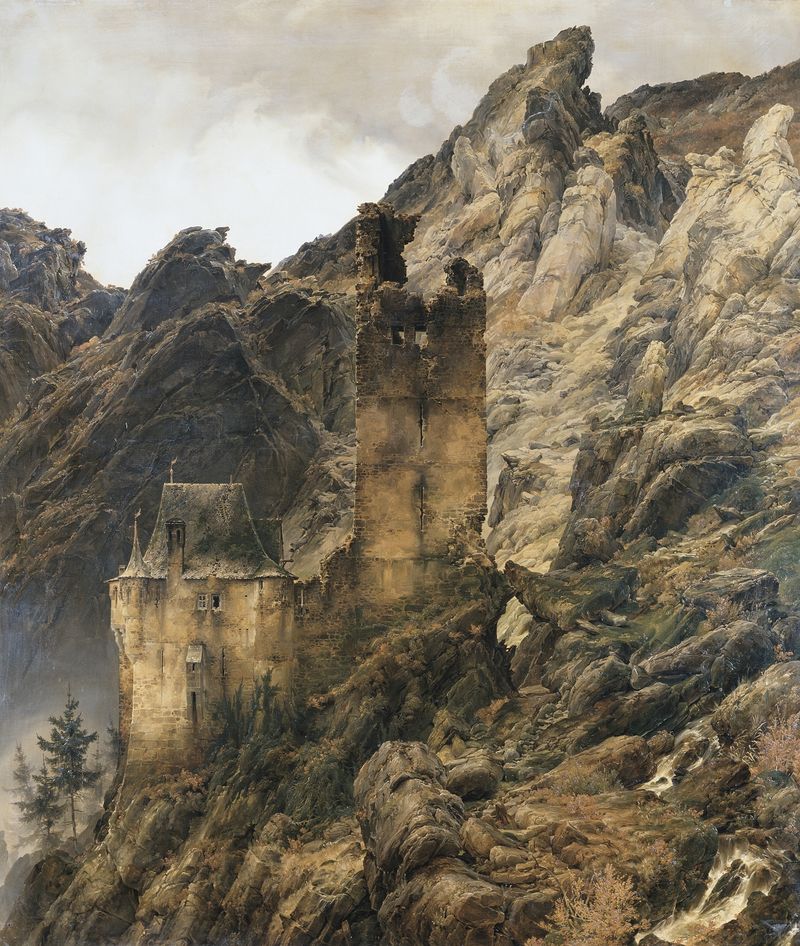
Rocky Landscape, Gorge with Ruins
Karl Friedrich Lessing
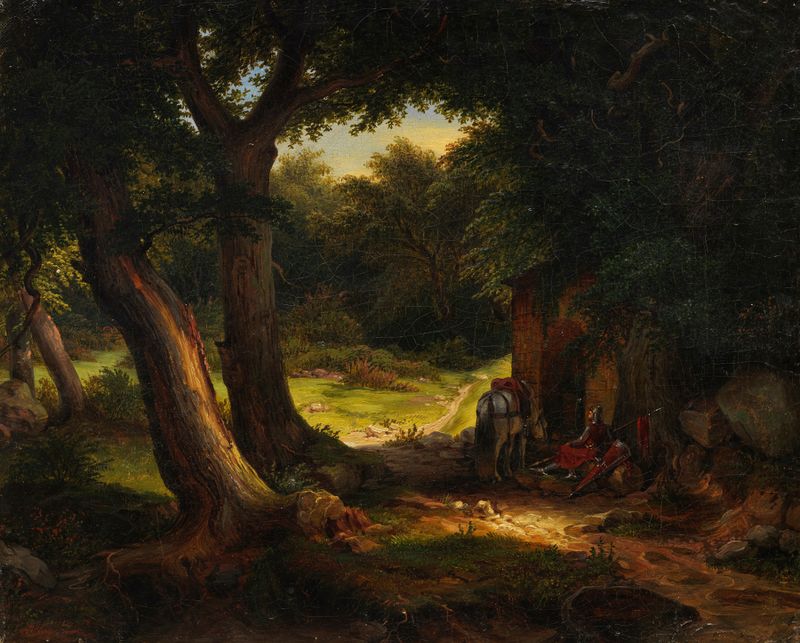
Eichenwald mit einem am Brunnen rastenden Kreuzritter
Karl Friedrich Lessing
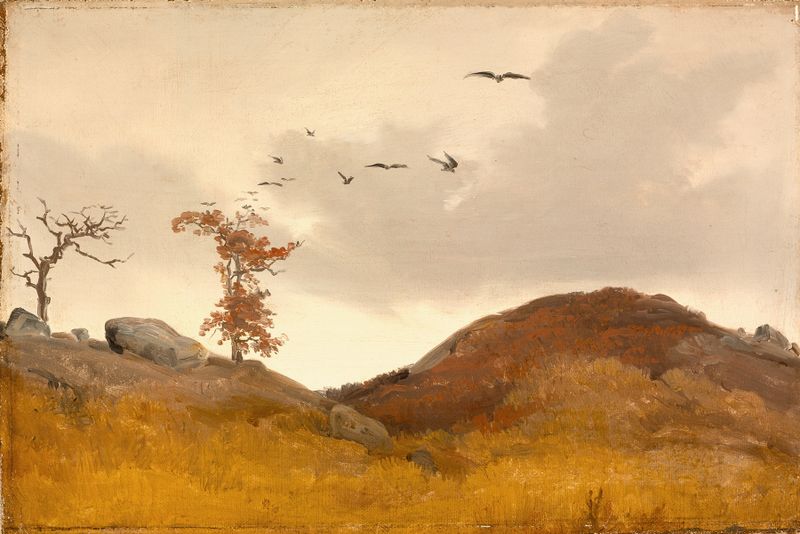
Landscape with Crows
Karl Friedrich Lessing
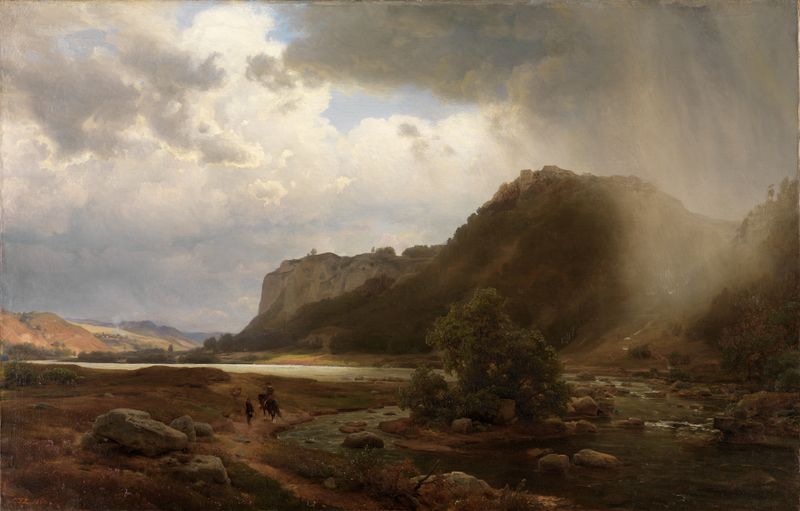
Flußlandschaft
Karl Friedrich Lessing

Landscape from the Eifel mountains
Karl Friedrich Lessing
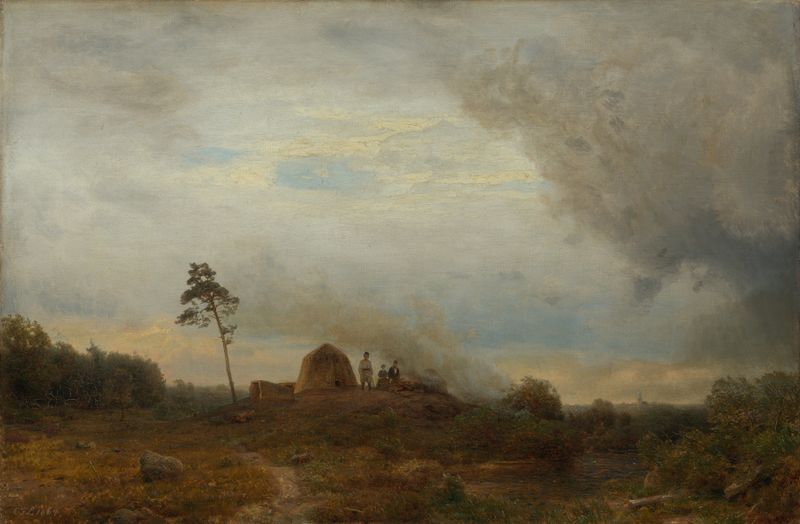
Polnisches Biwak in der Heide
Karl Friedrich Lessing





