
Flußlandschaft — History & Facts
What if beauty was never meant to be finished? Flußlandschaft invites viewers to wander through its serene expanse, where nature's splendor unfolds like an eternal whisper. Look to the left at the gentle roll of the hills, their lush greenery merging seamlessly with the tranquil waters below. The soft brushstrokes create a sense of movement, almost as if the scene breathes. Notice how the light dances upon the river's surface, shimmering like scattered diamonds, drawing your gaze toward the horizon where the sky meets the landscape in a tender embrace.
The palette, rich in deep greens and warm earth tones, evokes a sense of harmony, inviting you to linger in this idyllic retreat. Yet, beneath the surface of beauty lies a subtle tension. The juxtaposition of the calm waters against the hint of distant storms brews a quiet unease—echoing both the fragility and resilience of nature. A solitary figure stands at the riverbank, their pose suggesting introspection; it's a reminder of humanity's place within this vast, unyielding world.
Each detail in the foliage, each ripple in the water, serves to connect the observer to both the peace and the transience of this moment. In 1869, Karl Friedrich Lessing painted Flußlandschaft during a time when the Romantic movement was at its zenith, celebrating the sublime in nature. Living in Germany, he was immersed in a cultural shift that emphasized emotion and individual experience, responding to an era marked by rapid industrialization. This work reflects his desire to capture the beauty of the natural world before it was irrevocably altered by modernity.
More Artworks by Karl Friedrich Lessing
Browse all →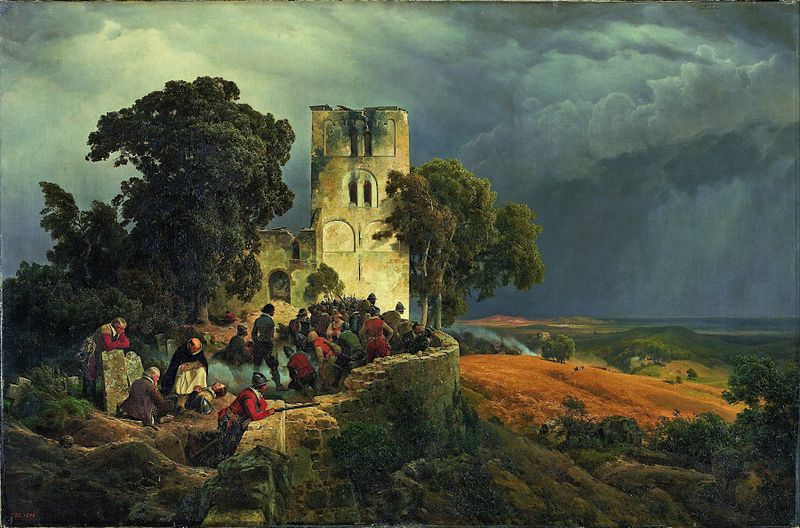
The Siege (Defense of a Church Courtyard During the Thirty Years’ War)
Karl Friedrich Lessing

The Thousand-Year-Old Oak
Karl Friedrich Lessing

Das Bodetal im Harz
Karl Friedrich Lessing
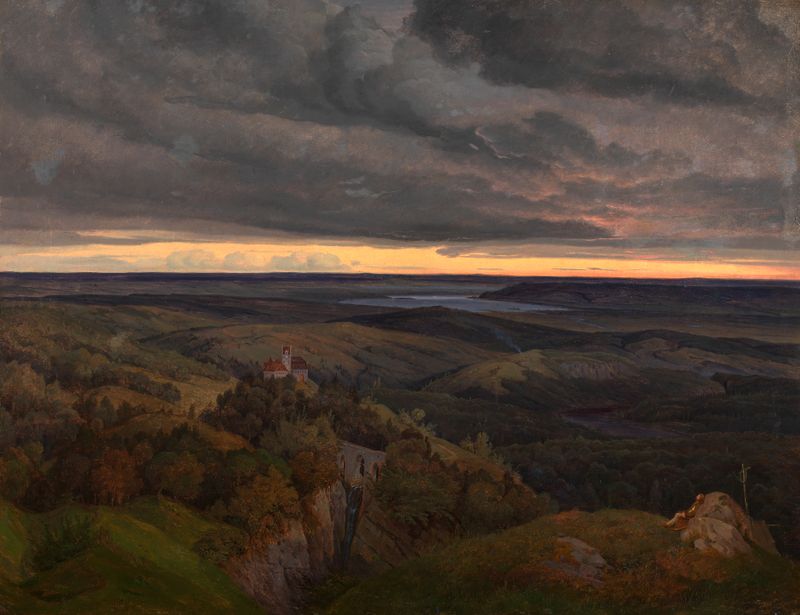
Eifellandschaft
Karl Friedrich Lessing
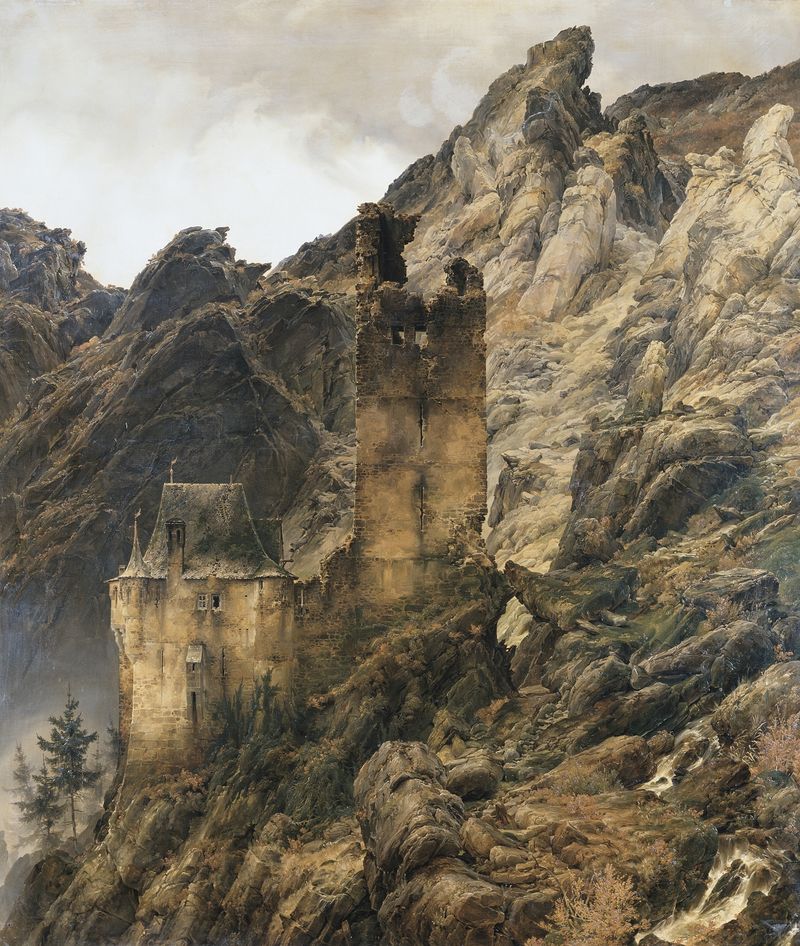
Rocky Landscape, Gorge with Ruins
Karl Friedrich Lessing
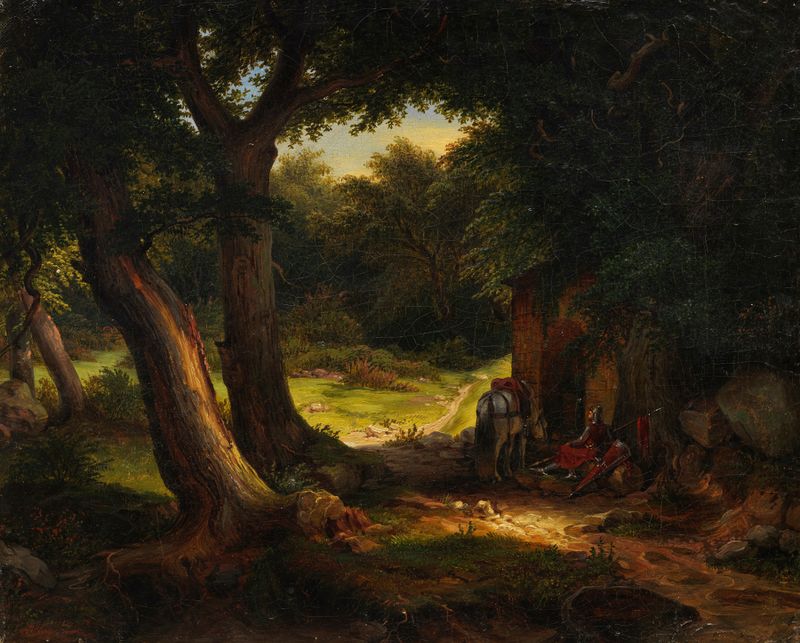
Eichenwald mit einem am Brunnen rastenden Kreuzritter
Karl Friedrich Lessing
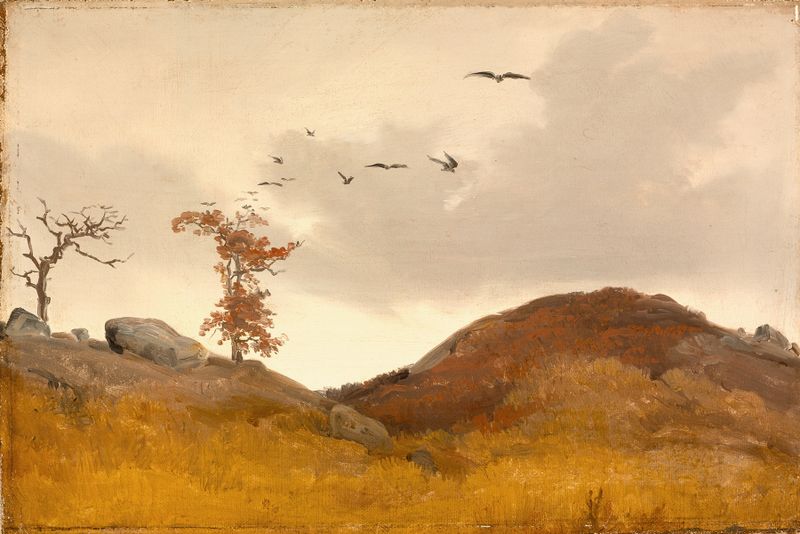
Landscape with Crows
Karl Friedrich Lessing
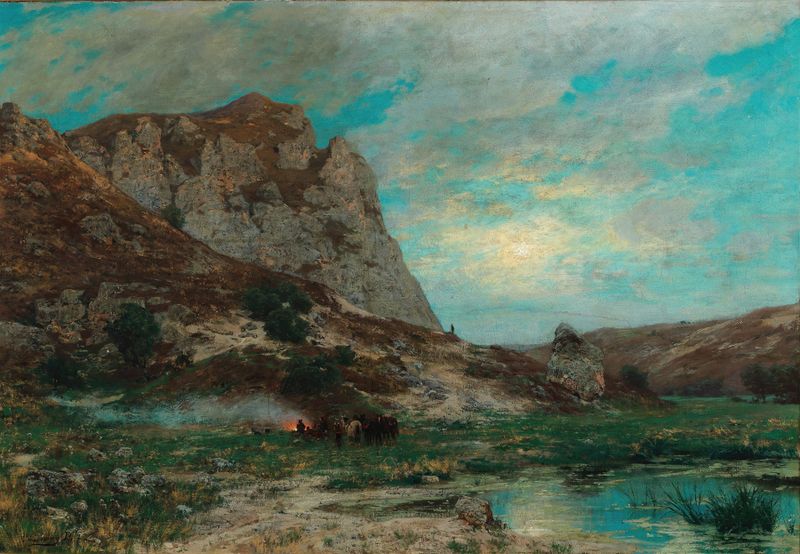
Soldaten bei der Rast
Karl Friedrich Lessing

Landscape from the Eifel mountains
Karl Friedrich Lessing
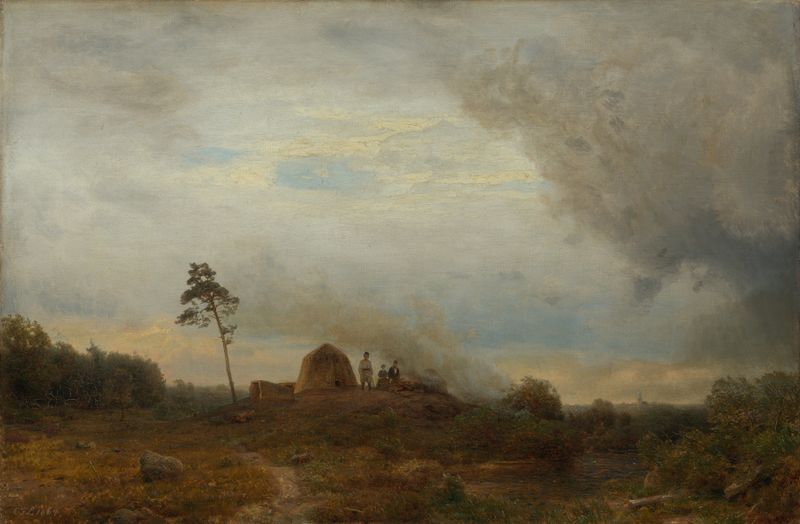
Polnisches Biwak in der Heide
Karl Friedrich Lessing





