
Landscape from the Eifel mountains — History & Facts
What secret hides in the quiet of the canvas? The solitude of nature often cradles illusions, whispering truths only the heart can decipher. Look to the left at the soft, rolling hills that cradle the landscape, their gentle undulations leading the eye towards the horizon. Notice how the muted greens and browns blend seamlessly, punctuated by dappled sunlight filtering through a haze of clouds. The light dances across the surface of the scene, creating an ethereal quality that suggests both depth and distance, inviting the viewer to step into this serene world. Within this pastoral composition lies a tension between reality and imagination.
The interplay of light and shadow hints at a fleeting moment, as if the landscape might shift at any given instant. The distant mountains loom like guardians of secrets, their majestic presence evoking a sense of both awe and tranquility. In this stillness, the viewer is confronted with their own reflections, pondering the stories hidden behind every brushstroke. Karl Friedrich Lessing painted this scene in 1834 while residing in Germany, a time when Romanticism flourished, emphasizing the beauty and power of nature.
The artist sought to capture the emotional resonance of the landscape, blending observation with imagination. During this period, Lessing faced personal struggles, yet he found solace and inspiration in the natural world, which informed his celebrated depictions of German scenery and its vast emotional landscapes.
More Artworks by Karl Friedrich Lessing
Browse all →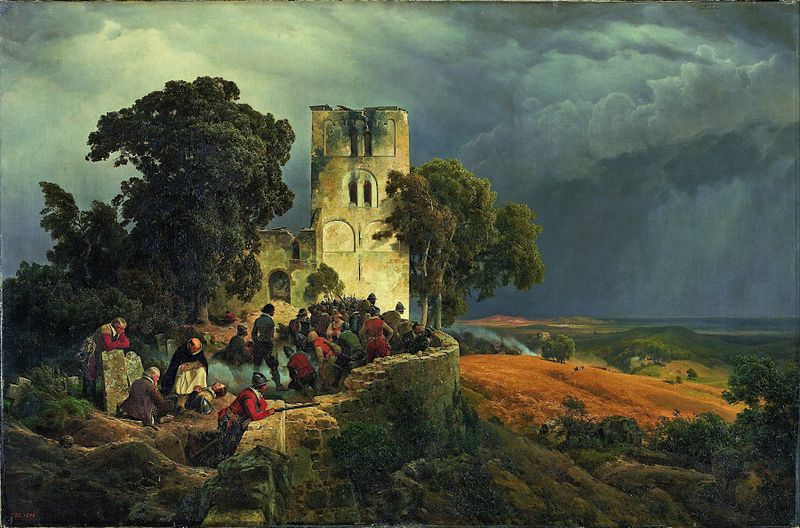
The Siege (Defense of a Church Courtyard During the Thirty Years’ War)
Karl Friedrich Lessing

The Thousand-Year-Old Oak
Karl Friedrich Lessing

Das Bodetal im Harz
Karl Friedrich Lessing
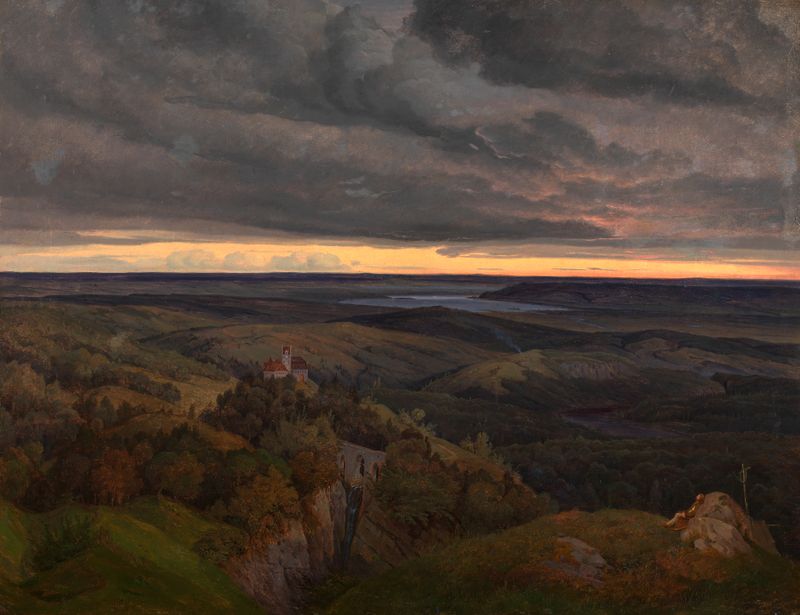
Eifellandschaft
Karl Friedrich Lessing
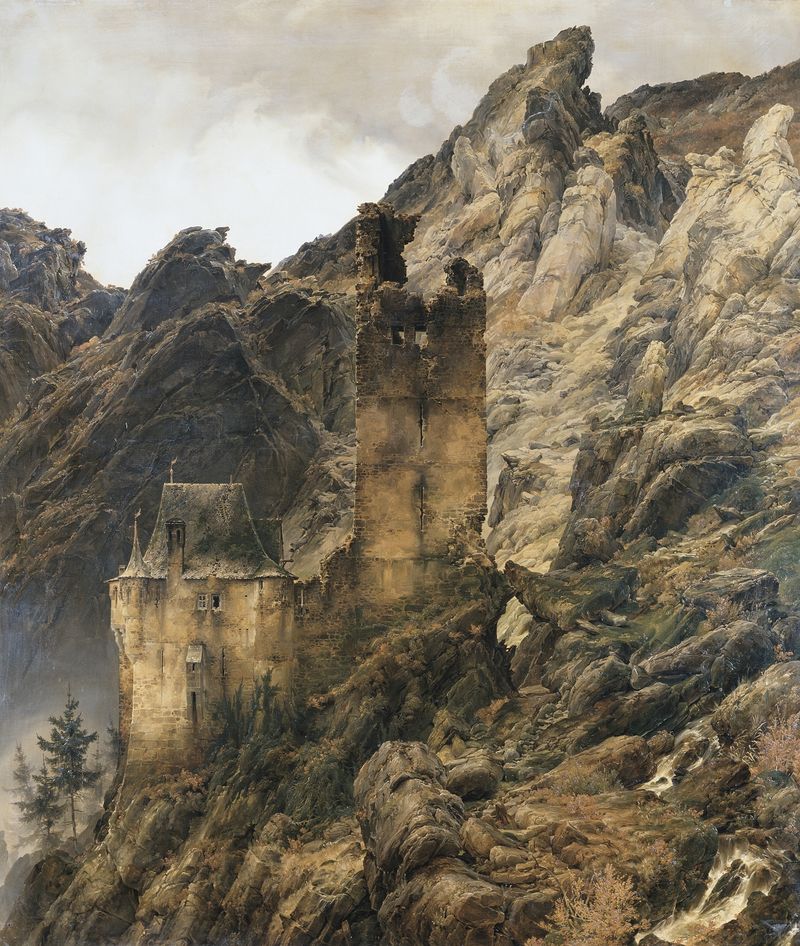
Rocky Landscape, Gorge with Ruins
Karl Friedrich Lessing
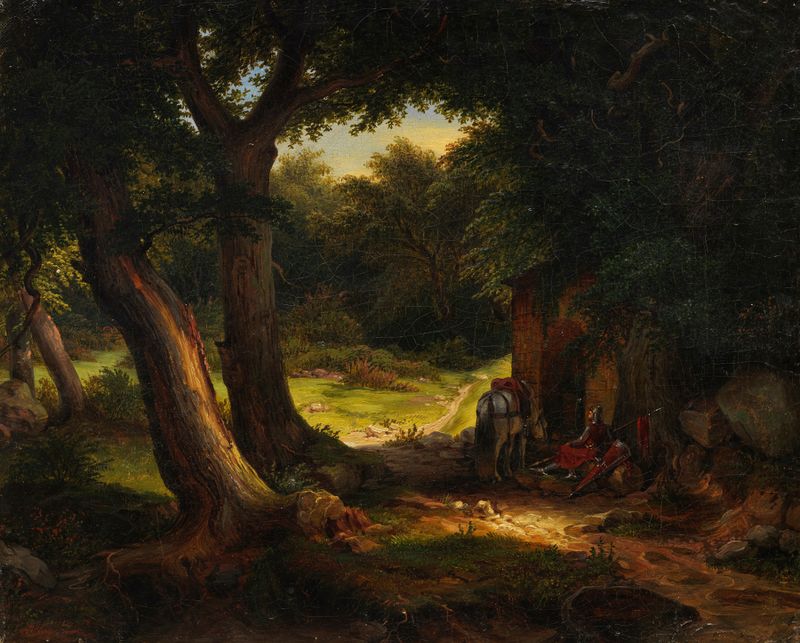
Eichenwald mit einem am Brunnen rastenden Kreuzritter
Karl Friedrich Lessing
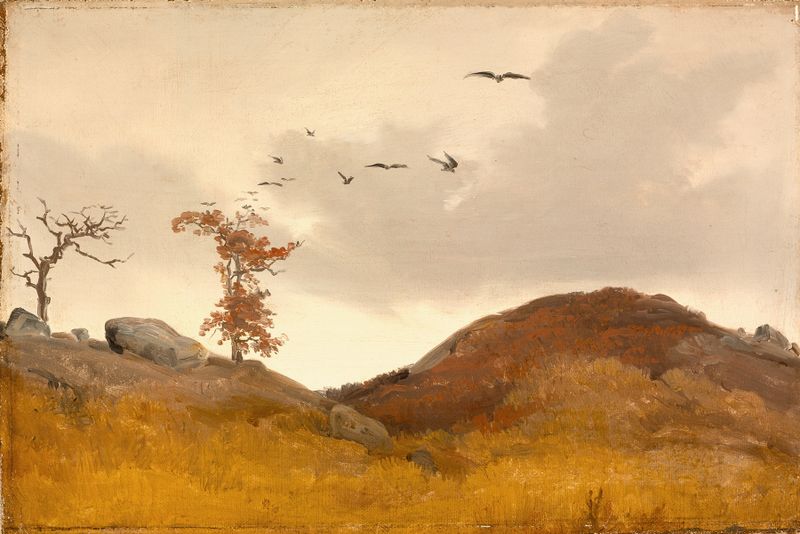
Landscape with Crows
Karl Friedrich Lessing
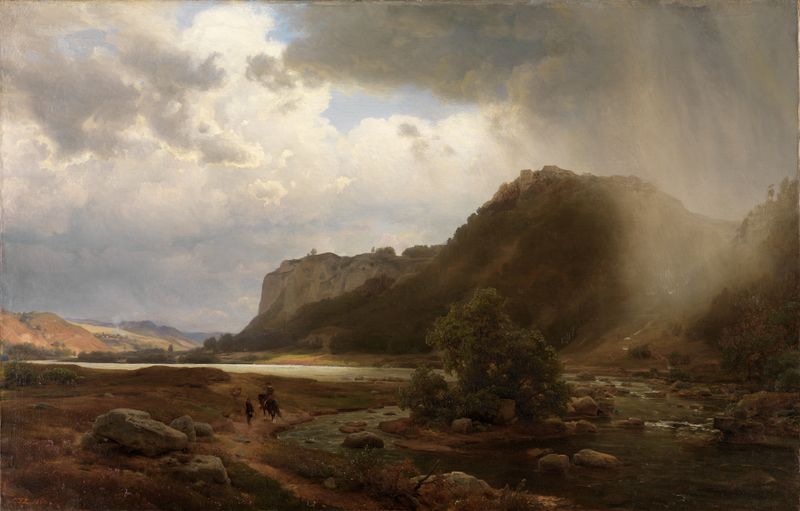
Flußlandschaft
Karl Friedrich Lessing
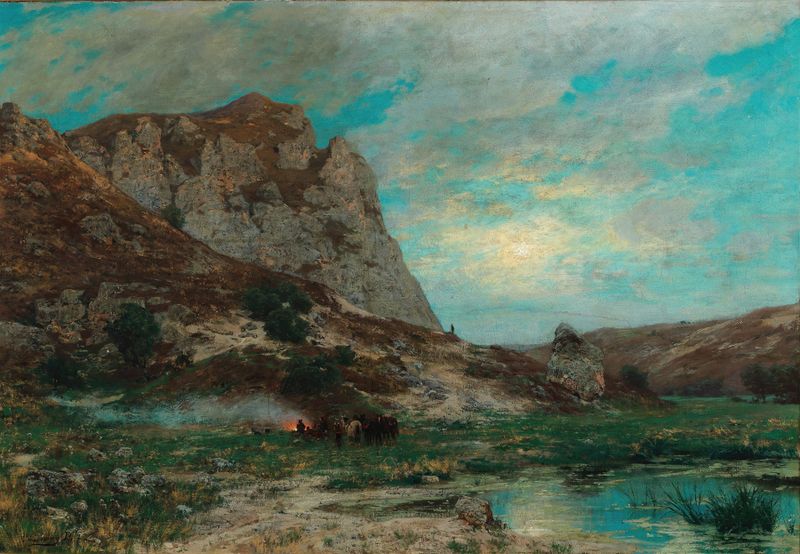
Soldaten bei der Rast
Karl Friedrich Lessing
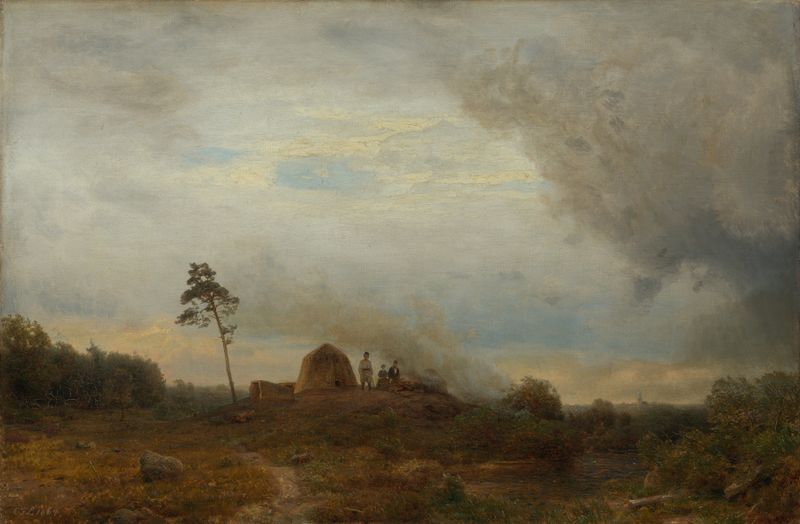
Polnisches Biwak in der Heide
Karl Friedrich Lessing





