
Eifellandschaft — History & Facts
The serene landscape often conceals the quiet heartache of solitude, whispering tales of longing through its picturesque scenes. Look to the foreground; the gentle brushstrokes suggest an undulating field, dappled with soft greens and textured earth tones that beckon you closer. Notice how the light falls upon the distant hills, creating a hazy backdrop that seems to merge with the sky. The muted palette subtly conveys a sense of melancholy, enhancing the feeling that while the scene is idyllic, an undercurrent of loneliness permeates the air, inviting the viewer to contemplate the isolation hidden within beauty. In the distance, the solitary figure stands at the edge of the landscape, silhouetted against the vastness.
This small presence, almost lost amidst the grandeur, embodies the heart of the painting’s emotional tension. The contrast between the expansive, vibrant scenery and the lone figure evokes a poignant reflection on human existence, suggesting that even in the midst of nature's splendor, one can feel profoundly alone. The delicate balance between light and shadow serves as a metaphor for joy and sorrow, revealing the complexity of our emotional landscapes. During the early 1830s, Karl Friedrich Lessing was exploring themes of nature and solitude, reflective of the growing Romantic movement in Europe.
Living in Germany, he sought to bridge the gap between the natural world and human experience through his art. This period marked a shift towards introspective subjects, where the artist grappled with personal and societal themes, capturing both the beauty and isolation of the human condition.
More Artworks by Karl Friedrich Lessing
Browse all →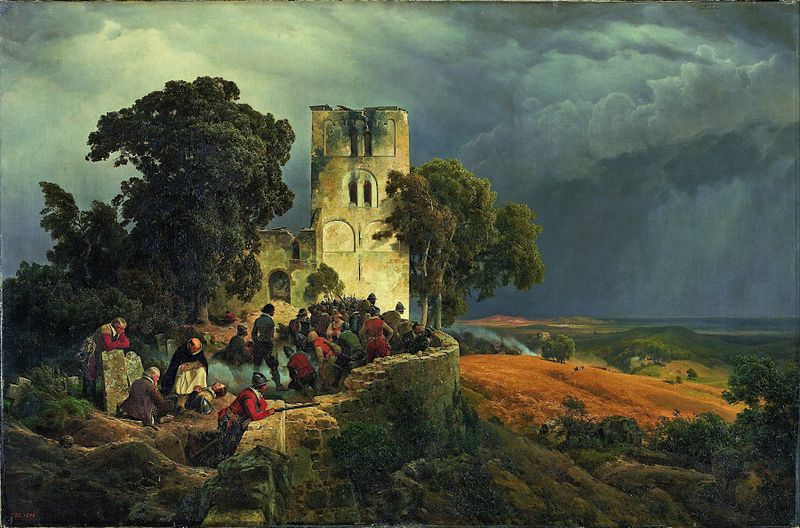
The Siege (Defense of a Church Courtyard During the Thirty Years’ War)
Karl Friedrich Lessing

The Thousand-Year-Old Oak
Karl Friedrich Lessing

Das Bodetal im Harz
Karl Friedrich Lessing
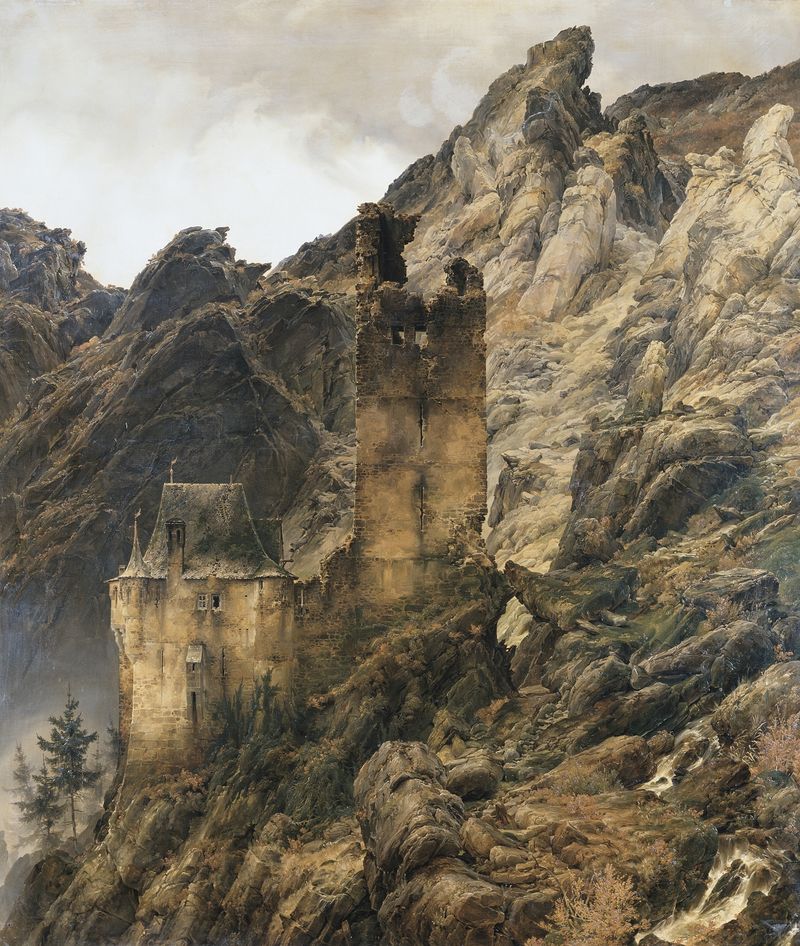
Rocky Landscape, Gorge with Ruins
Karl Friedrich Lessing
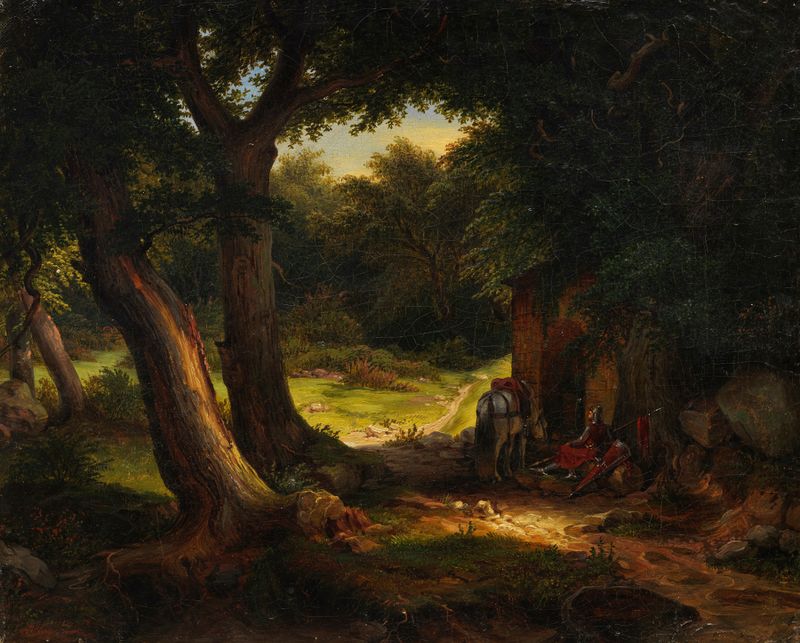
Eichenwald mit einem am Brunnen rastenden Kreuzritter
Karl Friedrich Lessing
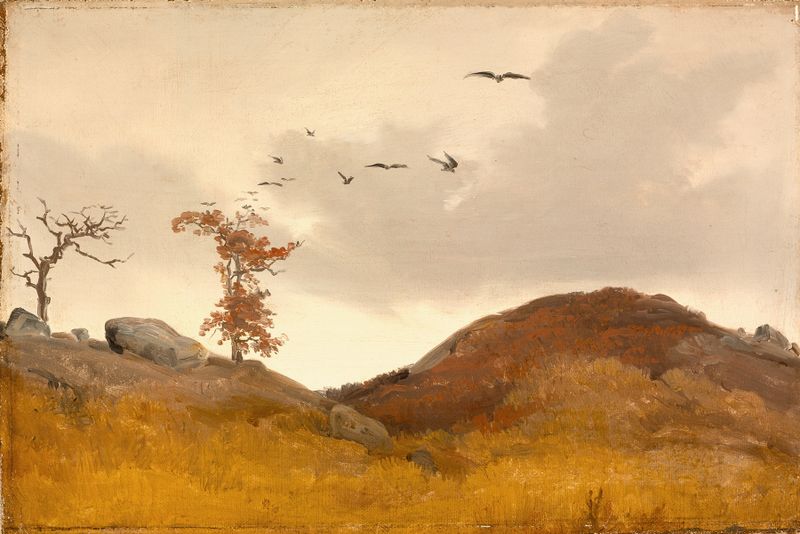
Landscape with Crows
Karl Friedrich Lessing
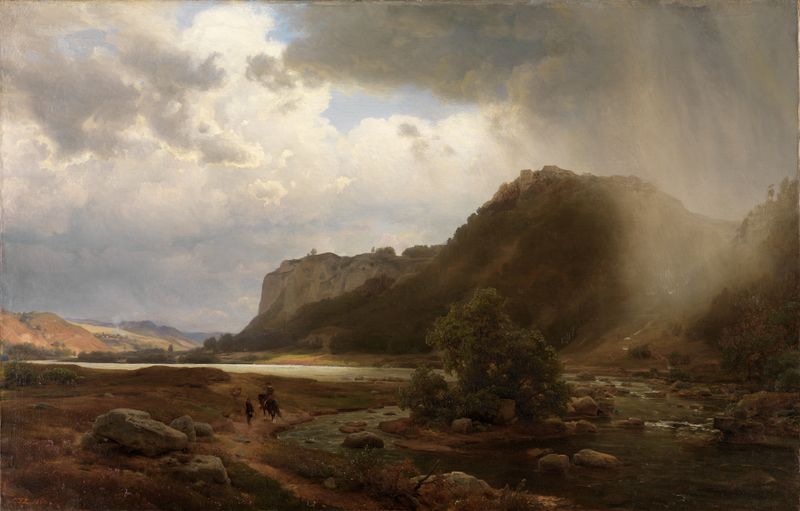
Flußlandschaft
Karl Friedrich Lessing
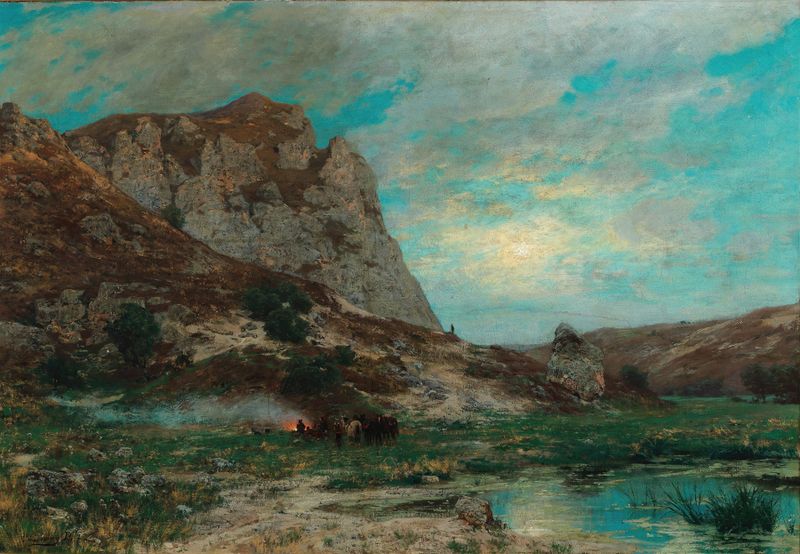
Soldaten bei der Rast
Karl Friedrich Lessing

Landscape from the Eifel mountains
Karl Friedrich Lessing
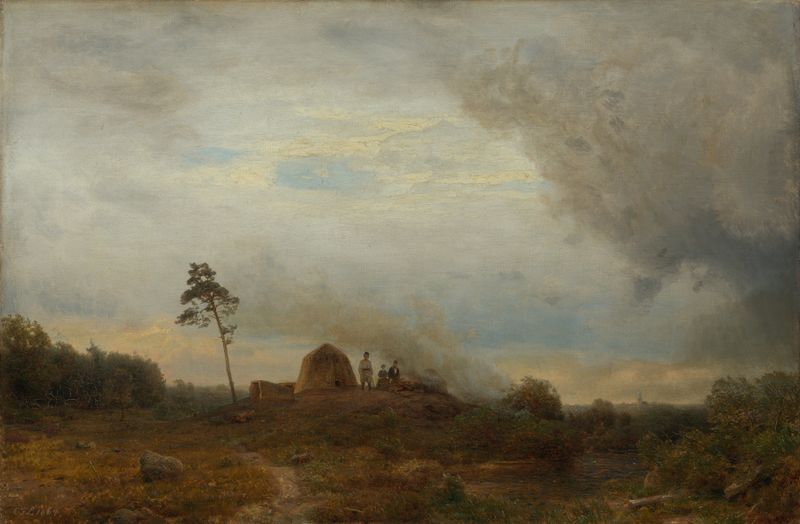
Polnisches Biwak in der Heide
Karl Friedrich Lessing





