
Der Staubbachfall in Lauterbrunnen (Schweiz) — History & Facts
Can paint confess what words never could? In Der Staubbachfall in Lauterbrunnen (Schweiz), the essence of ecstasy flows freely, captured in brushstrokes that echo the spirit of the natural world. Look to the left at the striking cascade of the waterfall, its silvery threads unfurling against the deep greens of pine and the rugged browns of the mountain. Notice how light dances upon the water droplets, creating a shimmering veil that blurs the boundaries between reality and dream. The composition draws your gaze upward, inviting you to follow the waterfall’s descent as it tumbles over the rocky cliffside and merges into the tranquil valley below.
Each element is meticulously rendered, showcasing the artist's command of both color and texture. Upon closer inspection, small details reveal the emotional tensions within the scene. The juxtaposition of the turbulent waterfall with the serene landscape below highlights nature's inherent duality—its fierce beauty and tranquil calm. The wispy clouds hanging above echo the mist from the falls, suggesting a connection between the heavens and the earth.
It’s a landscape of contrasts, where chaos and serenity coexist, captivating the viewer in a moment of profound introspection. In 1869, Edward Theodore Compton painted this masterpiece in the stunning valley of Lauterbrunnen, a place that served as a profound inspiration for many artists of the time. Living amid the artistic fervor of the 19th century and the burgeoning Romantic movement, he sought to convey the sublime beauty of nature, drawing from his experiences and emotions in a world that was rapidly changing due to industrialization.
More Artworks by Edward Theodore Compton
Browse all →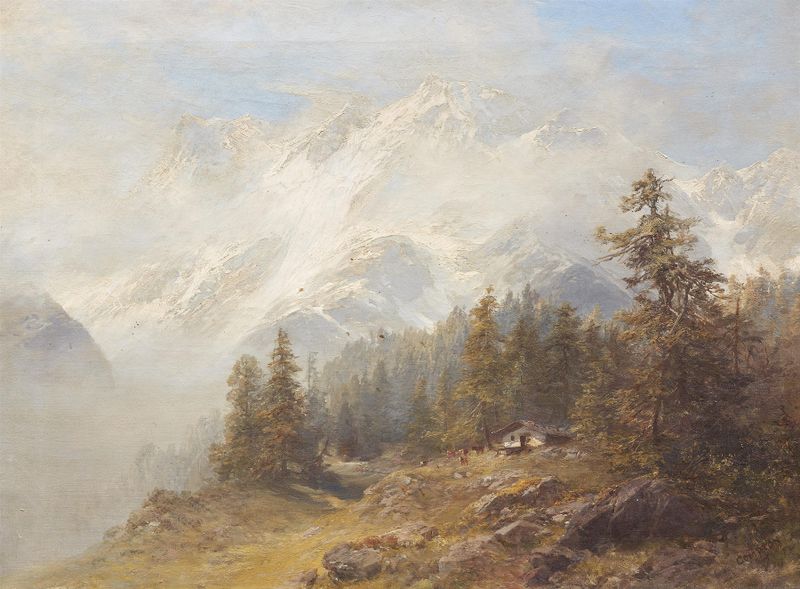
Alpenlandschaft vor schneebedecktem Massiv
Edward Theodore Compton
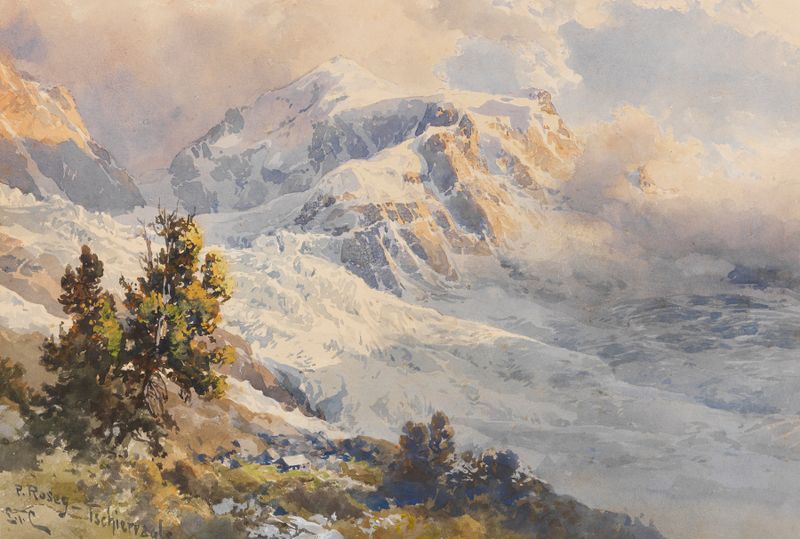
Piz Roseg – Tschiervagletscher
Edward Theodore Compton
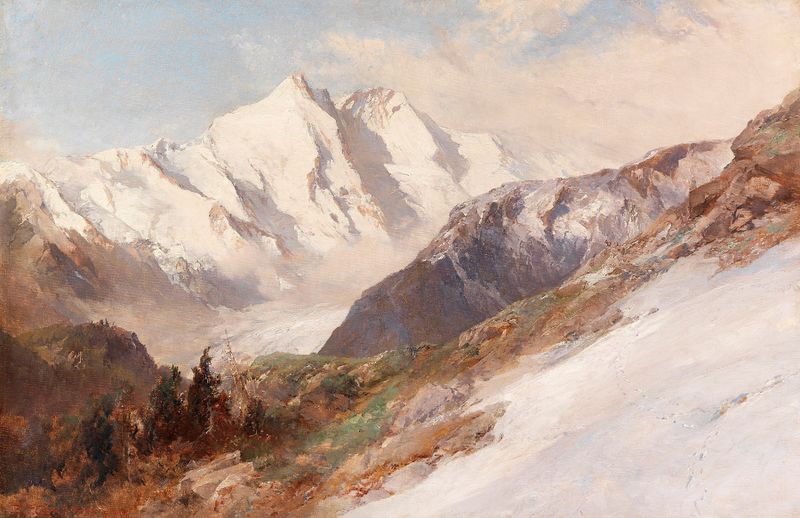
Blick auf die Nordseite des Großglockners
Edward Theodore Compton
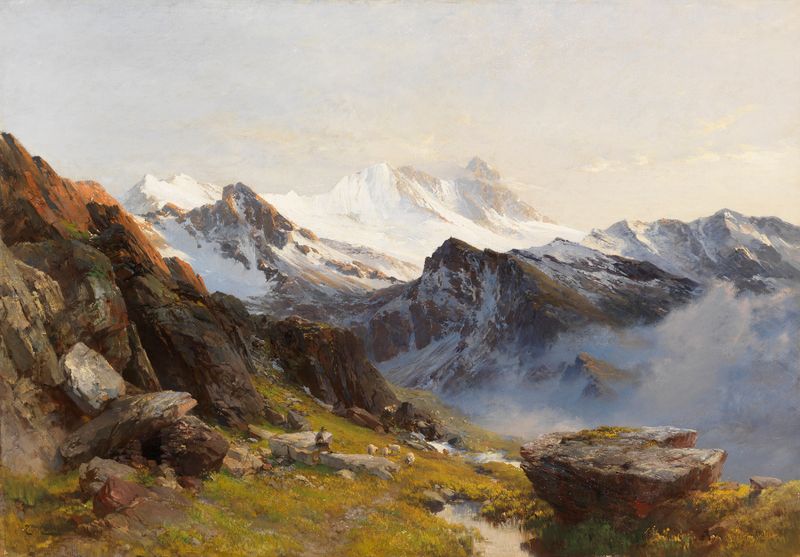
Großglockner von der Prager Hütte aus, früh
Edward Theodore Compton
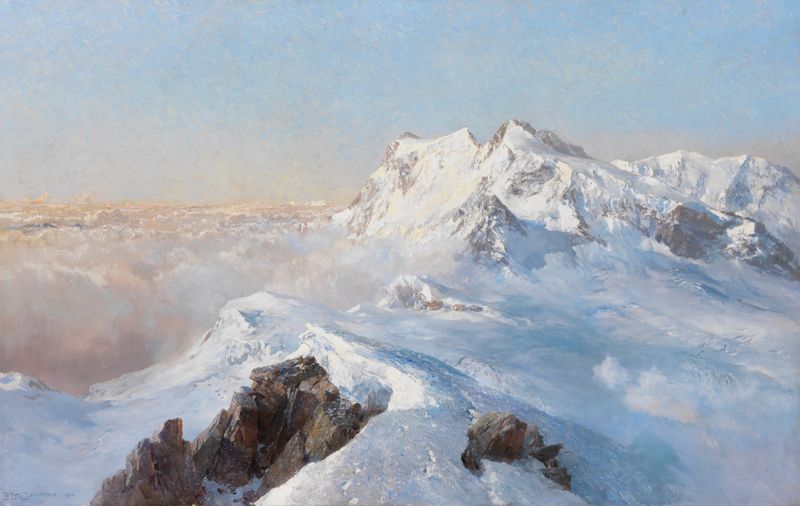
Über dem Nebelmeer (Monte Rosa vom Rimpfischhorn)
Edward Theodore Compton
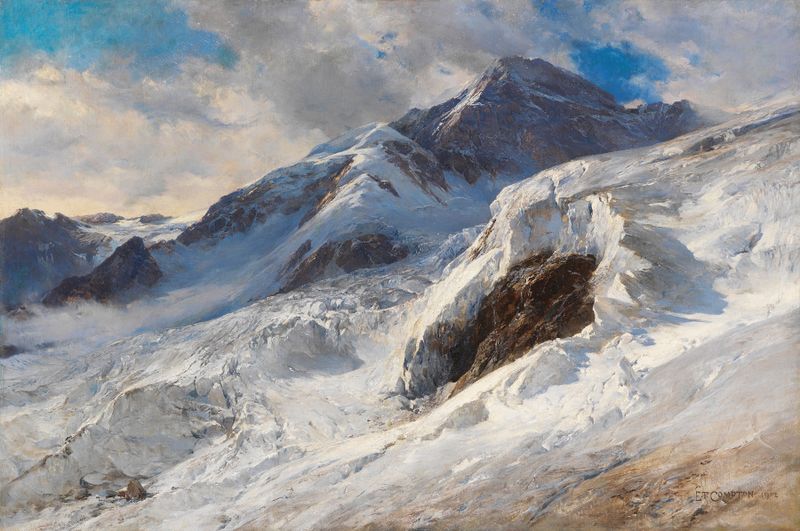
Lyskamm (Monte-Rosa)
Edward Theodore Compton
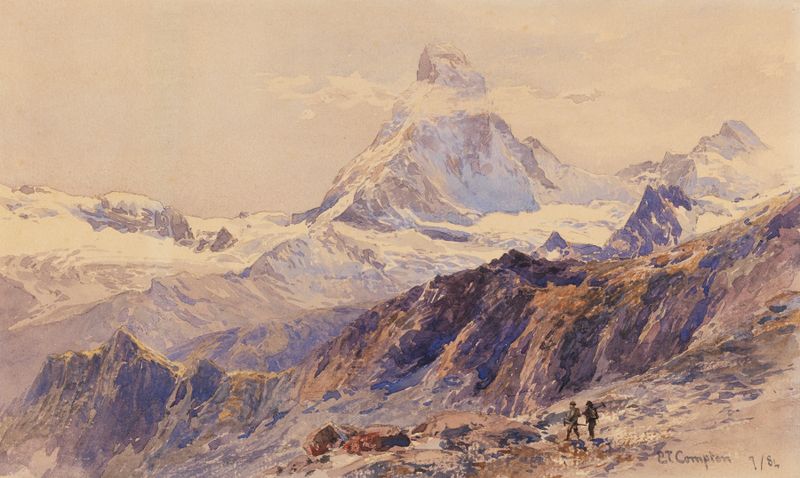
Das Matterhorn von der Triftkumme
Edward Theodore Compton
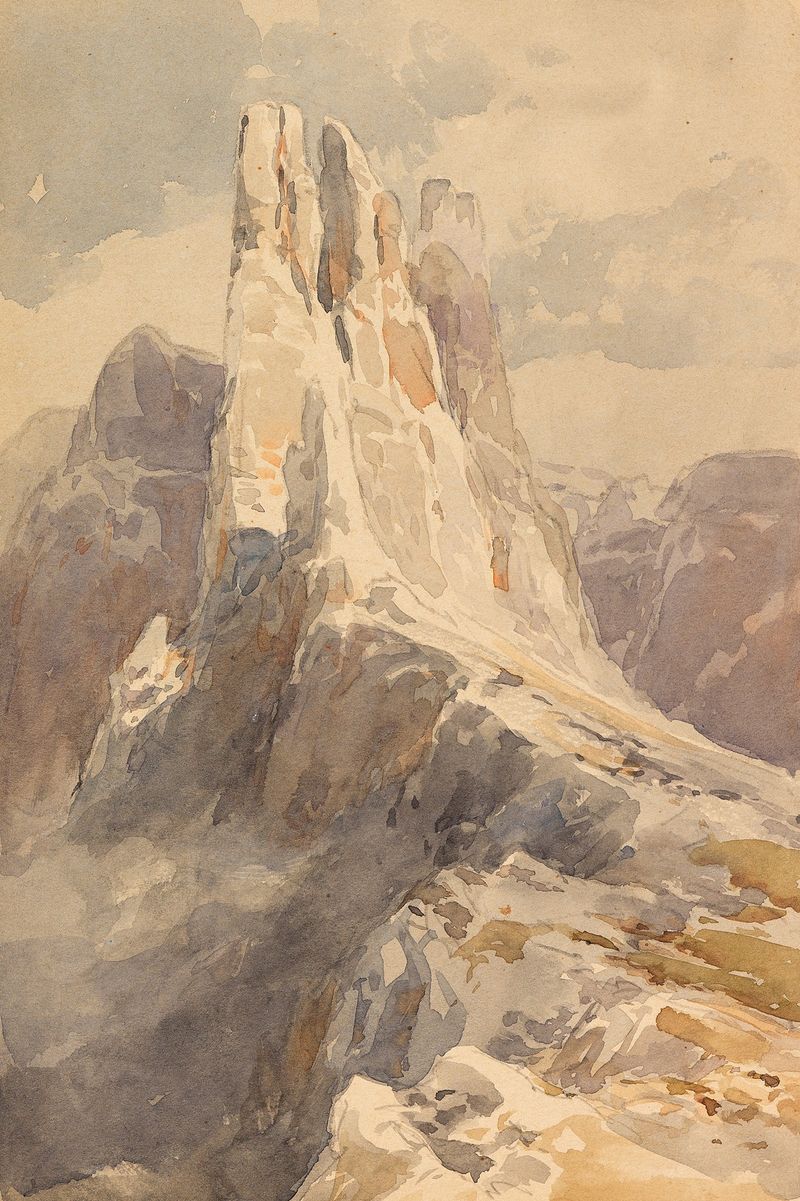
Blick auf die Vajolet-Türme in den Dolomiten
Edward Theodore Compton
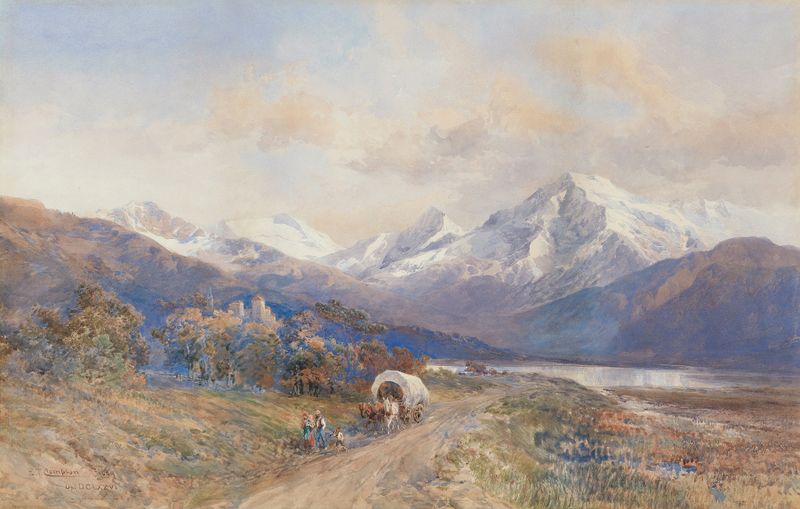
Blick auf den Ortler von St. Valentin
Edward Theodore Compton
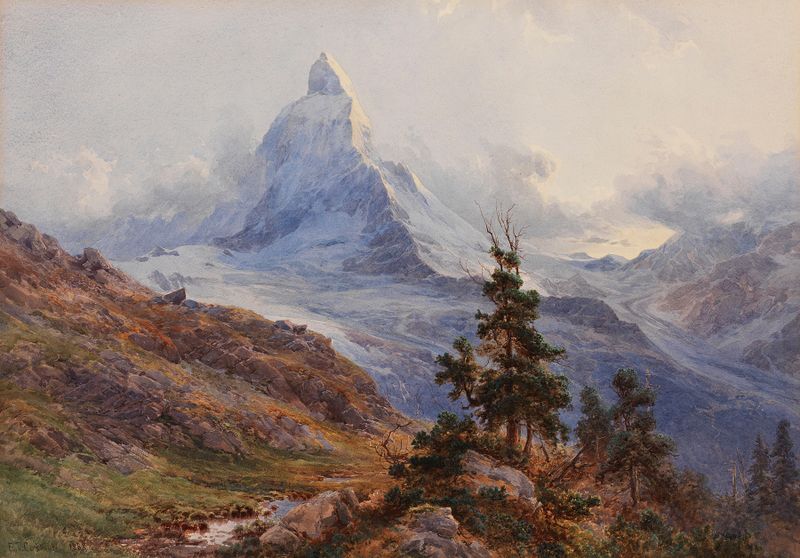
View of the Matterhorn
Edward Theodore Compton





