
Das Matterhorn von der Triftkumme — History & Facts
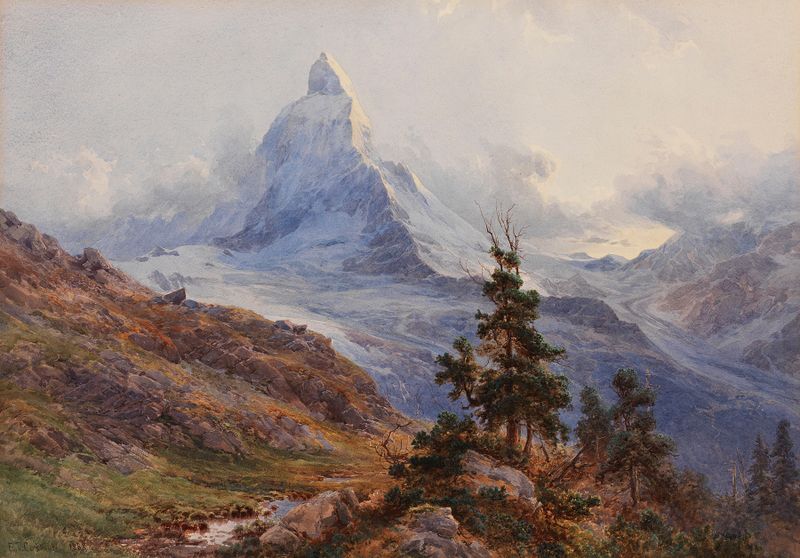
In the vast world of nature, the delicate balance between permanence and fragility often eludes our grasp. Look to the right at the majestic, snow-capped peak of the Matterhorn, rising dramatically against a sky that swells with clouds. The artist employs soft brushwork, creating a sense of movement, while the cool palette of blues and whites contrasts sharply with the earthy tones of the foreground. Notice how the light falls upon the glacier, glistening like a fragile jewel, inviting the viewer to ponder the transient beauty of the natural world.
Each stroke seems to echo the fleeting moments of sunlight that dance across the rugged terrain. Delve deeper into the work, and you'll discover the interplay of light and shadow that reveals the mountain’s imposing strength juxtaposed with its sheer vulnerability. The graceful curves of the slopes suggest a gentle elegance, yet they are marked by the harshness of the landscape, evoking a sense of reverence and awe. This duality reflects not only nature’s grandeur but also the reminder that even the most formidable structures are subject to time’s relentless passage. In 1889, the artist was entrenched in the Romantic tradition, painting in the Swiss Alps, seeking to capture the sublime beauty of the landscape.
This period was marked by an increasing fascination with nature's power and fragility, themes that were gaining traction in the art world. Compton’s work emerged during a time when artists were exploring the emotional resonance of natural settings, merging personal experience with broader cultural reflections on existence.
More Artworks by Edward Theodore Compton
Browse all →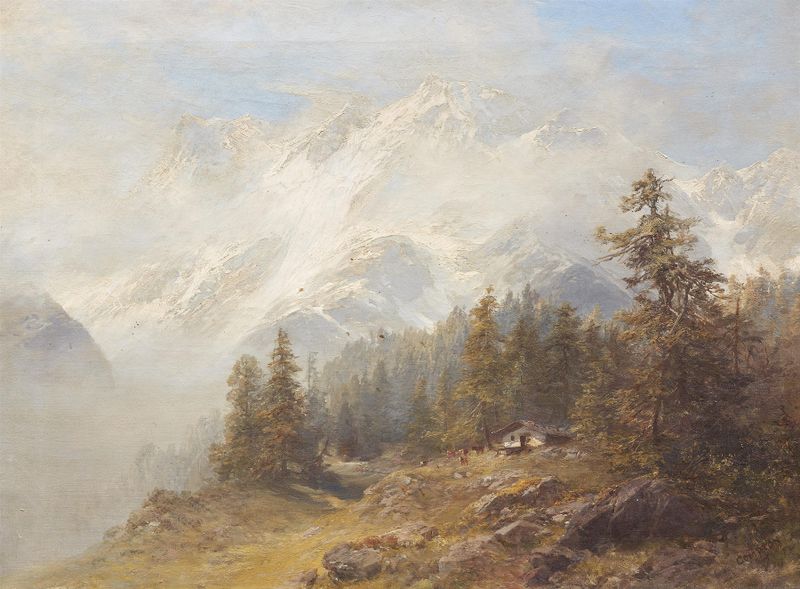
Alpenlandschaft vor schneebedecktem Massiv
Edward Theodore Compton
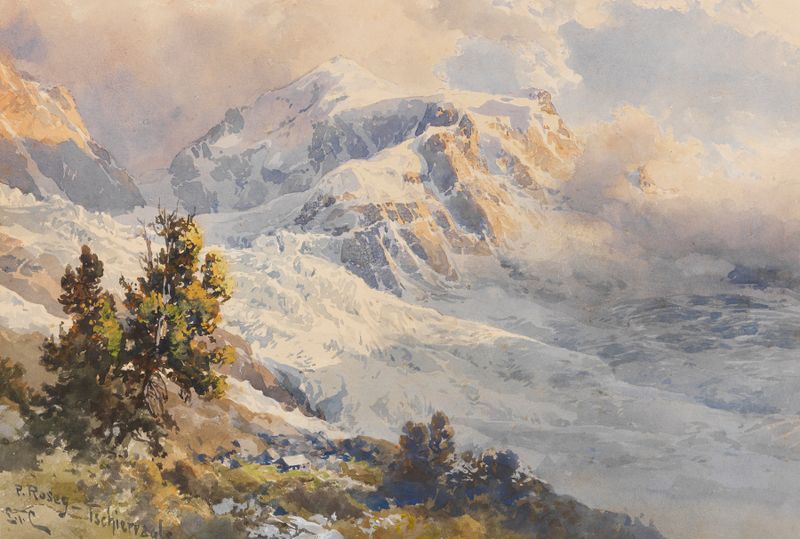
Piz Roseg – Tschiervagletscher
Edward Theodore Compton
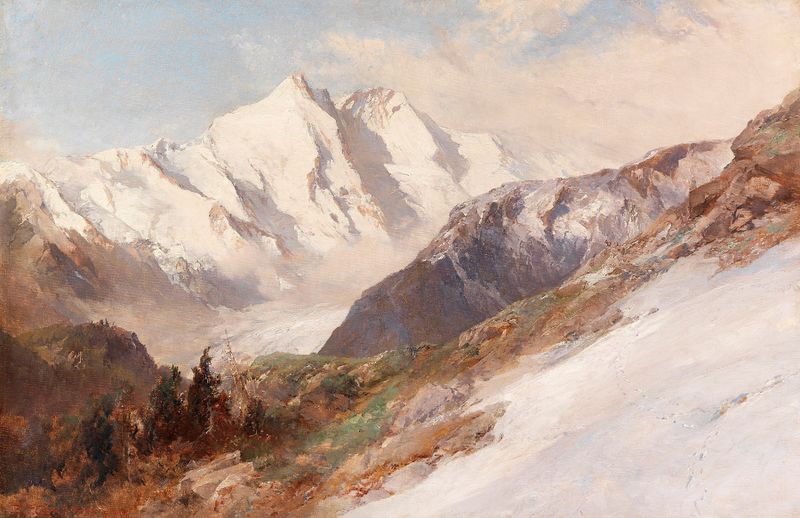
Blick auf die Nordseite des Großglockners
Edward Theodore Compton
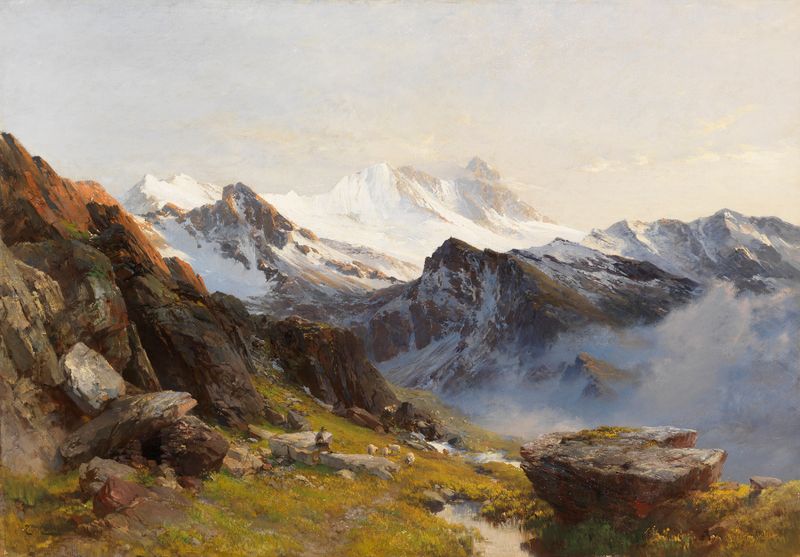
Großglockner von der Prager Hütte aus, früh
Edward Theodore Compton
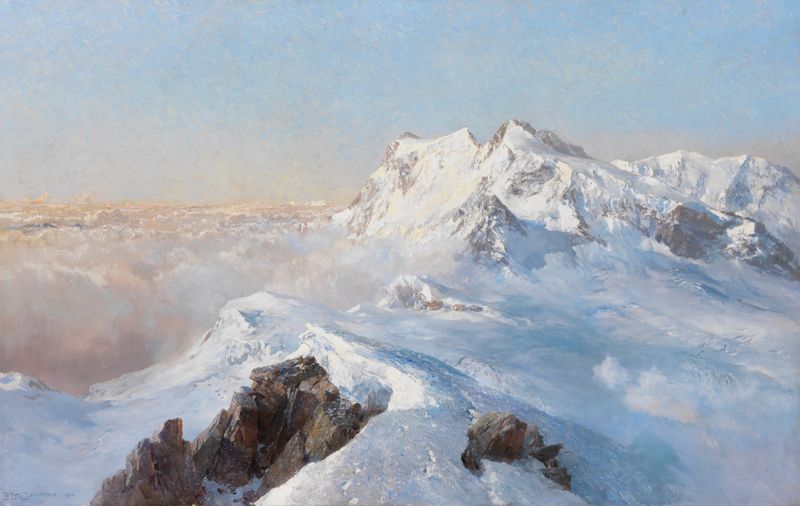
Über dem Nebelmeer (Monte Rosa vom Rimpfischhorn)
Edward Theodore Compton
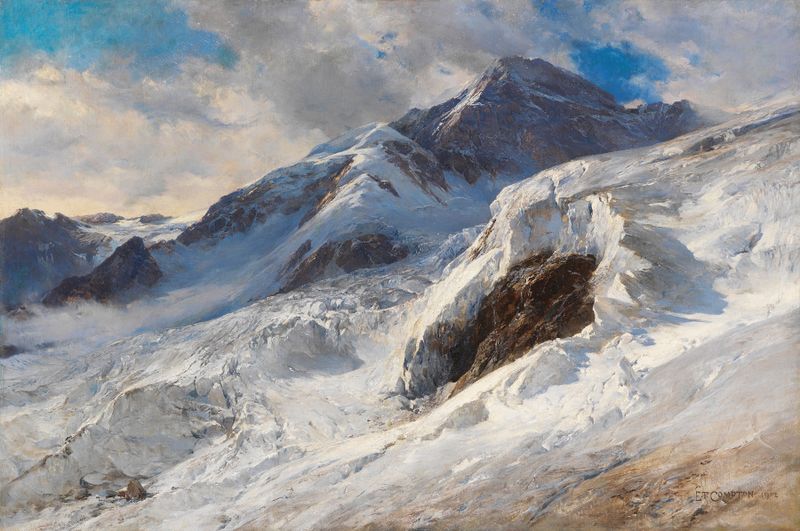
Lyskamm (Monte-Rosa)
Edward Theodore Compton
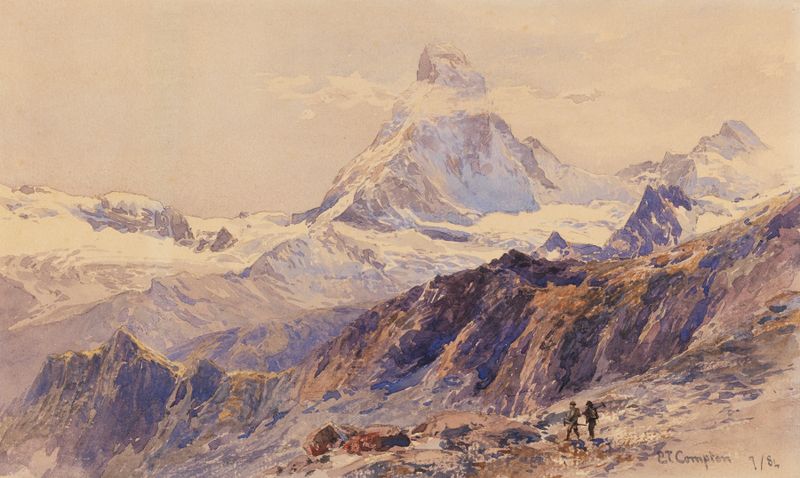
Das Matterhorn von der Triftkumme
Edward Theodore Compton
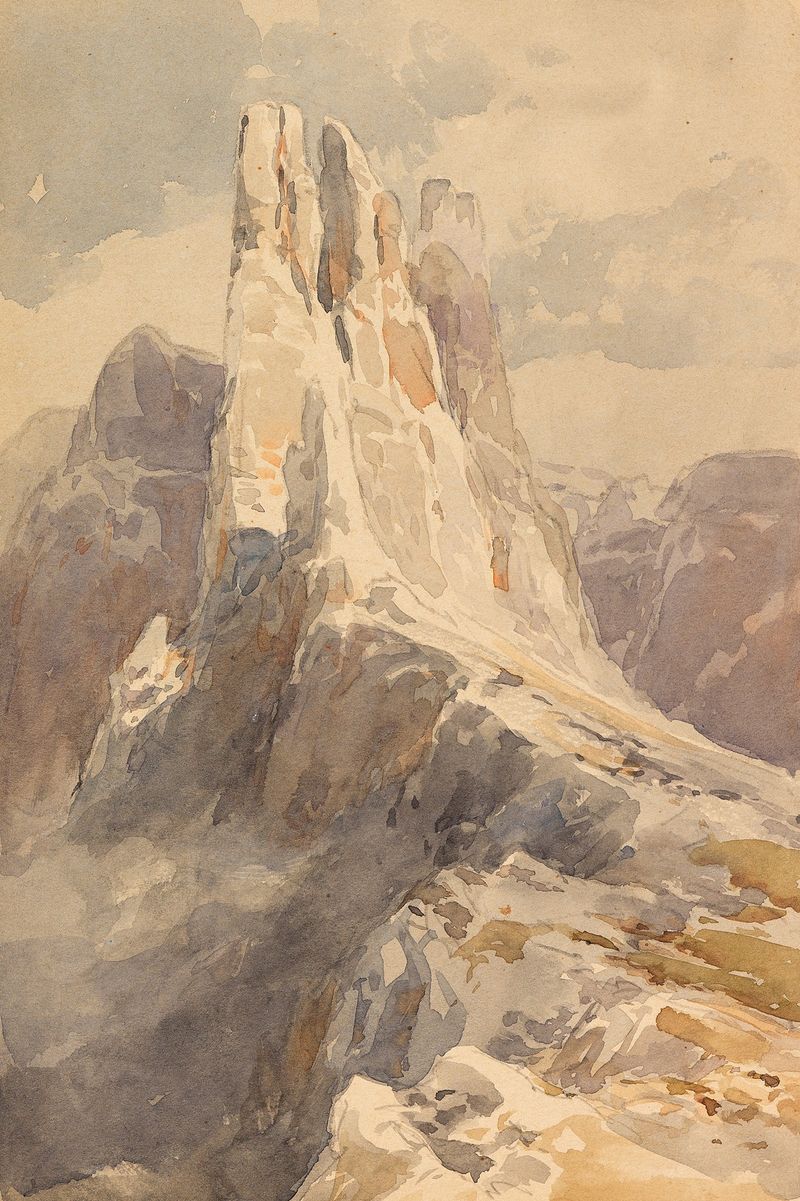
Blick auf die Vajolet-Türme in den Dolomiten
Edward Theodore Compton
Blick auf den Ortler von St. Valentin
Edward Theodore Compton
View of the Matterhorn
Edward Theodore Compton





