Das of mutsenslip van kloskant met drie grote lelies — History & Facts
In a world where dreams meld into reality, the soft caress of lace brings forth an ethereal quality, inviting the viewer to delve deeper into a tapestry of delicate beauty. Look closely at the intricate patterns woven within the lacework, where filigree forms intertwine with the graceful depiction of three large lilies. The artist’s meticulous attention to detail draws the eye first to these blooms, their purity illuminated against the somber palette that envelops them. Notice how the soft whites and muted shades create a sense of depth, allowing the flowers to virtually blossom off the canvas.
Each thread dances with light, enhancing the enchantment of this otherworldly creation. Beneath the surface of this artwork lies a subtext of transience and fragility. The lilies, often symbols of innocence and purity, contrast sharply with the strong, structured lace, suggesting a tension between the ephemeral nature of beauty and the permanence of craftsmanship. This juxtaposition invites introspection about how dreams, much like flowers and lace, can be delicate yet enduring in memory.
The interplay of shadow and light across the lace further emphasizes the duality of existence: the seen and the unseen. Created between 1850 and 1880, this piece reflects a time of technological advancement in textile production, while still honoring traditional craftsmanship. Emerging in a period of rich artistic exploration, the work embodies the transition from practical lace-making to its appreciation as an art form. Though the artist remains unknown, the piece stands as a testament to the quiet resilience and hidden dreams that lace can convey within the artistic narrative.
More Artworks by Unknown Artist
Browse all →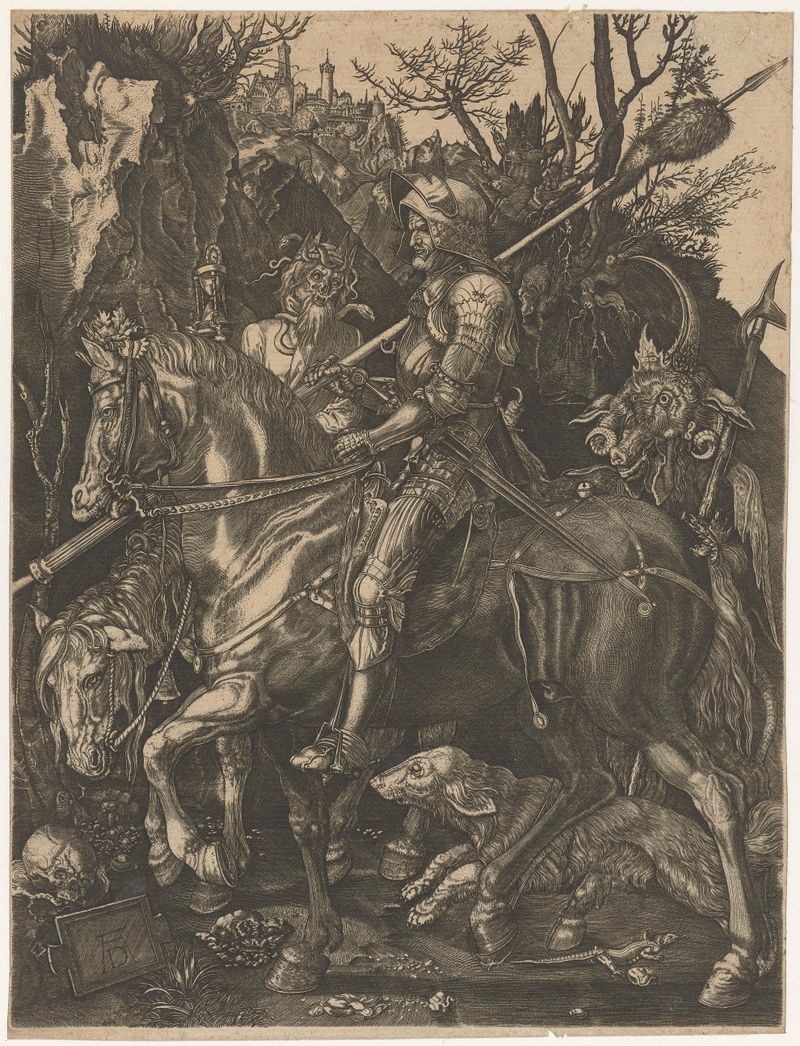
Ridder, Dood en Duivel
Unknown Artist
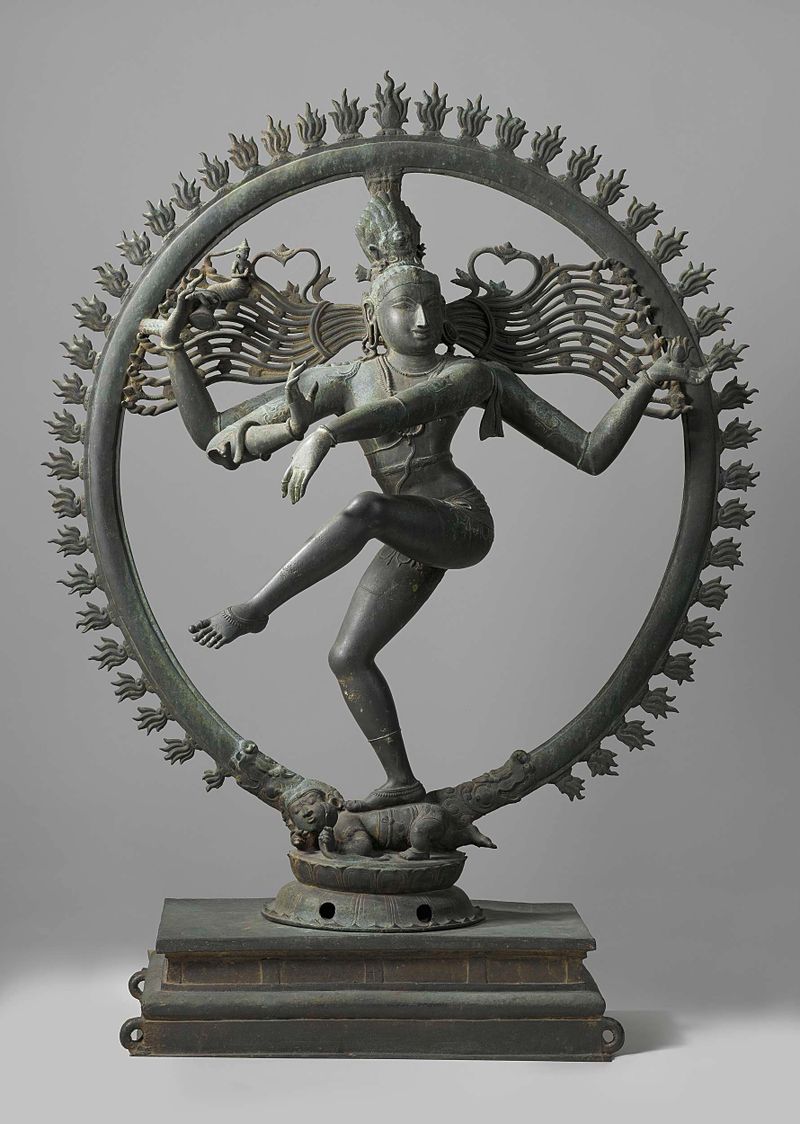
Shiva Nataraja
Unknown Artist
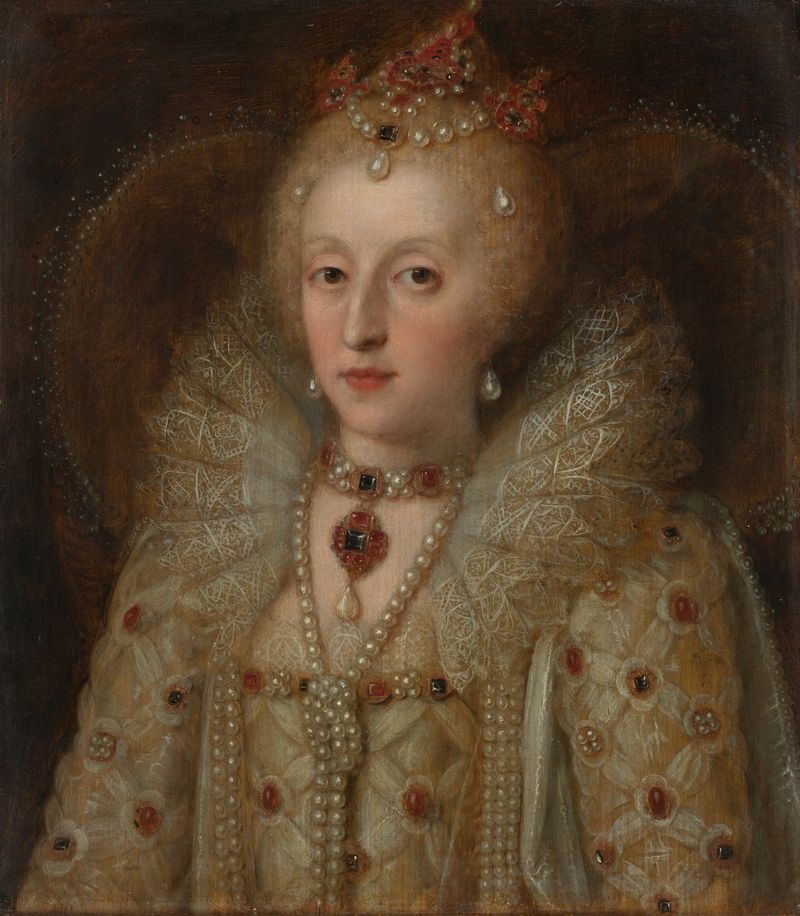
Portrait of Elizabeth I, Queen of England
Unknown Artist
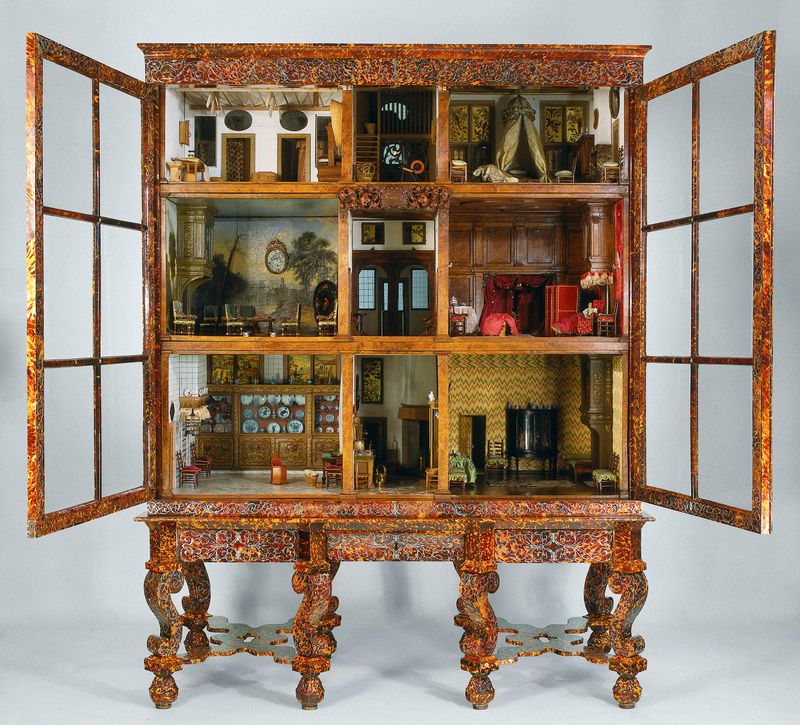
Dolls’ house of Petronella Oortman
Unknown Artist
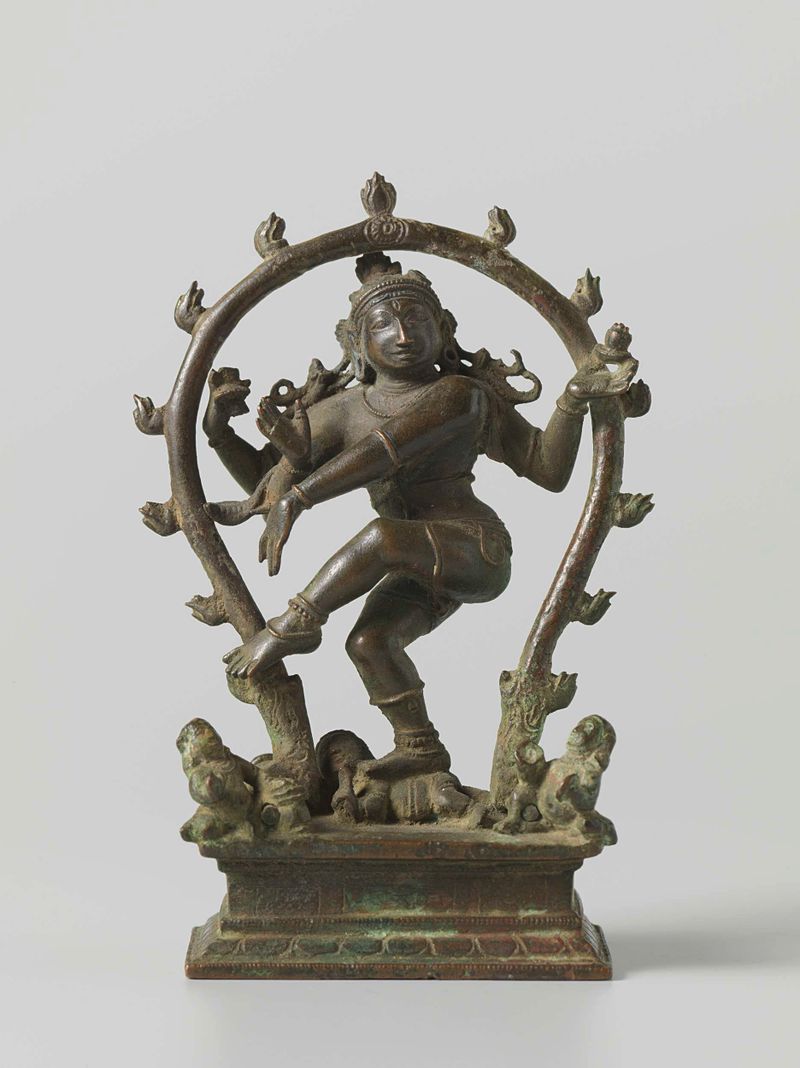
Shiva Nataraja
Unknown Artist

The Tale of Genji
Unknown Artist

The Tale of Genji
Unknown Artist
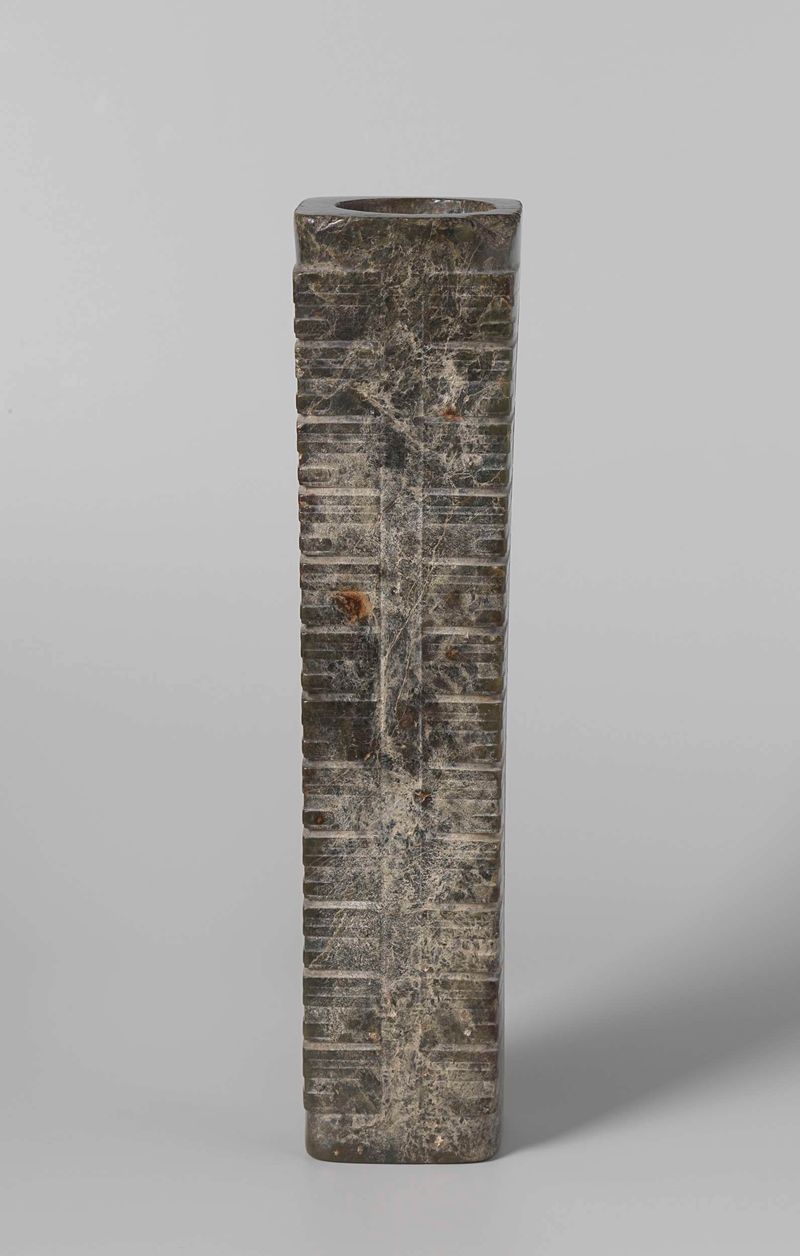
Cong
Unknown Artist
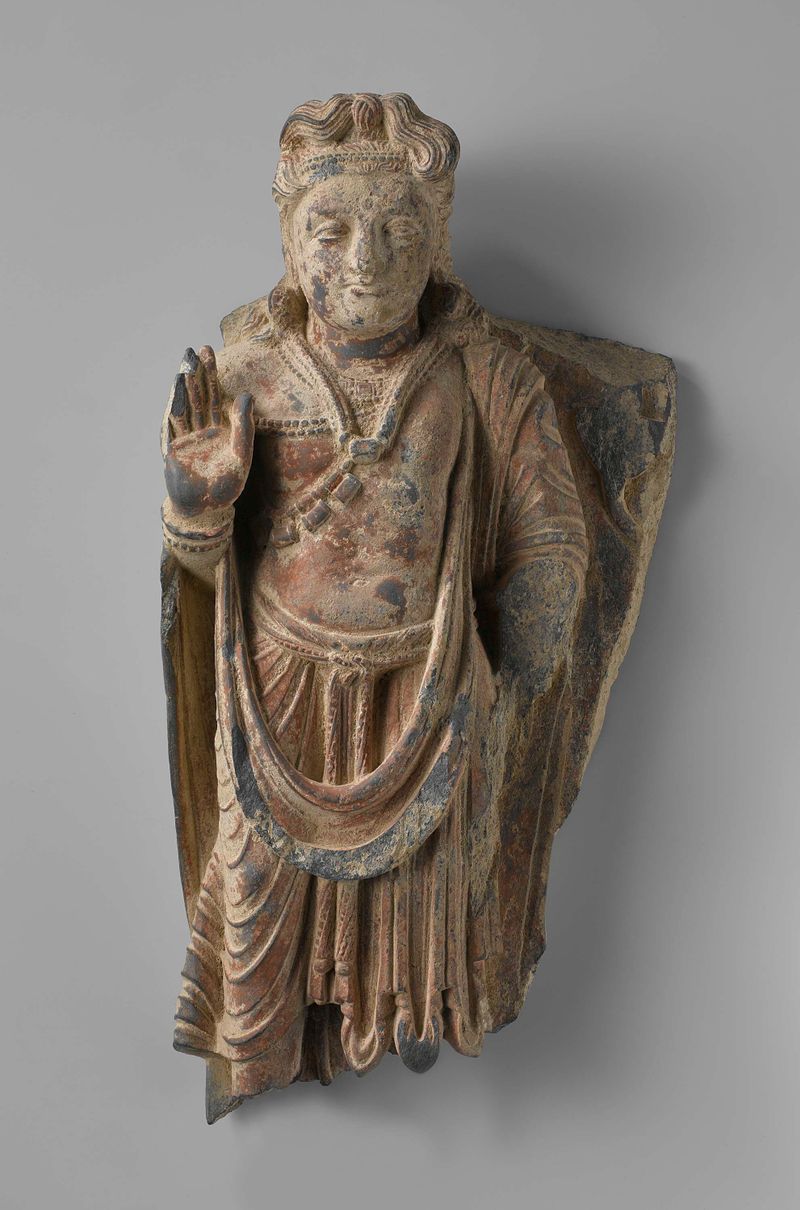
The bodhisattva Maitreya
Unknown Artist
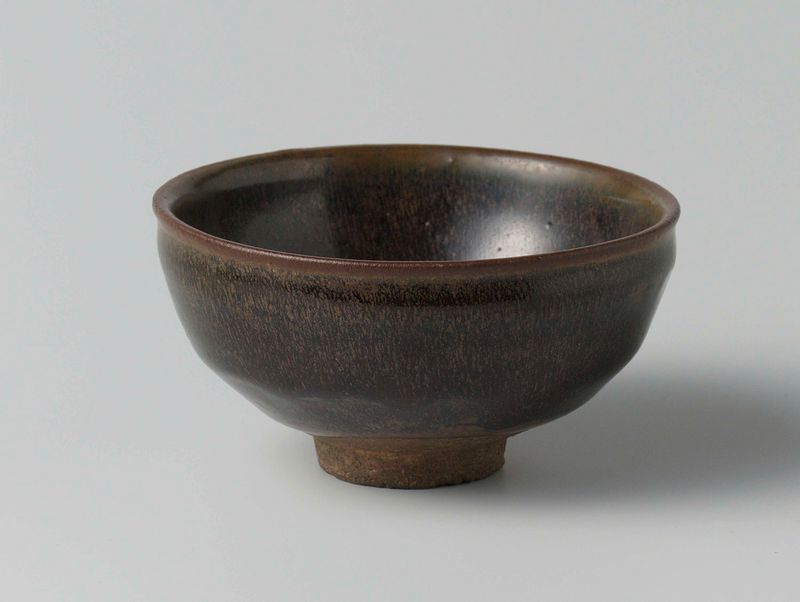
Teabowl with a 'hare's fur' glaze
Unknown Artist