
Davos sous la neige — History & Facts
Can paint confess what words never could? In Davos sous la neige, a world blanketed in silent snow speaks volumes of both emptiness and tranquility, inviting viewers to confront the void that often lingers beneath the surface of our lives. Look to the center of the canvas, where a serene expanse of white dominates the scene, punctuated only by the subtle outlines of distant mountains. The cool, muted palette evokes the chill of winter, while soft brush strokes suggest the gentle, falling snowflakes that coat everything within reach. Notice how the light dances across the surface, creating a luminous quality that transforms the ordinary into the ethereal, emphasizing the isolation inherent in this snowy landscape. Yet, within this quietude lies a tension, a contrast between the stillness of the environment and the underlying emotions it can provoke.
The absence of figures hints at solitude—an invitation to reflect on the emptiness and the space left behind. This stillness can resonate with anyone who has experienced moments of isolation, a reminder that even in silence, there exists a multitude of unspoken thoughts and emotions. Composed in 1936, this piece reflects Marquet’s evolving style during a time of significant change in the art world, as artists were beginning to embrace modernism and explore new perspectives. Living in France, he was influenced by the shifting cultural landscape and sought to capture the essence of moments rather than their literal representations, focusing on the interplay between light and atmosphere in his works.
More Artworks by Albert Marquet
Browse all →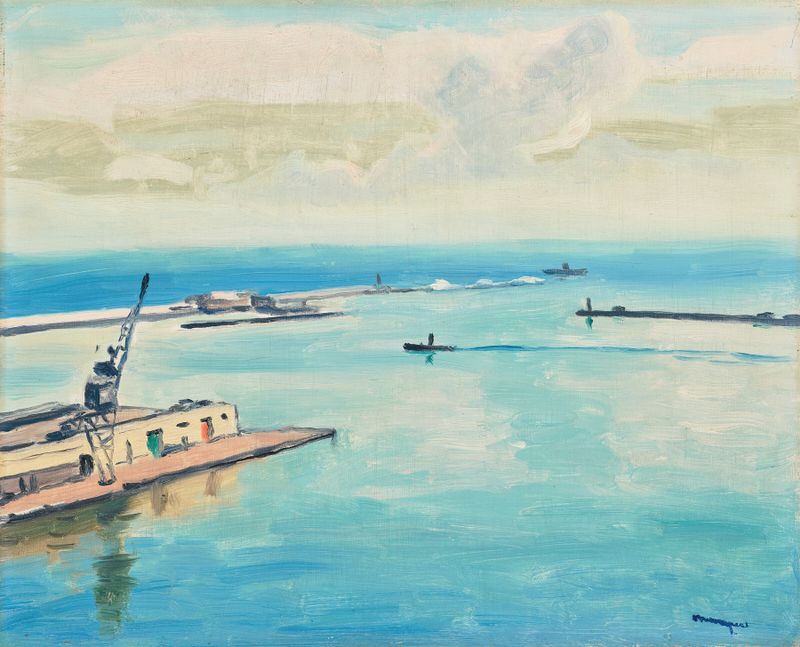
Le Port d’Alger
Albert Marquet
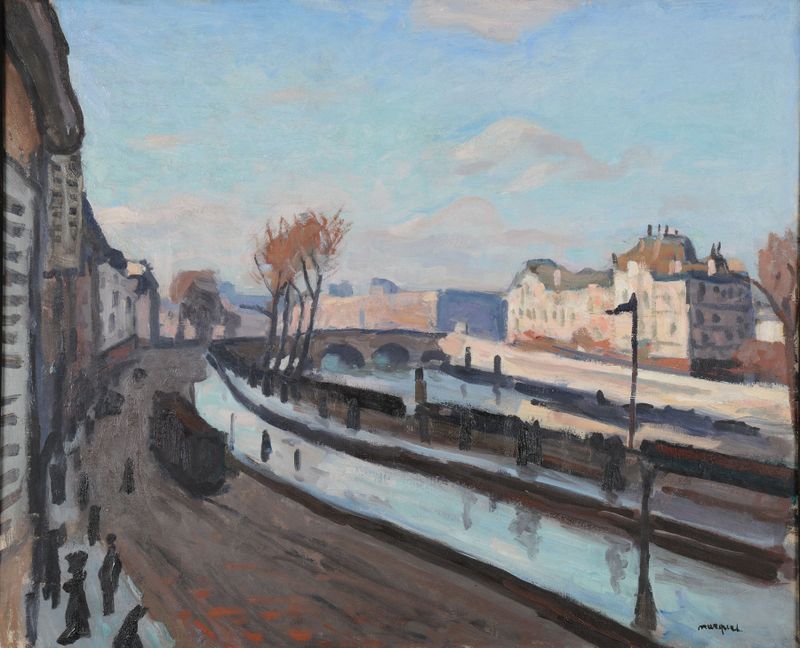
Le quai des Grands Augustins
Albert Marquet
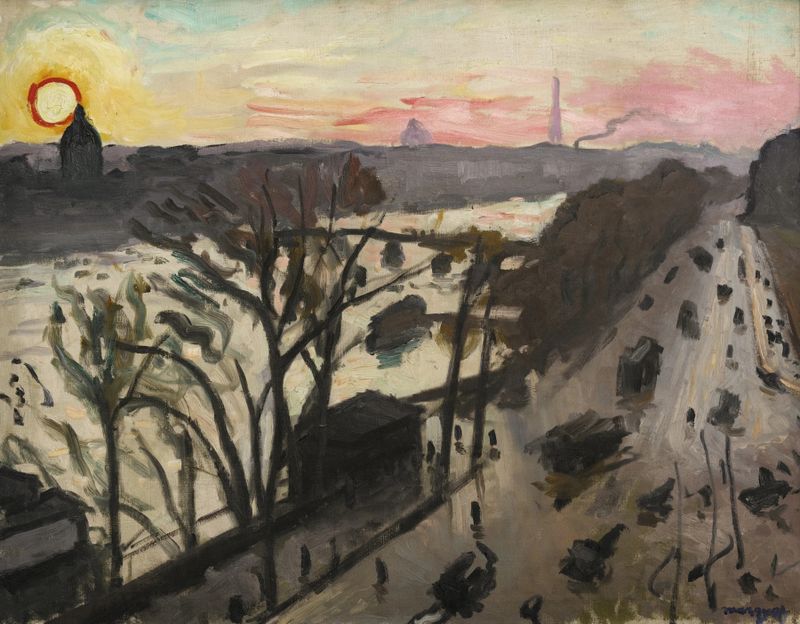
Paris, quai du Louvre, soleil d’hiver
Albert Marquet
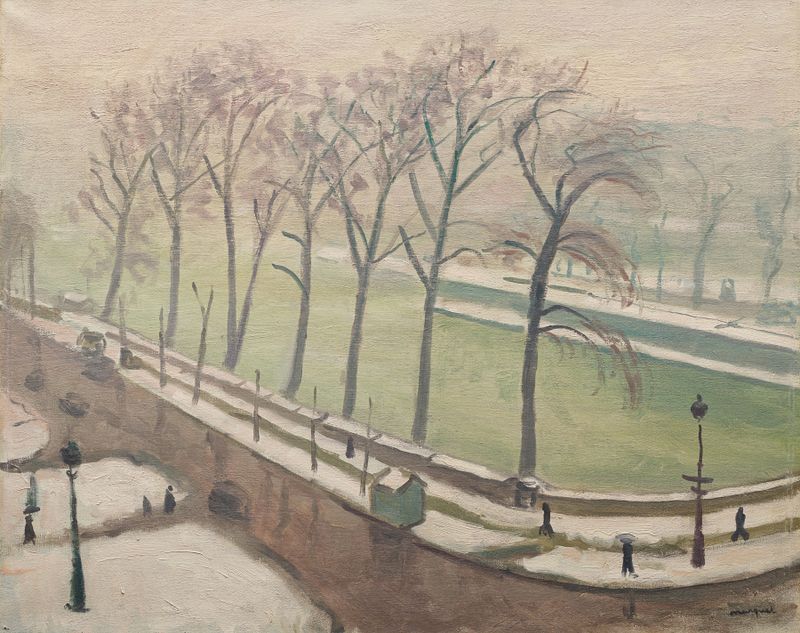
Pont-Neuf sous la neige
Albert Marquet
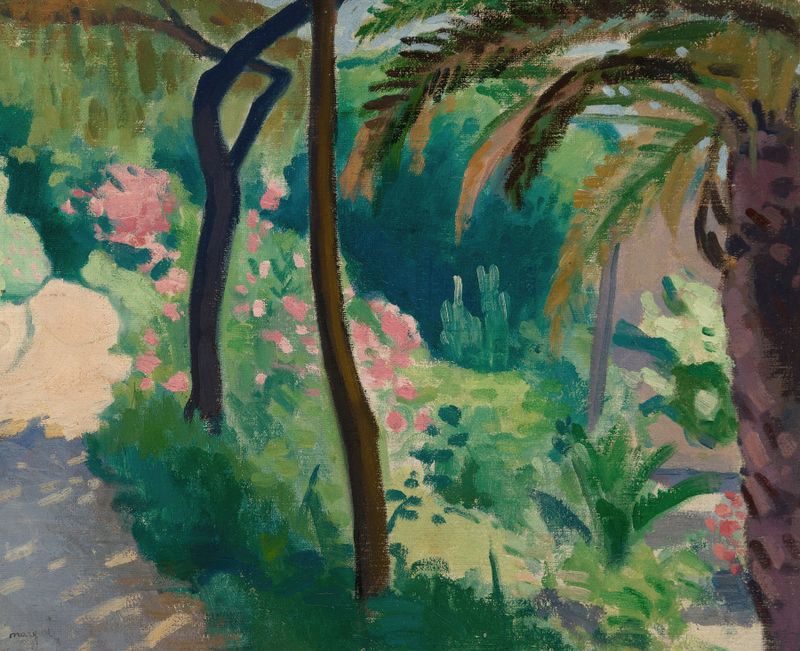
Le jardin à l’Estaque
Albert Marquet
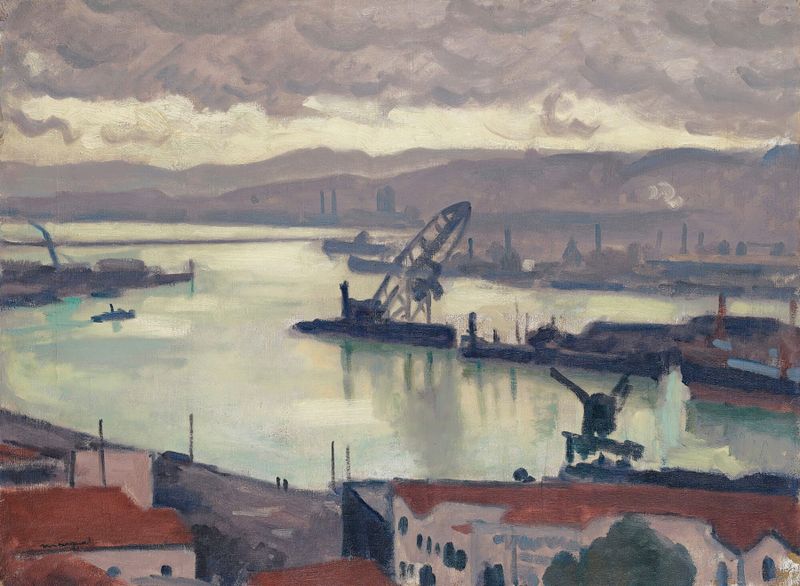
Alger, Temps Gris
Albert Marquet
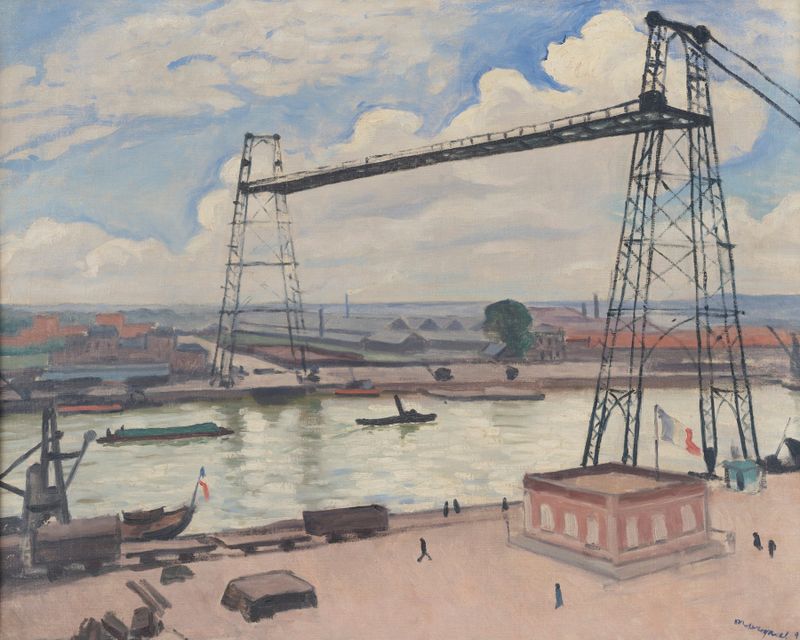
Rouen, le pont transbordeur
Albert Marquet
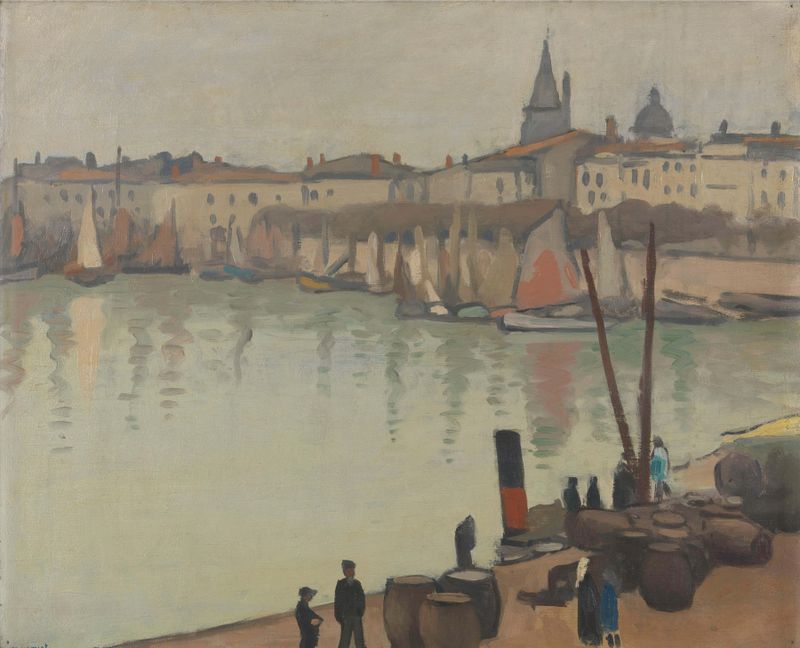
Port of La Rochelle
Albert Marquet

Berge de la Seine à Méricourt
Albert Marquet
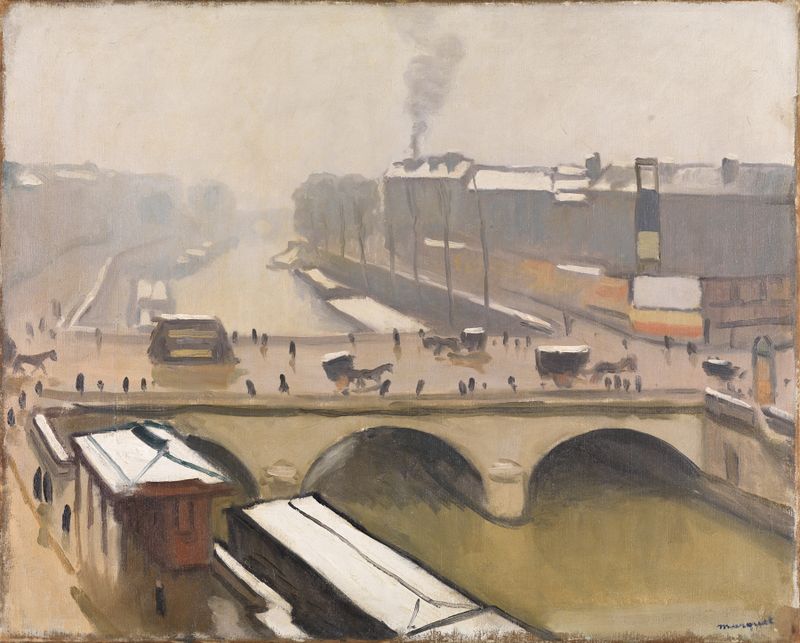
View of the Pont Saint-Michel in Paris
Albert Marquet





