
Dawn in the Valleys of Devon — History & Facts
In Dawn in the Valleys of Devon, hope emerges gently from the brushstrokes, inviting viewers to contemplate the promise of a new day. Look closely at the center of the painting, where the early morning light breaks through a veil of mist. Notice how it dances across the undulating hills, casting soft shadows that hint at the contours beneath. The delicate interplay of blues and warm golds evokes not just a landscape but an emotional landscape — a realm where dawn symbolizes renewal.
The fluid brushwork gives the sky a swirling quality, while the muted earth tones anchor the composition, suggesting stability amidst change. The contrasts in this work speak volumes. The rising sun, a vibrant orb, stands in stark juxtaposition to the cool tranquility of the dark valleys. This tension between light and shadow captures the duality of hope and uncertainty, as dawn heralds both possibility and an unknown future.
Subtle details, like the gentle rise of the fog, create a sense of anticipation, as if the world is holding its breath, waiting for clarity to emerge from obscurity. In 1832, as Turner painted this piece in the serene landscapes of Devon, he was deeply immersed in the Romantic movement, which sought to express the sublime in nature. The era was marked by a shift in artistic focus from grandeur to personal experience, and Turner himself was grappling with the changing tides of British society and its relationship with the natural world. This painting reflects that innermost exploration, capturing a moment that balances beauty with the fragility of life.
More Artworks by William Turner of Oxford
Browse all →
Shepherd Boy on a Hillside
William Turner of Oxford

Oxford from Hinksey Hill
William Turner of Oxford
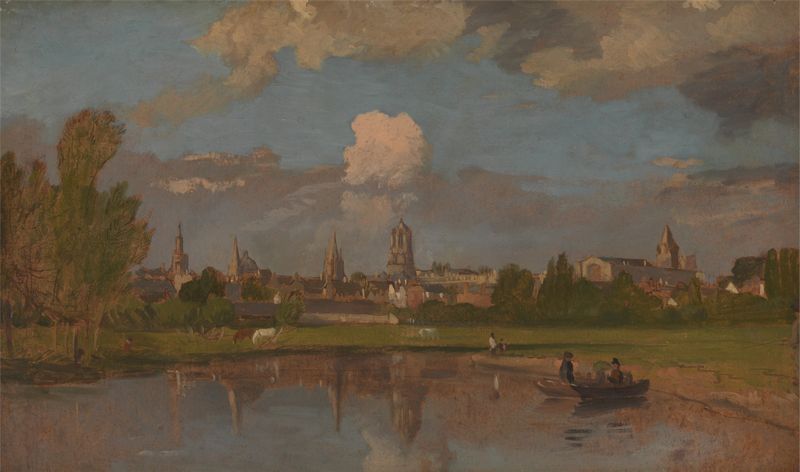
Oxford from the River with Christ Church in the Foreground
William Turner of Oxford
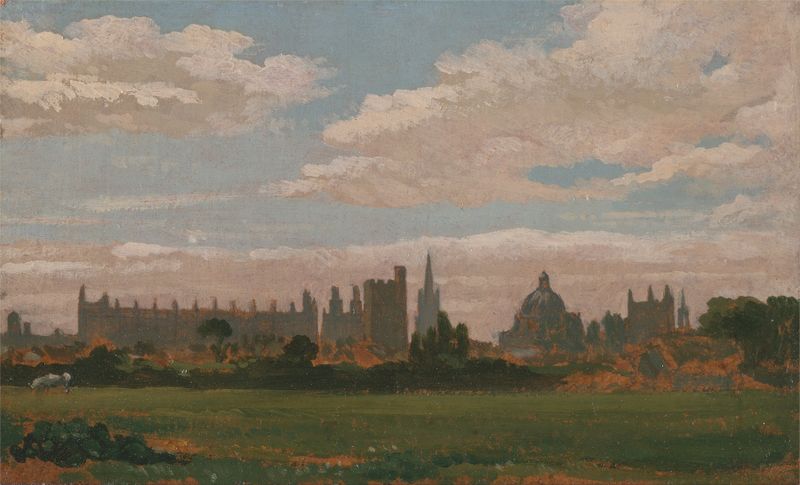
A View of Oxford
William Turner of Oxford

Extensive Landscape with a Pond
William Turner of Oxford
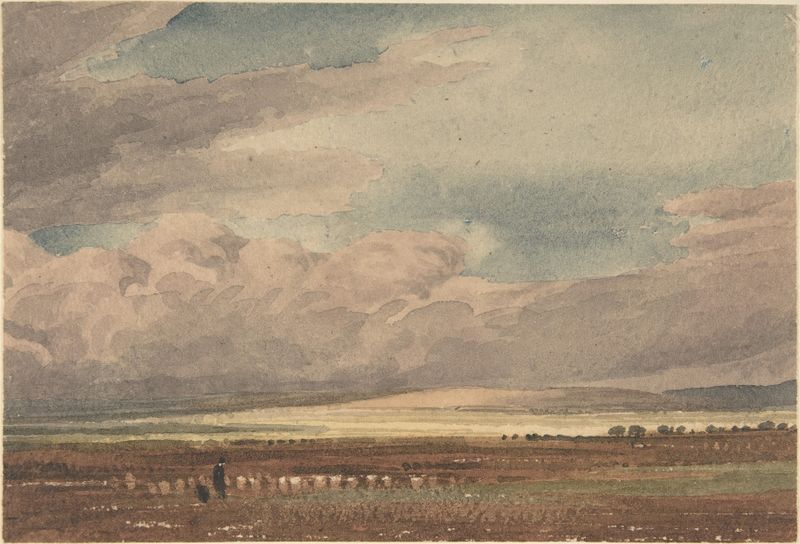
Salisbury Plain with Old Sarum in the Distance, Wiltshire
William Turner of Oxford
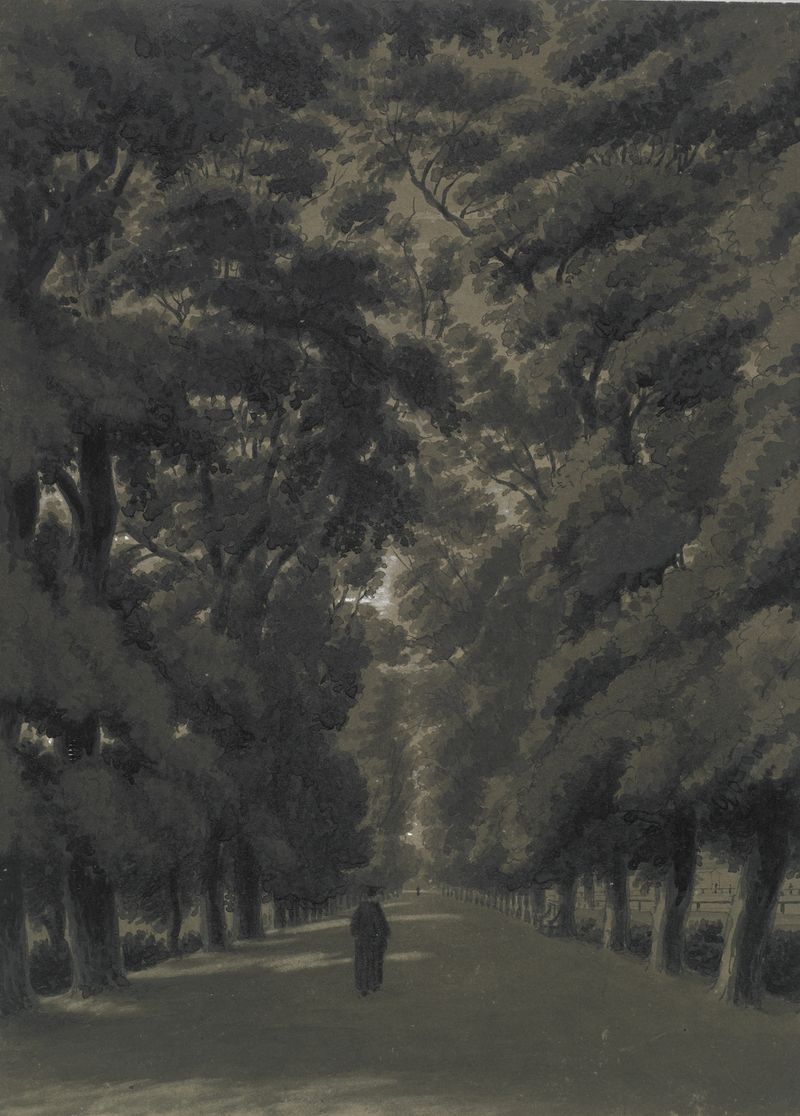
The Broadwalk, Oxford
William Turner of Oxford
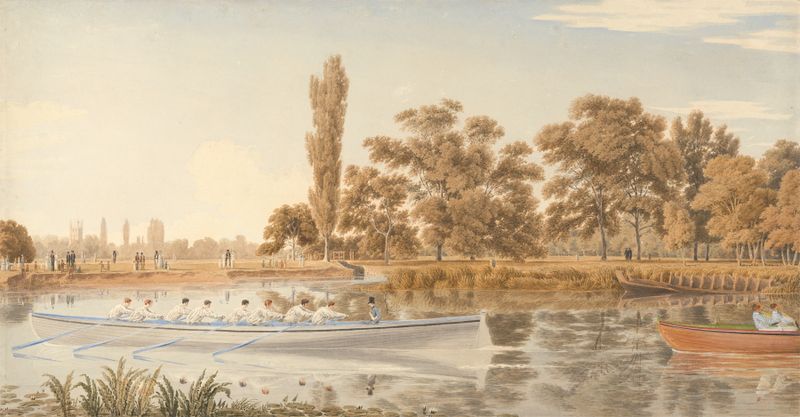
The Exeter College Eight on the Isis, Oxford
William Turner of Oxford

A View from Moel Cynwich; Looking Over the Vale of Afon Mawddach and Toward Cader Idris
William Turner of Oxford
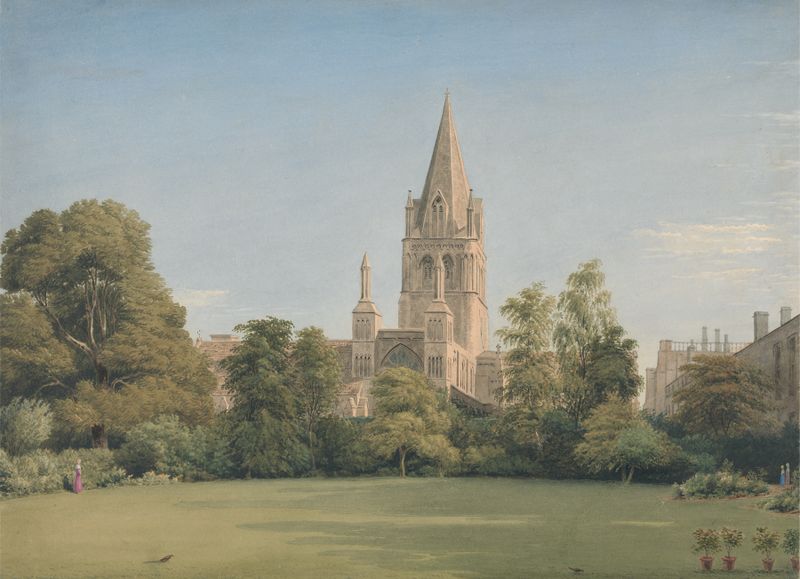
View from the Dean’s Garden, Christ Church, Oxford
William Turner of Oxford





