
De aanbidding door de koningen — History & Facts
Is this a mirror — or a memory? The interplay of faith and madness swirls within the intricate details of this remarkable piece, beckoning us to confront our own reflections of devotion. Look to the center of the composition, where the three kings, cloaked in opulent fabrics, offer their treasures. Notice how the light cascades from an unseen source, illuminating the figures while casting shadows that seem to stretch towards the edges of the canvas. The rich, vibrant colors and meticulously rendered textures engage the viewer, drawing attention to the delicate highlights on the gold and jewels, embodying wealth yet shadowed by a deeper, darker undercurrent. Delve deeper into the expressions on the kings' faces; they reveal layers of reverence intertwined with uncertainty.
The contrasting gestures speak volumes—one king kneels in submission, while another appears almost entranced, suggesting a madness born from divine encounter. This duality reflects the tension between devotion and the overwhelming nature of faith, as if the act of worship itself becomes a threshold to insanity. Albrecht Dürer painted De aanbidding door de koningen in 1511, a time of significant upheaval and transformation in Europe. He was deeply influenced by the Renaissance ideals swirling around him—exploring new dimensions in art and pushing the boundaries of perspective and realism.
With a keen interest in the human condition, Dürer’s work resonates with the complexities of belief, amidst a landscape where art began to serve as both a reflection of the divine and a mirror to humanity’s frailties.
More Artworks by Albrecht Dürer
Browse all →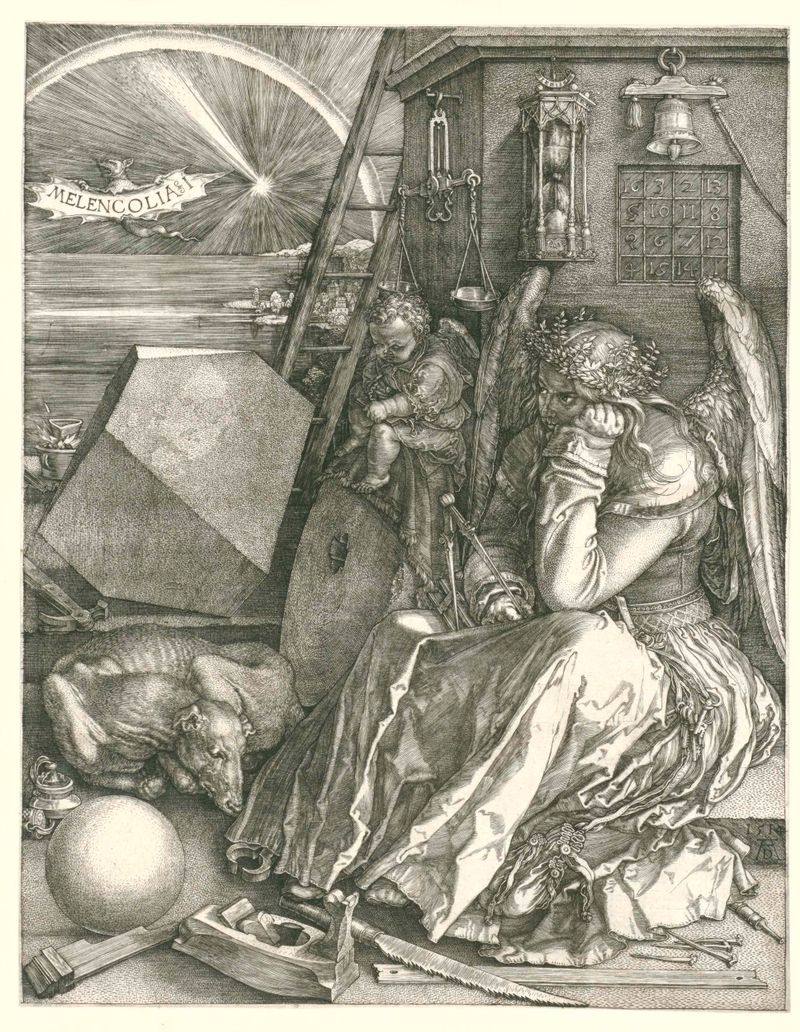
Melancholia
Albrecht Dürer
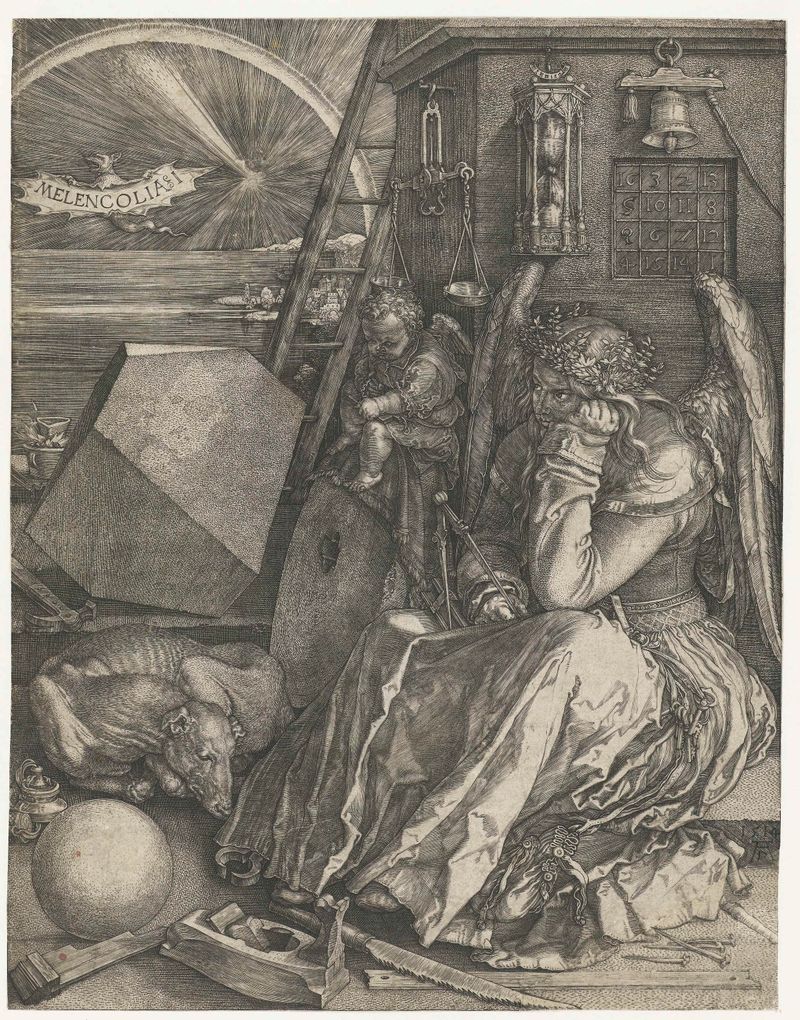
Melancholie
Albrecht Dürer
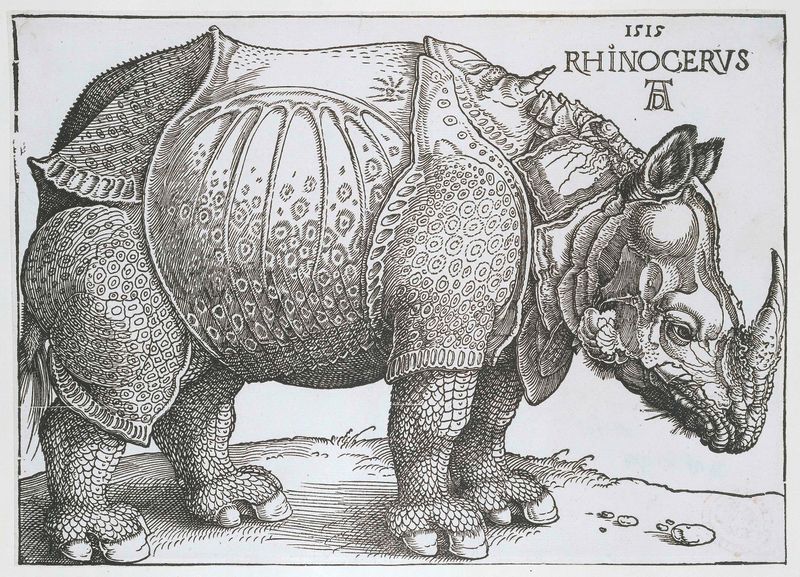
Neushoorn
Albrecht Dürer
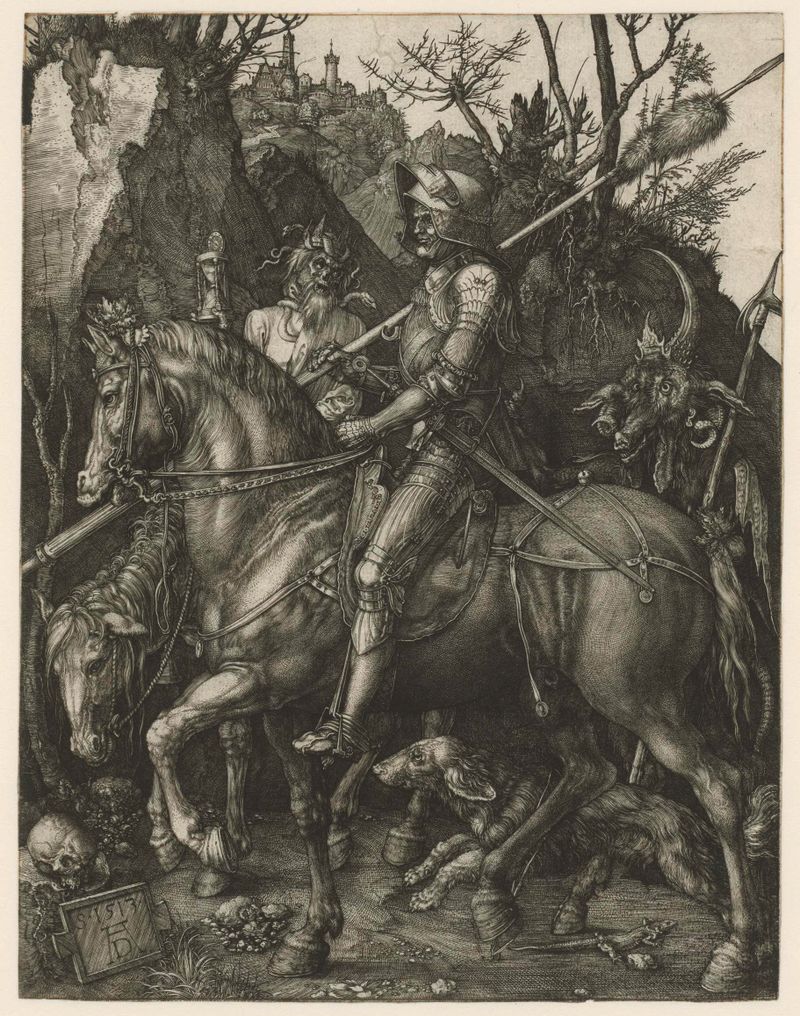
Knight, Death, and the Devil
Albrecht Dürer

De vier ruiters van de apocalyps
Albrecht Dürer

De vier ruiters van de apocalyps
Albrecht Dürer
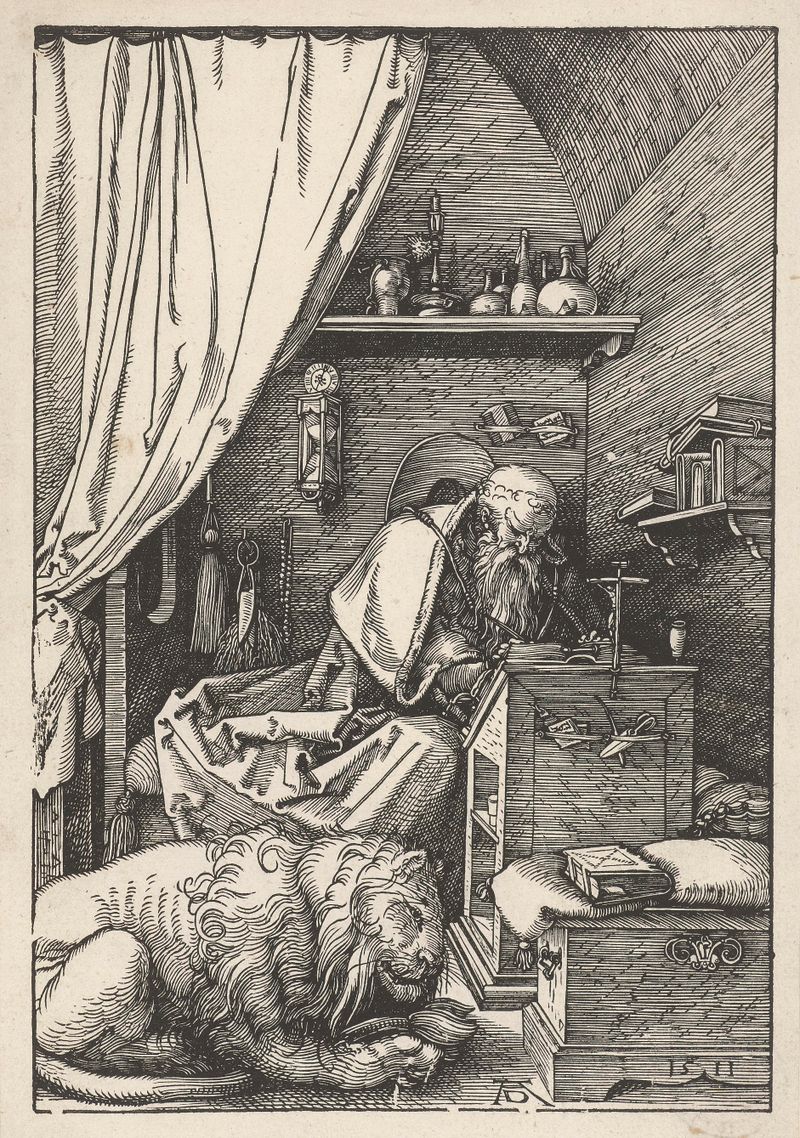
De Heilige Hiëronymus in zijn studeervertrek
Albrecht Dürer
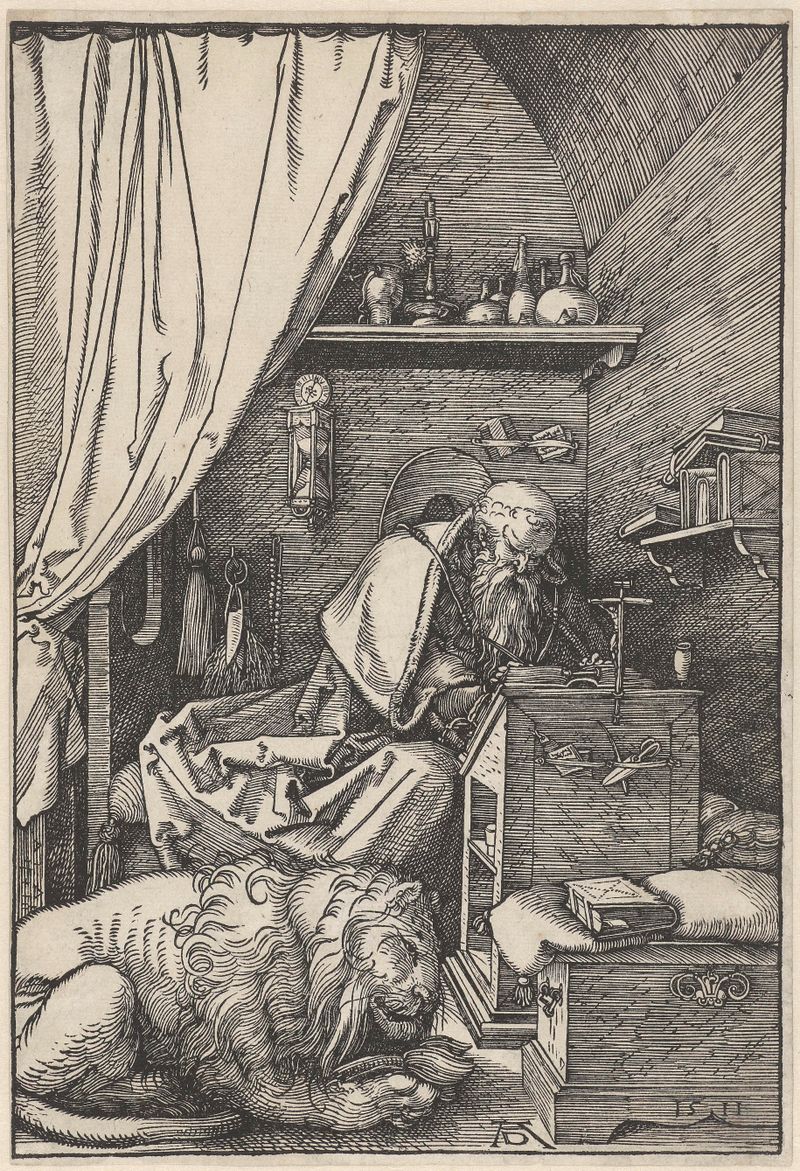
De Heilige Hiëronymus in zijn studeervertrek
Albrecht Dürer
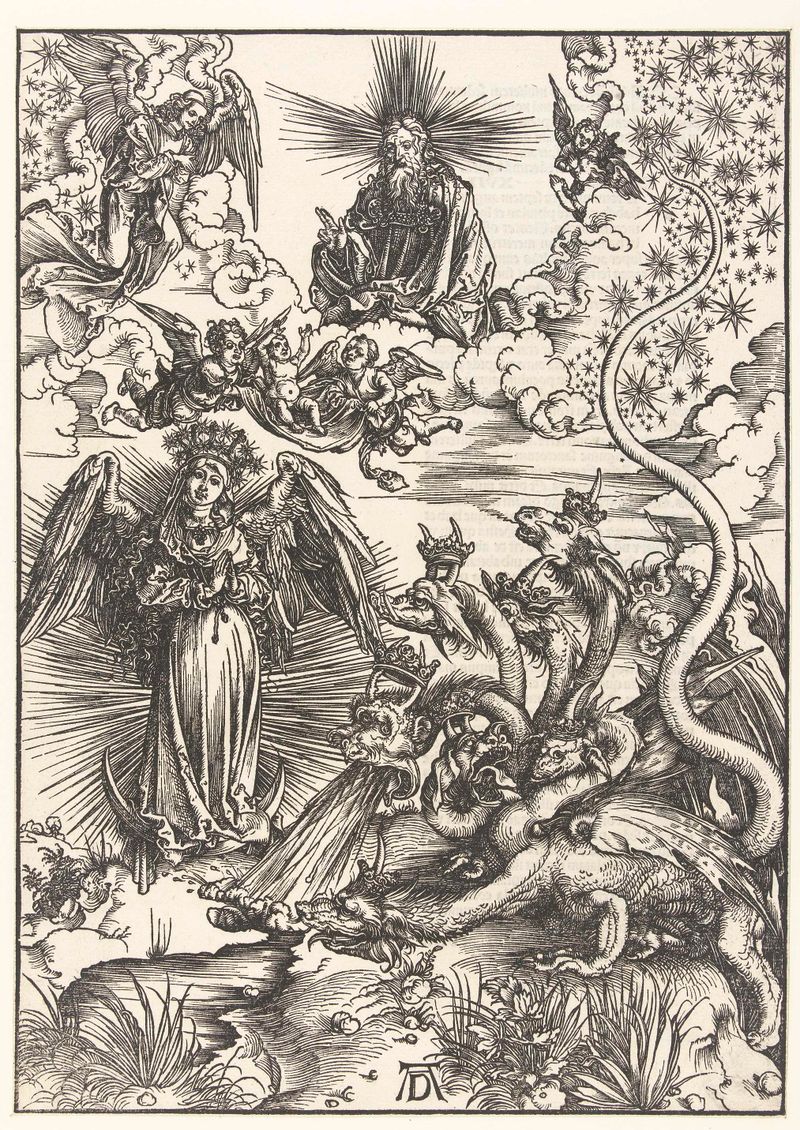
De apocalyptische vrouw en de zevenkoppige draak
Albrecht Dürer
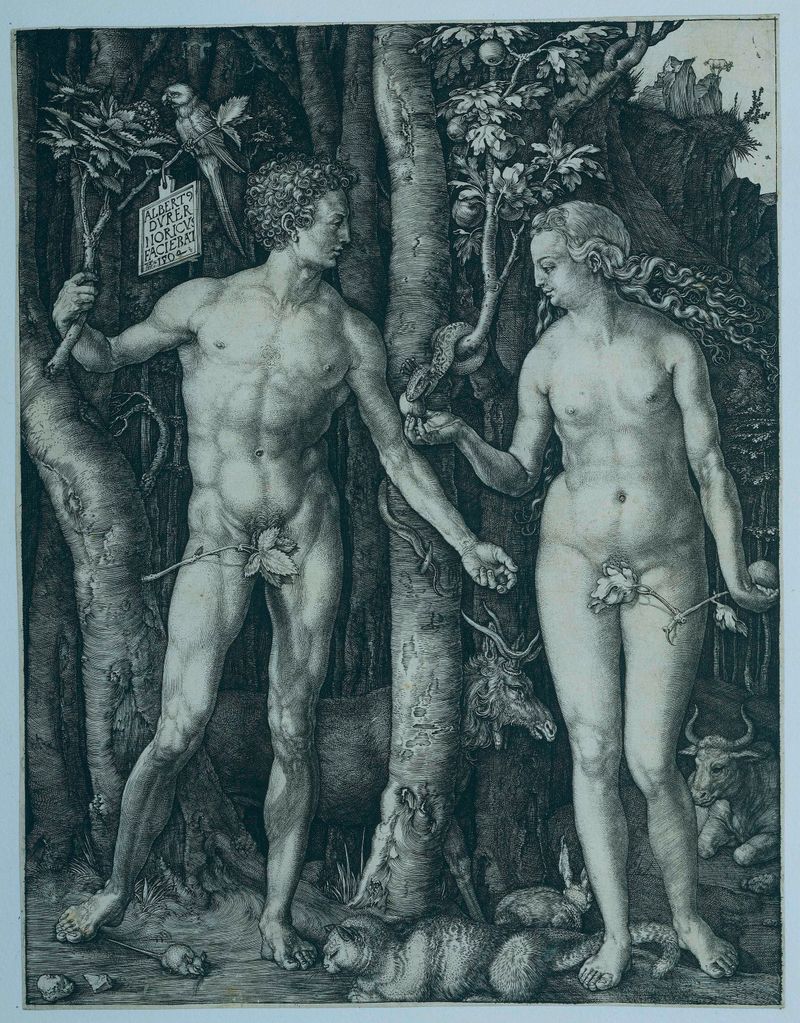
Adam en Eva
Albrecht Dürer
More Religious Art
Browse all →
The Return of the Prodigal Son
Rembrandt van Rijn

The Garden of Earthly Delights
El Bosco

Count Orgaz’ funeral
El Greco

The Hundred Guilder Print: the central piece with Christ preaching, the plate arched
Rembrandt van Rijn

The Descent from the Cross
Rogier van der Weyden

The return of the prodigal son
Rembrandt van Rijn